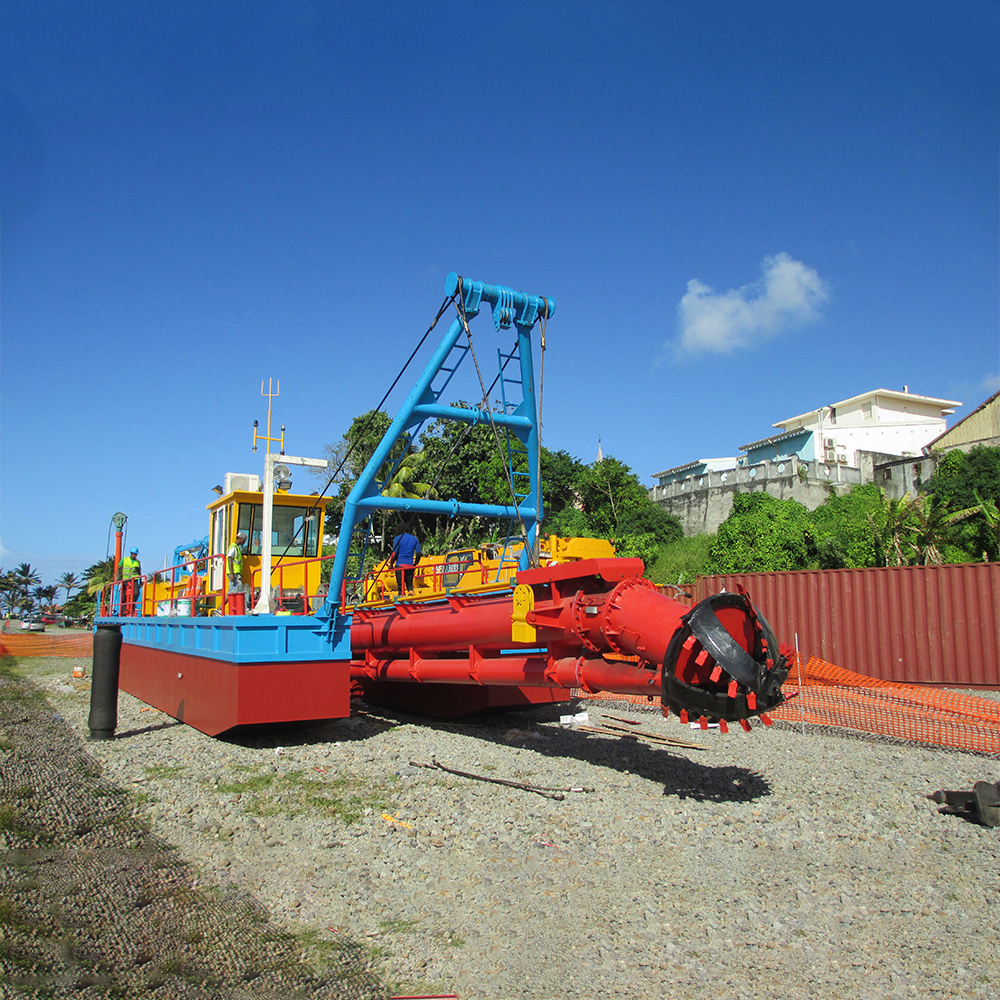
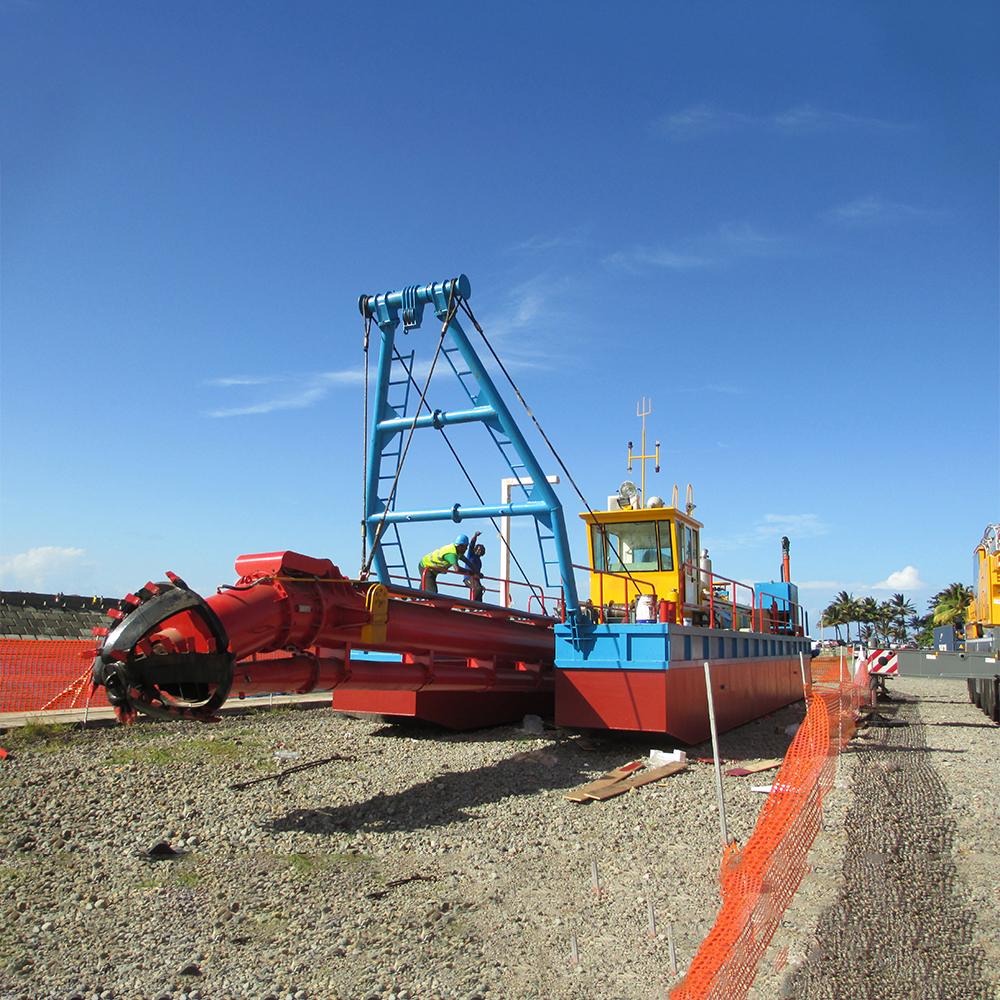
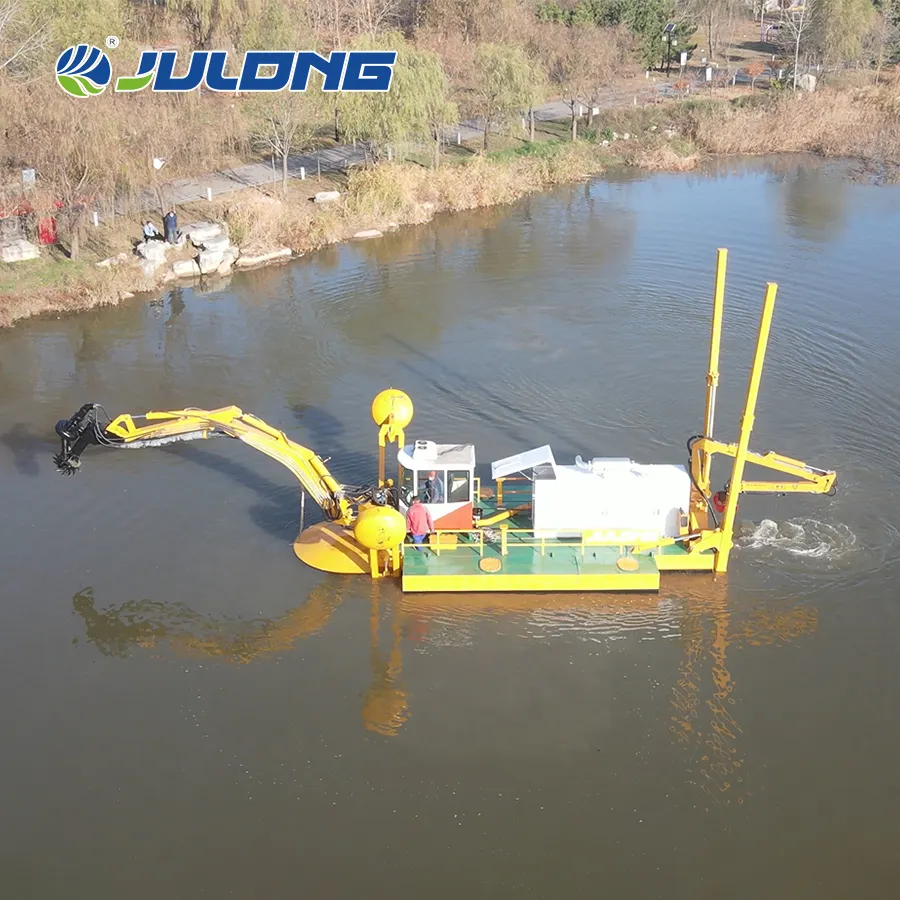
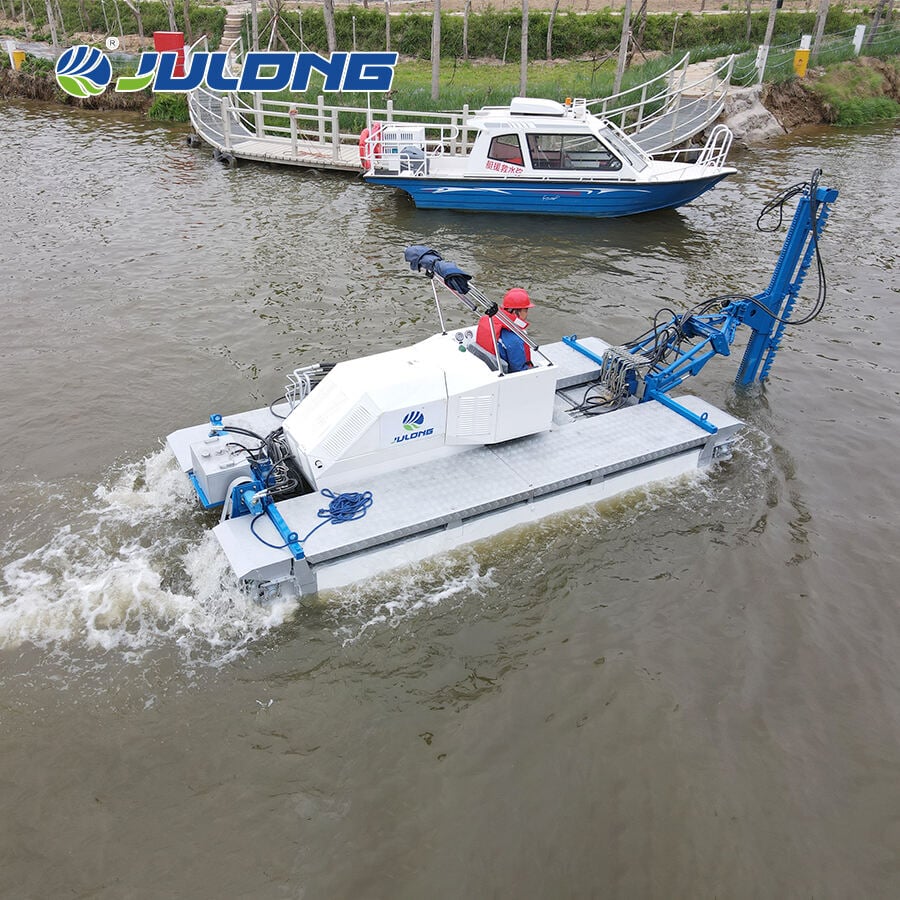
Canal dredges serve as essential equipment in the maintenance and restoration of waterways, ensuring they remain navigable and environmentally sound. As a purchasing manager or project engineer, understanding the specifications, quality considerations, and operational challenges is crucial when selecting canal dredges for your projects. This article will provide insights into the key specifications, evaluation criteria, performance optimization, common issues, and practical applications of canal dredges, equipping you to make informed purchasing decisions while reducing operational risks, controlling maintenance costs, improving project efficiency, and ensuring reliable performance across different canal conditions and demanding waterway projects.
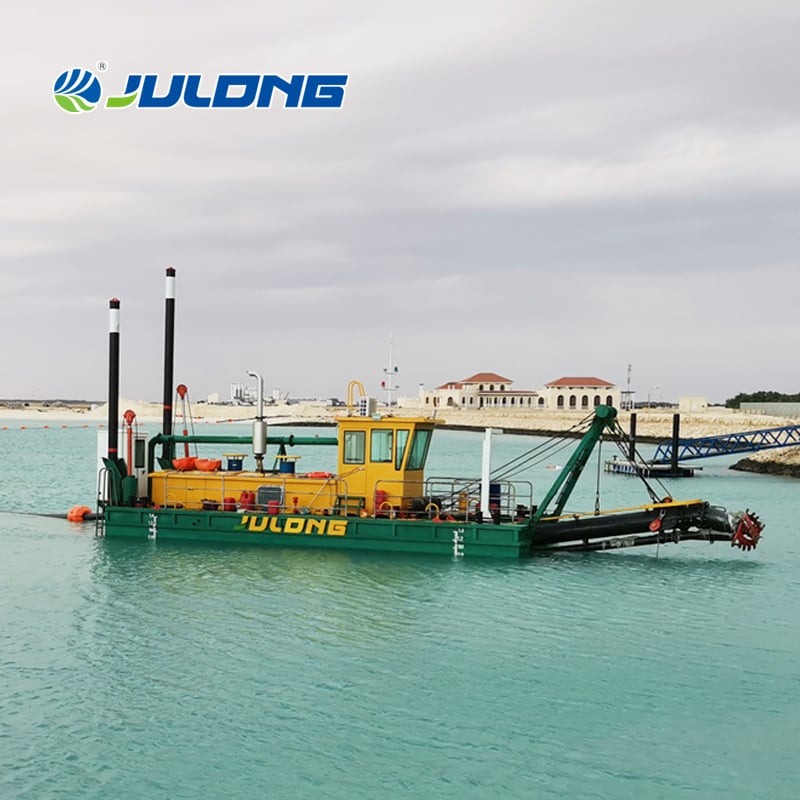

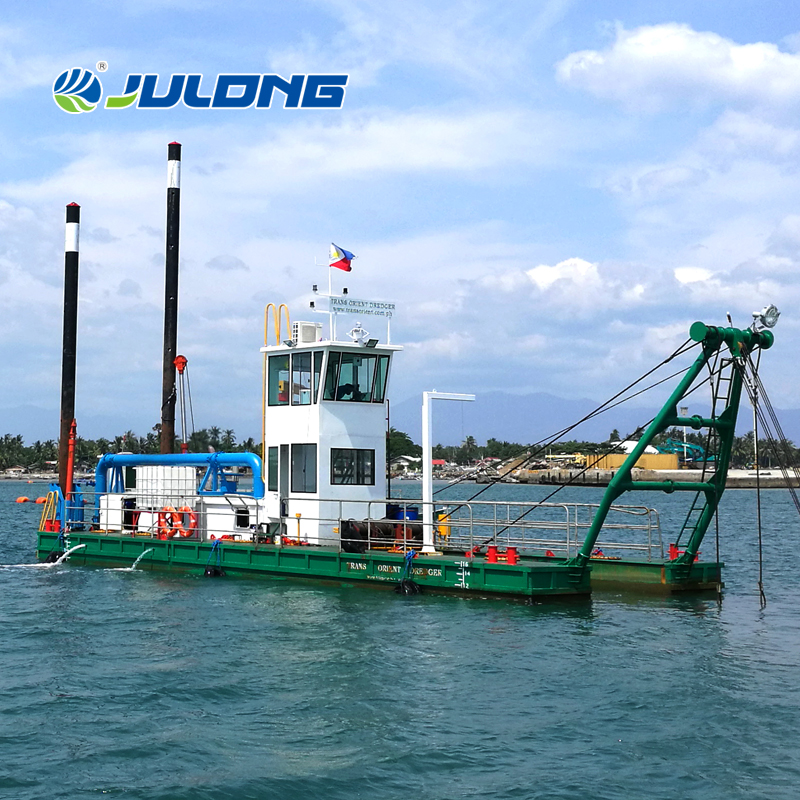


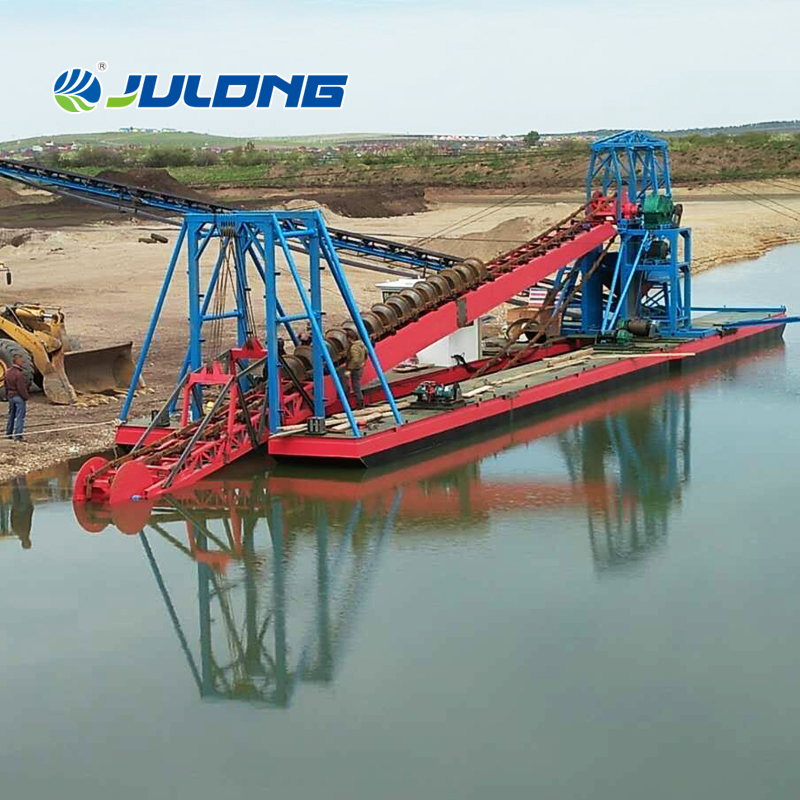


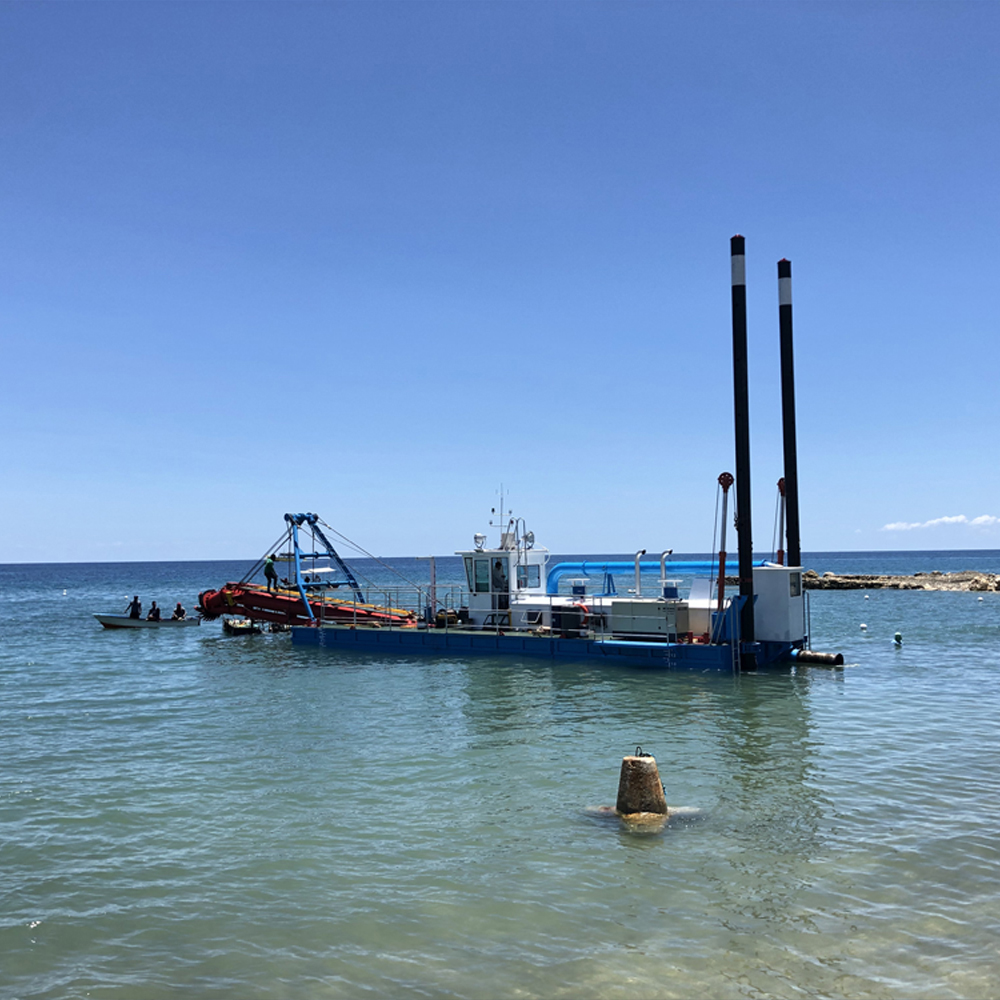
How to Evaluate the Quality of Canal Dredges for Your Projects
Quality evaluation is paramount when selecting canal dredges. Begin by considering the following factors:
Certifications and Standards: Verify that the dredges comply with international standards and certifications relevant to environmental protection and safety. This indicates the equipment's reliability and performance consistency.
Manufacturer Reputation: Investigate the manufacturer's history and reputation within the industry. Companies like JULONG, which collaborate with top universities for product development, often provide innovative and reliable solutions.
Quality Control Processes: Inquire about the manufacturer’s quality control measures during production. Effective quality assurance practices can minimize defects and ensure that the dredges perform as expected.
Performance Data: Request performance data and case studies from the manufacturer. This information can provide insights into how the dredge has performed in similar projects and conditions.
Feedback from Previous Users: Seek testimonials or reviews from other companies that have used the dredges. Real-world feedback can highlight both strengths and weaknesses.