cutterhead dredge-0

Choosing the Right Cutterhead Dredge for Projects

  • No. 66, Changping Street, Xinchang Street, Weifang High-Tech Zone, Shandong Province, China
  • [email protected]

Get a Free Quote

Our representative will contact you soon.
Email
Mobile
Name
Company Name
Message
0/1000

Cutterhead dredge

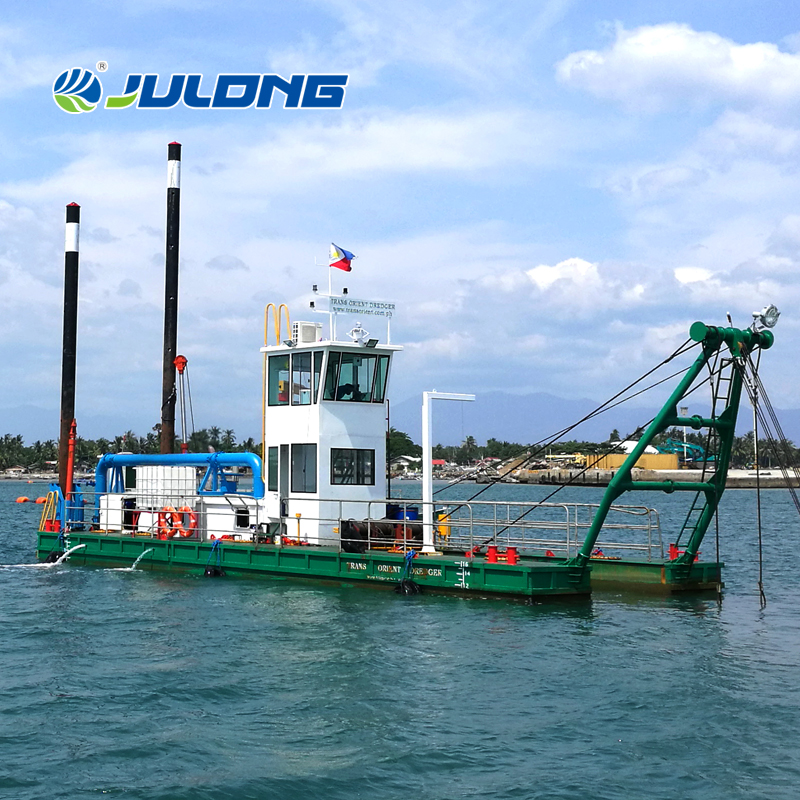
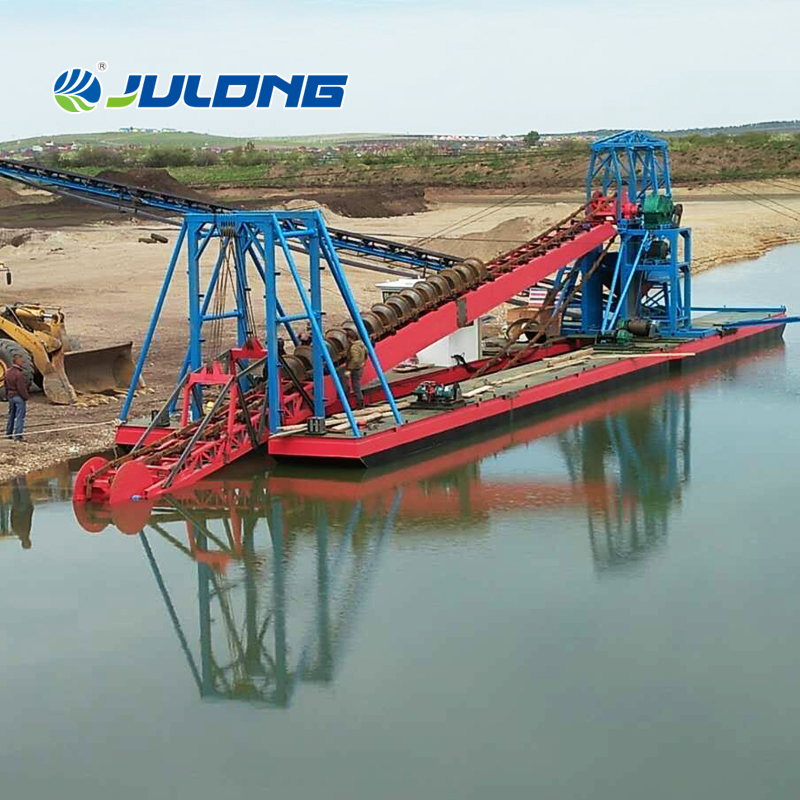
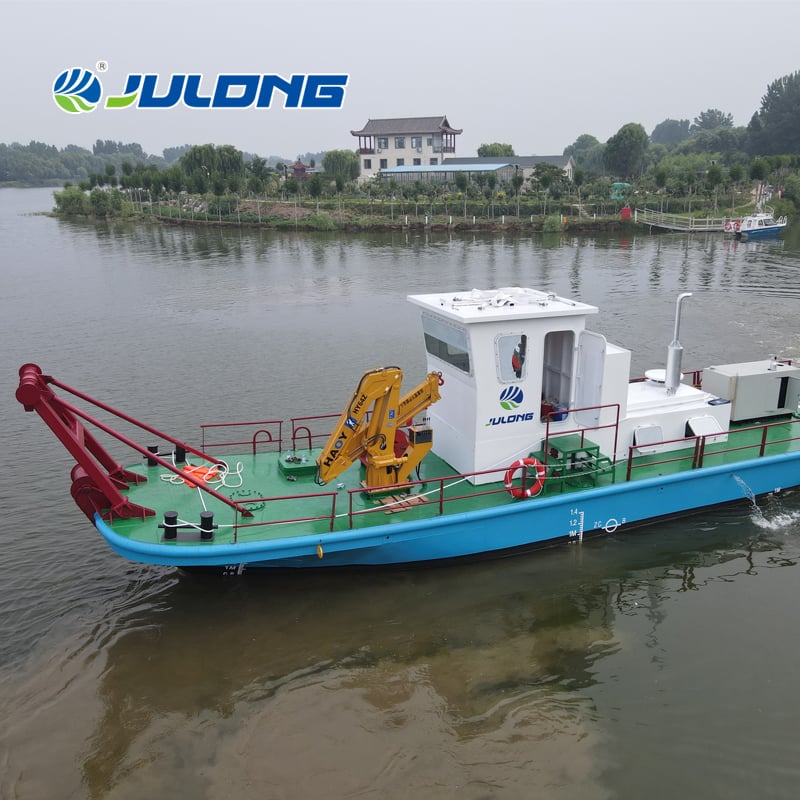
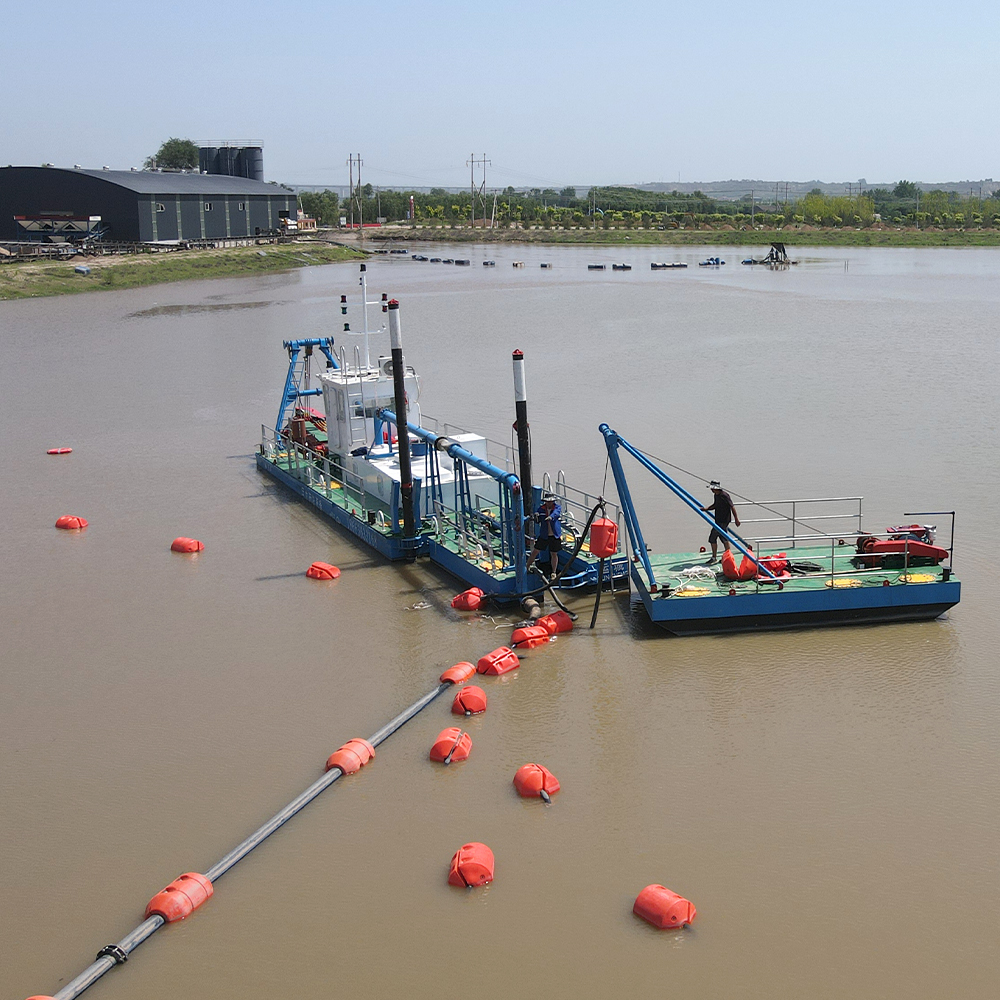
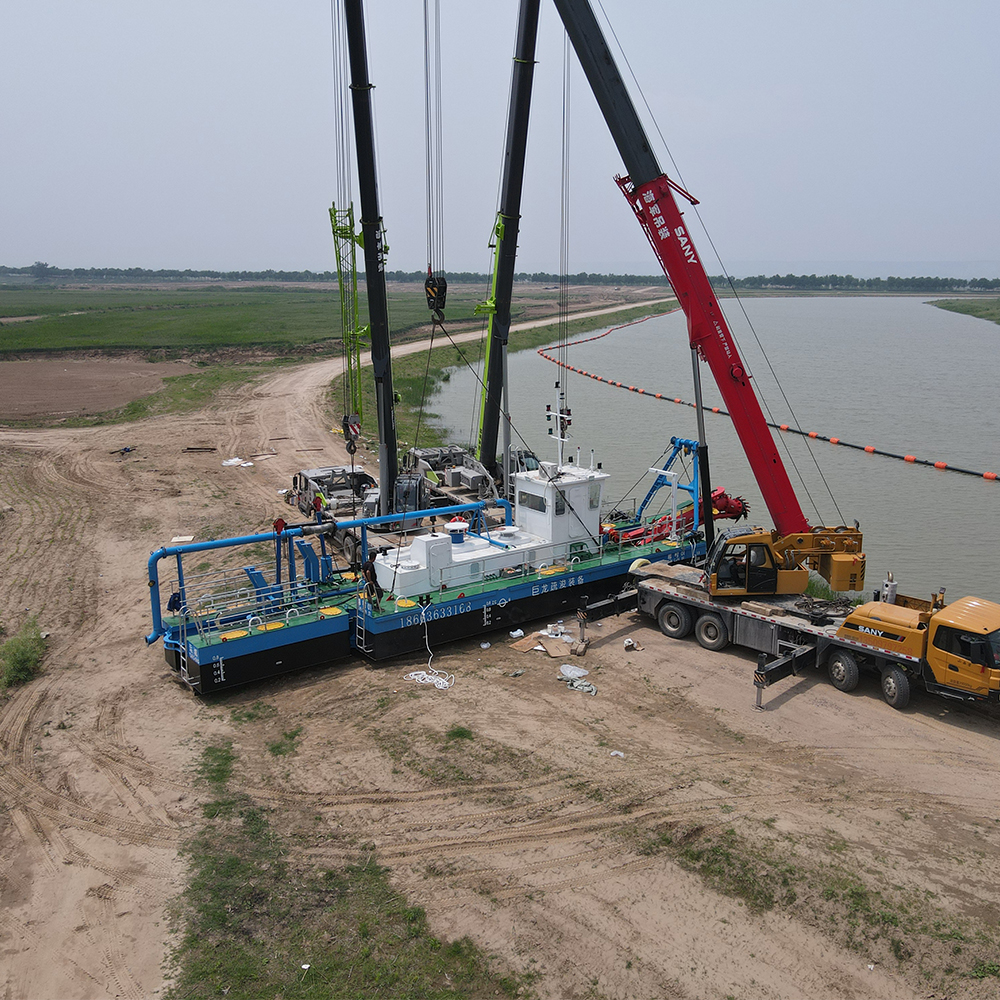
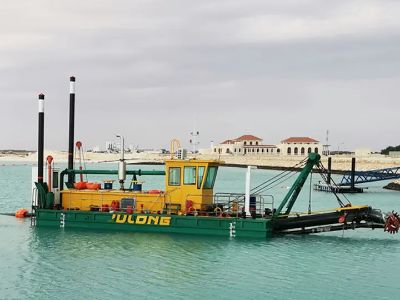
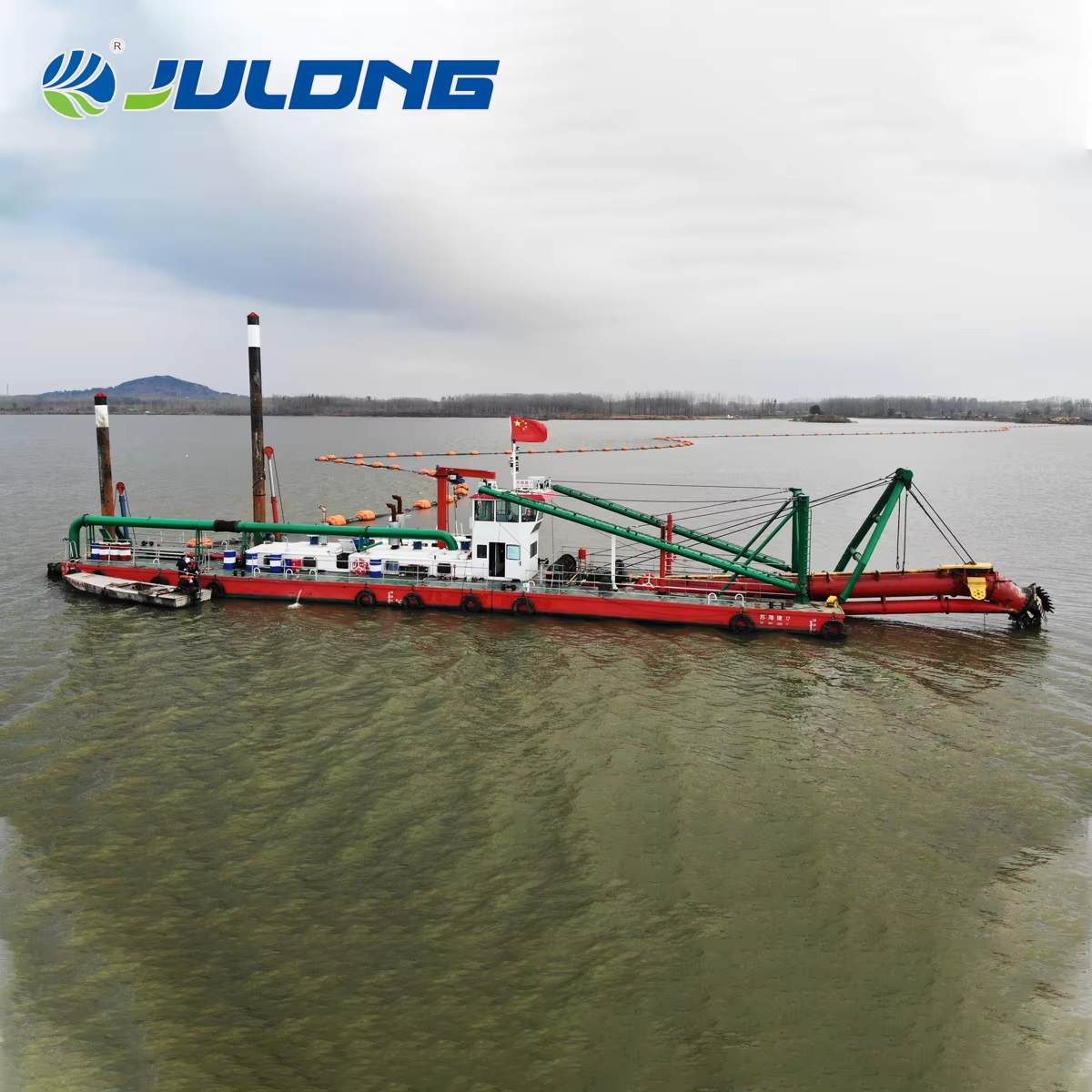
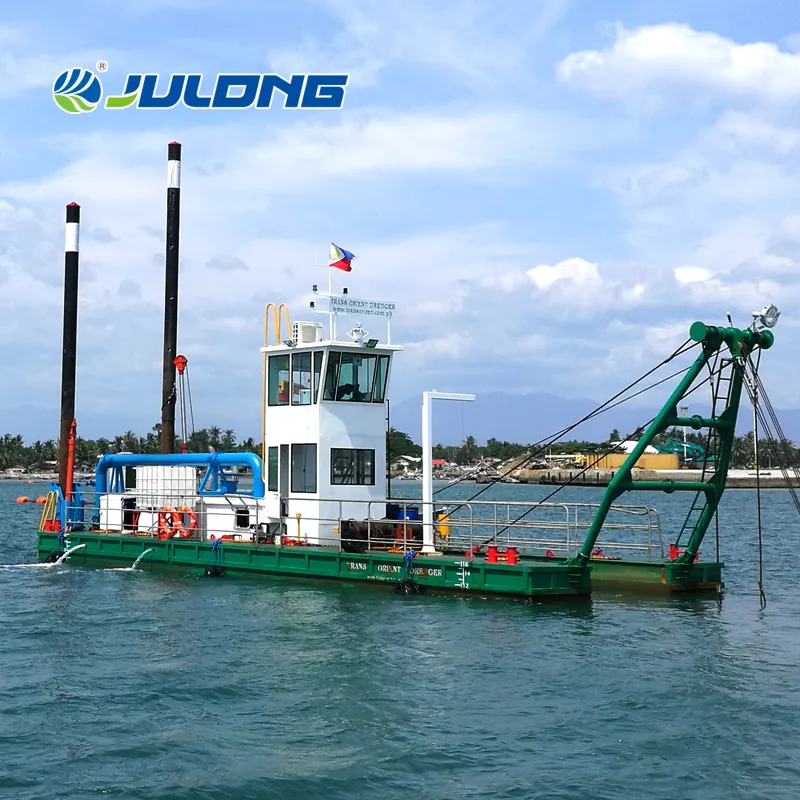
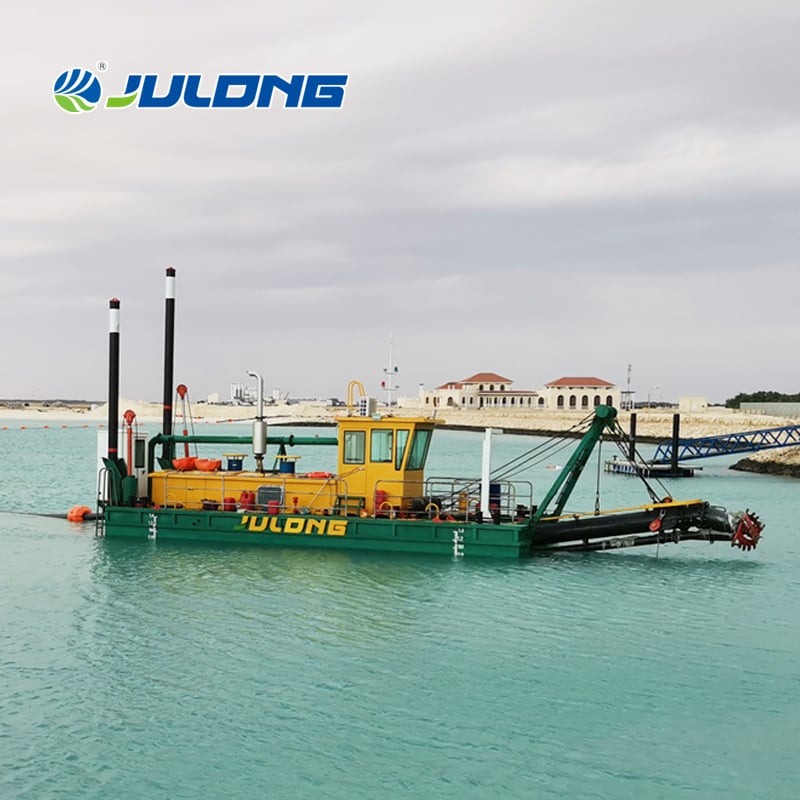
Choosing the right cutterhead dredge is crucial for effective sediment removal and waterway management in environmental projects. Cutterhead dredges are specialized equipment designed to excavate sediment from underwater environments, making water dredging equipment essential for various applications, including environmental protection and restoration. Potential buyers, such as purchasing managers, engineers, and project managers, need to consider factors like specifications, cost, and application suitability before making a purchase cutterhead dredge. This article will guide you through the environmental projects considerations for selecting and using cutterhead dredges, helping you make informed decisions that align with your project needs.
Our Products

Cost Factors to Consider When Buying Cutterhead Dredges in Bulk

Cost Factors to Consider When Buying Cutterhead Dredges in Bulk

Purchasing cutterhead dredges in bulk can lead to significant cost savings, but several factors influence pricing: 

Material and Build Quality: The choice of materials directly affects the cost. Higher-quality waterway dredger may have a higher upfront cost but can enhance durability and reduce long-term maintenance expenses. 

Manufacturing Complexity: More complex dredge designs with advanced features can increase production costs. Understanding the trade-off between features and overall cost is essential for budget planning. 

Order Volume: Typically, larger orders can qualify for volume discounts, but the minimum order quantity (MOQ) must be considered. Ensure you negotiate terms that align with your project timeline and budget. 

Logistics and Shipping: Don’t overlook shipping costs, which can vary based on the dredge's size and weight. Factor in delivery timelines to avoid project delays. 

Warranty and Support: Evaluate the warranty terms and post-purchase support. A more comprehensive warranty may come at a slightly higher cost but can provide long-term savings through reduced repair and maintenance expenses. 
Installation Guidance for Effective Use of Cutterhead Dredges

Installation Guidance for Effective Use of Cutterhead Dredges

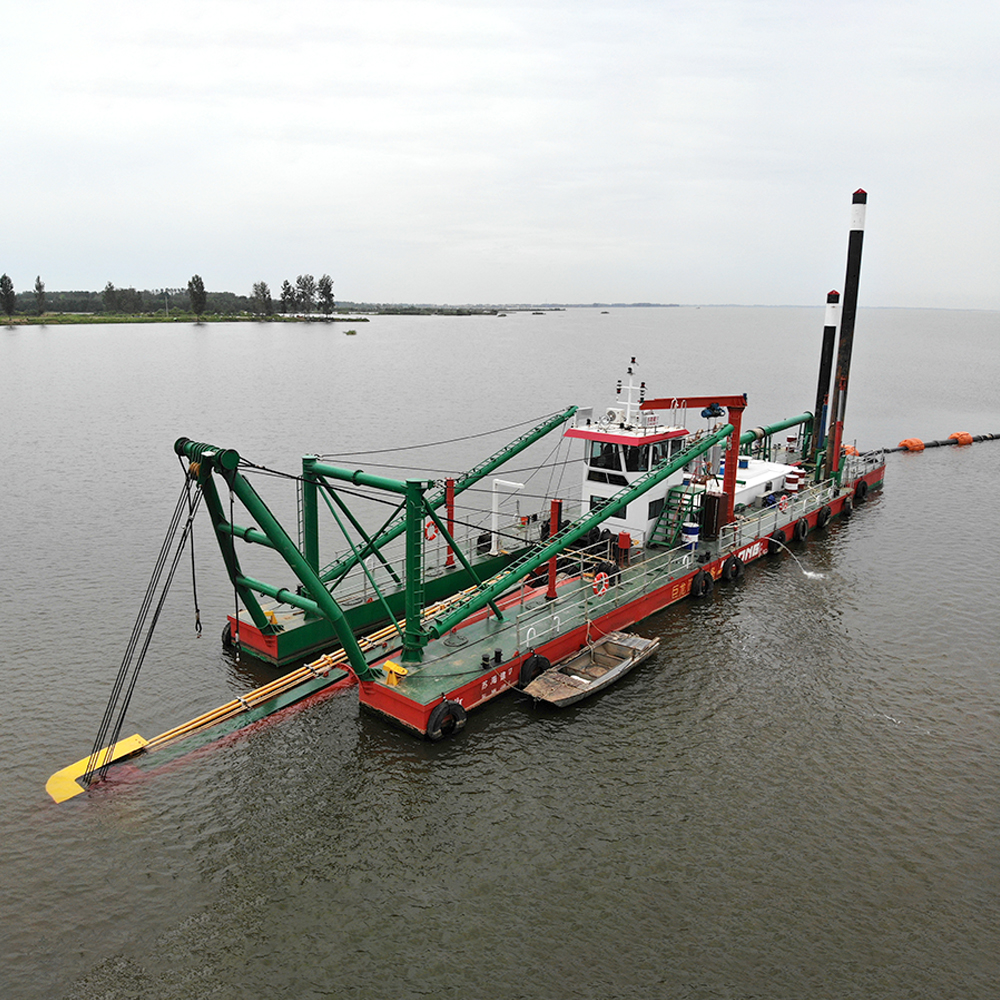
Proper installation and setup of cutterhead dredges are critical for their performance. Here are essential steps to ensure effective use: 

Site Preparation: Before installation, prepare the site by removing any obstacles and ensuring stable access routes for the dredge. This preparation minimizes operational delays once the dredge is deployed. 

Dredge Positioning: Position the dredge according to project sediment removal, ensuring environmental projects is stable and secure. The dredge’s angle and depth settings should be adjusted based on sediment type and the expected dredging depth. 

Hydraulic System Setup: If your dredge is equipped with a hydraulic system, ensure that dredge size is properly connected and tested before operation. Inspect for leaks and confirm that all hydraulic functions are operational. 

Operator Training: Invest in training for the operators to ensure they understand the dredge's controls and safety features. Proper training minimizes the risk of accidents and enhances operational efficiency. 

Test Runs: Conduct test runs to evaluate performance and make any necessary adjustments before commencing full-scale operations. This step helps identify potential issues early and ensures the dredge operates optimally. 

Common Challenges with Cutterhead Dredges and Their Solutions

Common Challenges with Cutterhead Dredges and Their Solutions

While cutterhead dredges are effective tools, they can encounter several challenges during operation: 

Clogging: Sediment clogging can occur, particularly with thick or viscous materials. To mitigate this, operators should monitor suction and discharge flow rates, adjusting the dredging speed as necessary to maintain efficiency. 

Wear and Tear: The cutterhead is subject to significant wear, especially in abrasive environments. Selecting durable materials and regular maintenance inspections can help extend the cutterhead's lifespan. 

Hydraulic Failures: Hydraulic systems may fail due to pressure loss or leaks. Regular maintenance and timely inspections of hydraulic lines and components can prevent these issues. 

Environmental Regulations: Compliance with environmental regulations is critical. Operators should stay informed about local regulations related to dredging and waste disposal to avoid potential fines and project delays. 

Operational Safety: The risk of accidents can be heightened in aquatic environments. Implementing safety protocols, such as wearing personal protective equipment (PPE) and ensuring proper training, is essential for mitigating these dredge size and capacity risks. 

Applications of Cutterhead Dredges in Environmental Projects

Cutterhead dredges are versatile tools applicable in various environmental projects, including: 

Sediment Removal: Used for removing accumulated sediment from waterways to improve water quality and restore habitats. This sediment removal process can help rejuvenate ecosystems affected by pollution or nutrient overload. 

Dam Maintenance: Cutterhead dredges are instrumental in maintaining dams by removing sediment buildup that can affect water flow and reservoir capacity. 

Wetland Restoration: In wetland restoration projects, dredges help reestablish natural sediment flow, essential for healthy wetland ecosystems and biodiversity. 

Pollution Cleanup: In cases of environmental pollution, cutterhead dredges can assist in excavating contaminated sediments, contributing to effective remediation strategies. 

Infrastructure Development: They are also utilized in the construction of canals, ports, and other infrastructure projects requiring precise sediment management. 

By understanding the various applications and operational considerations of cutterhead dredges, B2B buyers can make informed decisions that directly impact project success and environmental outcomes. 

How to Choose the Right Cutterhead Dredge for Your Project Needs

Selecting the right cutterhead dredge begins with understanding the specific requirements of your project. Key factors to consider include: 

Project Depth and Type of Sediment: Assess the maximum depth of dredging required and the types of sediment (e. g., clay, silt, sand) you will encounter. Different cutterhead designs are optimized for various sediment types, affecting efficiency and effectiveness. 

Dredge Size and Capacity: Consider the dredge's size, which should align with your project scale. Larger dredges can handle more volume but may also require more complex logistics for transport and operation. 

Operating Environment: Evaluate the environmental conditions where the dredge will be used, such as water salinity, temperature, and potential obstacles like rocks or debris. These factors influence the dredge's durability and performance. 

Customization Requirements: Depending on the project, you may need specific features, such as hydraulic systems or adjustable cutterhead configurations. Discuss these sediment removal options with your supplier to ensure the dredge meets your unique needs. 

Manufacturer Reputation: Partnering with a reputable manufacturer, such as JULONG, known for innovation and reliability, can provide peace of mind regarding water injection dredge performance and support. 

Our Blog Posts

Why Aquatic Weed Harvesters Are Critical for Lake Ecosystems

05

Aug

Why Aquatic Weed Harvesters Are Critical for Lake Ecosystems

Water weeds cutters protect lake eco-systems by preventing the spread and overgrowth of an invasive specie.Invasives are like bullies who invade the lake and may be able to push out the native species of plants and animals who live in the lake. We&nb...
View More
Dredgers in River, Lake, and Harbor Cleaning Projects

01

Sep

Dredgers in River, Lake, and Harbor Cleaning Projects

The JULONG dredgers are more than fundamental in the health and performance of water bodies since they are specially constructed to provide rivers, lakes, and ports of their home countries with a free run of the same. Such versatility machines addres...
View More
What Is a Dredger? Types, Applications, and Working Principles

01

Sep

What Is a Dredger? Types, Applications, and Working Principles

A dredger is a purpose-built boat or machine that is used to dig and remove sediment, trash, or other materials in underwater conditions to perform waterway maintenance, environmental safeguards, and infrastructure construction. JULONG has more than ...
View More
Different Types of Dredgers and Their Functions Explained

15

Sep

Different Types of Dredgers and Their Functions Explained

Julong provides a great variety of dredgers, but each of them is suited to the purpose of a particular project, sediment removal, ecological support, or extracting the resources. These dredgers have specific operations that match with the real life t...
View More

Get a Free Quote

Our representative will contact you soon.
Email
Name
Company Name
Message
0/1000

Related Search

Choosing the Right Cutterhead Dredge for Projects Choosing the Right Cutterhead Dredge for Projects Choosing the Right Cutterhead Dredge for Projects
email goToTop