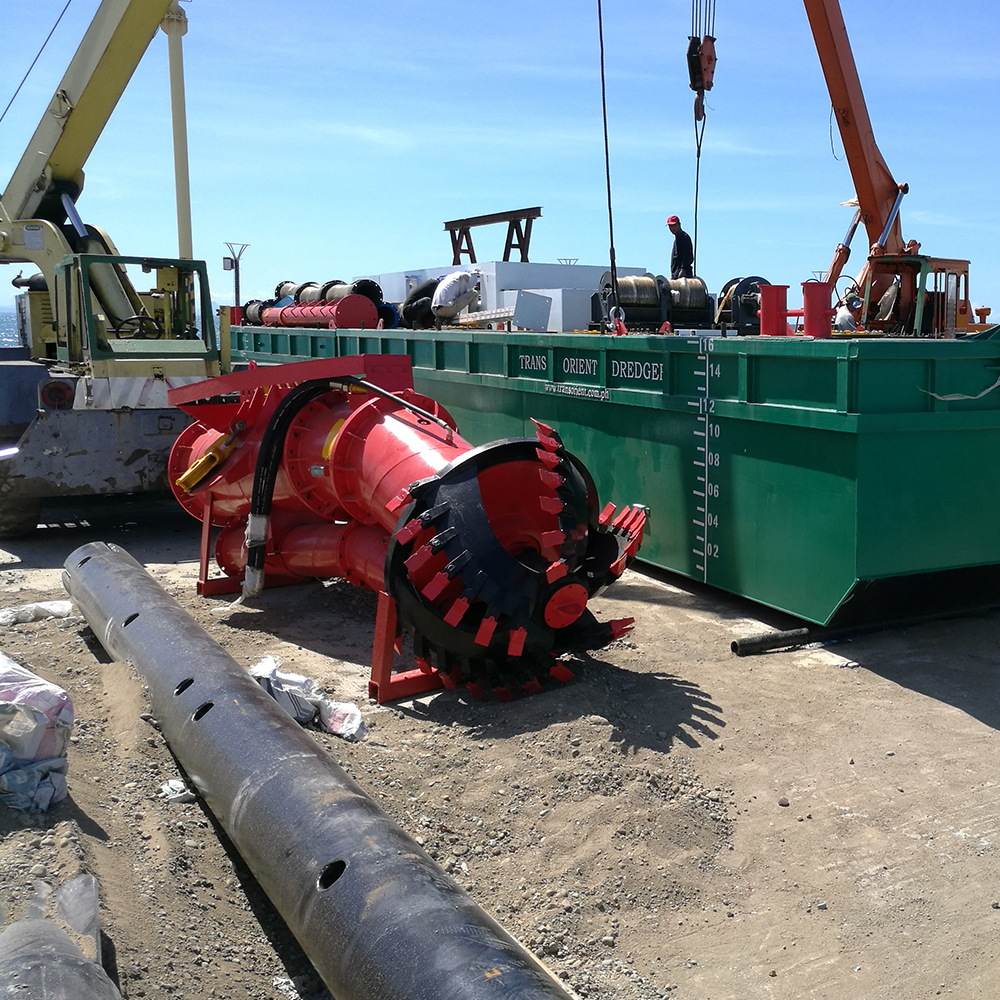
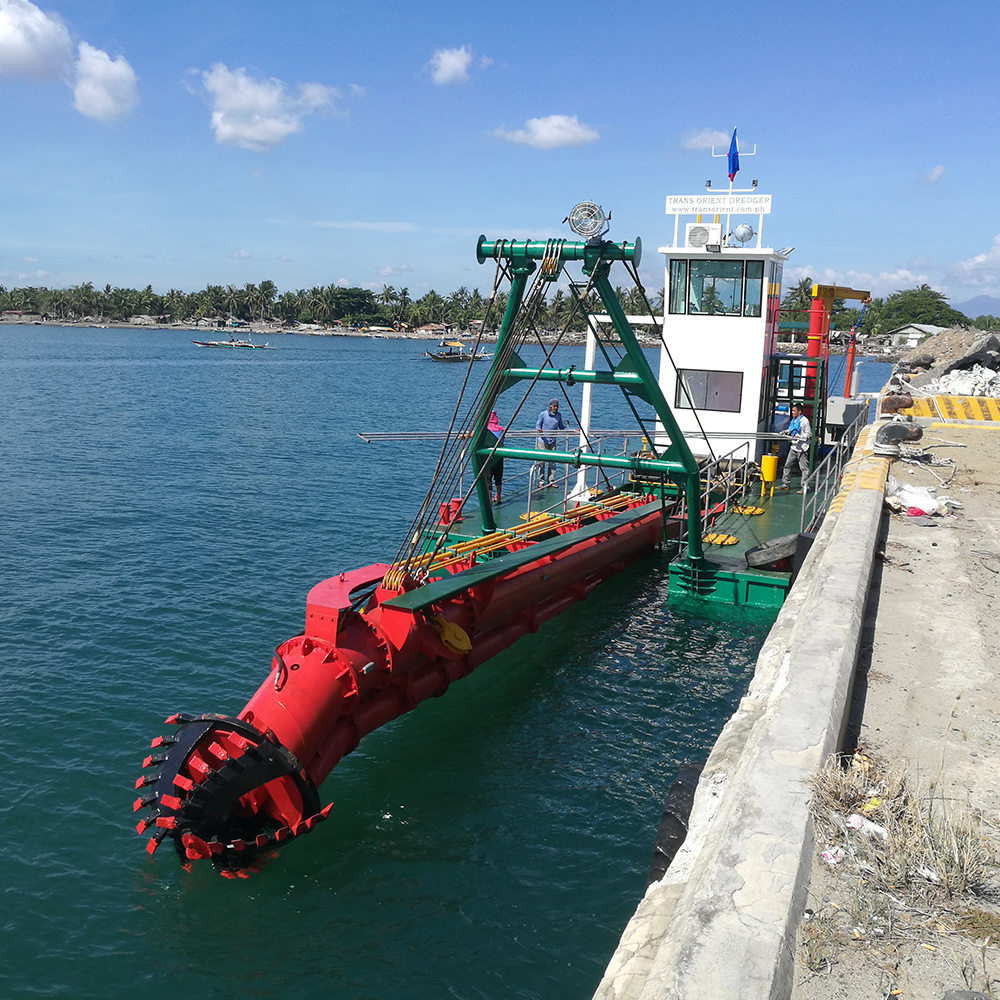
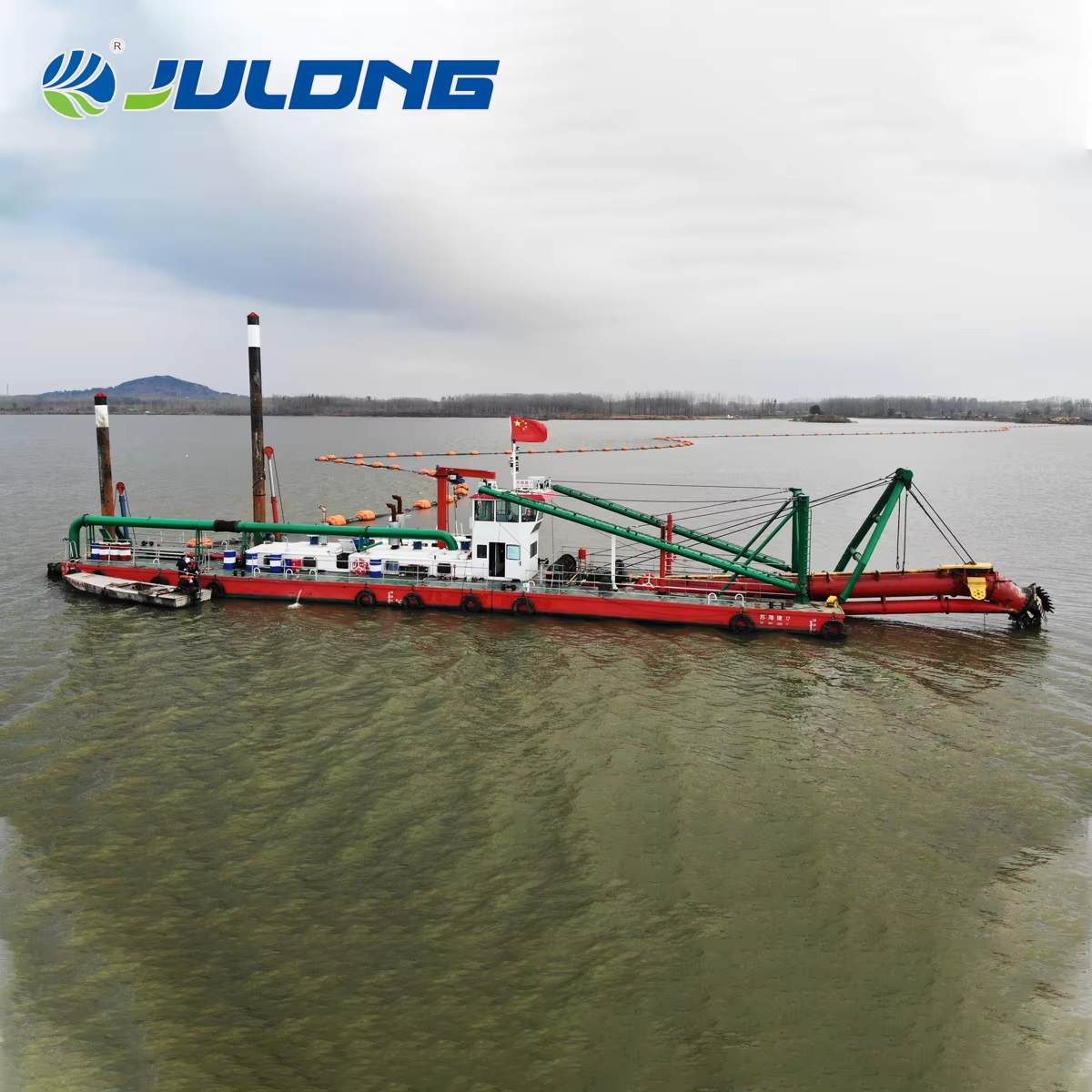
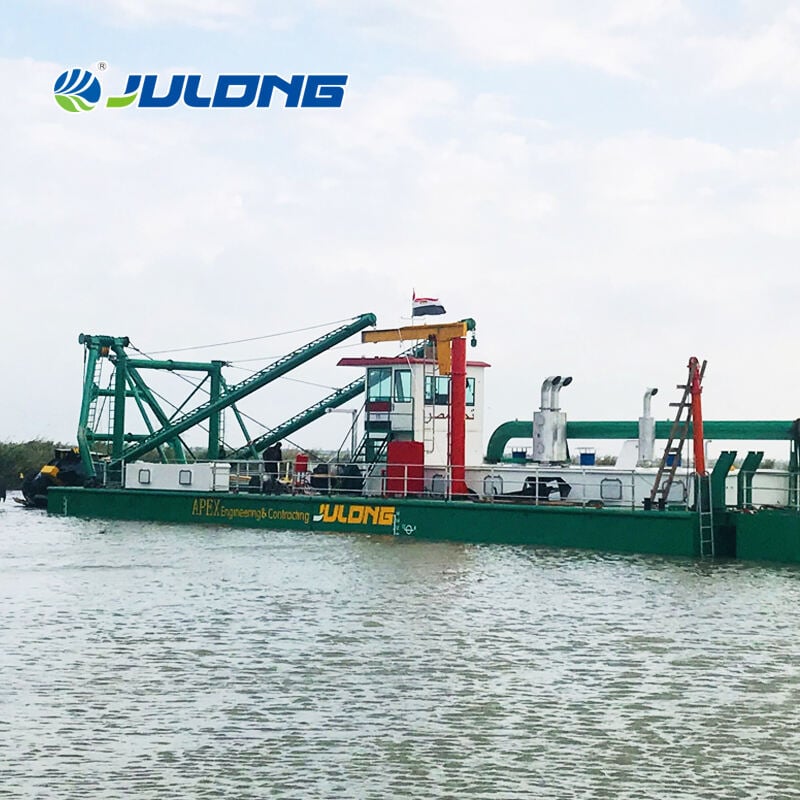
A cutterhead suction dredge is an essential piece of equipment used primarily in dredging operations to excavate material from underwater environments. This type of dredge utilizes a rotating cutterhead to break up sediment, which is then suctioned into a pipeline for transport. As a purchasing manager or engineer, understanding the selection criteria and cost factors associated with cutterhead suction dredges is crucial for ensuring that you acquire the right equipment for your project needs. This article will provide insights into choosing the right cutterhead suction dredge, understanding cost factors, installation guidance, essential buyer considerations, and how to ensure quality in your purchase.
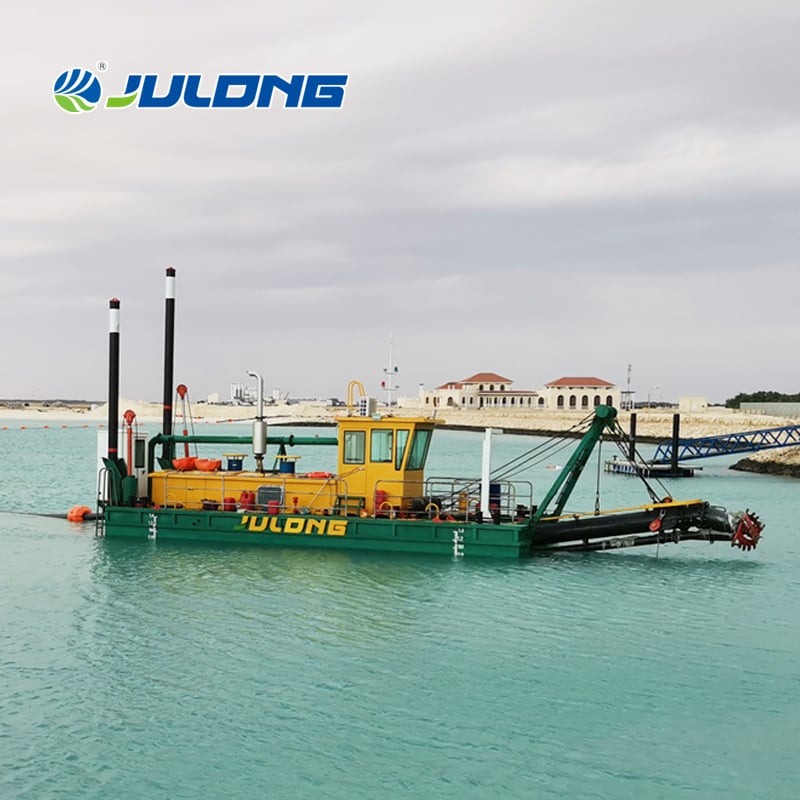

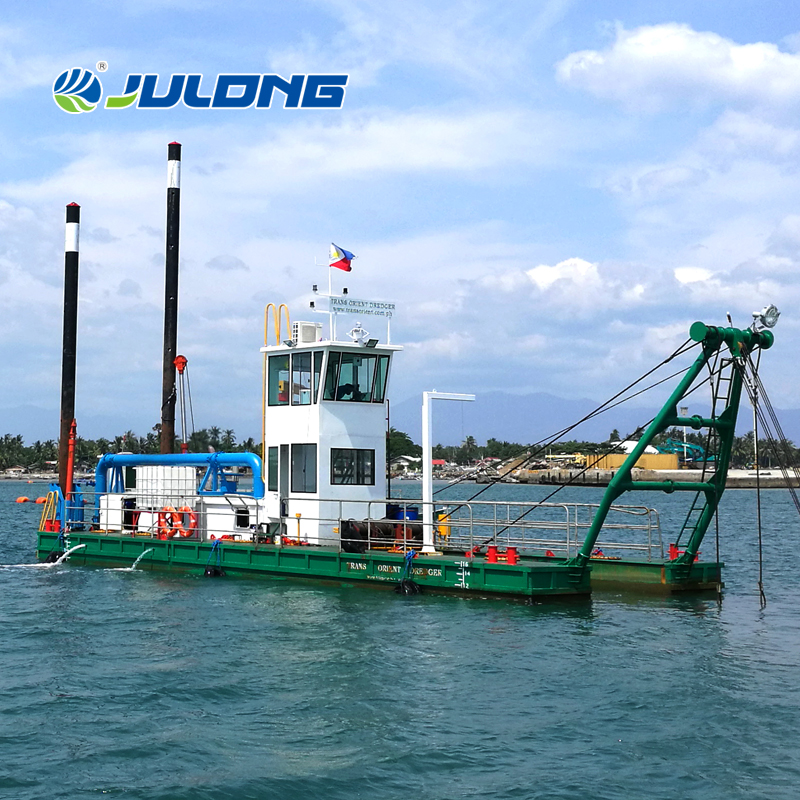


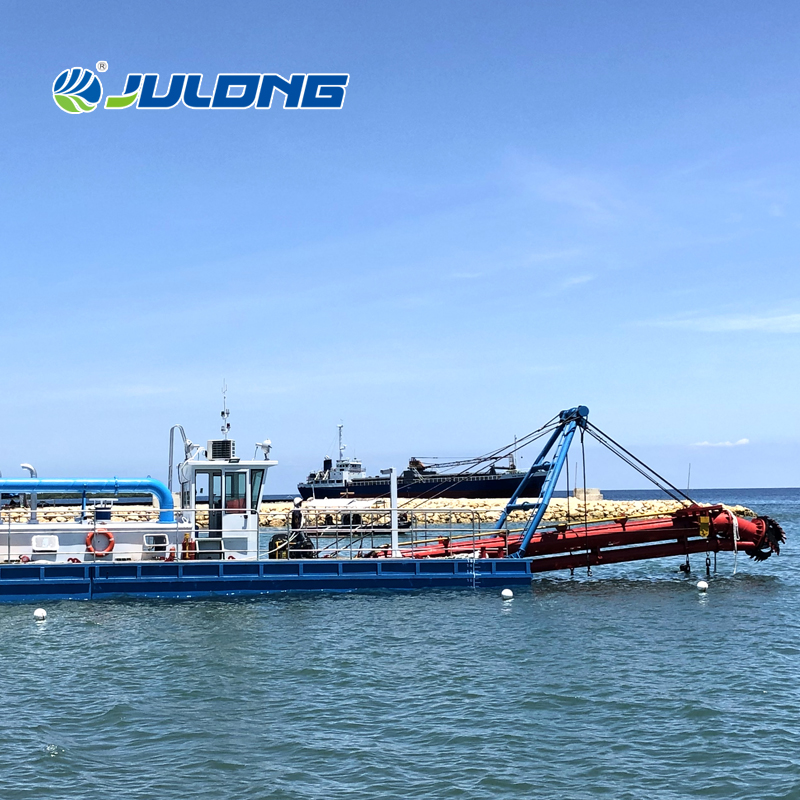


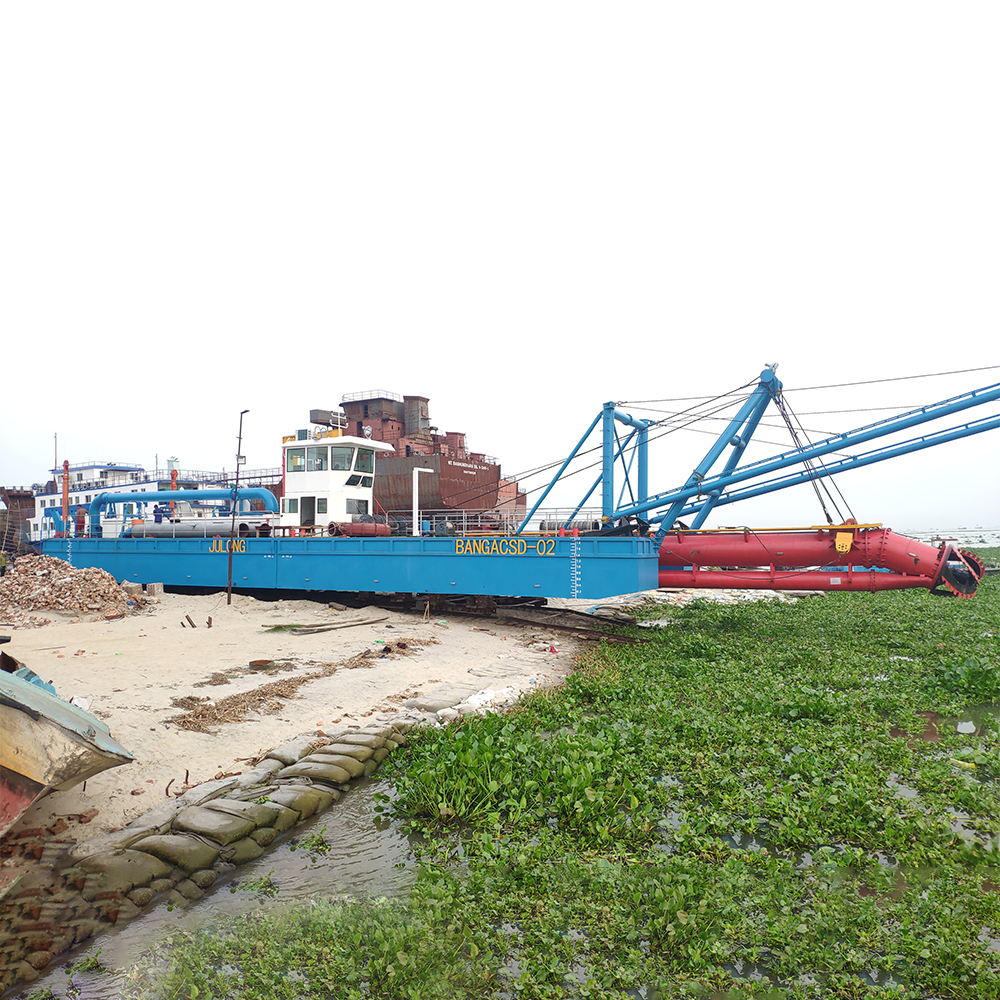
Understanding the Cost Factors of Cutterhead Suction Dredges
The cost of a cutterhead suction dredge can vary significantly based on several key factors. First and foremost, the size and capacity of the dredge directly influence its price. Larger dredges with advanced capabilities typically come at a premium due to the increased material and labor costs associated with their manufacture.
Another critical factor is the materials used in construction. High-quality materials that withstand harsh marine environments will have a higher upfront cost but can result in lower maintenance and replacement expenses over time. Certifications from international classification societies, like those held by JULONG, can also impact pricing, as they often necessitate adherence to strict manufacturing standards.
Finally, additional features such as automation technology, advanced control systems, and custom attachments can increase the overall cost. Buyers should consider these factors in relation to their project budget and long-term operational costs to make informed purchasing decisions.