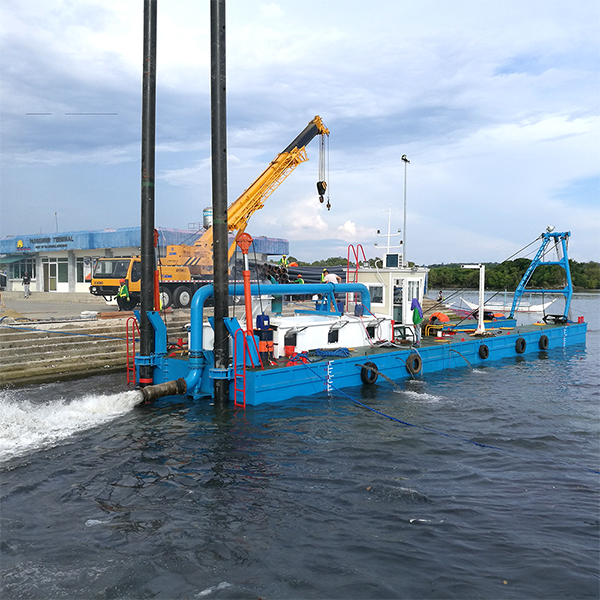
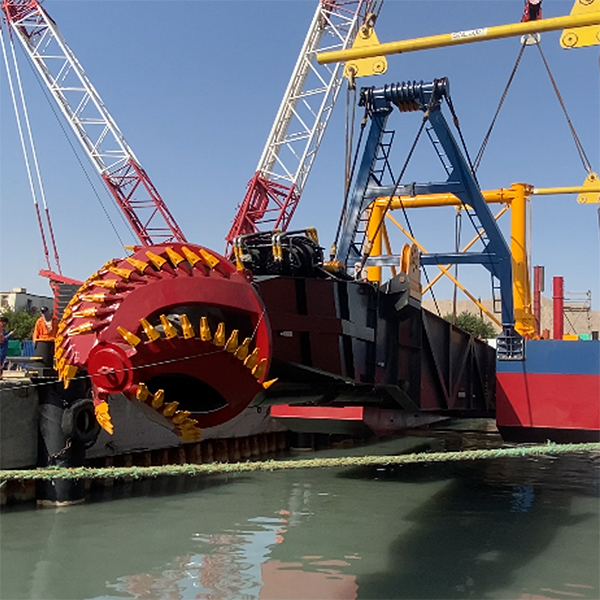
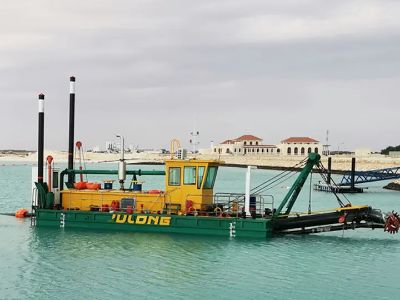
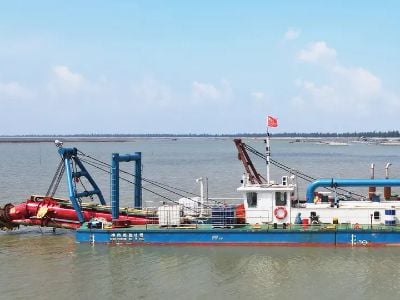
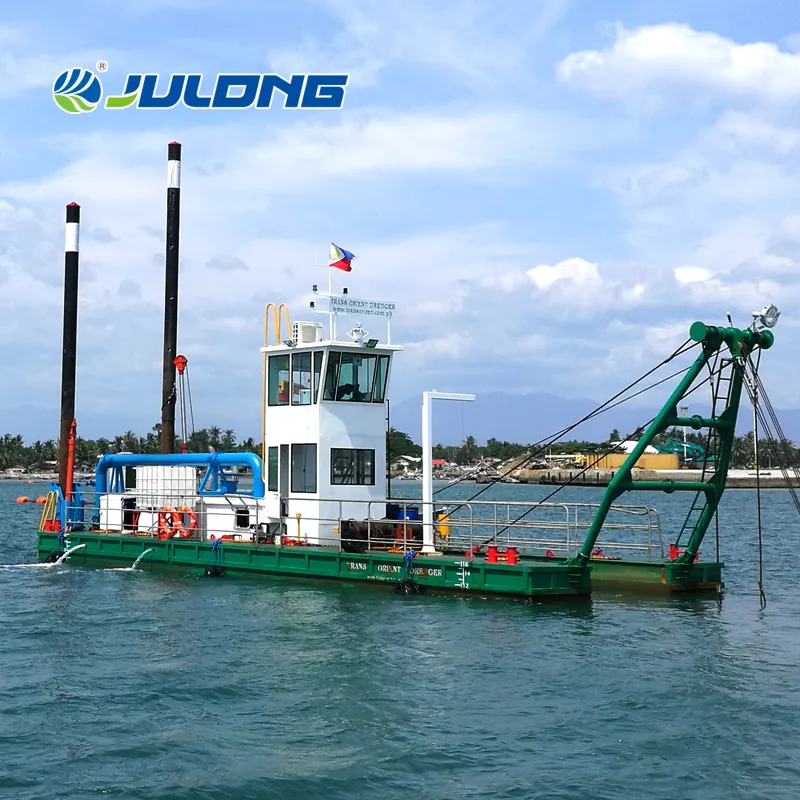
Dredge cutters are essential tools used in water management projects to efficiently remove sediment and debris from the seabed, rivers, lakes, and other water bodies. For B2B buyers such as purchasing managers, distributors, and engineers, understanding the various aspects of dredge cutters is crucial for making informed decisions. This article will explore what to look for when purchasing dredger cutter, cost factors to consider, common problems and their solutions, where to find reliable suppliers, and application scenarios that demonstrate their importance in environmental protection projects.
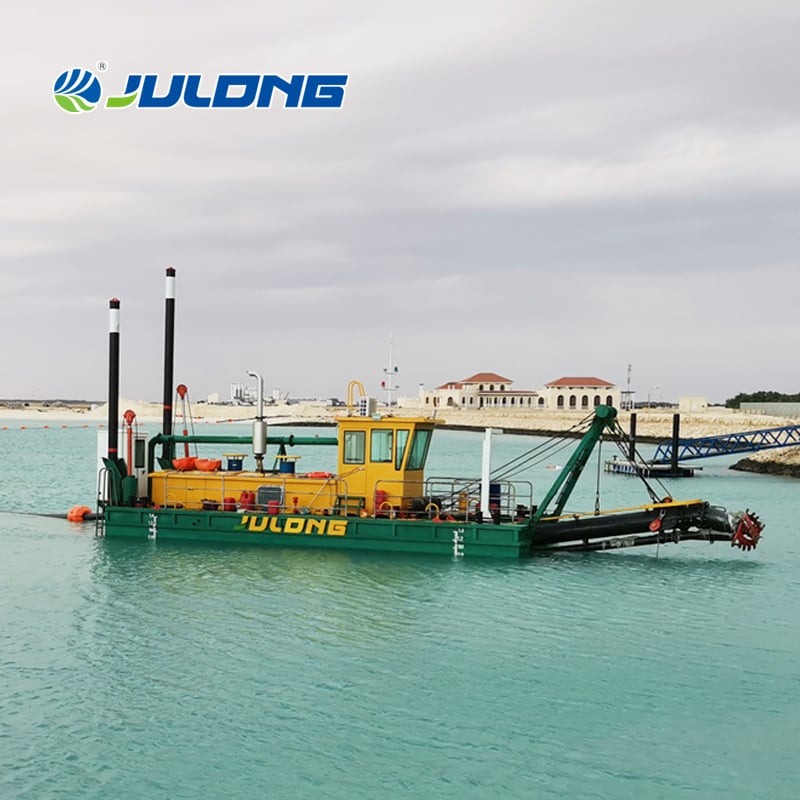

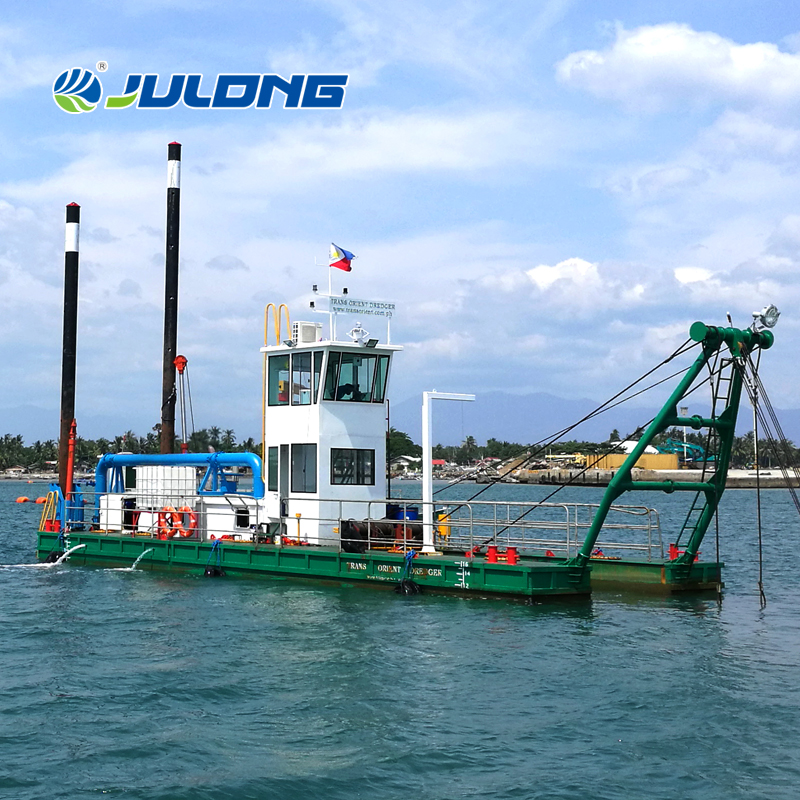




Cost Factors to Consider When Purchasing Dredge Cutters
The purchase price of dredge cutters can vary significantly based on several factors:
Material Quality: High-quality materials may increase initial costs but can lead to lower maintenance and replacement costs over time.
Manufacturing Complexity: The intricacy of the cutter design and manufacturing processes can influence pricing. More complex designs that improve performance or durability may come at a premium.
Volume Orders: Many reliable suppliers offer discounts for bulk orders. Understanding the minimum order quantity (MOQ) and discussing potential price breaks for larger purchases can help buyers manage costs effectively.
Shipping and Handling: Depending on the location and the supplier's shipping policies, transportation costs can affect the overall price. It’s essential to consider these costs during the budgeting phase.
Lead Time: Longer lead times may require buyers to invest in temporary solutions, which can add to the total project costs. Therefore, consider the delivery timeline when evaluating reliable suppliers.