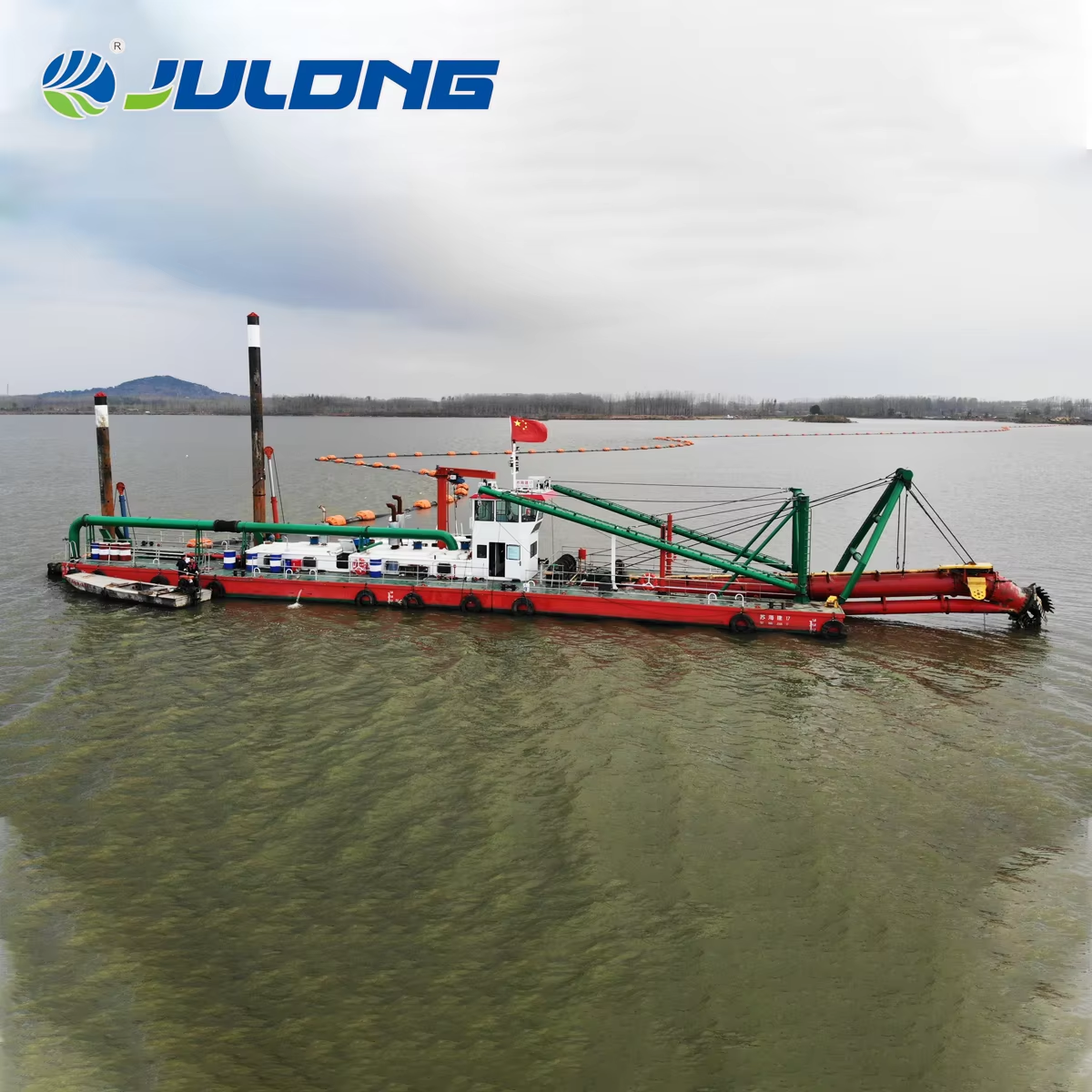
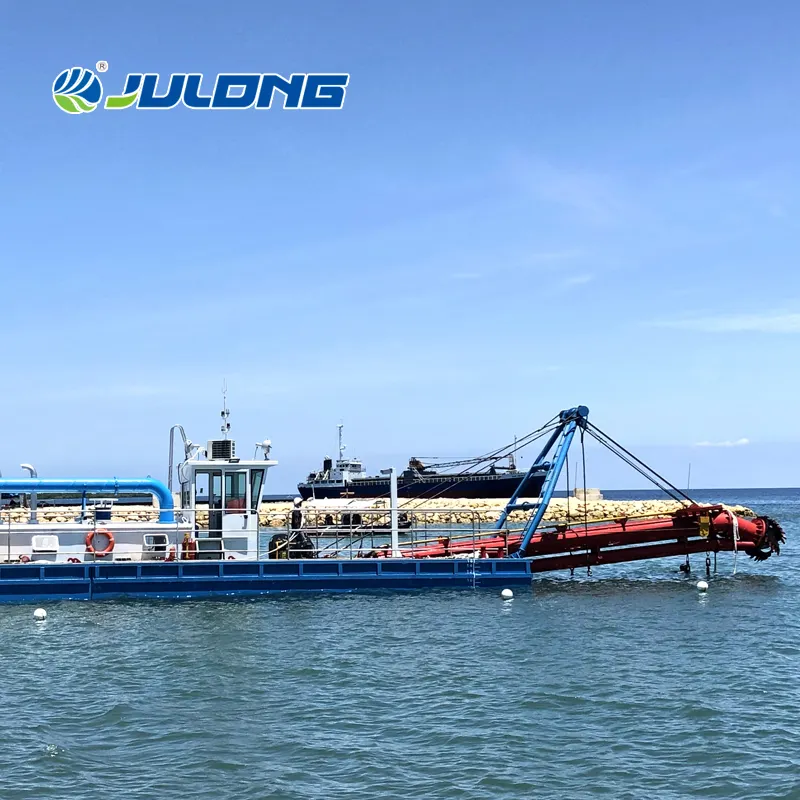
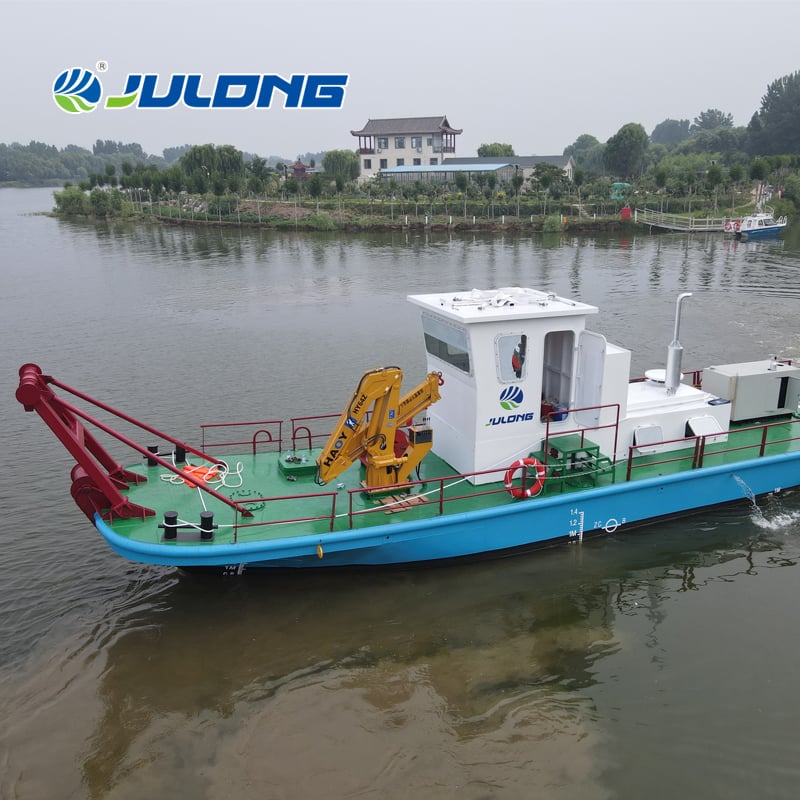
When searching for dredge equipment for sale, B2B buyers need to consider various factors that will affect their project’s success. Julong water injection dredgers plays a critical role in environmental protection, sediment removal, and water management. It’s essential for potential buyers, including purchasing managers and engineers, to understand the specifications, applications, and potential issues associated with this equipment. This article will guide you through choosing the right dredge equipment, essential specifications, reliable suppliers, cost factors, and common problems along with their solutions.
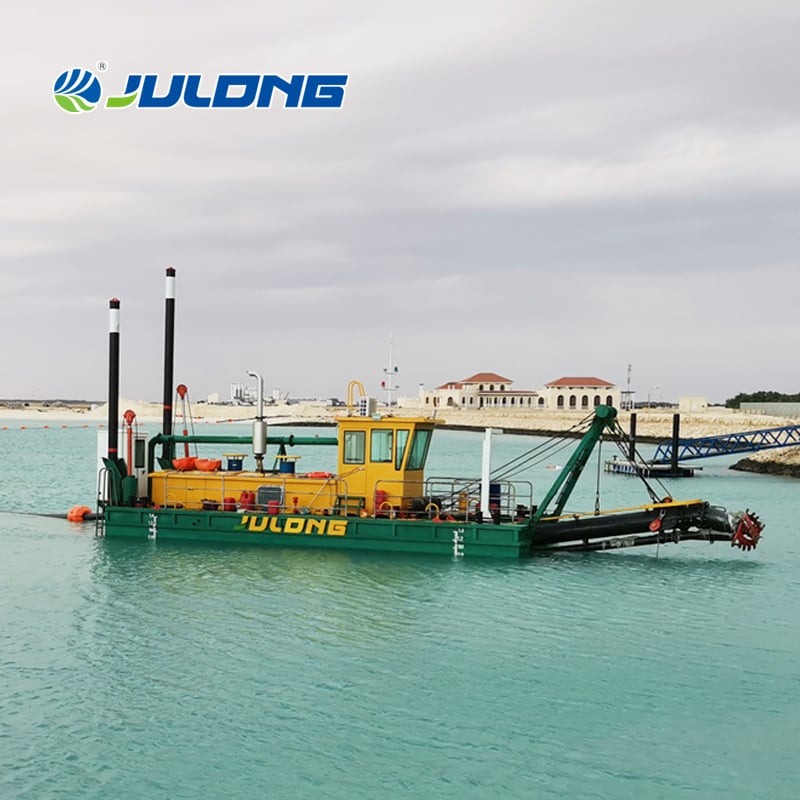

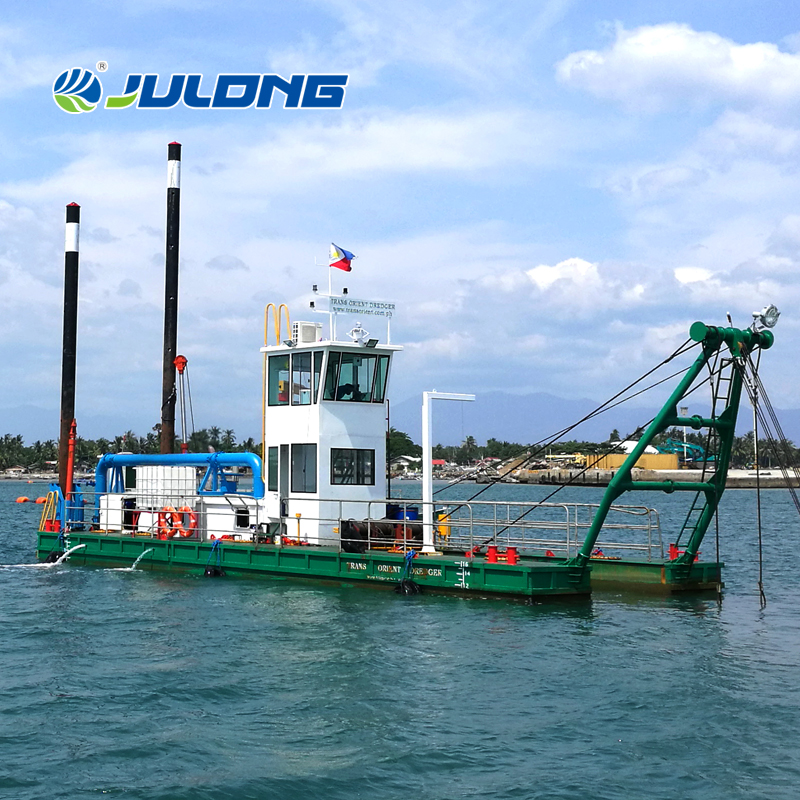


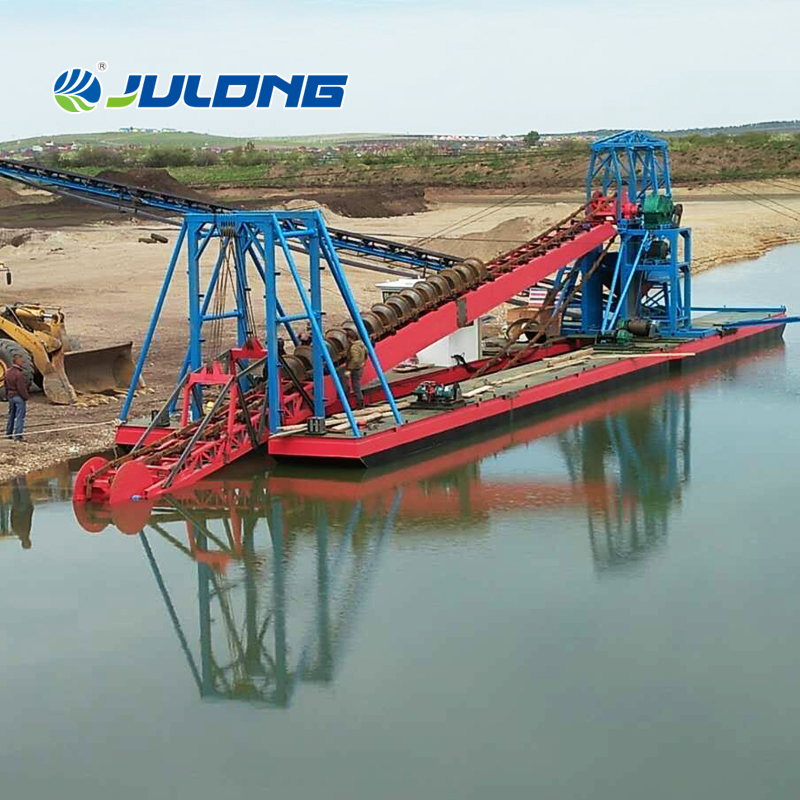


Essential Specifications for Dredge Equipment Buyers
When evaluating dredge equipment for sale, it is crucial to focus on key specifications that will impact its performance and suitability for your project:
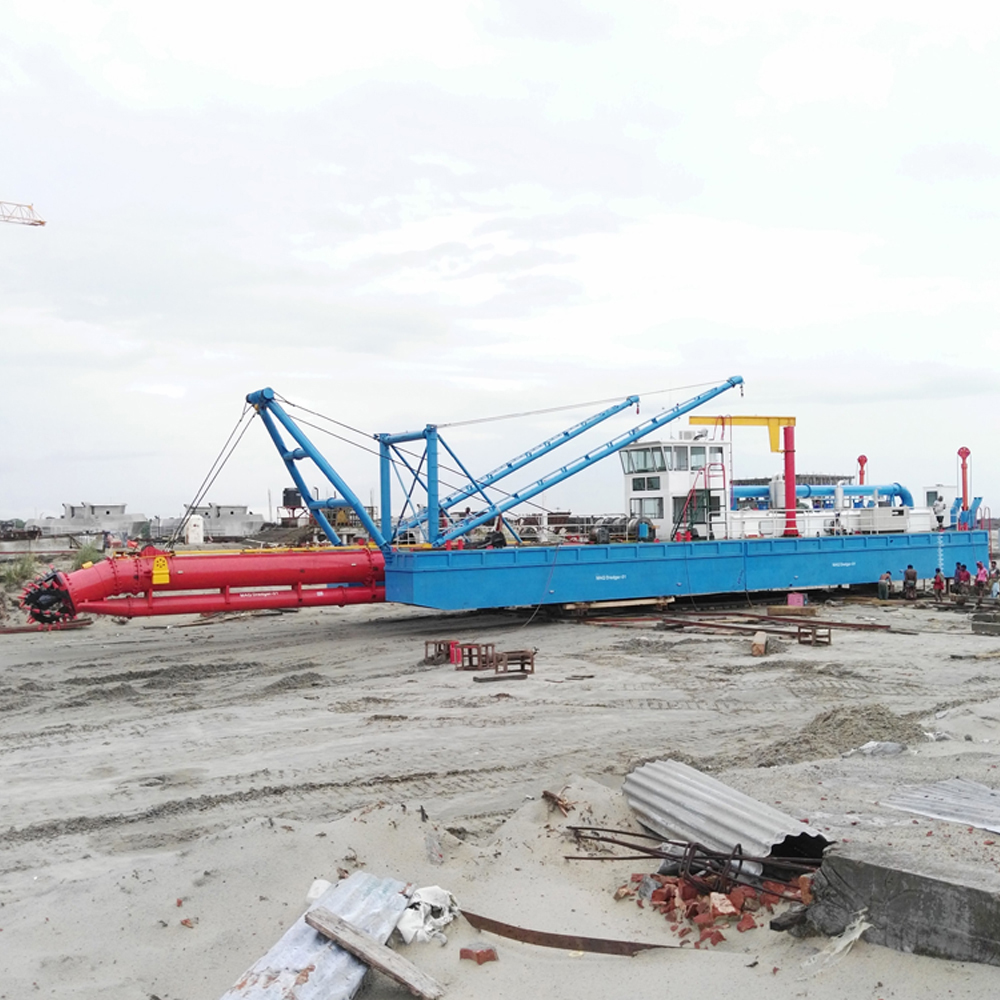
Pump Capacity: This specification indicates the volume of material the dredge can move per hour, which directly affects project timelines and efficiency. Ensure it matches your project’s requirements.
Dredging Depth: Different dredges have varying operational depths. Select a model that can operate efficiently at the required depth to avoid inefficiencies or equipment damage.
Cutter Head Design: The type of cutter head influences the dredge's ability to handle different materials. A robust design is essential for breaking up compacted materials and ensuring smooth operation.
Material Construction: The materials used in construction should be resistant to corrosion, especially for projects involving saltwater or contaminated sediments. Verify that the dredge is made from high-quality, durable materials.
Certification and Compliance: Ensure that the equipment meets international standards and certifications for safety and performance. This is crucial for ensuring reliability and compliance with environmental regulations.
Understanding these specifications will help you assess different dredge models and ensure they align with your project needs.