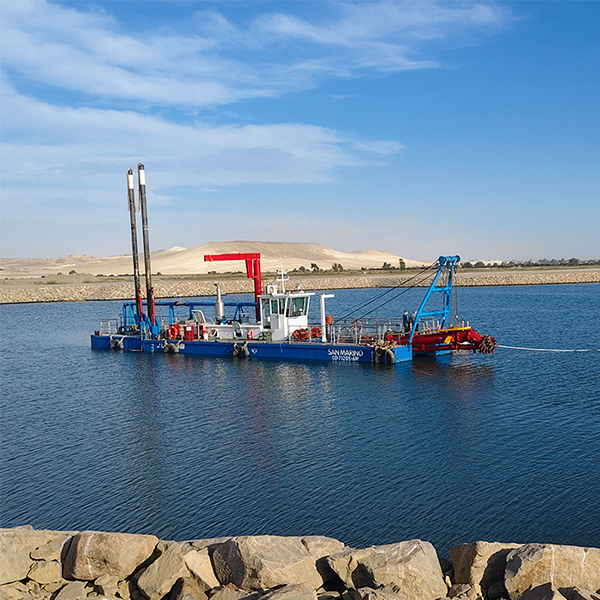
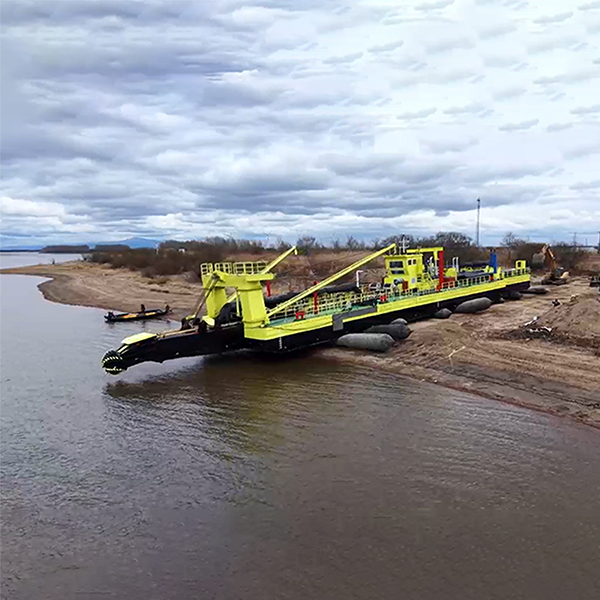
Dredging is a critical operation in various industries, involving the removal of sediment and debris from water bodies to maintain navigable waterways, improve water quality, and support construction projects. As a wholesale buyer, understanding the intricacies of dredging equipment is essential for making informed purchasing decisions at Julong. This article will clarify key specifications, address common concerns, and explore the diverse applications of dredging machine, ensuring that purchasing managers and contractors are well-equipped to source reliable solutions for their projects.

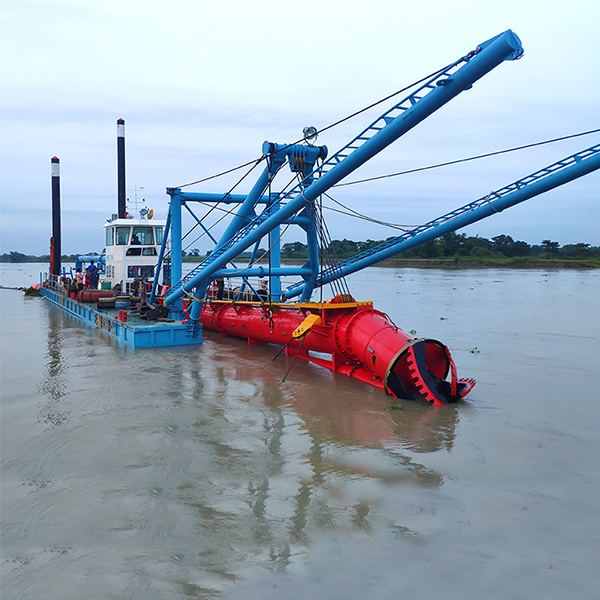
What Buyers Need to Know?
Before making a purchase, buyers should gather essential information to streamline the procurement process and avoid common pitfalls. Key considerations include:
Requesting Quotations: When reaching out to suppliers for quotes, buyers should provide detailed information, including the type of dredging equipment required, specific project parameters, quantity, and any customization needs. This information allows suppliers to deliver accurate and competitive pricing.
Sample Approval: Before committing to mass production, it is advisable to request a sample of the dredging equipment. Testing a sample under actual operating conditions helps verify compatibility with existing systems and ensures the equipment meets performance expectations.
Lead Time and Minimum Order Quantity (MOQ): Understanding the lead time for production and delivery is essential for project planning. Additionally, buyers should inquire about Julong, as some suppliers may have minimum order requirements that could affect procurement strategies.
Quality Inspection: Establishing clear quality inspection criteria before placing an order can help mitigate risks associated with defects or non-compliance. This may include requirements for material testing, dimensional accuracy, and operational performance checks.
By being thorough in these areas, buyers can minimize risks and ensure a smooth purchasing process.