dredging machinery-0

Evaluating Dredging Machinery for Optimal Performance

  • No. 66, Changping Street, Xinchang Street, Weifang High-Tech Zone, Shandong Province, China
  • [email protected]

Get a Free Quote

Our representative will contact you soon.
Email
Mobile
Name
Company Name
Message
0/1000

Dredging machinery

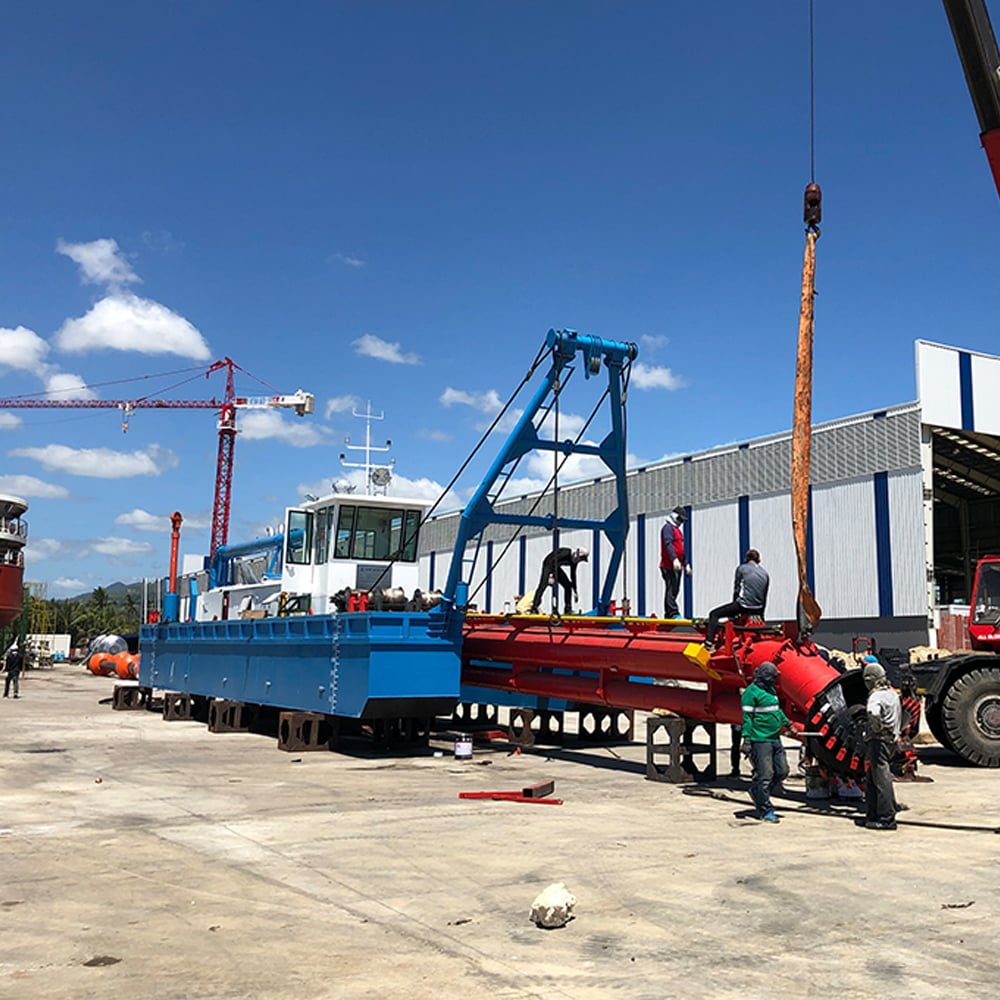
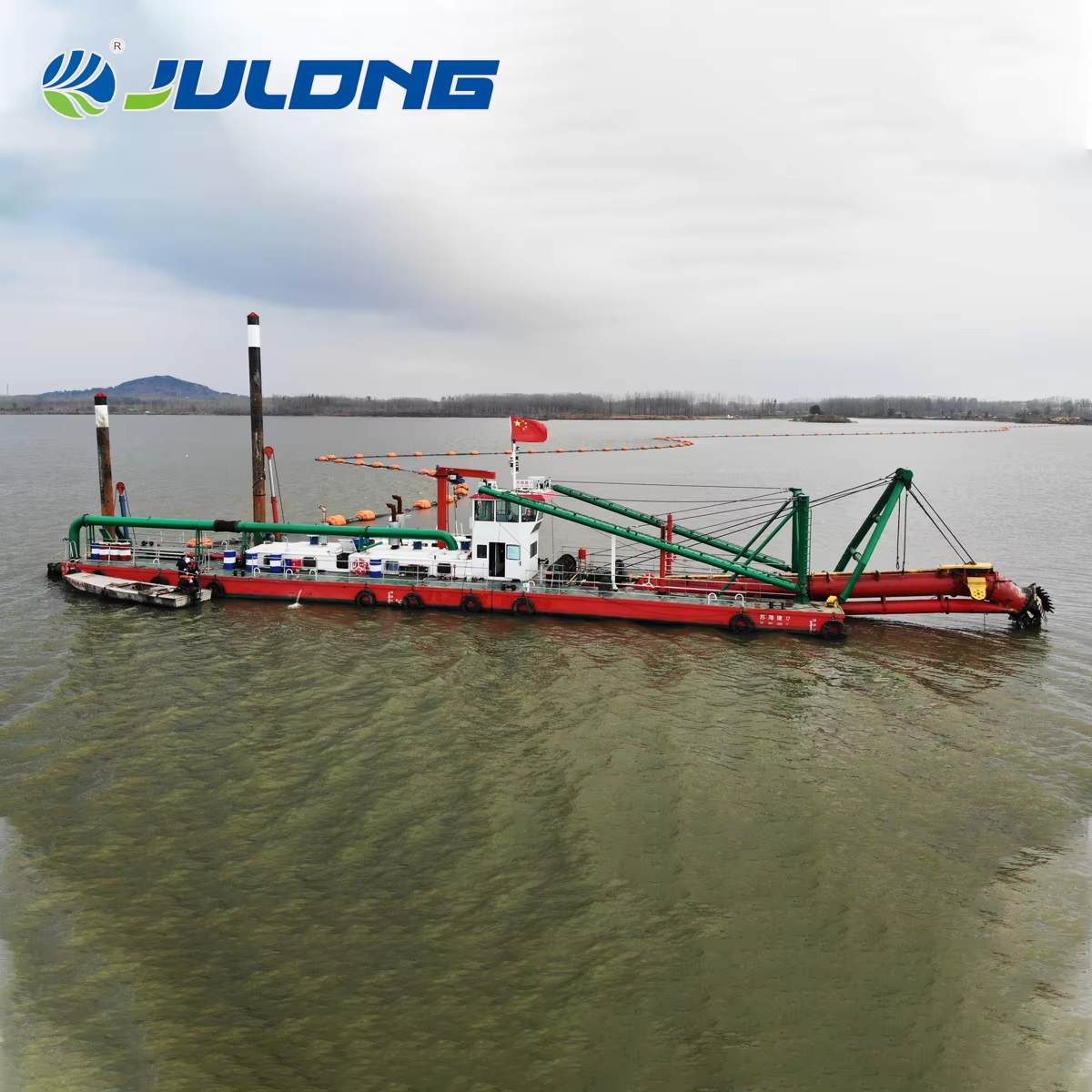
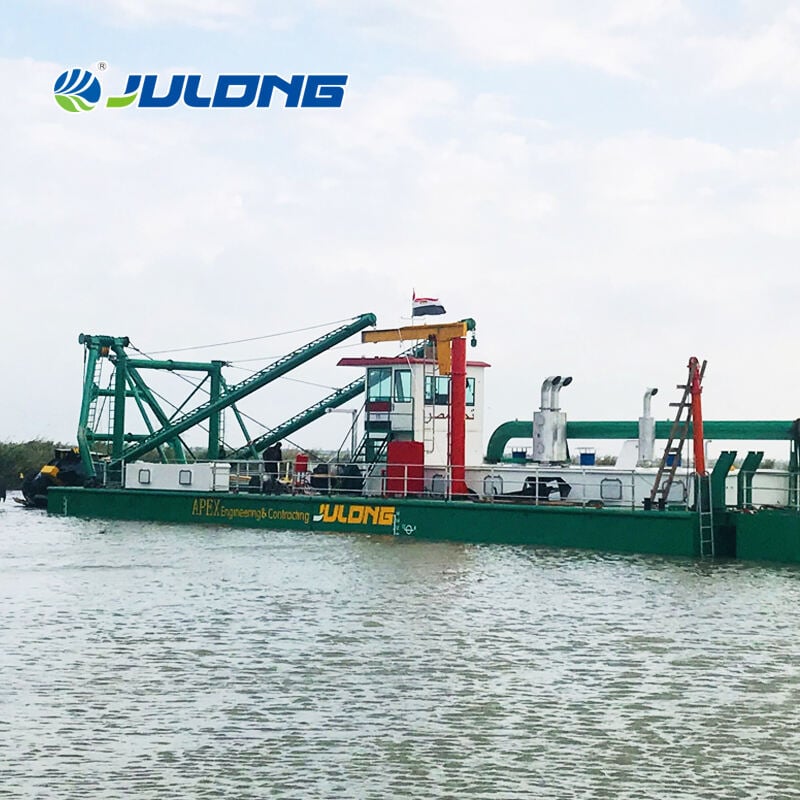
Dredging machinery plays a pivotal role in maintaining and restoring water bodies, ensuring environmental protection and navigation. For B2B buyers, including purchasing managers and engineers, the primary concerns typically revolve around equipment specifications, reliability, and supplier credibility. This article will provide insights on evaluating dredging machinery, sourcing reliable suppliers, installation guidance, addressing common project challenges, and the technical expertise underpinning effective Julong dredging machinery solutions.

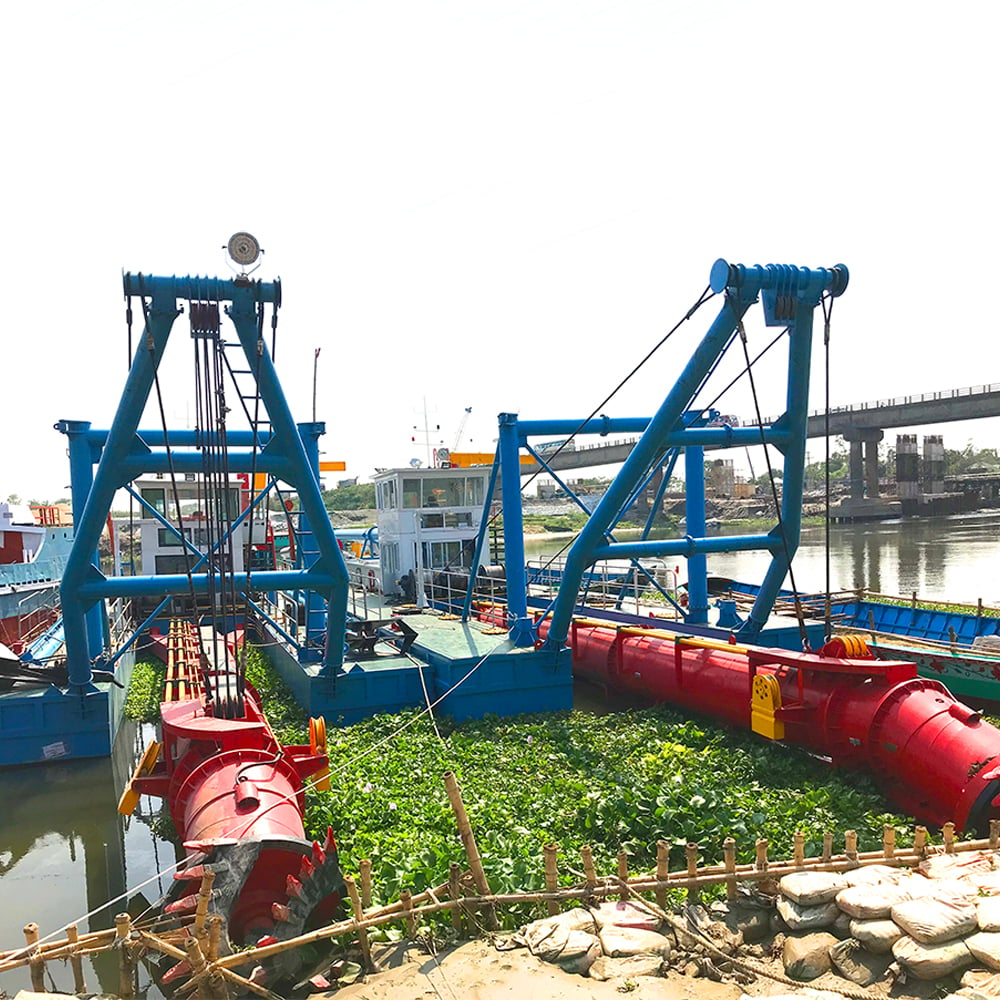
Our Products

Where to Source Reliable Suppliers for Dredging Equipment

Where to Source Reliable Suppliers for Dredging Equipment

Finding reliable suppliers for dredging machinery involves thorough research and evaluation. Here are several strategies to identify trustworthy manufacturers: 

Industry Associations and Certifications: Look for suppliers with certifications from recognized industry bodies, such as the International Marine Contractors Association (IMCA) or compliance with ISO standards. These certifications often indicate a commitment to quality and safety. 

Networking and Referrals: Engaging with industry professionals, attending trade shows, and joining relevant forums can provide valuable insights into reputable suppliers. Recommendations from peers who have firsthand experience can guide you toward reliable manufacturers. 

Supplier Audits: Consider conducting audits of potential suppliers to assess their manufacturing capabilities, quality control processes, and production equipment. This step ensures that the supplier can meet your specific requirements and standards. 

Request for Quotation (RFQ): When reaching out to suppliers, include detailed specifications and requirements in your RFQ. This not only streamlines the process but also allows you to compare responses effectively. 

Trial Orders: Before committing to large purchases, consider placing a small trial order to evaluate the supplier’s responsiveness, product quality, and delivery times. 

By taking a systematic approach to supplier evaluation, buyers can mitigate risks and ensure they partner with manufacturers capable of delivering high-quality dredging machine.
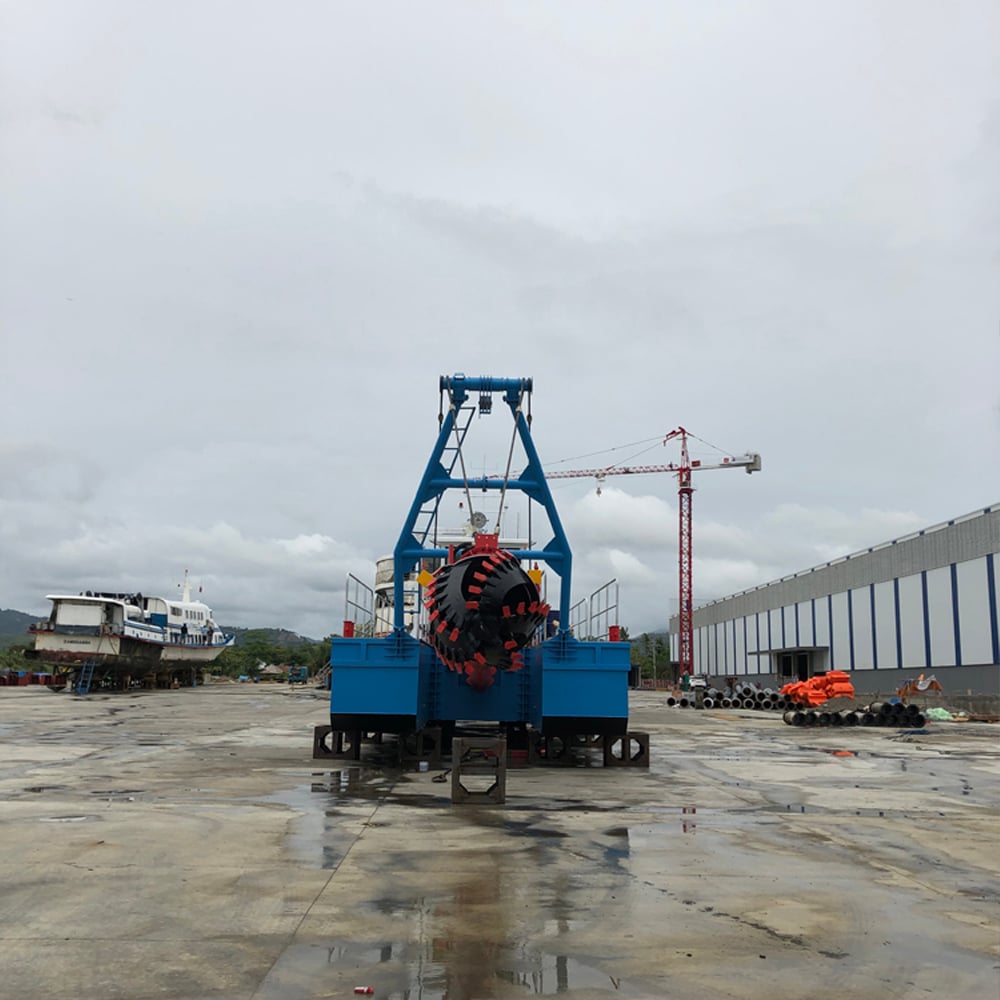
Installation Guidance for Efficient Dredging Equipment Use

Installation Guidance for Efficient Dredging Equipment Use

Proper installation of dredging machinery is critical for optimal performance and longevity. Buyers should consider the following guidelines to facilitate efficient installation: 

Site Assessment: Conduct a thorough site assessment to identify potential obstacles, such as underwater topography or existing structures, that may affect installation. This will help in planning the logistics and ensuring compatibility. 

Professional Installation Services: Engaging experienced professionals for installation can prevent costly mistakes.  Ensure that the installation team is familiar with the specific dredging machinery equipment being used. 

Equipment Calibration: After installation, it’s essential to calibrate the machinery according to operational requirements. This includes setting up the dredging machinery depth, pump speed, and material handling configurations. 

Training for Operators: Providing training for operators is crucial. They should understand the machinery’s functionalities, maintenance requirements, and safety protocols to maximize performance and minimize downtime. 

Regular Maintenance: Establishing a maintenance schedule post-installation can enhance equipment reliability. Regular checks for wear and tear, along with timely servicing, can prolong the life of dredging machinery. 

By following these installation guidelines, buyers can ensure that their dredging machinery operates efficiently from the outset, reducing potential operational issues.

Common Problems in Dredging Projects and Their Solutions

Common Problems in Dredging Projects and Their Solutions

Dredging projects can present various challenges. Understanding these common issues and their solutions can help buyers anticipate and address problems effectively: 

Material Composition Variability: Different soil and sediment types can affect dredging efficiency. Conducting pre-dredging surveys can provide insights into material composition, allowing for tailored equipment adjustments. 

Equipment Breakdown: Mechanical failure can halt operations and lead to significant delays. Regular maintenance and investing in high-quality components can mitigate breakdown risks. 

Environmental Compliance: Dredging activities often require adherence to environmental regulations. Ensure that the machinery meets relevant environmental standards to avoid potential fines or project delays. 

Logistical Challenges: Transporting dredged materials can be complex. Planning logistics in advance, including routes and disposal sites, can streamline operations and reduce costs. 

Weather Conditions: Adverse weather can disrupt cutter suction dredging activities. Implementing contingency plans and flexible scheduling can help manage weather-related delays effectively. 

By being aware of these potential challenges and preparing solutions in advance, buyers can enhance the success rate of their dredging projects.

Technical Expertise Behind Our Dredging Machinery Solutions

Our commitment to developing advanced dredging machinery is rooted in collaboration with leading universities and extensive industry research. Our technical expertise encompasses several critical areas: 

Patented Technologies: Our dredging machinery incorporates patented technologies that enhance operational efficiency and reduce environmental impact. These innovations can provide a competitive edge in various applications. 

Quality Control Processes: Our manufacturing capabilities are backed by stringent quality control measures and certifications from international classification societies. This ensures that our equipment meets global standards for performance and reliability. 

Customization Capabilities: Understanding that every project has unique requirements, we offer customization options for our dredging machinery. This adaptability ensures our products align precisely with the specific needs of our clients. 

Research and Development: Continuous investment in R&D allows us to stay at the forefront of technological advancements in dredging. Our team of experts is dedicated to innovating solutions that address the evolving challenges faced in the water environmental protection sector. 

Global Export Markets: Our experience in international markets enables us to navigate regulatory requirements effectively, ensuring compliance and successful project execution across diverse regions. 

By leveraging our technical expertise, buyers can trust that JULONG’s dredging equipment solutions are designed to meet stringent operational demands while supporting environmental sustainability. 

How to Evaluate the Specifications of Dredging Machinery

When assessing Julong dredging machinery, buyers should focus on several key specifications that directly impact performance and suitability for specific applications. Important factors include shallow water dredging, pump capacity, and material handling capabilities. 

Dredging Depth: This specification indicates how deep the machinery can operate. It's crucial to align this with project requirements to ensure efficiency. Insufficient depth could lead to operational delays, while excessive depth may lead to unnecessary costs. 

Pump Capacity: Measured in cubic meters per hour (m³/h), this figure determines how much material can be moved in a given time. Buyers should consider the material's density and composition, as heavier materials require more powerful pumps. 

Material Handling: The type of material the dredging machinery can handle, such as sand, silt, or clay, affects both the selection process and operational efficiency. For instance, clays may require more robust machinery compared to lighter materials. 

Engine Power: The power of the engine is crucial for the overall efficiency of the dredging machinery process. Ensure that the engine meets the demands of the operation, considering both fuel efficiency and output. 

Durability and Materials: The materials used in constructing the machinery, such as high-strength steel or corrosion-resistant alloys, can significantly affect longevity and maintenance needs. Buyers should inquire about the materials used in critical components, as these will influence the total cost of ownership. 

Buyers are encouraged to request detailed technical documentation and performance data to validate these specifications before making a purchasing decision.

Frequently Asked Questions

What types of dredging machinery do you offer?

We supply cutter suction, backhoe, and trailing suction hopper dredgers, plus customized models for specific water environmental projects and site conditions.
Yes. Our equipment is certified by multiple international classification societies, meeting global safety and performance standards for worldwide deployment.
Absolutely. We collaborate with top universities to design patented, tailored solutions for depth, sediment type, mobility, and environmental constraints.
We offer installation guidance, commissioning, spare parts, on-site training, and remote technical support to ensure reliable long-term operation.
Our machines are engineered for efficient sediment management, reduced emissions and turbidity, and compliant operations to protect water quality and ecosystems.

Our Blog Posts

What Is a Dredger? Types, Applications, and Working Principles

01

Sep

What Is a Dredger? Types, Applications, and Working Principles

A dredger is a purpose-built boat or machine that is used to dig and remove sediment, trash, or other materials in underwater conditions to perform waterway maintenance, environmental safeguards, and infrastructure construction. JULONG has more than ...
View More
How Modern Dredgers Protect Water Environments?

29

Sep

How Modern Dredgers Protect Water Environments?

Julong modern dredgers have been designed with consideration of the water environment as the primary consideration, an aspect incorporated in the design and functionality features that reduce the ecological impact yet satisfy or meet the dredging req...
View More
Different Types of Dredgers and Their Applications

02

Mar

Different Types of Dredgers and Their Applications

Types Of Dredgers ExplainedOne of the most important dredging steps is cleaning them from debris and sediment, they found in rivers, lakes or oceans. There are many different types of dredgers that are used for different purposes in order to ensure s...
View More
What Is a Dredger? Types, Applications, and Working Principles

02

Mar

What Is a Dredger? Types, Applications, and Working Principles

Dredgers are amazing machines and if used properly they can keep our waterways healthy. These are just large scoopers that can scoop the sand, mud and other dirty things from the bottom of river, lake or sea. So let's jump into the world of dredger&n...
View More

Get a Free Quote

Our representative will contact you soon.
Email
Name
Company Name
Message
0/1000

Related Search

Evaluating Dredging Machinery for Optimal Performance Evaluating Dredging Machinery for Optimal Performance Evaluating Dredging Machinery for Optimal Performance
email goToTop