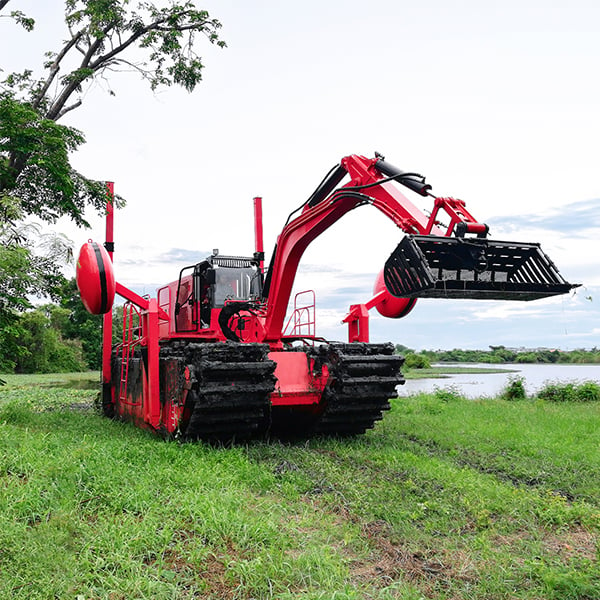
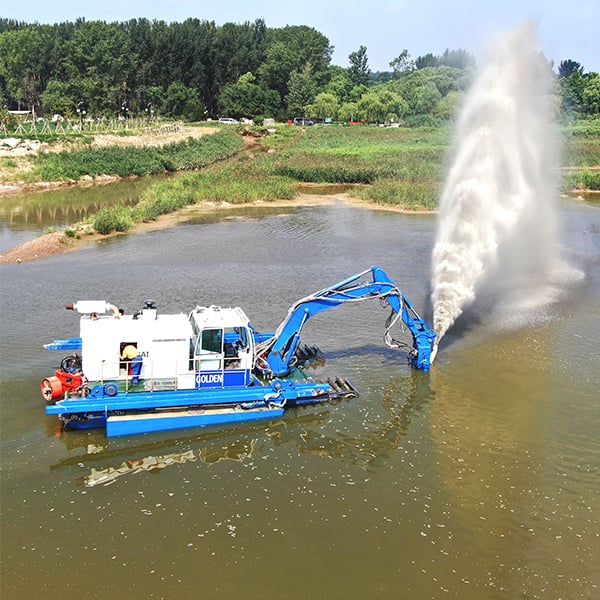
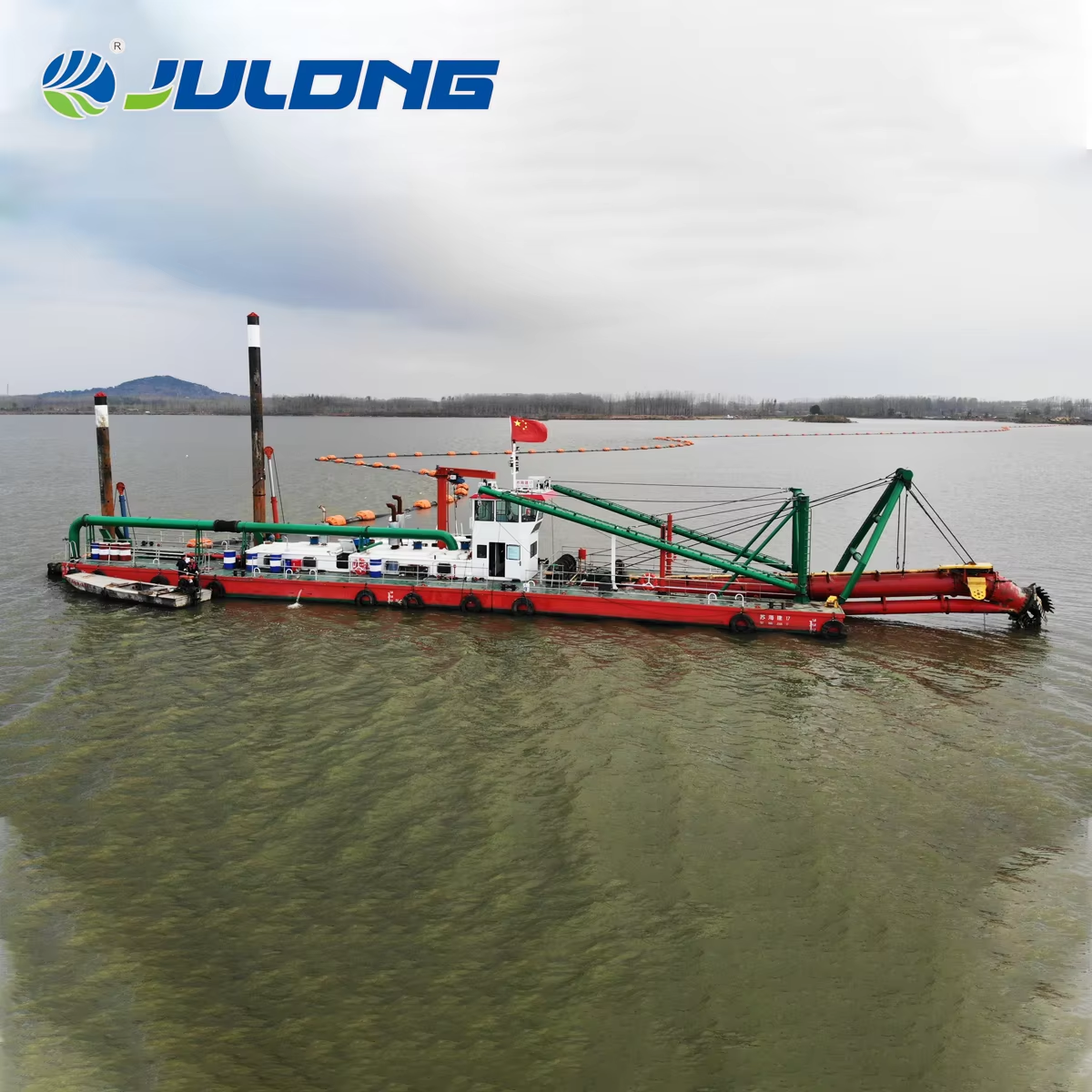
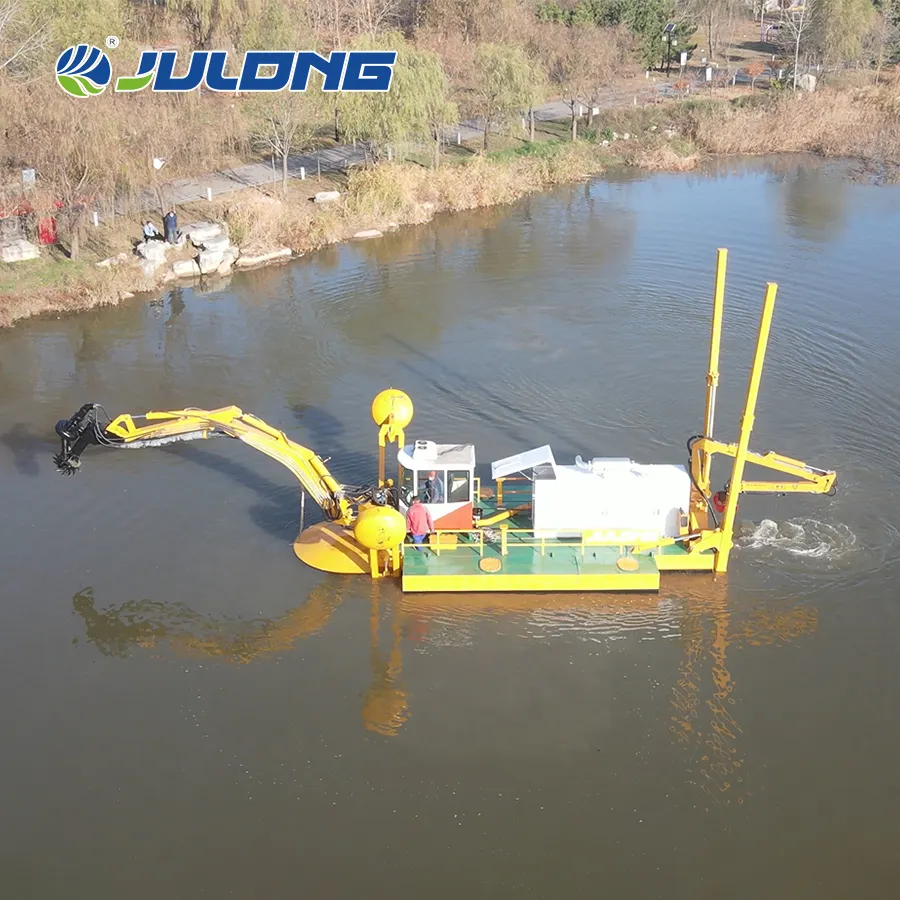
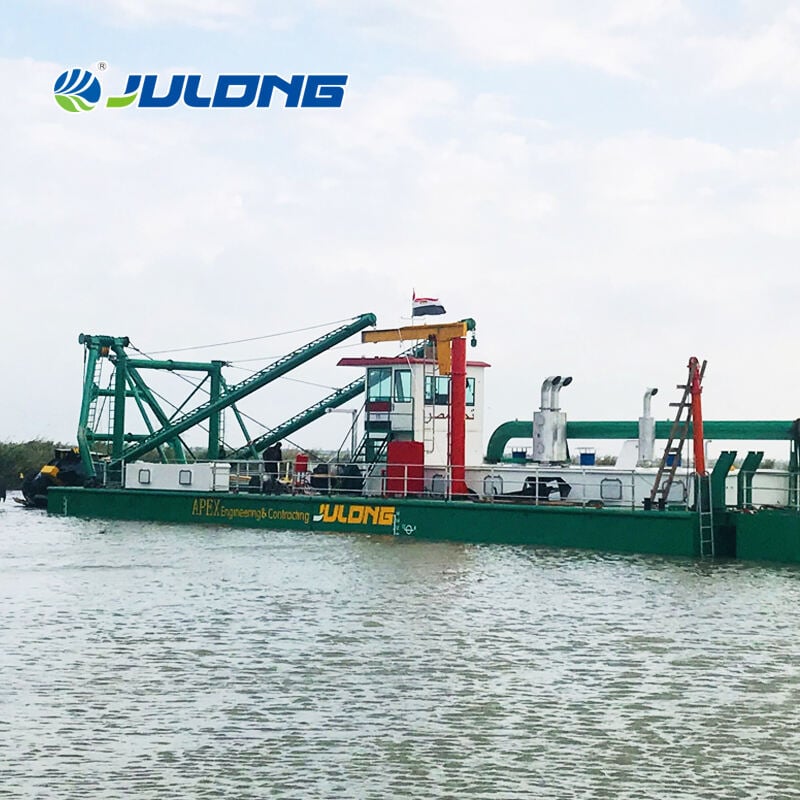
Choosing the right excavator dredger is crucial for successful projects in water environmental protection. As a specialized piece of equipment, an excavator dredger plays a pivotal role in various applications, such as dredging, sediment removal, and waterway maintenance. B2B buyers often have concerns regarding key specifications, material quality, cost factors for excavator dredgers, and long-term reliability when sourcing excavator dredgers. This article aims to provide practical insights and actionable guidance to help purchasing managers, engineers, and project managers make informed decisions.


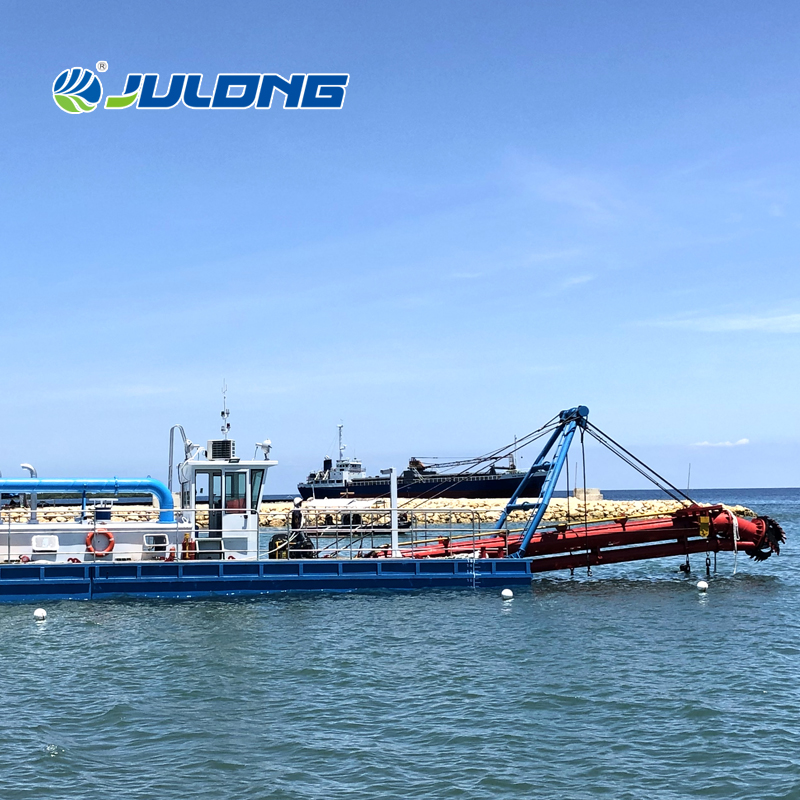


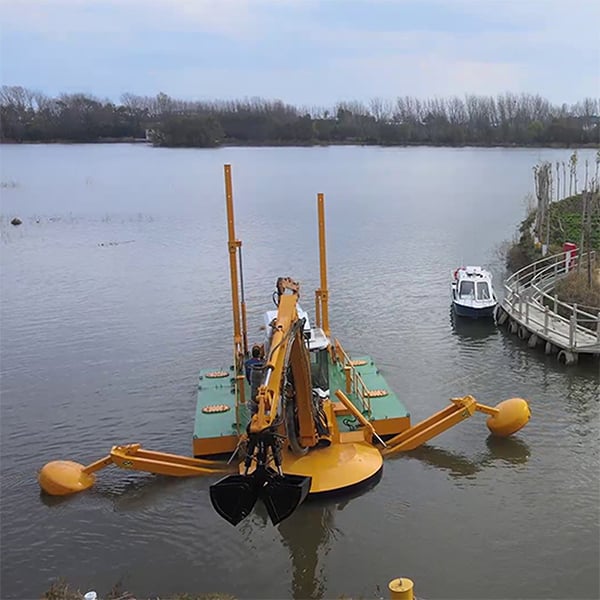
Key Specifications to Evaluate When Sourcing Excavator Dredgers
When evaluating excavator dredgers, certain specifications are critical to ensure optimal performance. Key factors include:
Dredging Depth and Reach: Ensure the excavator dredger meets the required depth specifications for your project. This is particularly important in river or lake dredging.
Pump Capacity: The pump’s flow rate will determine how efficiently it can remove materials. Higher flow rates can signify greater efficiency but may also increase energy costs.
Bucket Size: Depending on the material type, the bucket size will affect the volume of material moved per cycle. Larger buckets may be beneficial for bulk sediment, while smaller ones may provide greater precision.
Engine Power: The power of the engine impacts the dredger's overall performance and durability. A more robust engine can handle tougher operating conditions but may come with higher initial costs.
Reviewing these specifications against your project requirements will help you identify the most suitable excavator dredger.