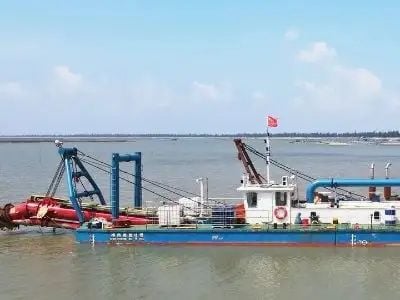
floating barge for sale-0

Guide to Choosing a Floating Barge for Sale

  • No. 66, Changping Street, Xinchang Street, Weifang High-Tech Zone, Shandong Province, China
  • [email protected]

Get a Free Quote

Our representative will contact you soon.
Email
Mobile
Name
Company Name
Message
0/1000

Floating barge for sale

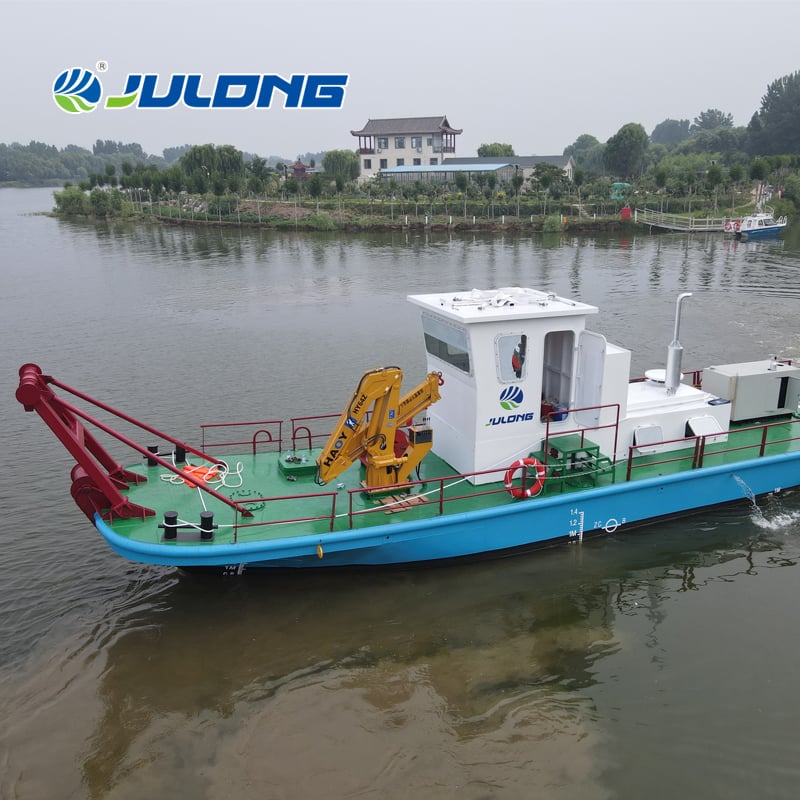
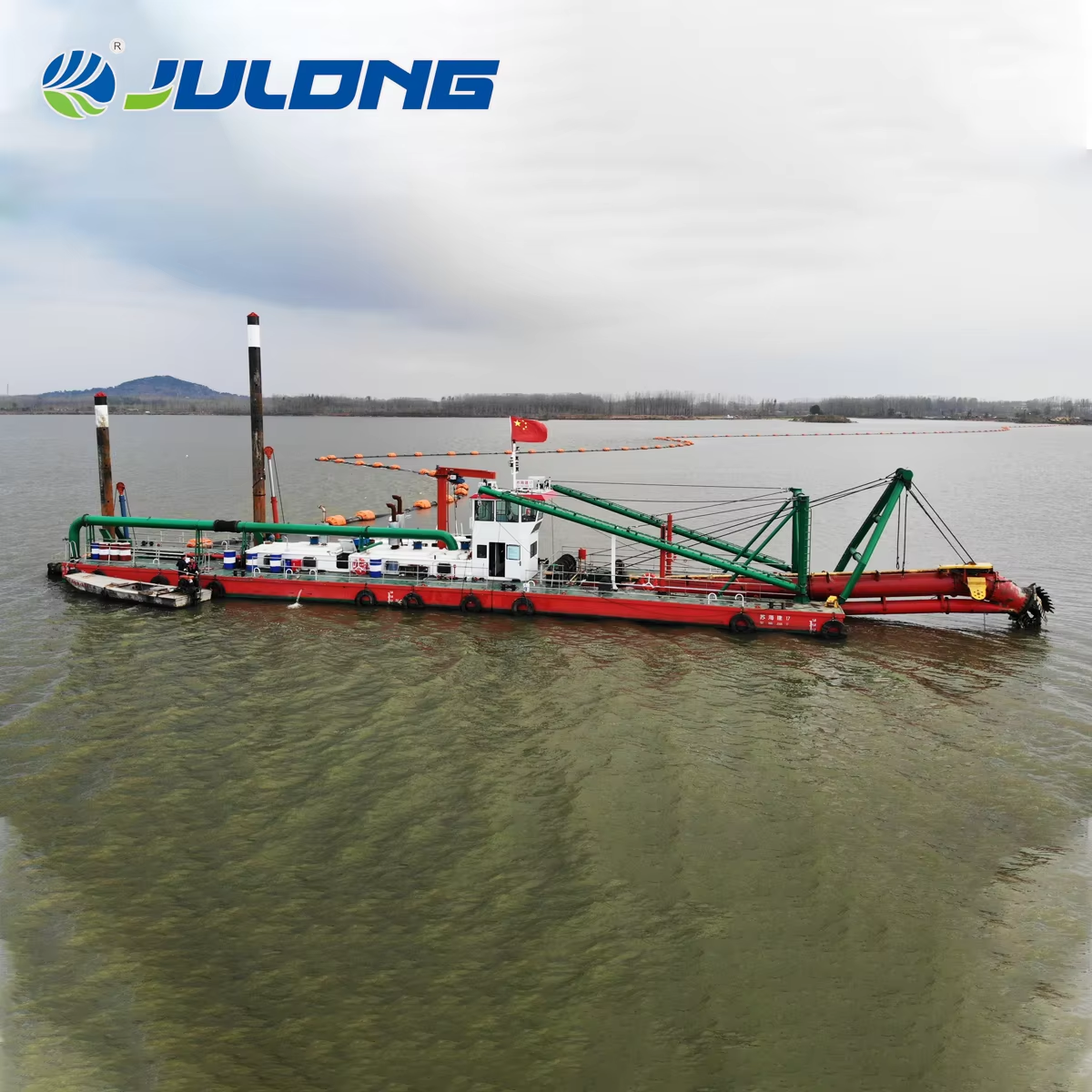
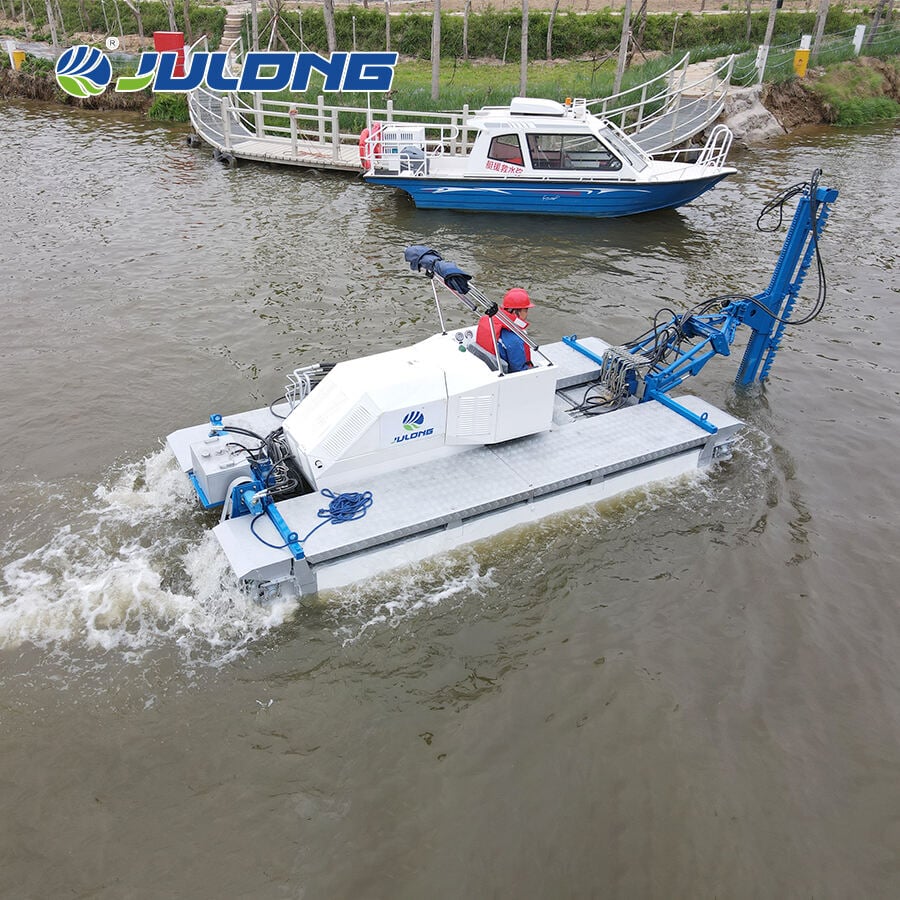
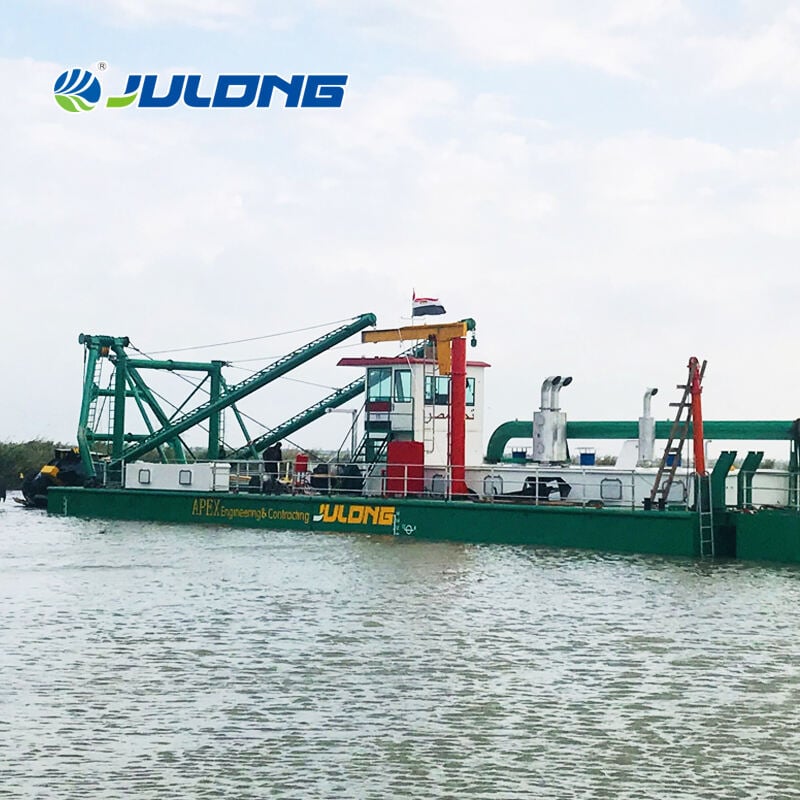
Floating barges are essential solutions for various water environmental protection projects, serving different industries from construction to ecological restoration. When looking for a floating barge for sale, buyers are often concerned with specifications, suitability for specific applications, and overall performance reliability. This floating bargewill provide a detailed guide on how to choose the right floating barge, key specifications to consider, what buyers should look for, cost factors when purchasing in bulk, and a step-by-step approach to the purchasing process. By following these steps and considering the key specifications and factors outlined, buyers can make informed decisions when purchasing a floating barge for their specific project needs. 
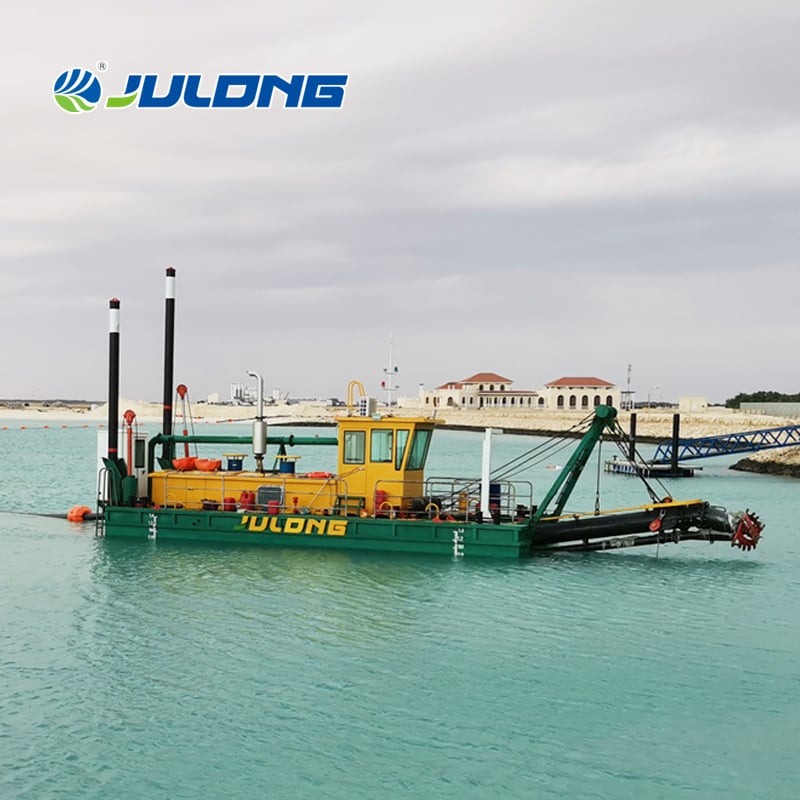
Our Products

Key Specifications to Evaluate When Buying Floating Barges

When assessing floating barges, certain specifications are critical to ensure they meet your operational needs: 

Dimensions: The size of the barge affects its capacity and maneuverability. Buyers should consider the dimensions concerning the intended operational area and any regulatory restrictions. 

Load Capacity: This is crucial for determining how much weight the barge can safely carry. Overloading can lead to instability and safety hazards. 

Material Composition: Common materials include steel and aluminum. Steel offers durability and strength, while aluminum is lighter and resistant to corrosion, making key specifications suitable for marine environments. 

Stability and Buoyancy: The design should provide adequate stability, especially for tasks requiring precise operations like dredging or environmental monitoring. 

Certification: Ensure that the barge meets international standards and has certifications from recognized classification societies. csd dredger guarantees the barge's quality and reliability, especially for environmental protection applications. 

By following these steps and considering the key specifications and factors outlined, buyers can make informed decisions when purchasing a floating barge for their specific project needs. 

What Buyers Should Look For

In addition to the technical specifications, buyers should evaluate several other factors: 

Manufacturer Reputation: Research the manufacturer's experience and reputation in the industry. Established manufacturers, like JULONG, often have a track record of producing reliable and effective environmental solutions. 

Quality Control Processes: Inquire about the quality assurance measures taken during the manufacturing process. cutter suction dredge can include inspections, testing procedures, and adherence to international standards. 

Customization Options: Depending on your project's unique requirements, customization might be necessary. Discuss the manufacturer’s ability to tailor the barge's dimensions, features, or materials. 

Maintenance and Support: Consider the availability of parts and support services post-purchase. A reliable manufacturer will provide ongoing support and guidance on maintenance practices. 

By following these steps and considering the key specifications and factors outlined, buyers can make informed decisions when purchasing a floating barge for their specific project needs. 
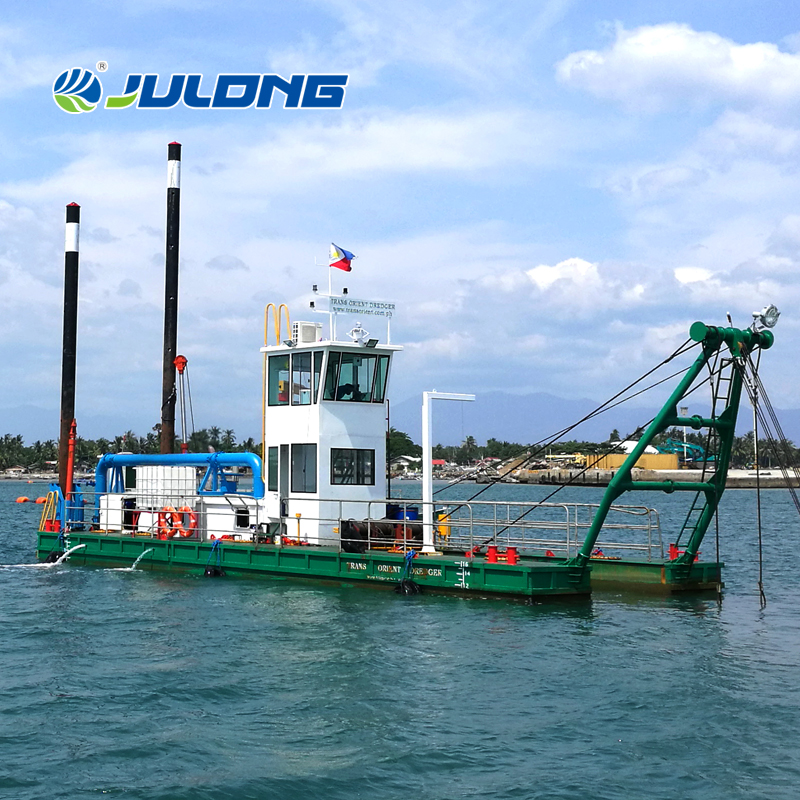
Cost Factors to Consider When Purchasing Floating Barges in Bulk

When planning to purchase floating barges in bulk, several cost factors come into play: 

Unit Price vs. Total Cost: While a lower unit price may seem appealing, consider the total cost of ownership, including maintenance, operational costs, and potential downtime. 

Bulk Discounts: Many manufacturers offer pricing incentives for bulk purchases. Discuss your quantity requirements early in the negotiation process to take advantage of potential savings. 

Shipping and Handling: 26 inch cutter suction dredger  in transportation costs, especially if shipping to remote locations. Consider logistics such as loading, unloading, and potential customs duties. 

Financing Options: Some manufacturers provide financing or leasing options, which can help manage upfront costs while allowing for immediate use of the equipment. 

By following these steps and considering the key specifications and factors outlined, buyers can make informed decisions when purchasing a floating barge for their specific project needs. 

A Step-by-Step

To streamline the purchasing process for a floating barge, follow these steps: 

Define Your Needs: Clearly outline the project requirements, including dimensions, load capacity, and environmental conditions. 

Research Manufacturers: Look for manufacturers with a proven track record in producing floating barges, focusing on their ability to meet your specifications. 

Request Quotations: Contact multiple suppliers to obtain quotations. Provide them with detailed environmental protectionto ensure accurate pricing. 

Evaluate Proposals: Compare the quotations not just on price but on specifications, lead time, and support services offered.  

Review Samples: If possible, request samples or visit the production site to inspect quality control processes. 

Negotiate Terms: Discuss payment terms, delivery schedules, and any customization requirements before finalizing the order. 

Confirm Specifications: Ensure that all specifications are documented and agreed upon before mass production begins to avoid issues later. 

Quality Inspection: Conduct a final inspection before accepting delivery, ensuring that the barge meets all agreed-upon specifications and quality standards. 

By following these steps and considering the key specifications and factors outlined, buyers can make informed decisions when purchasing a floating barge for their specific project needs. 

How to Choose the Right Floating Barge for Your Project Needs

Selecting the right floating barge begins with understanding your project's specific requirements. Consider the intended use of the barge—whether for transportation, construction support, or environmental monitoring. Each application might require different features, such as load capacity, deck space, and stability. 

Additionally, evaluate the environmental conditions where the barge will operate. Factors such as water depth, current strength, and weather conditions can significantly impact the choice of design and materials. For instance, a barge designed for calm waters may not perform well in rough conditions. Customization capabilities offered by purchasing floating barges, like JULONG, can enhance the suitability of the barge for specific applications. By following these steps and considering the key specifications and factors outlined, buyers can make informed decisions when purchasing a floating barge for their specific project needs. 
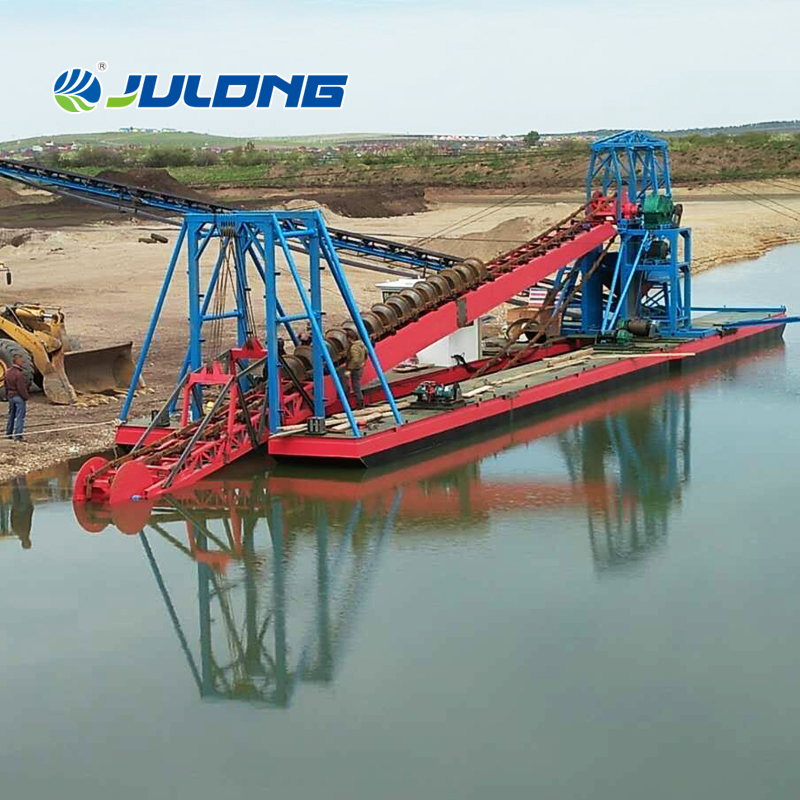
Our Blog Posts

Cutter Suction vs. Bucket Dredger: What's the Difference?

18

Aug

Cutter Suction vs. Bucket Dredger: What's the Difference?

JULONG dredgers mainly comprise two models including cutter suction and bucket dredgers that have been optimally and creatively designed to suit a variety of conditions. The perceived difference helps in deciding the right tool that will be efficient...
View More
How Dredgers Handle Different Water Conditions?

29

Sep

How Dredgers Handle Different Water Conditions?

Julong, a committed dredging equipment supplier, has designed its dredgers in such a way that they adjust successfully in different water conditions, so that they can perform at a similar and efficient level in different project situations. These dre...
View More
How Modern Dredgers Protect Water Environments?

29

Sep

How Modern Dredgers Protect Water Environments?

Julong modern dredgers have been designed with consideration of the water environment as the primary consideration, an aspect incorporated in the design and functionality features that reduce the ecological impact yet satisfy or meet the dredging req...
View More
Dredgers in River, Lake, and Harbor Cleaning Projects

09

Mar

Dredgers in River, Lake, and Harbor Cleaning Projects

Dredgers are large machines used to clear debris in rivers, lakes and harbors. They are the little things that do a big job to keep our waterways clean and safe for Cuyahoga River animals, plants, and people. What are dredgers and how do they work Dr...
View More

Get a Free Quote

Our representative will contact you soon.
Email
Name
Company Name
Message
0/1000

Related Search

Guide to Choosing a Floating Barge for Sale Guide to Choosing a Floating Barge for Sale Guide to Choosing a Floating Barge for Sale
email goToTop