kapal dredger-0

Key Considerations for Sourcing Kapal Dredgers

  • No. 66, Changping Street, Xinchang Street, Weifang High-Tech Zone, Shandong Province, China
  • [email protected]

Get a Free Quote

Our representative will contact you soon.
Email
Mobile
Name
Company Name
Message
0/1000

Kapal dredger

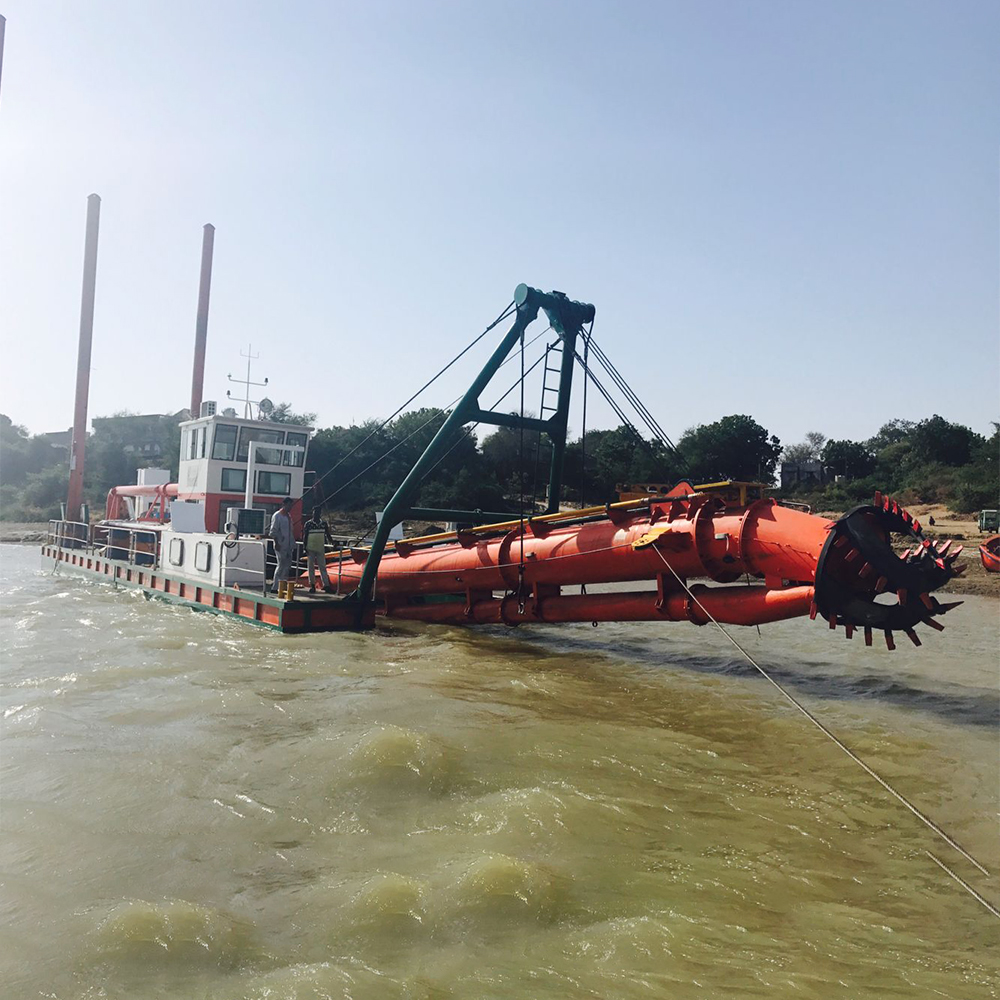
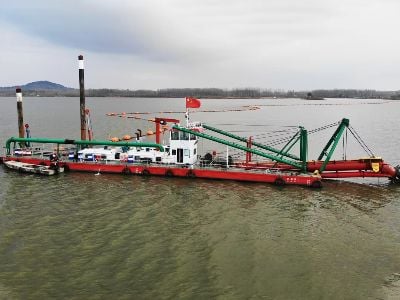
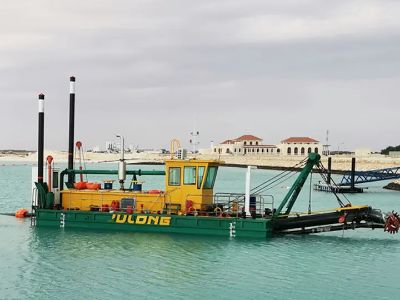
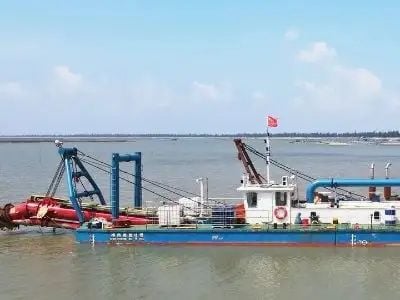
Kapal dredgers are essential equipment for various water environmental protection projects, designed to efficiently remove sediment and debris from water bodies. When sourcing kapal dredgers, buyers often have concerns regarding specifications, quality, cost, installation, and suitability for specific applications. This article will provide insights into the key specifications to consider, quality evaluation methods, cost factors, installation guidance, and the applications of kapal dredger in environmental projects. 
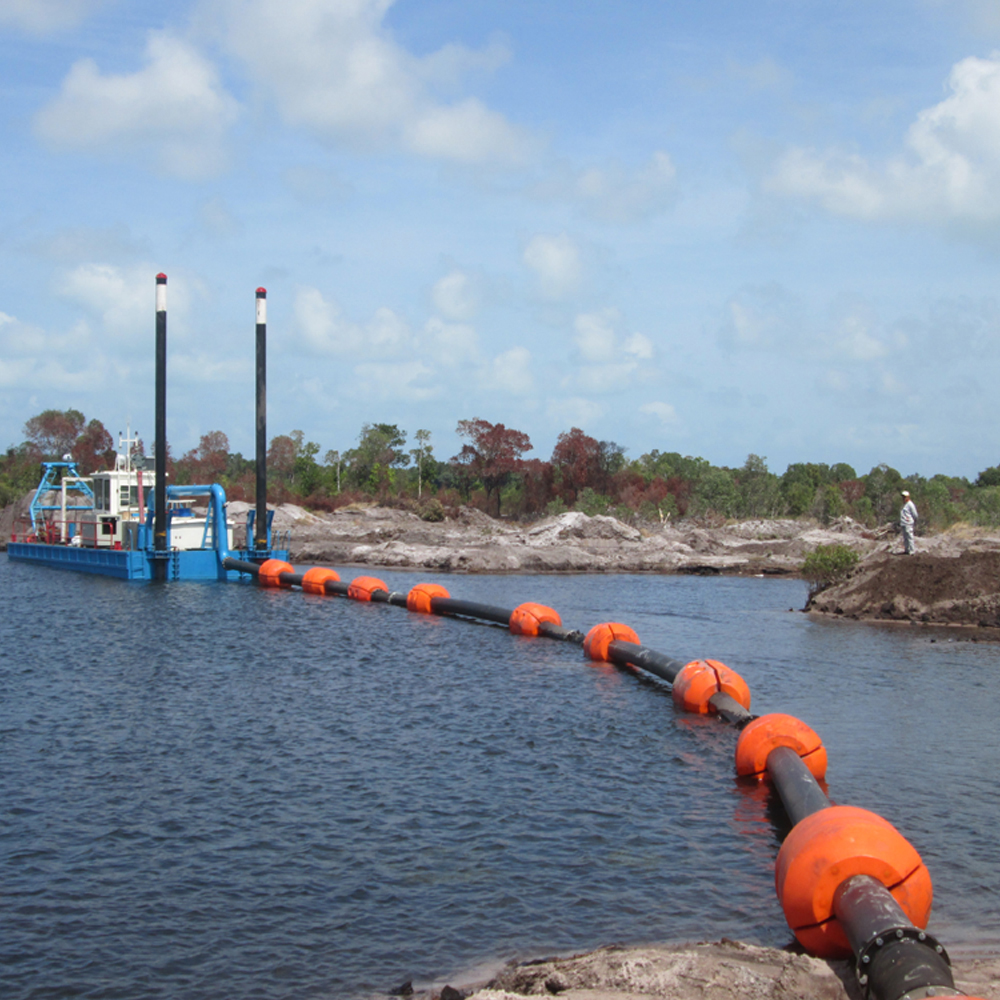
Evaluating the Quality of Kapal Dredgers for Environmental Projects

Evaluating the Quality of Kapal Dredgers for Environmental Projects

Quality assurance is vital when procuring kapal dredgers, as the equipment must perform reliably in often challenging conditions. Buyers should look for the following quality indicators: 

Certifications: Verify that the dredger is certified by recognized international classification societies. These certifications often indicate adherence to industry standards regarding safety, performance, and environmental compliance. 

Manufacturing Processes: Understanding the manufacturer's processes can provide insight into the quality of the end product. Look for manufacturers that utilize advanced technology and quality control measures throughout production. For instance, a manufacturer that collaborates with universities on R&D often has innovative solutions and rigorous testing protocols. 

Material Testing: Before purchasing, it is beneficial to inquire about the testing of materials used in the dredger. Buyers should ensure that the materials have been tested for durability under conditions similar to those expected in actual operations. 

Customer Reviews and Case Studies: Engaging with existing customers or reviewing case studies can provide insights into the dredger's performance in real-world applications. This feedback is invaluable for evaluating reliability and efficiency. 
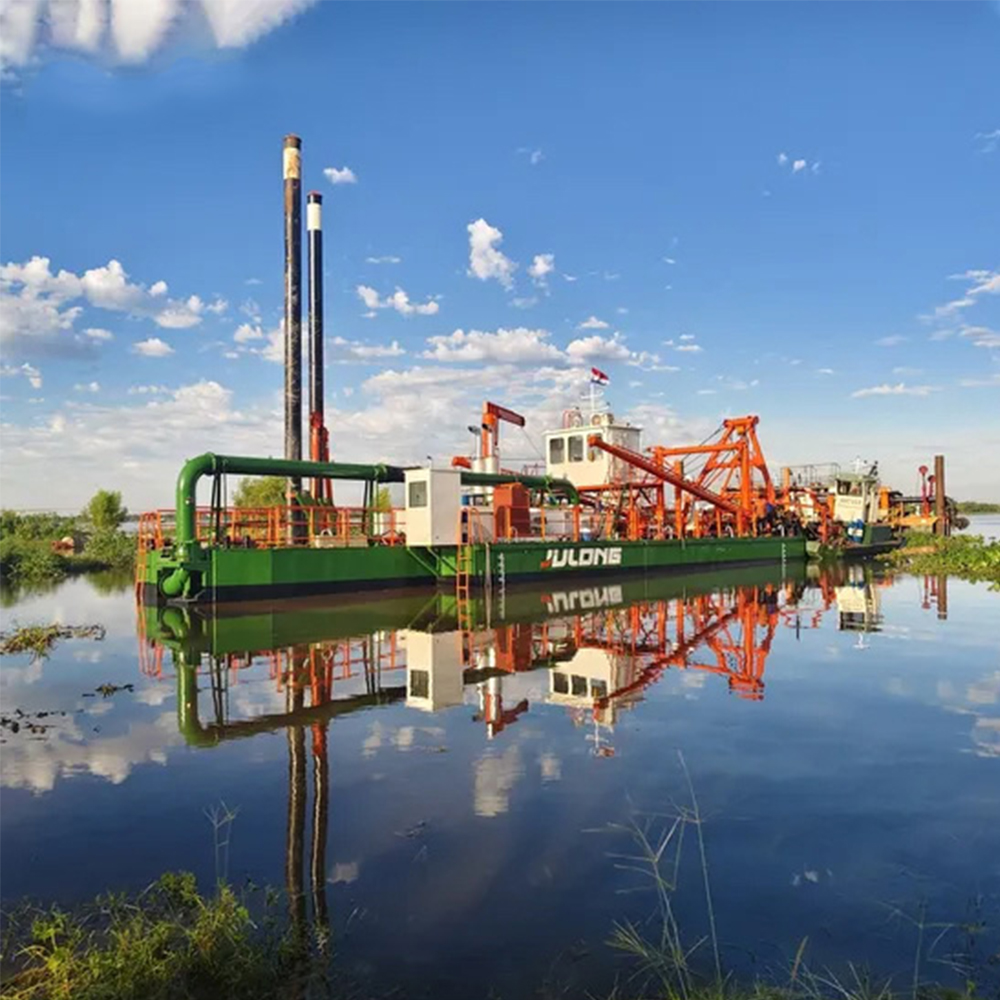
Cost Factors to Keep in Mind When Purchasing Kapal Dredgers

Cost Factors to Keep in Mind When Purchasing Kapal Dredgers

The overall cost of kapal dredgers extends beyond the initial purchase price. Buyers should consider several cost factors: 

Initial Purchase Price: While the upfront cost is a significant factor, it’s essential to weigh it against the dredger's expected performance and lifespan. A more expensive, high-quality dredger may offer long-term savings due to lower maintenance and operational costs. 

Operational Costs: These include fuel consumption, maintenance, and repair costs. Buyers should assess the efficiency of the dredger’s engine and pump, as these will directly impact operational expenses. 

Custom Modifications: Depending on the specific project requirements, custom modifications may be necessary. These modifications can add to the initial cost but may be essential for meeting particular operational needs. 

Training and Support: Consider the costs associated with training operators to use the dredger effectively. A manufacturer that offers comprehensive training and support may reduce the risk of operational errors and enhance productivity. 

Financing Options: Many suppliers offer financing options that can ease the burden of upfront costs. Exploring these options may provide greater flexibility in budgeting for the purchase. 

Installation Guidance for Efficient Use of Kapal Dredgers

Installation Guidance for Efficient Use of Kapal Dredgers

Proper installation is crucial for maximizing the efficiency of kapal dredgers. Buyers should consider the following guidelines: 

Site Assessment: Before installation, conduct a thorough assessment of the site to understand the specific environmental conditions and logistics involved. This includes analyzing water depth, sediment type, and access routes. 

Manufacturer Guidelines: Adhering to the manufacturer's installation guidelines is essential. This ensures that the dredger is set up correctly and will perform as intended. 

Testing and Calibration: Once installed, testing the dredgers under actual operating conditions is critical. This allows for calibration of the equipment to match specific project requirements, ensuring optimal performance. 

Operator Training: Effective operation of the dredger requires trained personnel. Ensure that operators are familiar with the equipment and understand how to troubleshoot common issues that may arise during operation. 

Applications of Kapal Dredgers in Water Environmental Protection

Kapal dredgers play a vital role in various water environmental protection initiatives, including: 

Sediment Removal: Dredgers are commonly used for removing excess sediment from rivers, lakes, and harbors, helping to restore aquatic habitats and improve water quality. 

Pollution Control: In contaminated water bodies, kapal dredgers can be employed to remove polluted sediments, thereby mitigating the impact of pollutants on the ecosystem. 

Restoration Projects: Dredgers are often essential in restoration projects aimed at rehabilitating wetlands and other critical habitats, supporting biodiversity and ecological balance. 

Infrastructure Maintenance: Regular dredging is crucial for maintaining navigable waterways, ensuring that shipping lanes remain open and safe for commercial traffic. 

By understanding these applications, buyers can better assess the suitability of kapal dredgers for their specific environmental projects and ensure they meet the desired outcomes effectively. 

Key Specifications to Consider When Sourcing Kapal Dredgers

When selecting kapal dredgers, buyers should prioritize several key specifications to ensure optimal performance for their specific applications. 

Dredging Depth and Width: The dredging depth indicates how deep the dredger can operate, while the width determines the area it can cover in a single pass. Buyers should assess their project needs to determine the necessary dimensions. For example, a project requiring deep sediment removal in a narrow waterway will need a dredger designed specifically for those conditions. 

Material and Construction: The construction materials of the dredger significantly influence its durability and performance. High-strength steel or specialized alloys are often preferred for their resistance to corrosion and wear. Understanding the environmental conditions the dredger will face such as salinity and sediment type is crucial in selecting the right materials. 

Power Source: The power source (diesel, electric, or hybrid) affects operational costs and efficiency. Electric dredgers may offer lower operational costs and emissions but can be limited by the availability of power sources at the job site. Considering the project's location and environmental regulations can influence this choice. 

Pump Capacity: The pump's capacity determines how efficiently the dredger can remove materials. Higher capacity pumps can increase productivity but may also increase fuel consumption. Evaluating the balance between efficiency and operating costs is essential. 

Mobility and Transportation: Depending on the operational environment, the mobility of the hydraulic dredger can be a critical factor. Buyers should consider whether the dredger needs to be towed, self-propelled, or mounted on a barge, and how it will be transported to the job site. 

Our Blog Posts

Hydraulic vs. Mechanical Dredge Systems: Operational Insights

05

Aug

Hydraulic vs. Mechanical Dredge Systems: Operational Insights

If we compared hydraulic systems with mechanical systems as to their capacity to dredge:Hydraulic dredging itself uses high-velocity water jets to dislodge sediment, while mechanical Dredging equipment employs mechanical devices such as an excav...
View More
Why Aquatic Weed Harvesters Are Critical for Lake Ecosystems

05

Aug

Why Aquatic Weed Harvesters Are Critical for Lake Ecosystems

Water weeds cutters protect lake eco-systems by preventing the spread and overgrowth of an invasive specie.Invasives are like bullies who invade the lake and may be able to push out the native species of plants and animals who live in the lake. We&nb...
View More
Cutter Suction vs. Bucket Dredger: Whats the Difference?

03

Mar

Cutter Suction vs. Bucket Dredger: Whats the Difference?

Dredgers are giant machines that help extract the mud, sand and/or rocks located in the bottom of rivers, lakes or seas. The type of dredger are basically two- cutter suction and bucket dredgers. This guide will give you an idea of how they both work...
View More
Dredgers in River, Lake, and Harbor Cleaning Projects

09

Mar

Dredgers in River, Lake, and Harbor Cleaning Projects

Dredgers are large machines used to clear debris in rivers, lakes and harbors. They are the little things that do a big job to keep our waterways clean and safe for Cuyahoga River animals, plants, and people. What are dredgers and how do they work Dr...
View More

Get a Free Quote

Our representative will contact you soon.
Email
Name
Company Name
Message
0/1000

Related Search

Key Considerations for Sourcing Kapal Dredgers Key Considerations for Sourcing Kapal Dredgers Key Considerations for Sourcing Kapal Dredgers
email goToTop