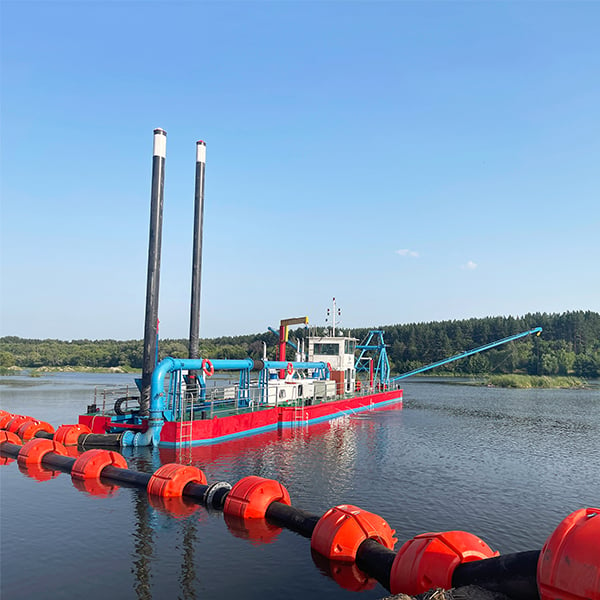
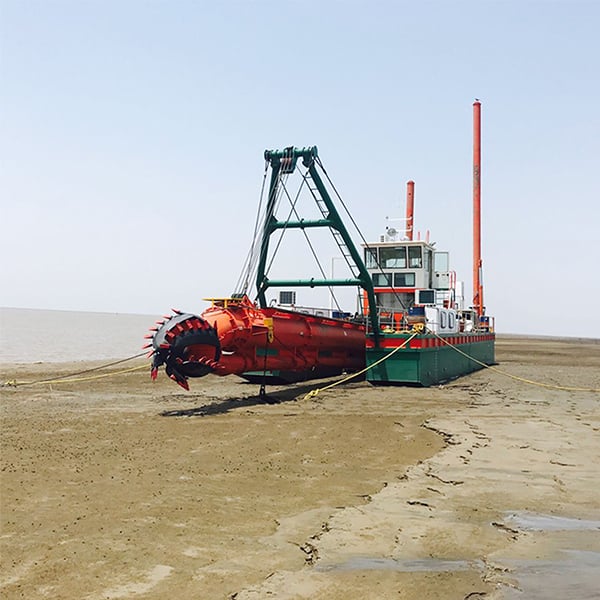
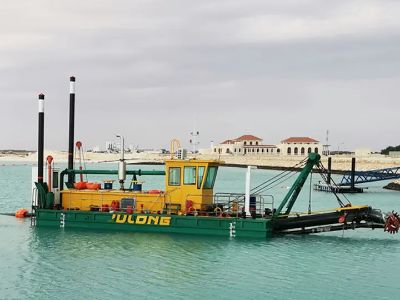
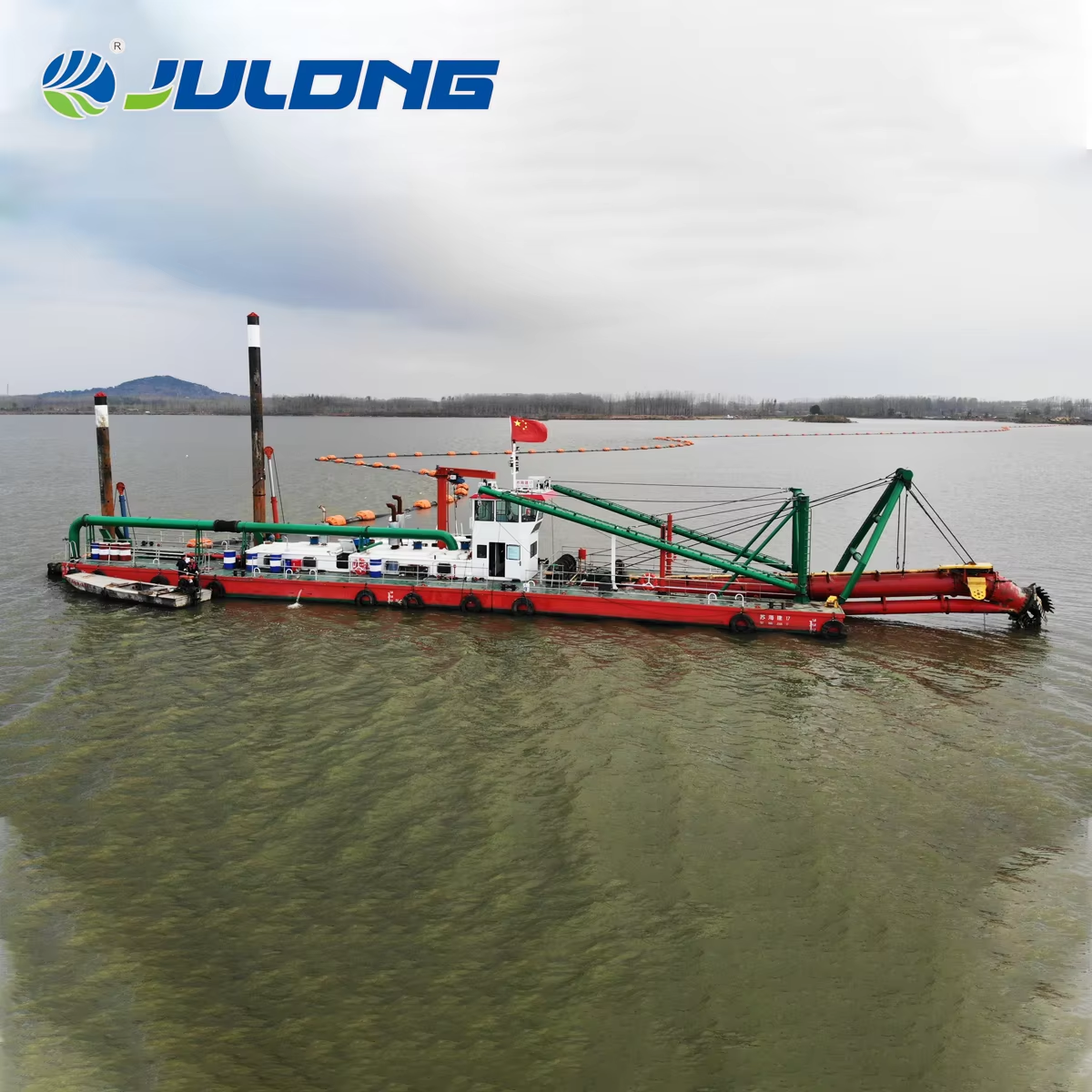
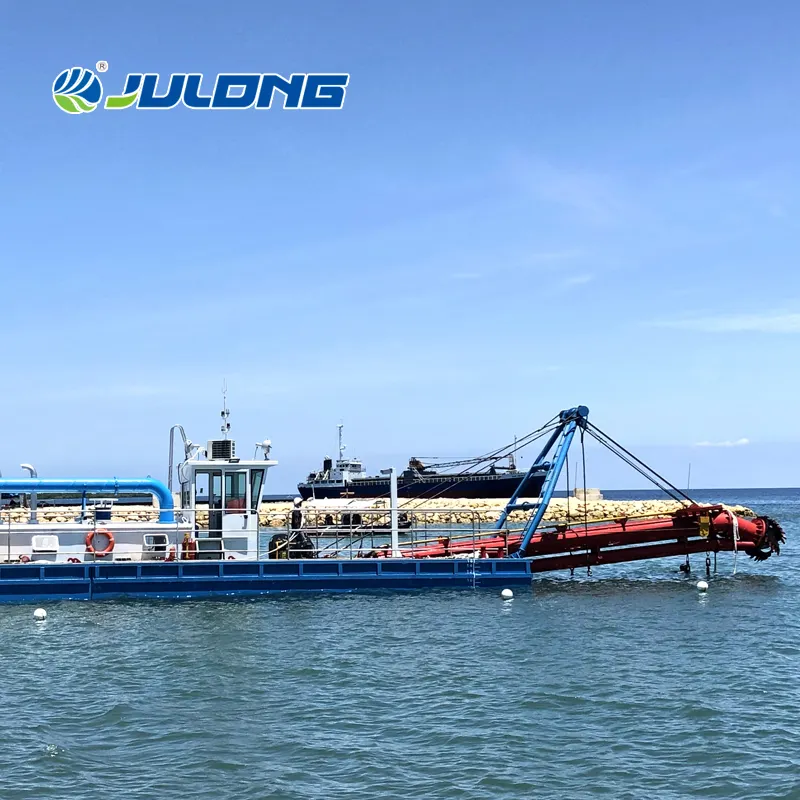
Lake dredging equipment plays a crucial role in maintaining water bodies by removing sediment, debris, and contaminants. For B2B buyers, such as purchasing managers or engineers, the selection of quality dredging equipment is vital for ensuring effective environmental protection and compliance with regulations. This article aims to guide you through sourcing reliable lake dredging equipment, evaluating its specifications, understanding cost factors, exploring best practices, and identifying application scenarios relevant to environmental projects.
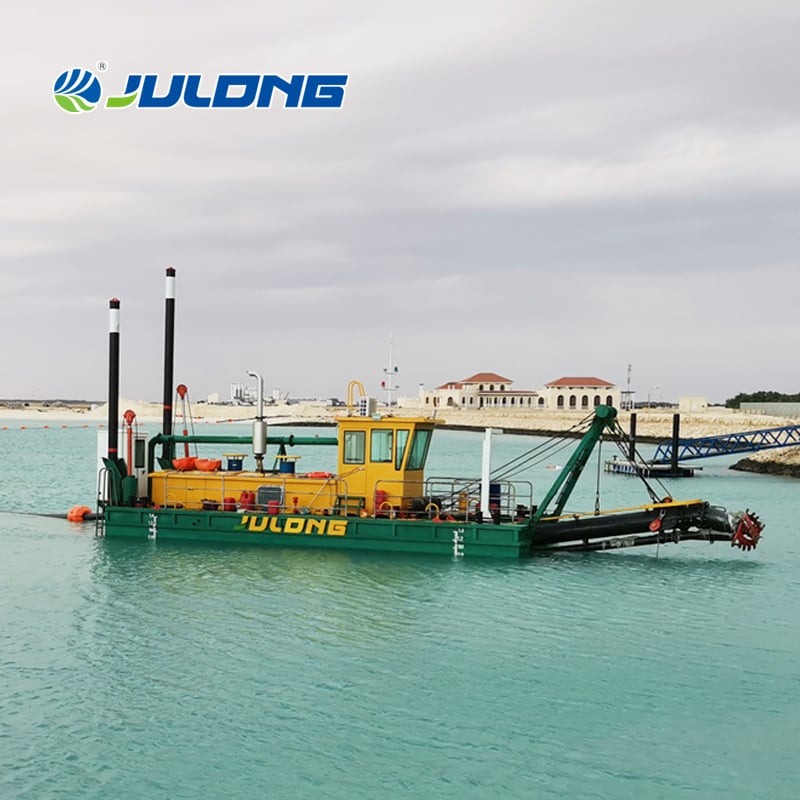
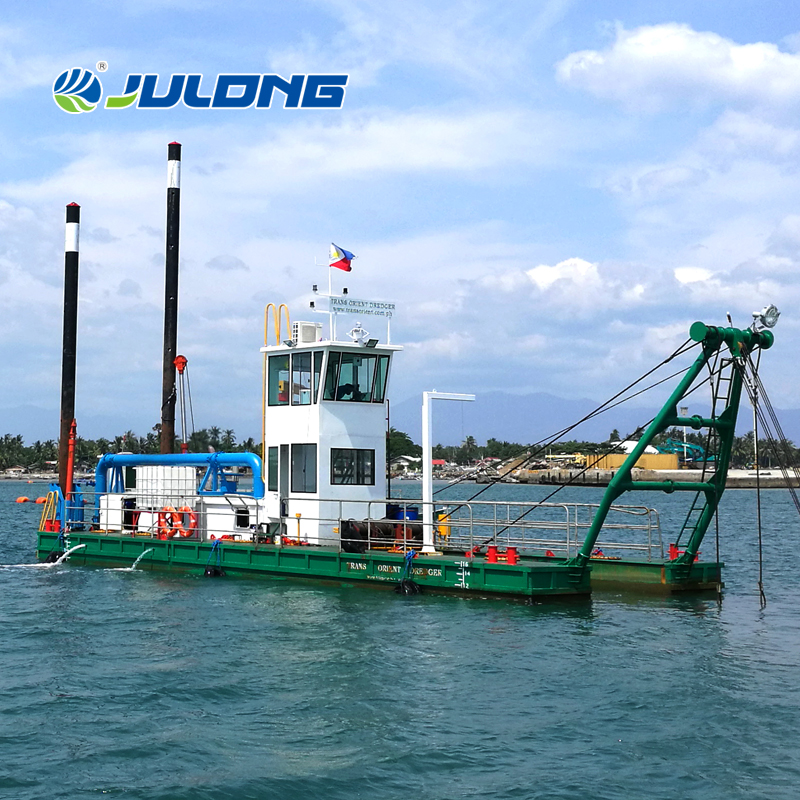


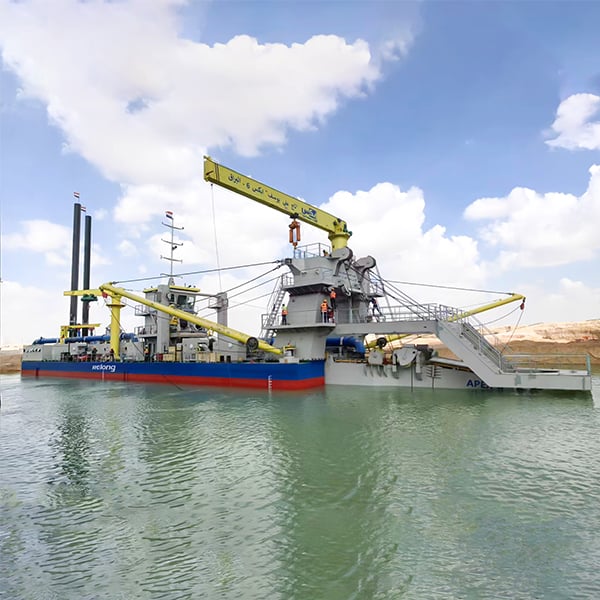
Key Specifications to Evaluate
Evaluating the right specifications for lake dredging equipment is crucial to ensure it meets the project's requirements. Key specifications include:
Dredging Depth: Understanding the maximum depth the equipment can operate at is essential for project planning. Equipment designed for deeper waters may require different features than those intended for shallow lakes.
Material Construction: The materials used in the equipment should be corrosion-resistant and durable, especially when operating in harsh water environments. Common materials include stainless steel and high-strength alloys that withstand abrasion and chemical exposure.
Pump Capacity: The efficiency of the dredging operation often hinges on the pump's capacity. Ensure Cutter Suction Dredger matches the expected flow rates and sediment types to maximize productivity.
Mobility and Size: Depending on the project location, consider the equipment's size and mobility. Compact models may be necessary for limited-access areas, while larger units might be more suitable for extensive dredging tasks.
Buyers should collaborate with manufacturers to customize specifications that align with their project needs, we need to be ensuring optimal performance and longevity of the equipment.