mechanical dredger-0

Choosing the Right Mechanical Dredger for Your Project

  • No. 66, Changping Street, Xinchang Street, Weifang High-Tech Zone, Shandong Province, China
  • [email protected]

Get a Free Quote

Our representative will contact you soon.
Email
Mobile
Name
Company Name
Message
0/1000

Mechanical dredger

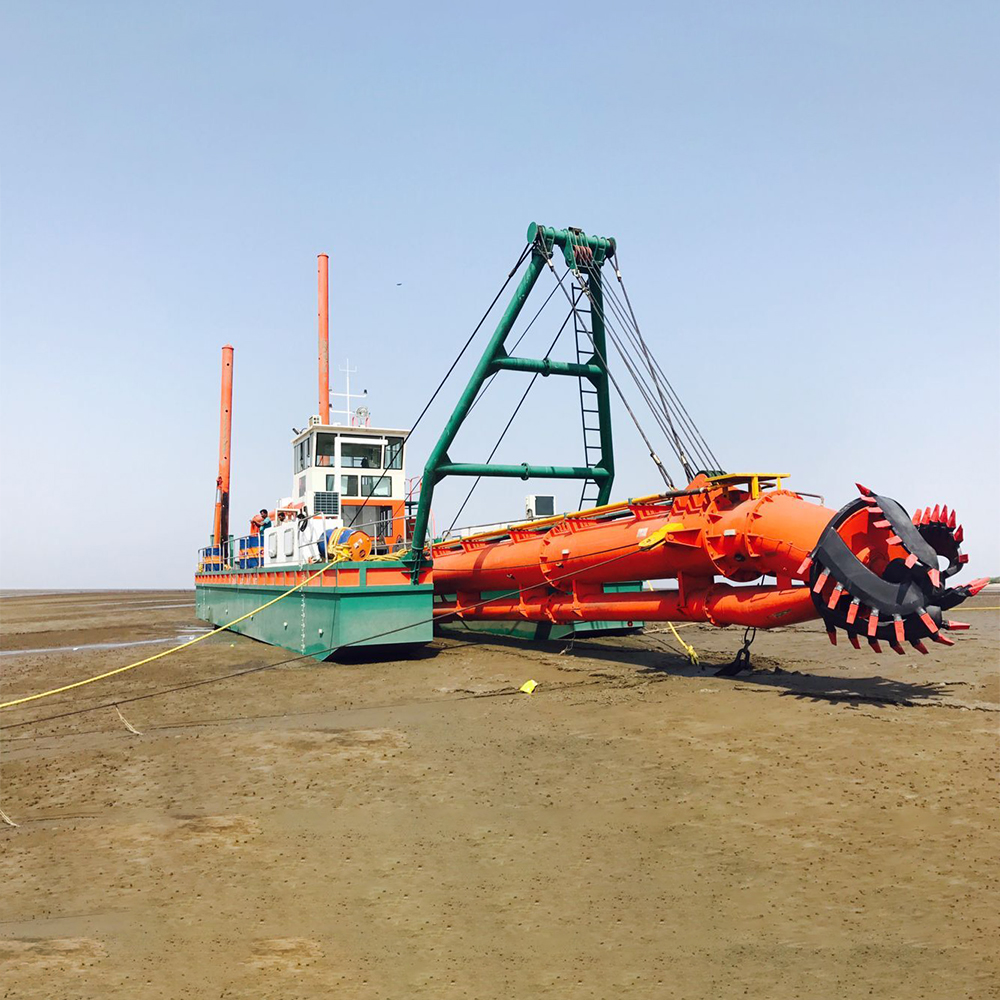
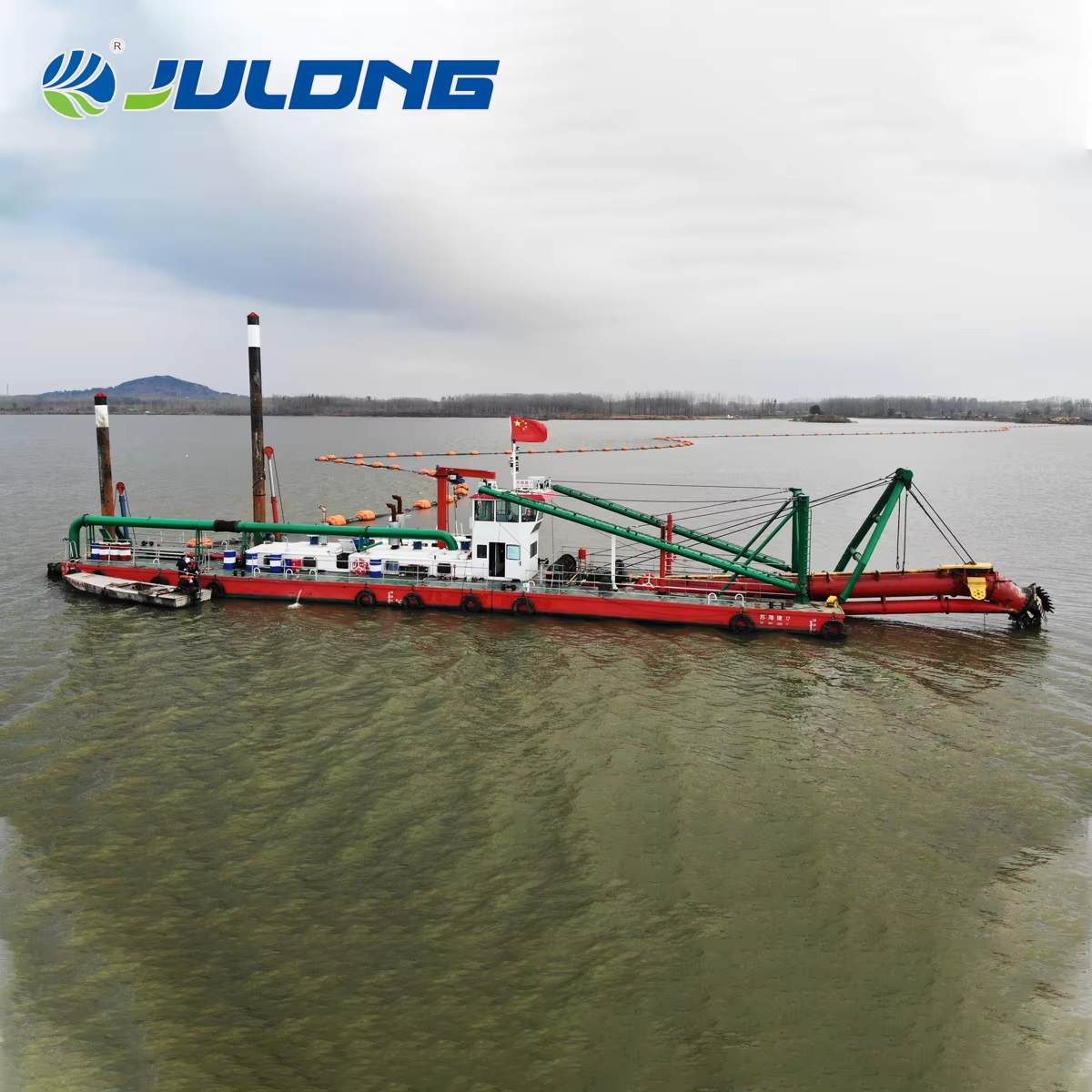
Mechanical dredgers are essential tools used in various industries for sediment removal and underwater construction projects. As a B2B buyer, your main concerns when selecting a mechanical dredger may include its specifications, suitability for specific applications, and overall cost. This article aims to provide essential insights into choosing the right mechanical dredger, understanding key specifications, and evaluating pricing factors, ensuring you make an informed purchasing decision. 
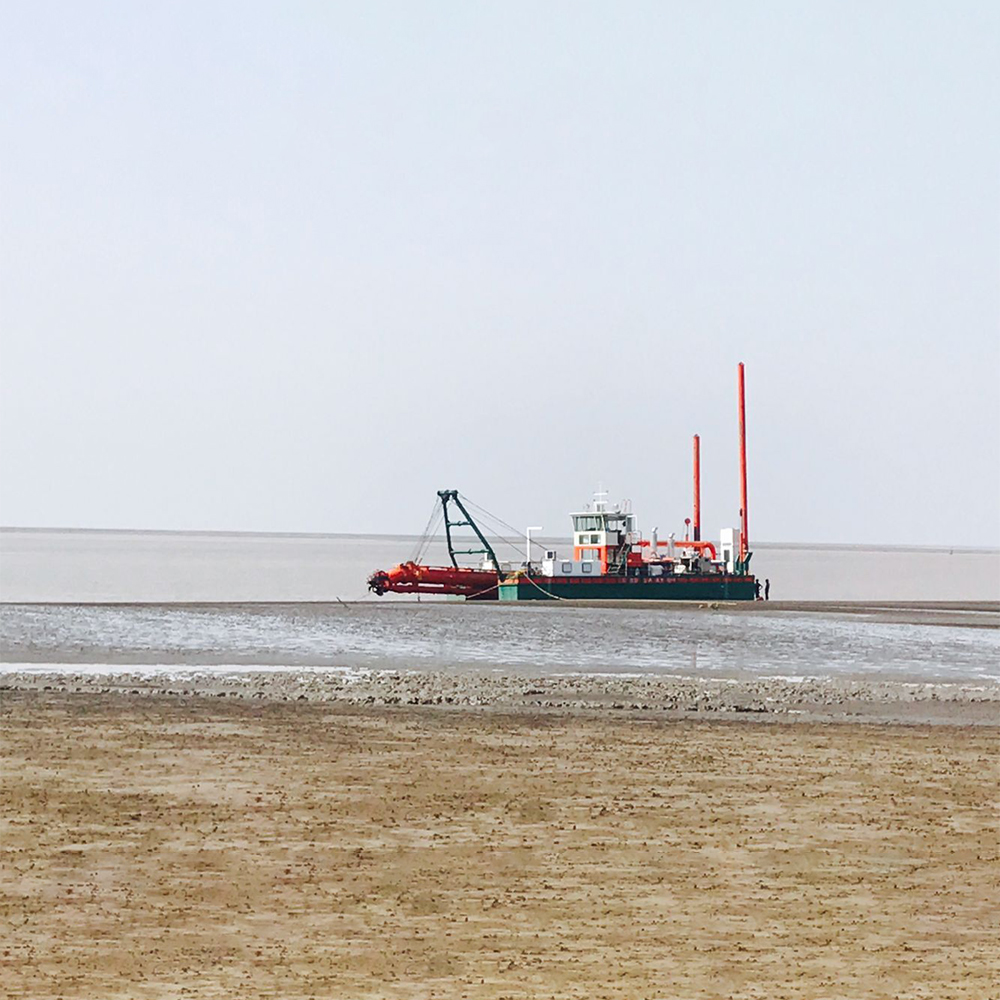
Key Specifications of Mechanical Dredgers for Wholesale Buyers

Key Specifications of Mechanical Dredgers for Wholesale Buyers

When purchasing mechanical dredger, specific key specifications should be prioritized to ensure optimal performance and compatibility with your projects. Key specifications include: 

Dredging Depth: This refers to the maximum depth the mechanical dredger can effectively operate. It is vital to match this with your project's requirements. 

Production Capacity: Measured in cubic meters per hour, this specification indicates how much material the mechanical dredger can remove in a given timeframe. Higher capacity models can lead to increased efficiency.  

Power Source: Mechanical dredger can be powered by diesel engines, electric motors, or hydraulic systems. Assess the availability of power sources at your project site.  

Material Construction: The materials used in the dredger's construction impact its durability and resistance to corrosion. Stainless steel and high-strength aluminum are commonly used for their resilience in aquatic environments. 

Understanding these specifications will help you select a mechanical dredger that meets your operational needs while ensuring long-term reliability. 
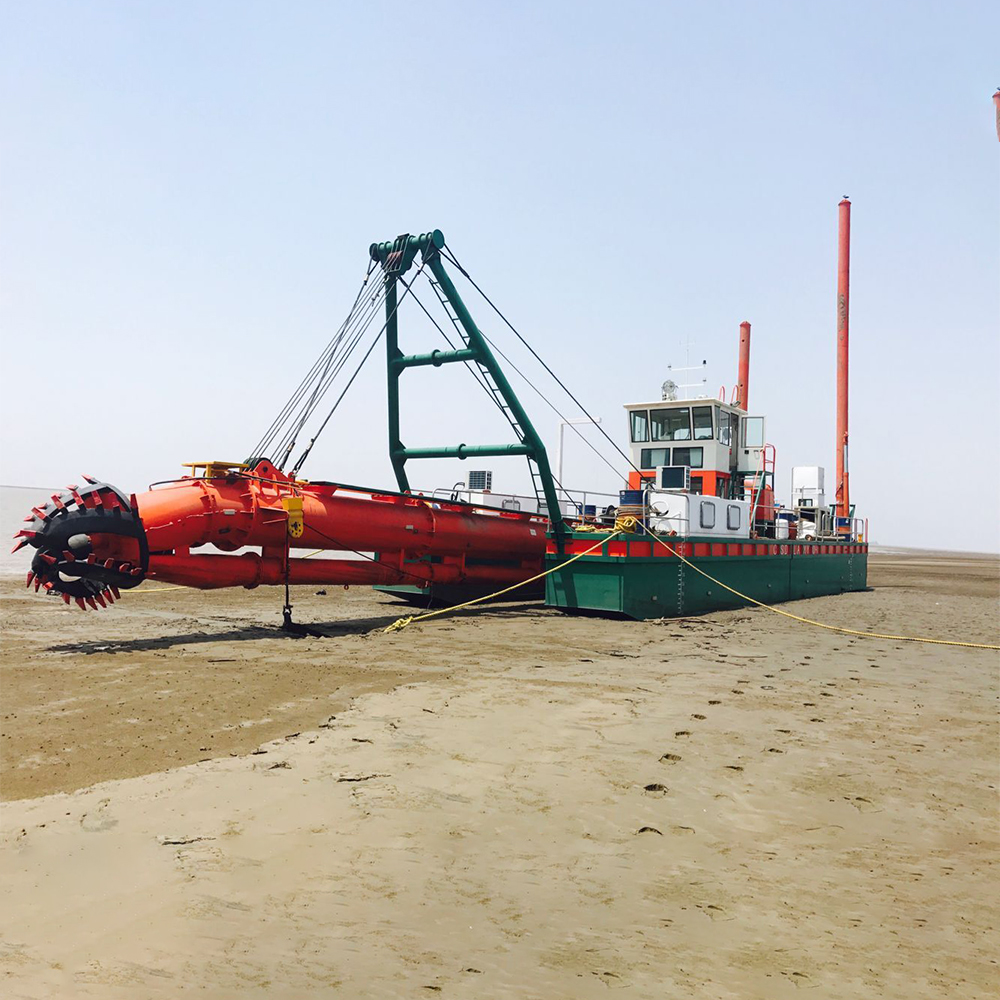
A Buyer's Guide

A Buyer's Guide

As a buyer, preparing to procure a mechanical dredger involves several steps that can streamline the process and enhance your purchasing decision. Here are key points to consider: 

Request for Quotation (RFQ): When preparing an RFQ, be specific about your project requirements, including the type of sediment, dredging depth, and expected production capacity. This will enable suppliers to provide accurate quotations tailored to your needs. 

Sample Approval: Before committing to a bulk order, request a sample dredger or a prototype to evaluate its performance. Testing a sample in real-world conditions can reveal potential issues that may not be evident from specifications alone. 

Supplier Evaluation: Research potential suppliers, focusing on their manufacturing capabilities, quality control processes, and certifications. A supplier with a proven track record in producing reliable dredging equipment will provide peace of mind regarding product quality. 

Customization Options: Depending on your project specifications, inquire about customization options. This could involve modifications to the dredger's size, power source, or operational features to better suit your needs. 

By following this buyer's guide, you can ensure a more streamlined purchasing process and select a mechanical dredger that meets your operational requirements effectively. 

Understanding the Cost Factors of Mechanical Dredgers for Importers

Understanding the Cost Factors of Mechanical Dredgers for Importers

Determining the cost of mechanical dredger involves multiple factors that can significantly impact your budget. Key cost considerations include: 

Initial Purchase Price: The base price of the mechanical dredger is influenced by its size, capacity, and features. More advanced models with higher production capacities typically come at a premium. 

Shipping and Handling: Importing mechanical dredger may incur additional shipping costs, especially for large or heavy models. Be sure to account for these expenses when budgeting. 

Operational Costs: Consider the long-term operational costs associated with the dredgers, such as fuel consumption, maintenance, and repair expenses. Selecting a model with efficient fuel usage can lead to significant savings over time. 

Customs and Duties: Depending on your location, import duties and taxes may apply when bringing the mechanical dredger into your country. Familiarize yourself with these regulations to avoid unexpected costs. 

Warranty and Support: Evaluate the warranty options provided by the manufacturer. A strong warranty can mitigate potential repair costs and ensure ongoing support. 

Understanding these cost factors will help you budget effectively and avoid unexpected expenses during the procurement process. 

Features that Matter for Contractors

For contractors, the features of a mechanical dredger can significantly impact the efficiency and effectiveness of their operations. Key features to consider include: 

Hydraulic Systems: Dredgers equipped with advanced hydraulic systems offer improved control and efficiency during operation. Features such as adjustable dredging arms and variable speed controls enhance adaptability to different sediment conditions. 

Portability: Depending on the project site, a portable mechanical dredger may be beneficial. Look for models that can be easily transported or disassembled for relocation. 

User-Friendly Controls: An intuitive control system allows operators to manage the dredger for sale with ease, reducing the risk of errors and enhancing overall productivity. Training your team on these systems can further improve efficiency. 

Durability Features: Consider mechanical dredger with reinforced components and corrosion-resistant materials. These features extend the dredger's lifespan and reduce the frequency of repairs. 

By focusing on these essential features, contractors can select a mechanical dredger that not only meets their project requirements but also maximizes operational efficiency and productivity. 

How to Choose the Right Mechanical Dredger for Your Project

Selecting the appropriate mechanical dredger for your project involves several considerations to ensure it meets your operational requirements. Start by assessing the specific application you have in mind, such as river dredging, lake maintenance, or harbor construction. Each application may have different dredging depth requirements, sediment types, and environmental conditions. 

Next, evaluate the dredger's size and capacity. Mechanical dredger come in various sizes, and choosing one that aligns with your project's scale is crucial. A larger mechanical dredger might be necessary for extensive sediment removal, while smaller models may suffice for localized tasks. 

Lastly, consider the dredger's maneuverability and operational efficiency. Look for features such as adjustable dredging arms and capabilities for different sediment types. These cost factors can significantly impact the mechanical dredger performance and your project's success. 

Our Blog Posts

Hydraulic vs. Mechanical Dredge Systems: Operational Insights

05

Aug

Hydraulic vs. Mechanical Dredge Systems: Operational Insights

If we compared hydraulic systems with mechanical systems as to their capacity to dredge:Hydraulic dredging itself uses high-velocity water jets to dislodge sediment, while mechanical Dredging equipment employs mechanical devices such as an excav...
View More
What Determines the Output Capacity of a Sand Dredger Ship

05

Aug

What Determines the Output Capacity of a Sand Dredger Ship

Some thoughts on sand dredging ships:The boats are known as Julong sand dredger ships, very large vessels that extract sand from the water bottom. The Floating Trash Skimmer boats have special equipment aboard that greedy up the sand and ho...
View More
What Is a Dredger? Types, Applications, and Working Principles

01

Sep

What Is a Dredger? Types, Applications, and Working Principles

A dredger is a purpose-built boat or machine that is used to dig and remove sediment, trash, or other materials in underwater conditions to perform waterway maintenance, environmental safeguards, and infrastructure construction. JULONG has more than ...
View More
Different Types of Dredgers and Their Applications

02

Mar

Different Types of Dredgers and Their Applications

Types Of Dredgers ExplainedOne of the most important dredging steps is cleaning them from debris and sediment, they found in rivers, lakes or oceans. There are many different types of dredgers that are used for different purposes in order to ensure s...
View More

Get a Free Quote

Our representative will contact you soon.
Email
Name
Company Name
Message
0/1000

Related Search

Choosing the Right Mechanical Dredger for Your Project Choosing the Right Mechanical Dredger for Your Project Choosing the Right Mechanical Dredger for Your Project
email goToTop