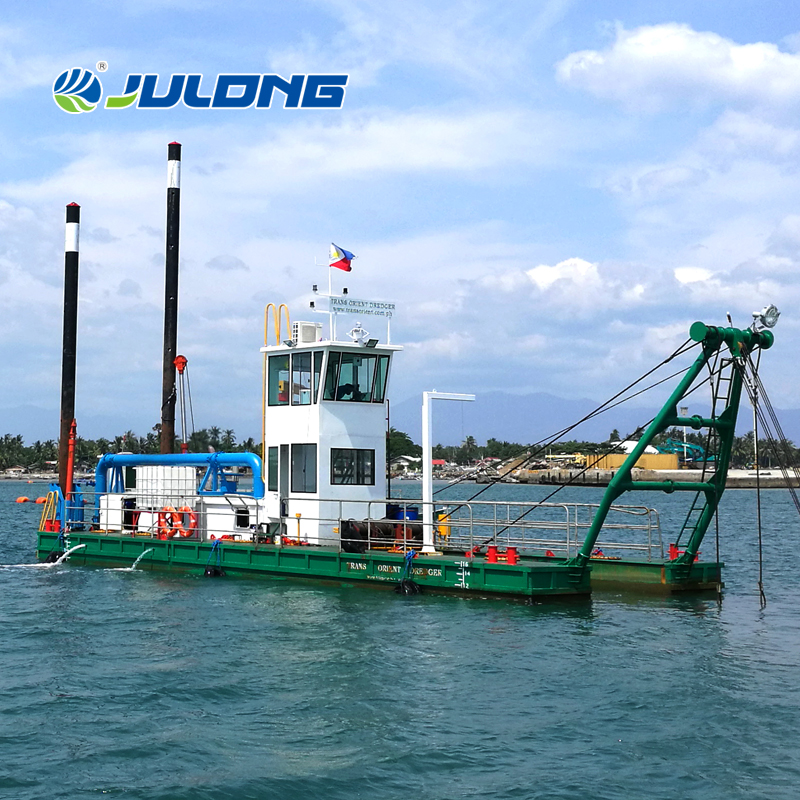
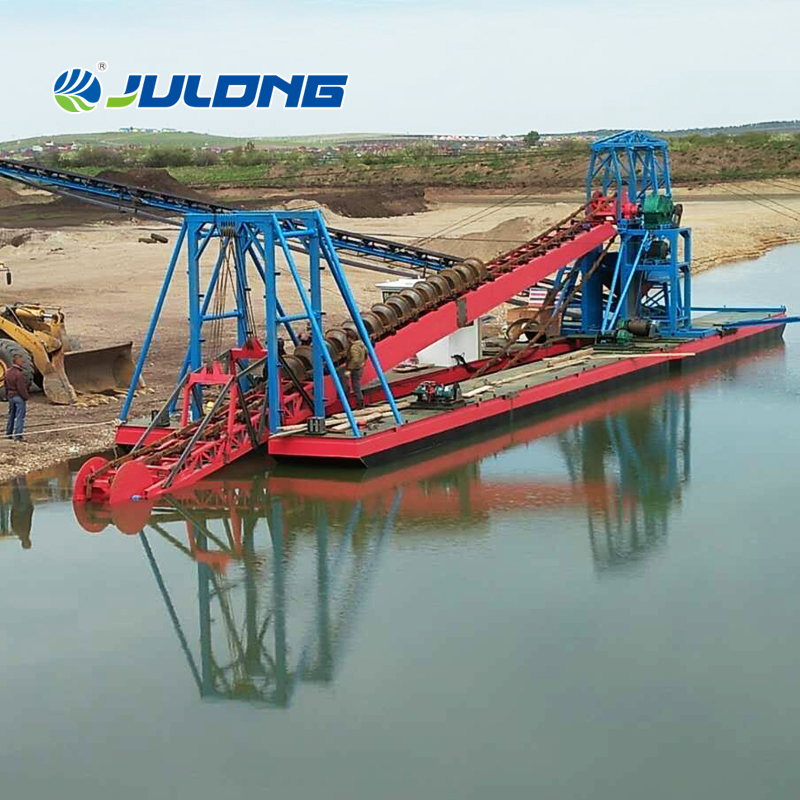
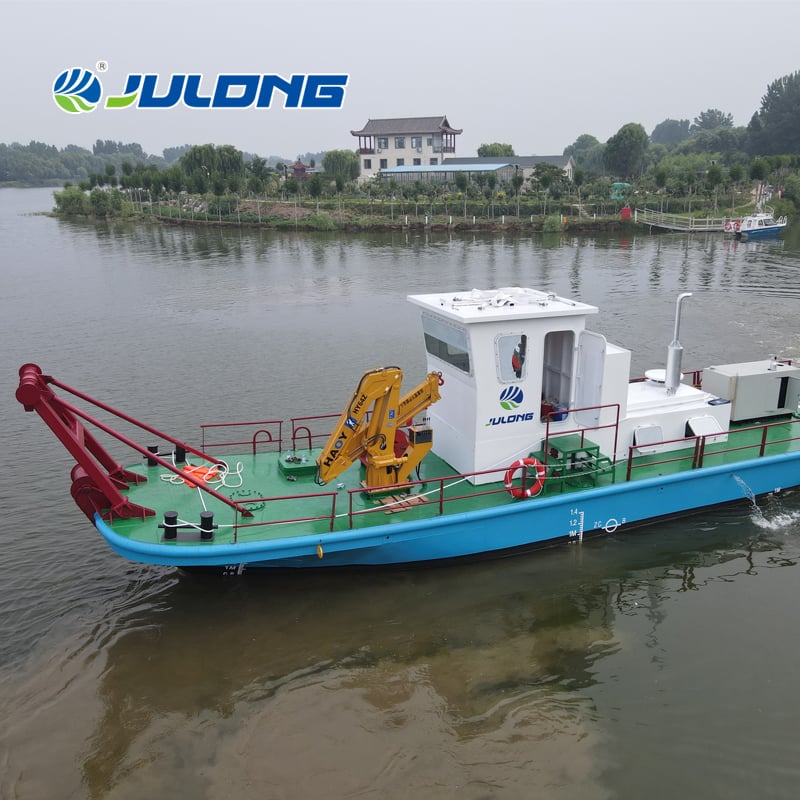
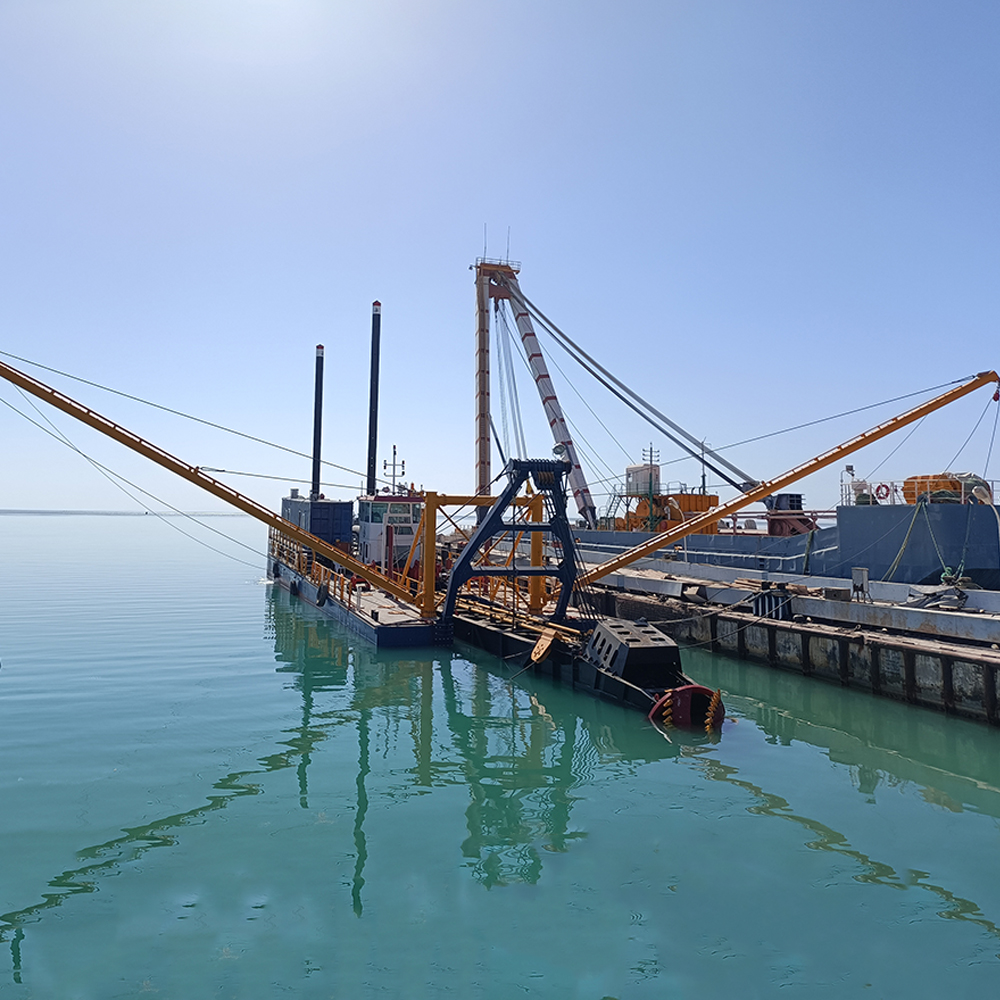
port dredging-0

Choosing Port Dredging Equipment for Projects

  • No. 66, Changping Street, Xinchang Street, Weifang High-Tech Zone, Shandong Province, China
  • [email protected]

Get a Free Quote

Our representative will contact you soon.
Email
Mobile
Name
Company Name
Message
0/1000

Port dredging

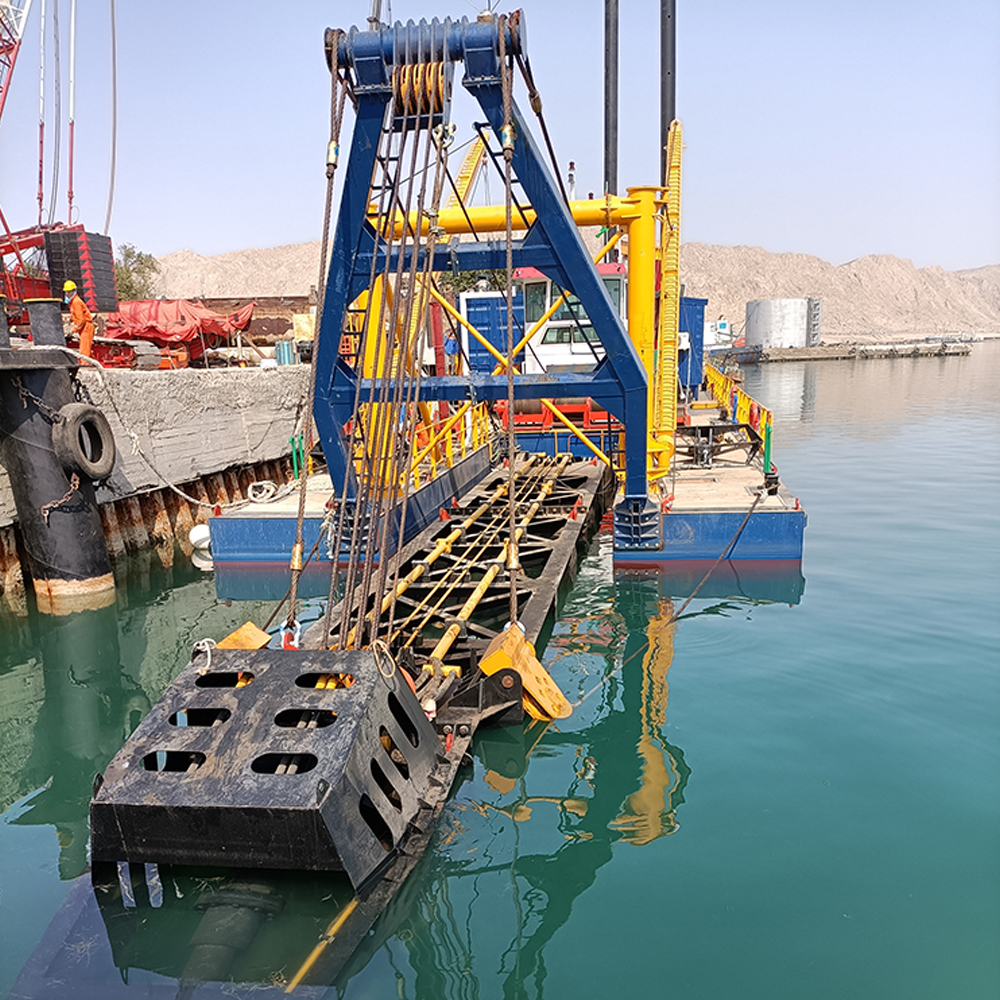
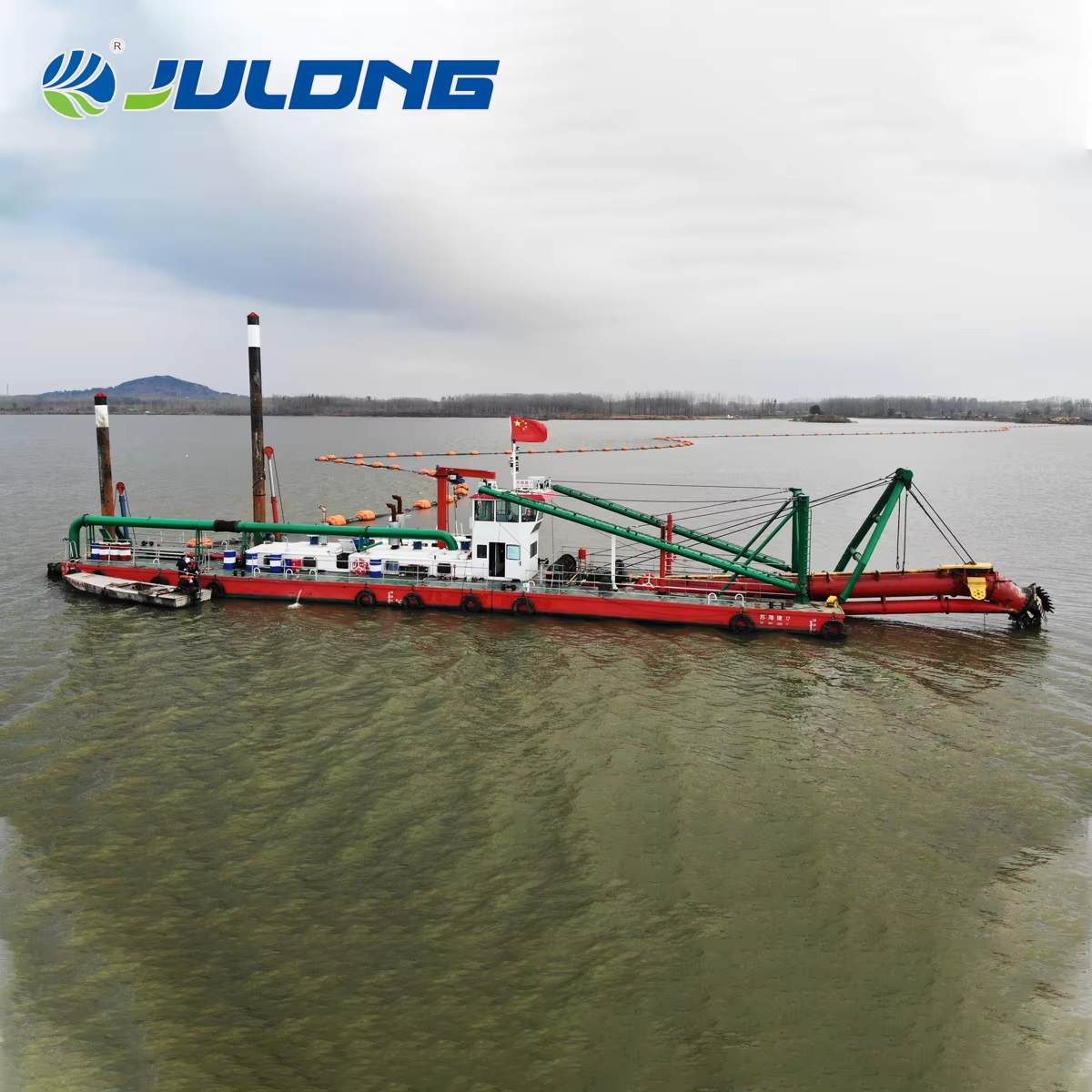
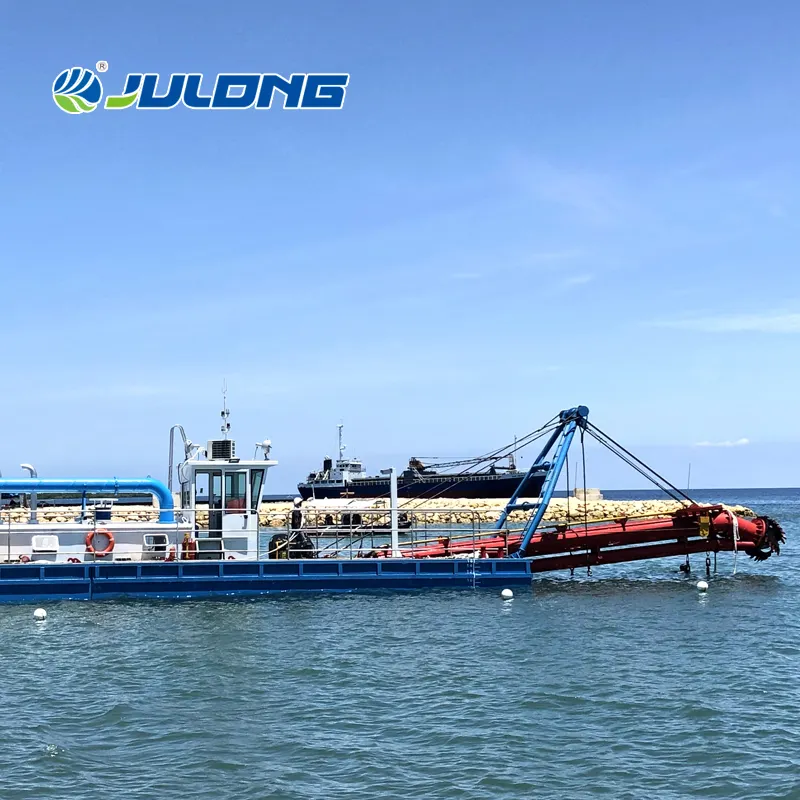
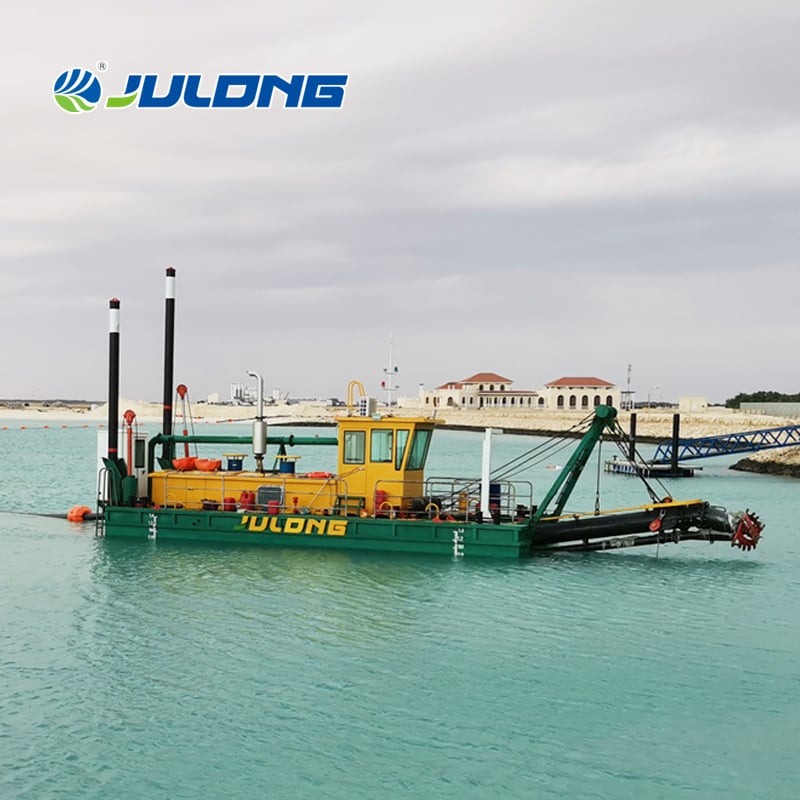
Port dredging is a critical operation that ensures the safe and efficient movement of vessels in and out of harbors. port dredging process involves the removal of sediment and debris from the bottom of the waterway, which can accumulate over time and hinder navigation. For B2B buyers, such as purchasing managers and engineers, the selection of appropriate dredging equipment is essential to ensure performance, reliability, and compliance with environmental standards., we will explore how to choose the right equipment for port dredging, key specifications to consider, trusted suppliers, installation guidance, and the benefits of using advanced materials in dredging equipment. 
Our Products

Key Specifications for Reliable Port Dredging Solutions

Key Specifications for Reliable Port Dredging Solutions

When evaluating dredging equipment, several key specifications should be taken into account: 

Dredging Depth and Width: The maximum depth and width a dredger can operate at are crucial for ensuring reliable port dredging solutions meets project needs. Buyers should confirm these dimensions align with the project’s dredging requirements. 

Pump Capacity: The pump capacity directly affects the efficiency of sediment removal. A higher capacity allows for faster dredging, which can reduce project timelines. water injection dredge is important to assess the sediment type as well; denser materials may require more powerful pumps. 

Material Construction: The materials used in dredger construction impact durability and performance. Corrosion-resistant materials are vital for equipment operating in saline environments. Check for certifications from international classification societies to ensure reliability. 

Operating Speed: This specification affects project duration and overall cost. Evaluating the operational speed in relation to the expected sediment type will help determine if the dredger can meet project deadlines. 

Fuel Efficiency: As fuel costs can significantly impact the overall budget, consider the fuel efficiency of the dredging equipment.  More efficient machines can lead to reduced operating costs over time. 

Having a comprehensive understanding of these specifications will aid buyers in selecting the most suitable dredging equipment for their port projects. 
Where to Find Trusted Suppliers for Port Dredging Equipmen

Where to Find Trusted Suppliers for Port Dredging Equipmen

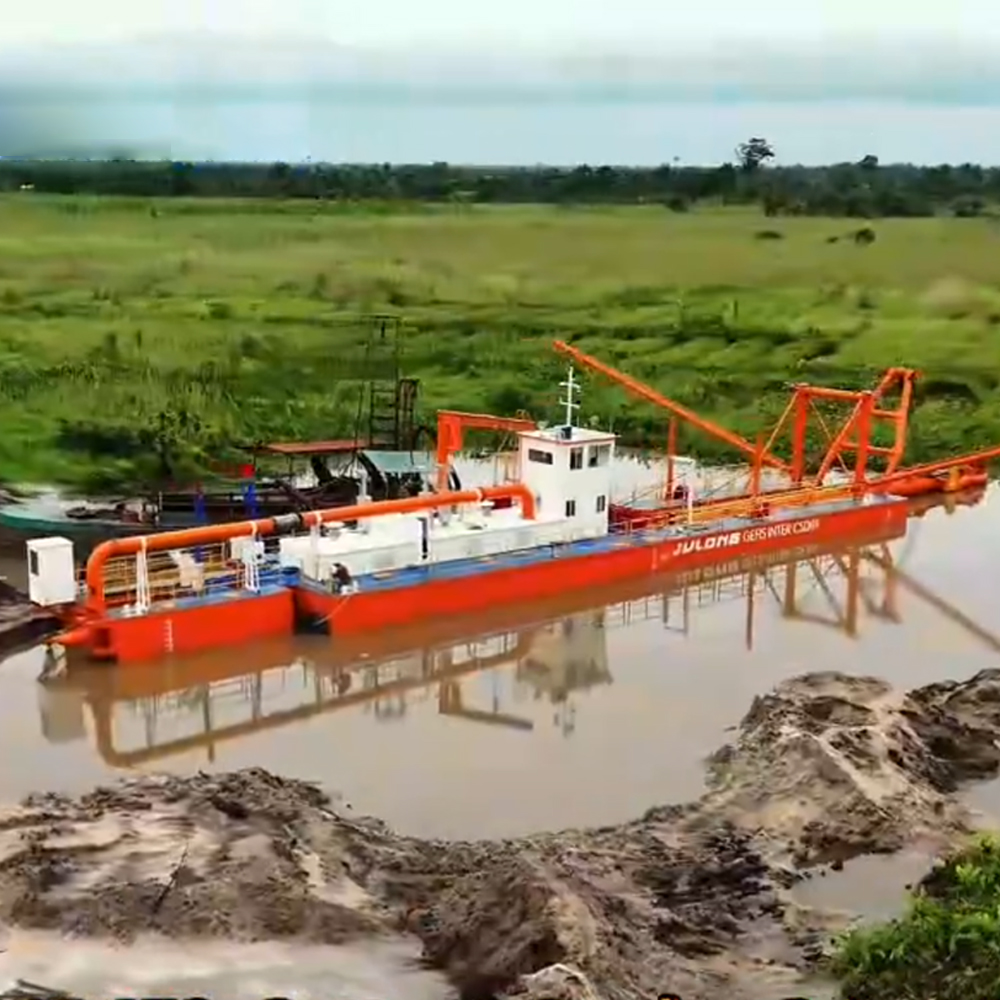
Finding reliable suppliers for port dredging equipment requires thorough research and evaluation. Start by identifying manufacturers known for their expertise in water environmental protection equipment. Look for companies like JULONG, which collaborates with top universities to develop innovative, patented products that adhere to international standards. 

Buyers should seek suppliers with a proven track record in the industry. waterway dredger can include checking references, reviewing case studies, and assessing the company’s reputation within the maritime and environmental sectors. Additionally, attending industry trade shows and conferences can provide opportunities to meet suppliers, view equipment firsthand, and discuss specific requirements directly with experts. 

It is also beneficial to inquire about after-sales support, including maintenance services, spare parts availability, and training for operators. A supplier’s commitment to ongoing support can significantly impact the long-term success of dredging operations. 

Installation Guidance for Efficient Port Dredging Operations

Installation Guidance for Efficient Port Dredging Operations

Proper installation of dredging equipment is crucial for maximizing efficiency and ensuring safe operation. Begin by reviewing the equipment’s technical manual, which provides specific installation instructions and guidelines. Here are some essential considerations: 

Site Preparation: Before installation, ensure that the site is cleared of any obstacles and that suitable access is available for delivery and equipment setup. 

Alignment and Leveling: Accurate alignment and leveling of dredging equipment are essenti al for optimal performance. Use appropriate tools to ensure the dredger is positioned correctly, which will enhance operational efficiency.  

Testing: Once installed, conduct thorough testing of the dredging equipment before full-scale operations begin. This testing phase should include checking all systems, including hydraulic, electrical, and safety features. 

Operator Training: Ensure that operators receive adequate training on the equipment's operation, maintenance, and safety protocols. Training should cover emergency procedures to minimize risks during dredging operations. 

By following these guidelines, buyers can ensure a smooth installation process that enhances the overall effectiveness of their dredging projects. 

Benefits of Using Advanced Materials in Dredging Equipment

The choice of materials in dredging equipment significantly influences performance and longevity. Advanced materials offer numerous advantages: 

Durability: High-performance materials such as high-density polyethylene (HDPE) and stainless steel provide resistance to corrosion and abrasion, extending the lifespan of dredging equipment. 

Weight Reduction: Lightweight materials can enhance maneuverability and reduce fuel consumption.  trusted suppliers for port dredging equipment is particularly valuable in port operations, where efficiency is paramount.  

Environmental Compliance: Using advanced materials can help manufacturers meet stringent environmental regulations. For instance, non-toxic coatings can minimize environmental impact during dredging operations. 

Cost-Effectiveness: While the initial investment in advanced materials may be higher, their durability can lead to lower maintenance costs and reduced downtime over the equipment's lifespan. 

When selecting dredging equipment, buyers should inquire about the materials used in construction and their benefits. This information can assist in making informed purchasing decisions that align with operational goals and environmental standards. 

By understanding the nuances of port dredging, from equipment selection to supplier evaluation, buyers can make informed decisions that enhance project efficiency and compliance. The insights provided here aim to assist purchasing managers and engineers in navigating the complexities of dredging operations effectively. 

How to Choose the Right Equipment for Port Dredging Projects

Choosing the right equipment for port dredging projects begins with understanding the specific requirements of the project.  Buyers should consider factors such as the type of sediment to be dredging equipment (mud, sand, or gravel), the depth of dredging required, and the operational environment. 

For instance, if the project involves dredging in shallow waters, a smaller, more maneuverable dredger may be appropriate, whereas deeper areas may require larger, more powerful equipment. Additionally, consider the dredging method—mechanical dredging is often used for dense materials, while hydraulic dredging is more suitable for softer sediments. Buyers should also evaluate the equipment's compatibility with existing infrastructure and any environmental regulations that may impact operations. 

It is advisable to consult with manufacturers or suppliers who have experience in port dredging projects.  water dredging equipment can provide insights into the most suitable equipment based on the specific site conditions and project objectives. 

Our Blog Posts

What Is a Dredger? Types, Applications, and Working Principles

01

Sep

What Is a Dredger? Types, Applications, and Working Principles

A dredger is a purpose-built boat or machine that is used to dig and remove sediment, trash, or other materials in underwater conditions to perform waterway maintenance, environmental safeguards, and infrastructure construction. JULONG has more than ...
View More
Why Cutter Suction Dredgers Are More Efficient for Large-Scale Projects?

29

Sep

Why Cutter Suction Dredgers Are More Efficient for Large-Scale Projects?

Julong, being a provider of dredging solutions with long experience, has long understood that cutter suction dredgers are a highly efficient option when it comes to large-scale projects, due to their design and functionality that are geared towards t...
View More
Dredgers in River, Lake, and Harbor Cleaning Projects

09

Mar

Dredgers in River, Lake, and Harbor Cleaning Projects

Dredgers are large machines used to clear debris in rivers, lakes and harbors. They are the little things that do a big job to keep our waterways clean and safe for Cuyahoga River animals, plants, and people. What are dredgers and how do they work Dr...
View More

Get a Free Quote

Our representative will contact you soon.
Email
Name
Company Name
Message
0/1000

Related Search

Choosing Port Dredging Equipment for Projects Choosing Port Dredging Equipment for Projects Choosing Port Dredging Equipment for Projects
email goToTop