river dredging-0

River Dredging Equipment for Environmental Solutions

  • No. 66, Changping Street, Xinchang Street, Weifang High-Tech Zone, Shandong Province, China
  • [email protected]

Get a Free Quote

Our representative will contact you soon.
Email
Mobile
Name
Company Name
Message
0/1000

River dredging

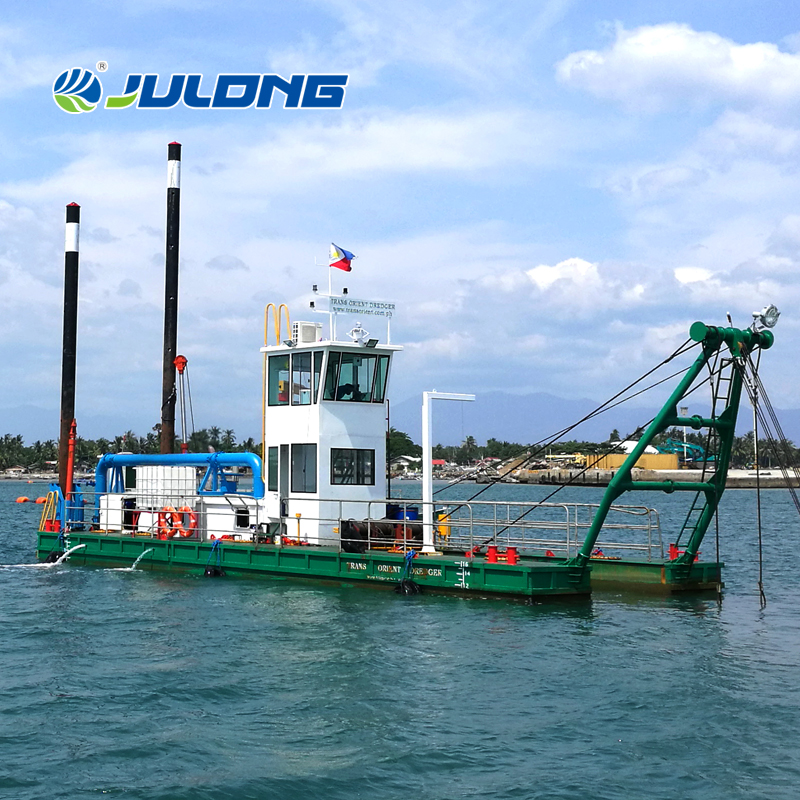
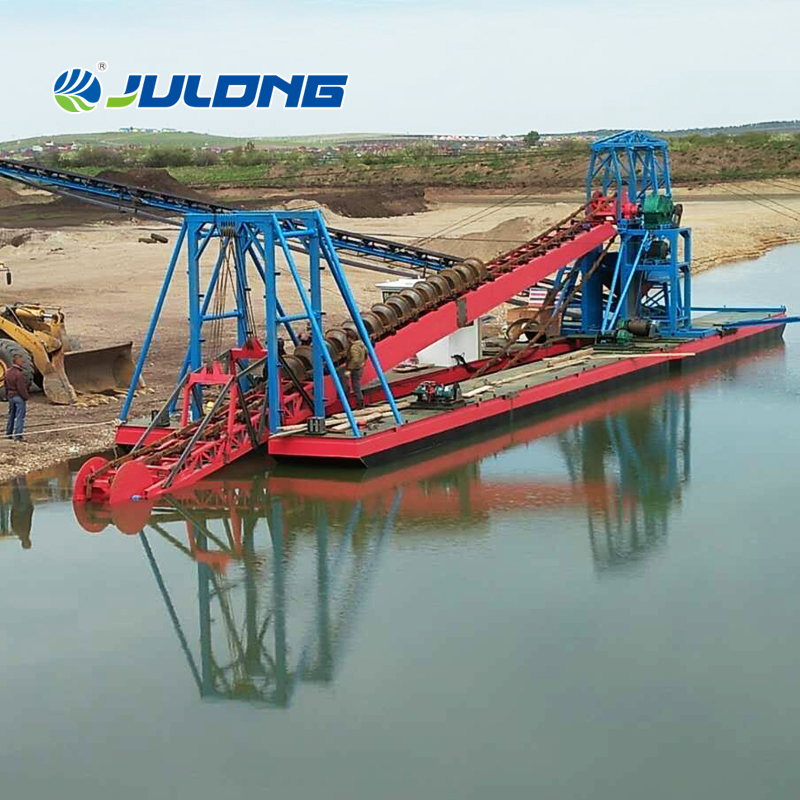
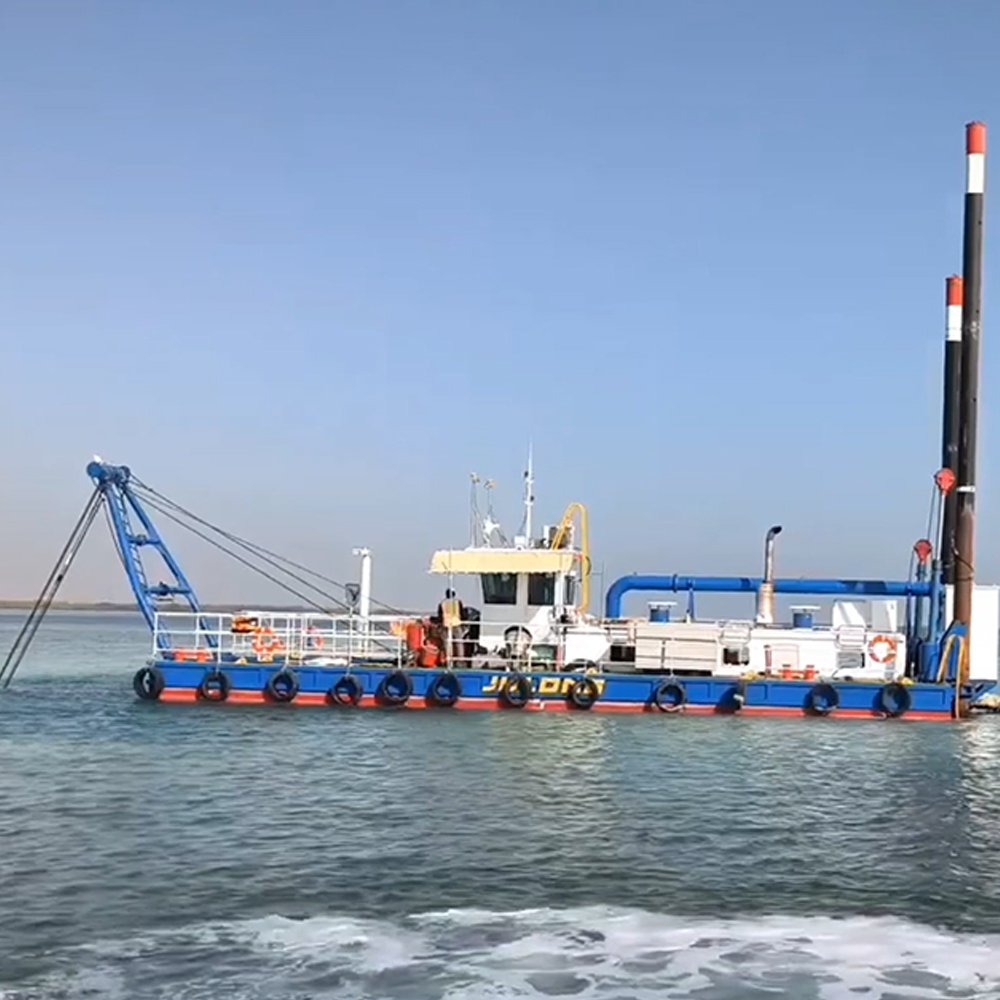
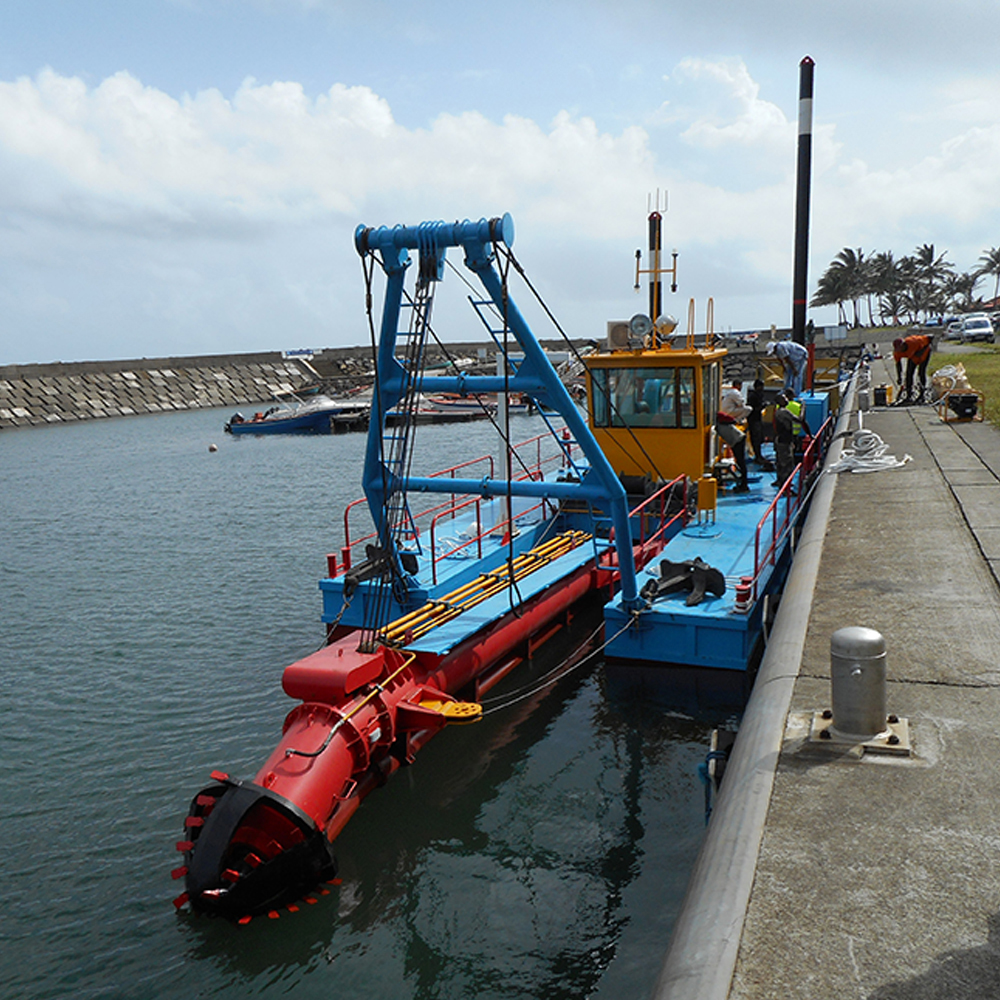
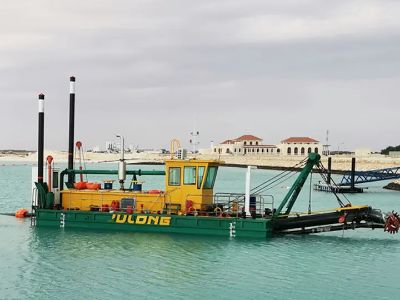
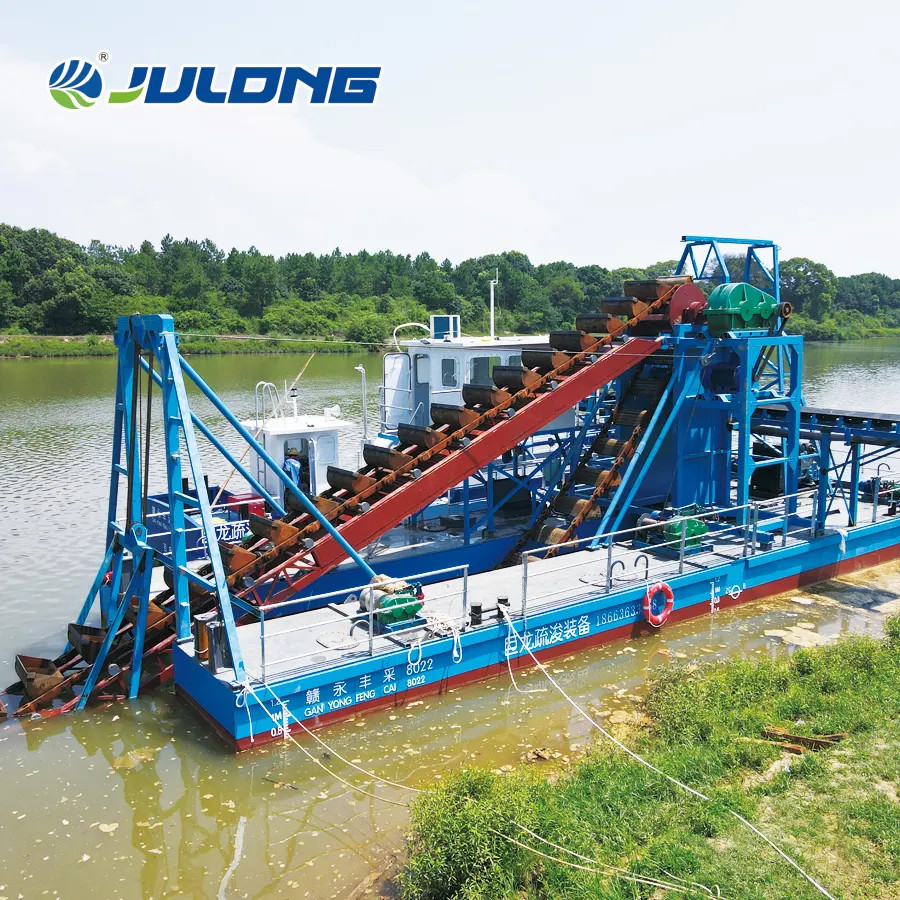
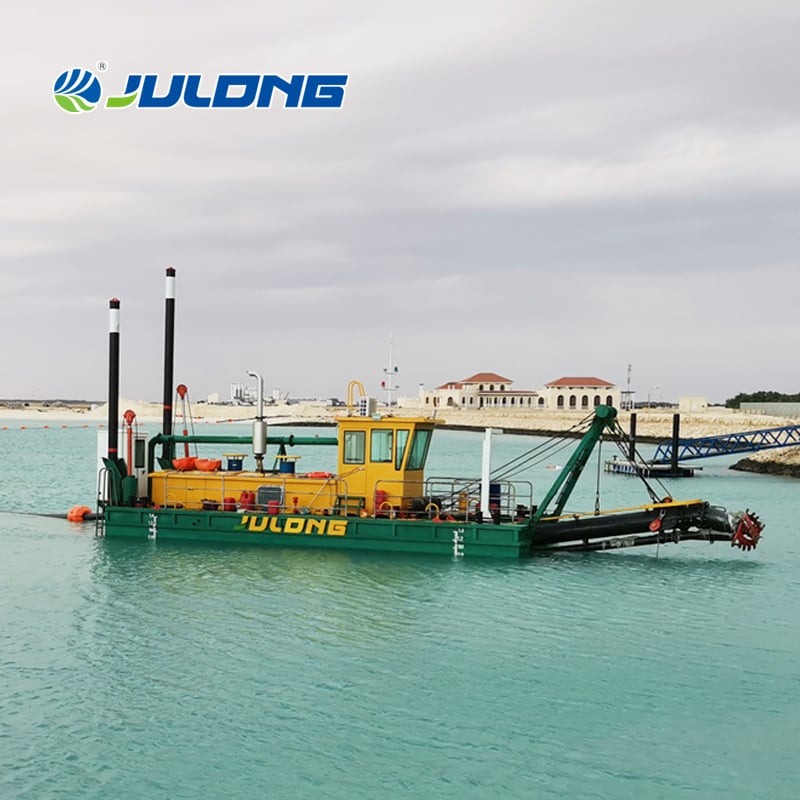
Understanding river dredging is crucial for environmental protection and managing waterways effectively. River dredging equipment is designed to remove sediment and debris from riverbeds, ensuring navigability, improving water quality, and restoring habitats. For B2B buyers, the primary concerns often revolve around river dredging equipment specifications, supplier reliability, installation processes, and potential operational challenges. This article will provide insights into these aspects to help you make informed decisions regarding river dredging equipment.
Our Products

How to Choose Reliable Suppliers for River Dredging Projects

How to Choose Reliable Suppliers for River Dredging Projects

Selecting a dependable supplier for river dredging projects is a critical step in ensuring project success. Here are some factors to consider when evaluating potential suppliers: 

Experience and Expertise: Look for suppliers with a proven track record in the manufacturing and supply of water dredging equipment equipment. Companies like JULONG, which collaborate with top universities for product development, often bring innovative solutions backed by research and industry experience. 

Certifications: Verify that the supplier's products are certified by recognized international bodies. This can serve as an assurance of quality and compliance with industry standards. 

Customization Capabilities: Different projects may have unique requirements. Suppliers should be willing to customize equipment based on specific needs, whether that involves modifications in design, size, or operational features. 

Customer Support and Service: Reliable suppliers should offer comprehensive after-sales support, including installation guidance, maintenance, and troubleshooting assistance. This is essential for minimizing downtime and ensuring efficient operations. 

References and Reviews: Seek feedback from previous clients to gauge the supplier’s reliability and product performance. Positive testimonials can provide confidence in your choice. 

By conducting thorough research and evaluating these factors, you can select a supplier who meets your project's requirements and can provide ongoing support. 
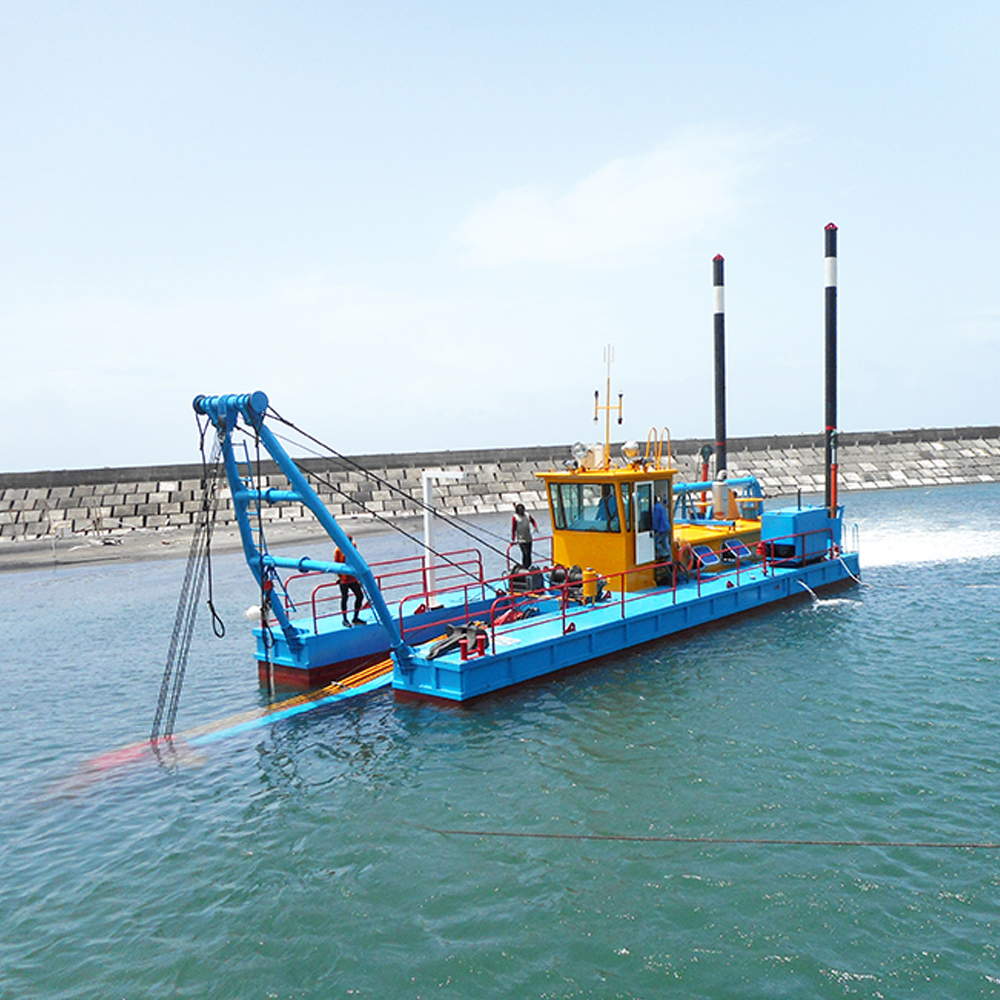
Installation Guidance for Effective River Dredging Operations

Installation Guidance for Effective River Dredging Operations

Proper installation of river dredging equipment is crucial for maximizing efficiency and effectiveness. Here are essential steps and considerations for a successful installation: 

Site Assessment: Prior to installation, conduct a thorough site assessment to identify the riverbed conditions, sediment types, and surrounding environmental factors. This information will inform the installation process and operational strategy. 

Equipment Setup: Follow the manufacturer’s guidelines for equipment assembly and placement. Ensure that the dredge is positioned correctly to optimize sediment removal and avoid operational inefficiencies. 

Testing Before Full Operation: It is advisable to conduct test runs to evaluate the dredging equipment’s performance under real conditions. This allows for adjustments to be made before full-scale operations begin, ensuring the river dredging equipment operates as intended. 

Safety Protocols: Adhere to safety protocols during installation and operation. Ensure that all operators are trained and equipped with the necessary safety gear to mitigate risks associated with dredging activities. 

By following these guidelines, you can enhance the effectiveness of your river dredging machine operations and minimize potential issues during the installation phase. 

Common Problems in River Dredging and Proven Solutions

Common Problems in River Dredging and Proven Solutions

River dredging projects can face various challenges that may impact productivity and efficiency. Here are some common problems and their solutions: 

Sediment Compaction: Compacted sediment can impede dredging operations. Regularly monitor sediment conditions and consider using specialized equipment designed to handle tough materials or employing techniques such as pre-dredging loosening to facilitate easier removal.  

Equipment Malfunctions: Mechanical failures can lead to significant downtime. Implement a rigorous maintenance schedule to inspect and service river dredging equipment regularly. Having spare parts readily available can also minimize delays in operations.  

Environmental Regulations: Compliance with environmental regulations is critical. Conduct thorough assessments and engage with environmental agencies to ensure dredging activities meet legal requirements. This often involves obtaining necessary permits and implementing best practices to mitigate ecological impact.  

Ineffective Operations: If dredging is not meeting expected outcomes, reassess operational parameters such as speed, depth, and dredging technique. Training operators on best practices can enhance efficiency and effectiveness.  

Through proactive management and addressing these common challenges, you can maintain smooth operations and achieve project objectives. 

Exploring Applications of River Dredging in Environmental Projects

River dredging has various applications in environmental projects, contributing to ecological restoration and waterway management. Key applications include: 

Habitat Restoration: Julong Dredging can help restore natural habitats by removing pollutants and sediment buildup that degrade aquatic ecosystems. This process can enhance biodiversity and improve fish populations. 

Water Quality Improvement: By removing excess sediment and organic material, dredging can improve water clarity and quality, which is vital for both aquatic life and human usage. 

Flood Prevention: Dredging can help maintain proper water flow and reduce the risk of flooding by deepening river channels. This is particularly important in areas prone to heavy rainfall or storm surges. 

Navigational Maintenance: Regular dredging keeps waterways navigable for commercial and recreational vessels, ensuring that shipping routes remain open and safe. 

Contaminated Sediment Removal: In areas with historical contamination, dredging plays a vital role in removing toxic sediments, thereby preventing further pollution and facilitating environmental clean-up efforts. 

By understanding these applications, B2B buyers can better appreciate the importance of river dredging equipment and its role in broader environmental initiatives. This knowledge can inform purchasing decisions and project planning, ensuring alignment with ecological goals.

Understanding River Dredging Equipment Specifications for Bulk Orders

When considering bulk orders for Julong river dredging equipment, it is vital to understand the specific technical specifications that impact performance and suitability for various applications. Key specifications include dredge type, size, capacity, and material construction. 

Dredge Type: Common types include hydraulic and mechanical dredges. Hydraulic dredges use suction to remove sediment, making them suitable for soft materials, while mechanical dredges are often better for solid debris. 

Size and Capacity: The dredging equipment's size should align with the project scale. Larger projects may require high-capacity dredges capable of moving significant volumes quickly. Conversely, smaller operations might benefit from compact models that are easier to maneuver. 

Material Construction: The choice of materials used in manufacturing the river dredging equipment is crucial. Equipment made from corrosion-resistant materials, such as stainless steel or high-strength composites, can ensure longevity and reliability, particularly in challenging environments. 

Production Quality: Ensure that the river dredging equipment is produced under strict quality control processes. For instance, certifications from international classification societies can validate the equipment's reliability and safety standards, offering assurance to buyers. 

By confirming these specifications, you can ensure that the river dredging equipment meets the operational demands of your project while aligning with environmental regulations.

Our Blog Posts

Why Aquatic Weed Harvesters Are Critical for Lake Ecosystems

05

Aug

Why Aquatic Weed Harvesters Are Critical for Lake Ecosystems

Water weeds cutters protect lake eco-systems by preventing the spread and overgrowth of an invasive specie.Invasives are like bullies who invade the lake and may be able to push out the native species of plants and animals who live in the lake. We&nb...
View More
Dredgers in River, Lake, and Harbor Cleaning Projects

01

Sep

Dredgers in River, Lake, and Harbor Cleaning Projects

The JULONG dredgers are more than fundamental in the health and performance of water bodies since they are specially constructed to provide rivers, lakes, and ports of their home countries with a free run of the same. Such versatility machines addres...
View More
What Is a Dredger? Types, Applications, and Working Principles

02

Mar

What Is a Dredger? Types, Applications, and Working Principles

Dredgers are amazing machines and if used properly they can keep our waterways healthy. These are just large scoopers that can scoop the sand, mud and other dirty things from the bottom of river, lake or sea. So let's jump into the world of dredger&n...
View More

Get a Free Quote

Our representative will contact you soon.
Email
Name
Company Name
Message
0/1000

Related Search

River Dredging Equipment for Environmental Solutions River Dredging Equipment for Environmental Solutions River Dredging Equipment for Environmental Solutions
email goToTop