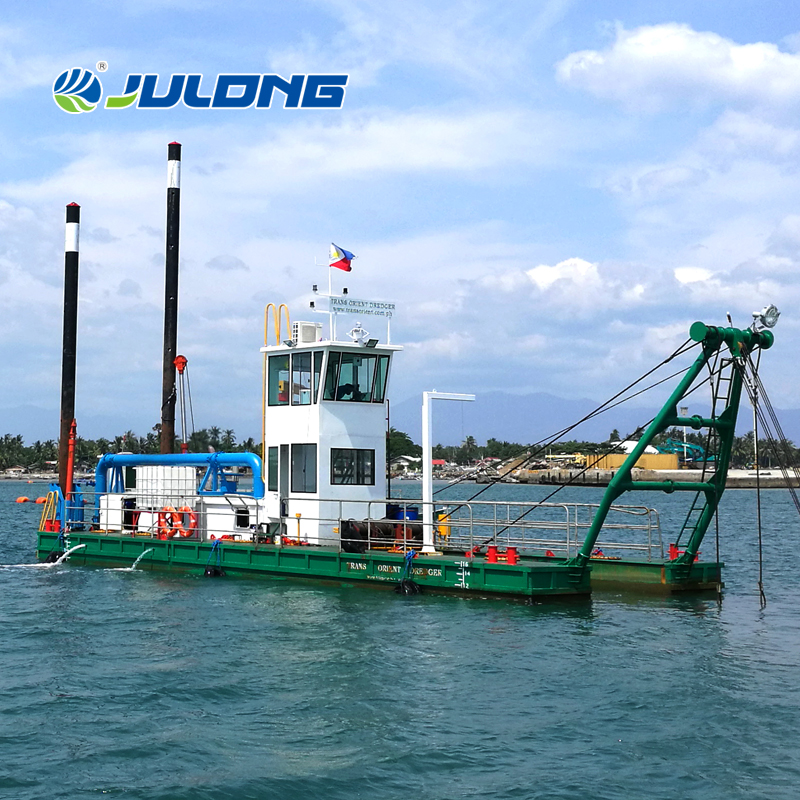
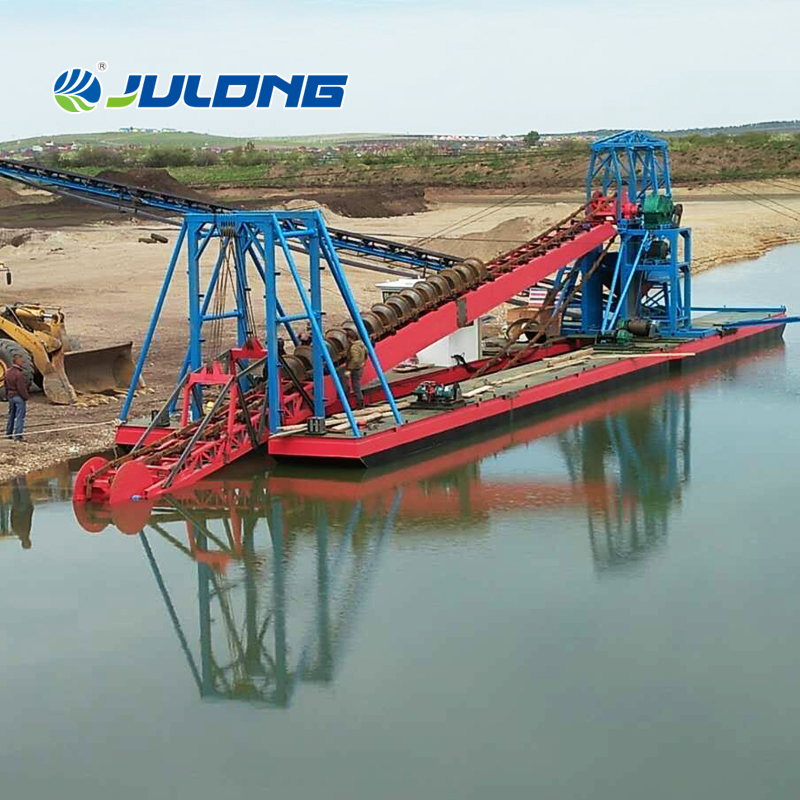
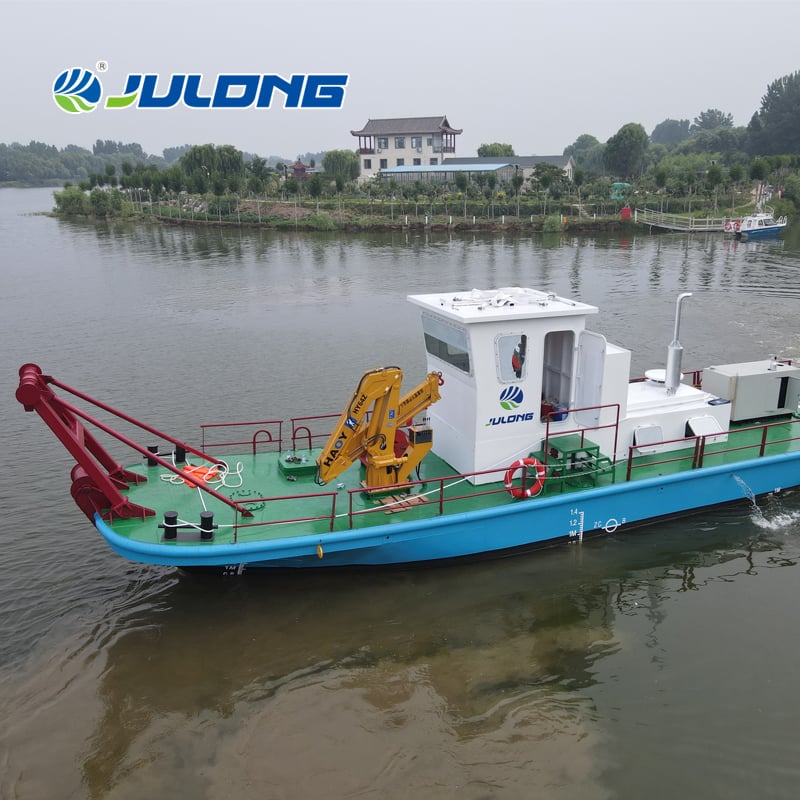
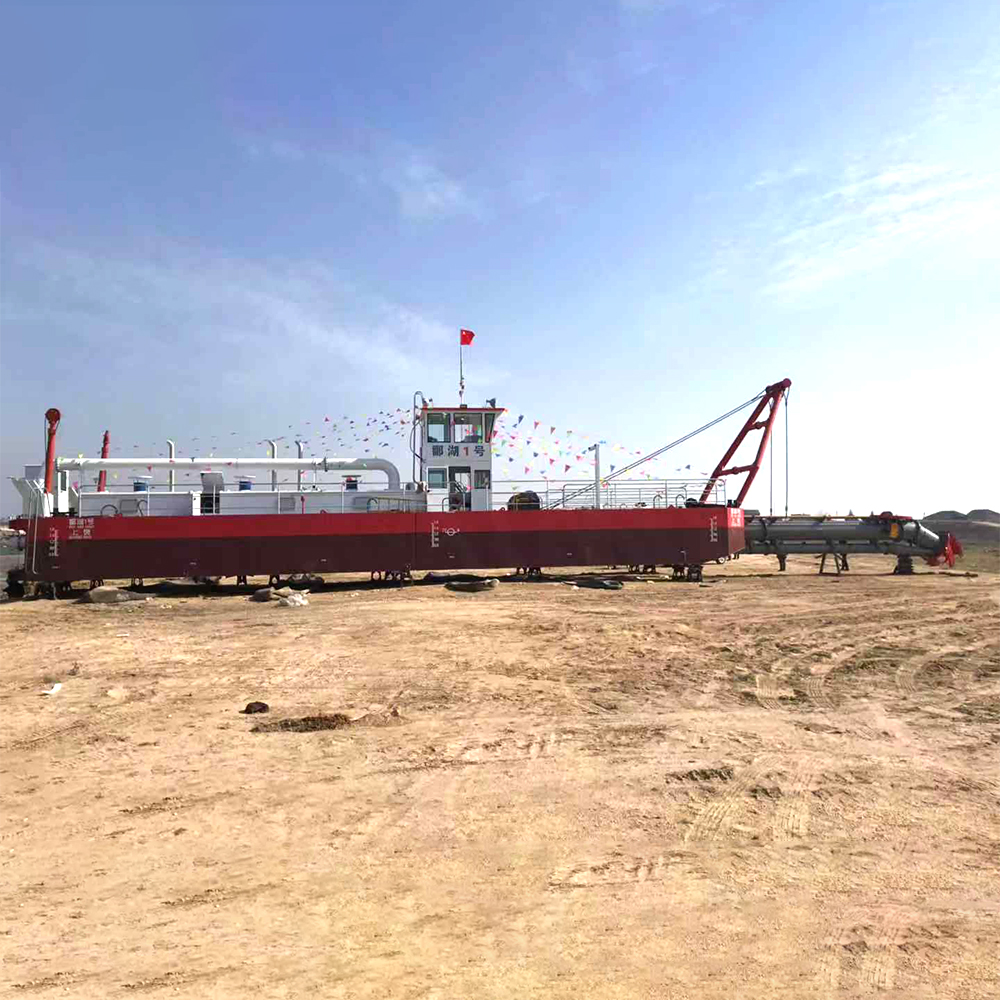
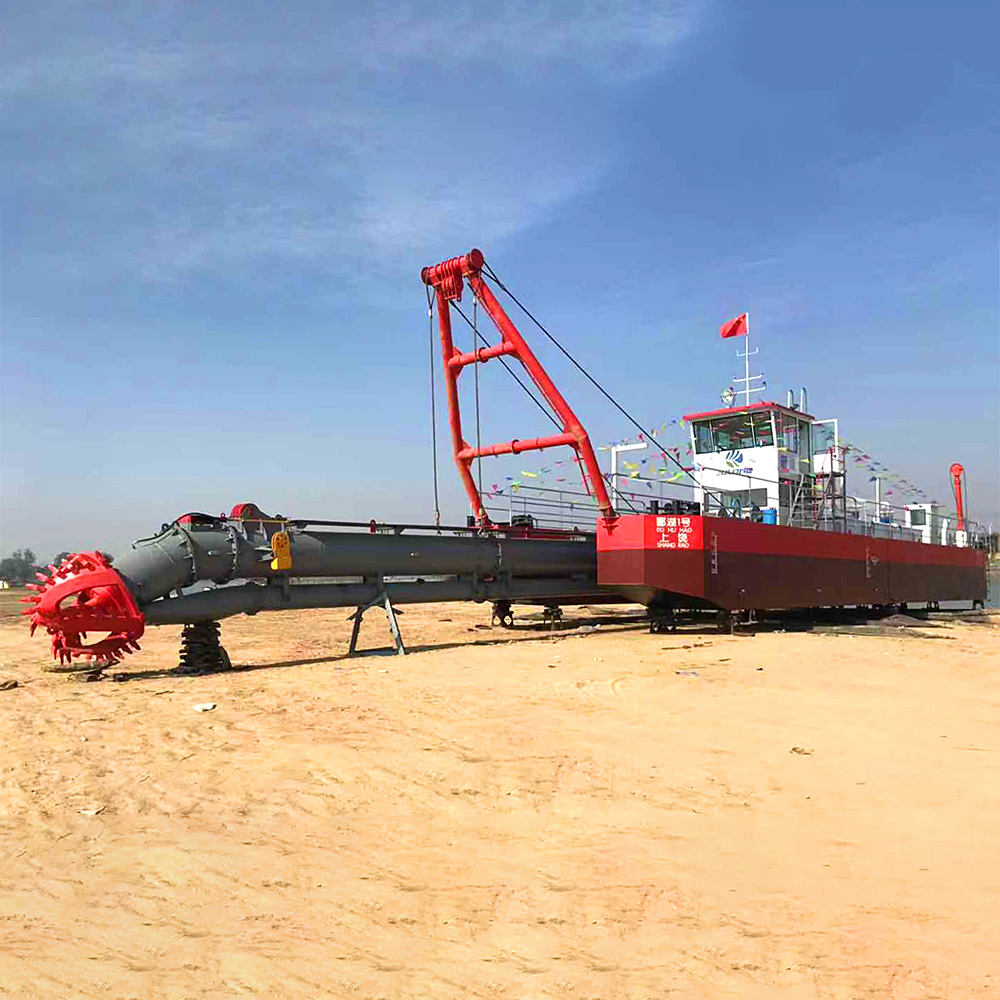
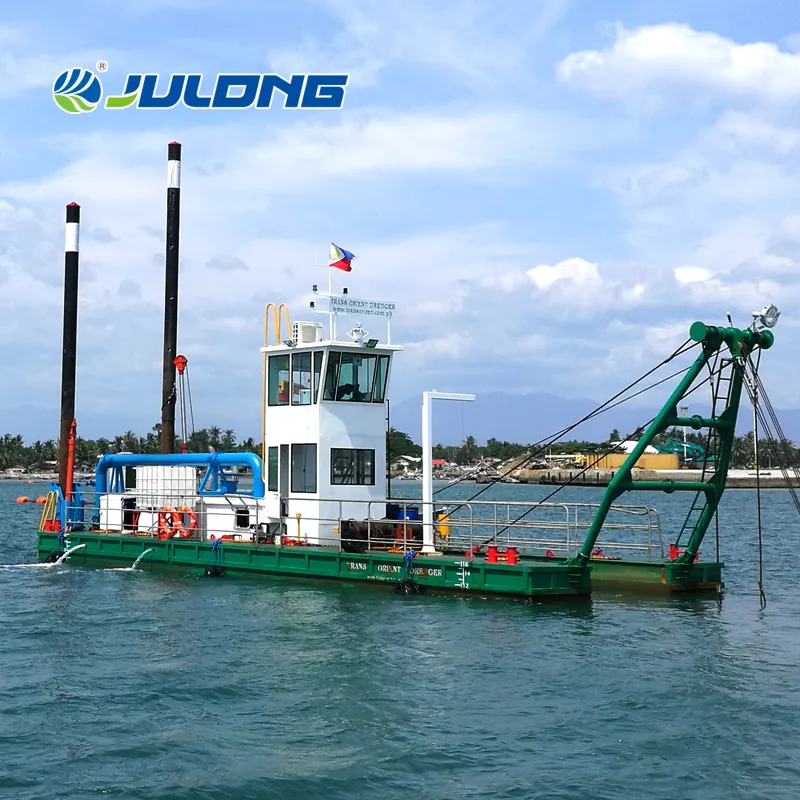
sand dredger for sale-0

Key Considerations When Buying a Sand Dredger

  • No. 66, Changping Street, Xinchang Street, Weifang High-Tech Zone, Shandong Province, China
  • [email protected]

Get a Free Quote

Our representative will contact you soon.
Email
Mobile
Name
Company Name
Message
0/1000

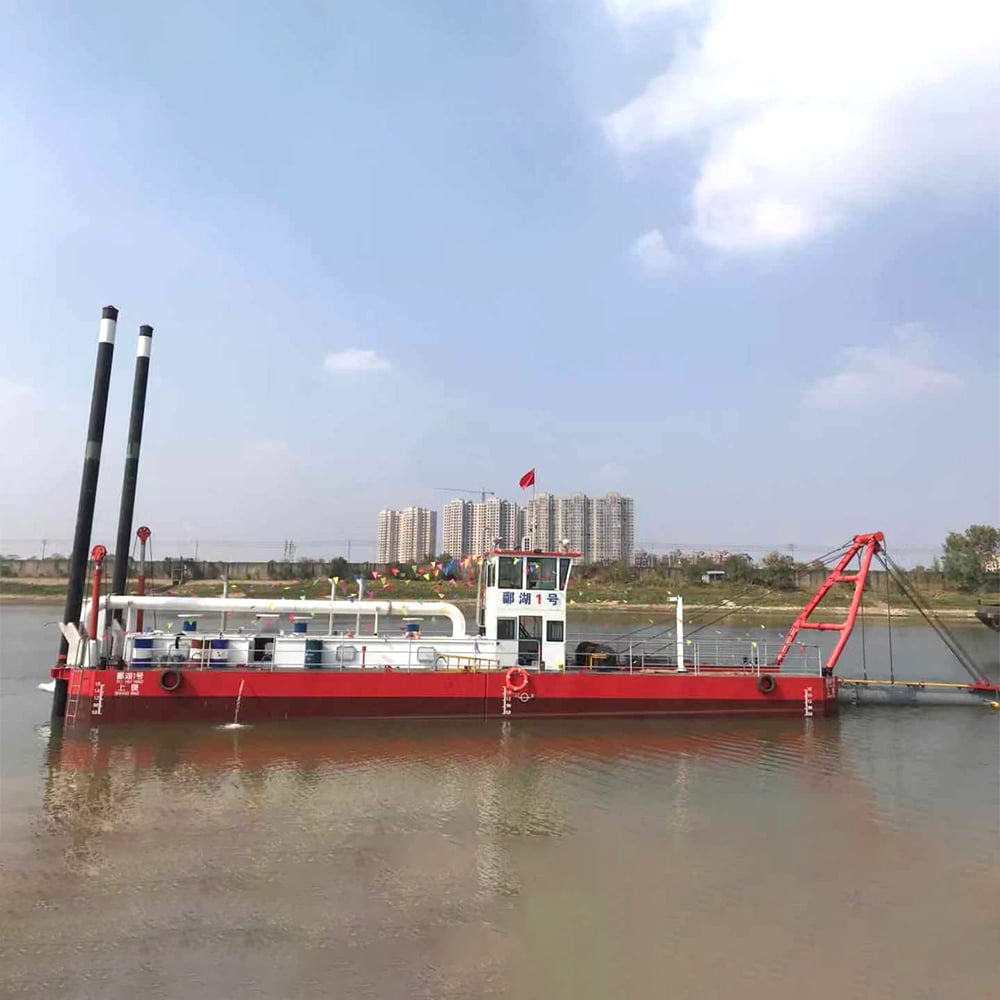
Sand dredger for sale

Sand dredgers are essential tools used in various industrial applications, particularly for environmental projects. As a B2B buyer, understanding the specifications, installation processes, common issues, and applications of sand dredgers is crucial for making an informed purchasing decision. This article will provide practical insights into evaluating Julong sand dredging for sale, helping purchasing managers and engineers select the right equipment for their specific needs. 
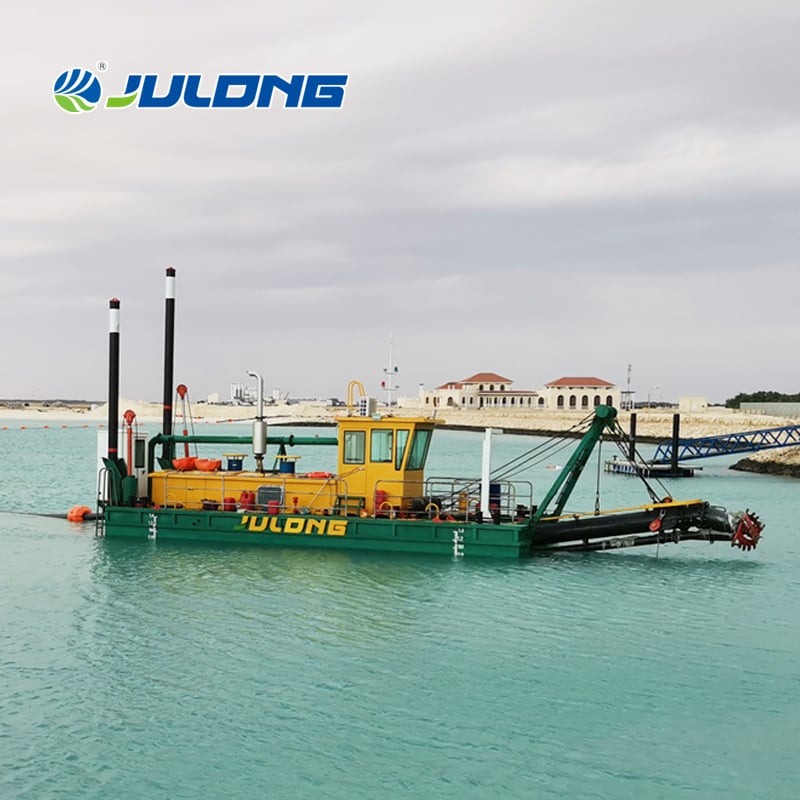
Our Products

Installation Guidance for Your New Sand Dredger Equipment

Installation Guidance for Your New Sand Dredger Equipment

Installing a sand dredger requires careful planning to ensure optimal performance. Here are some essential steps to follow: 

Site Assessment: Before installation, conduct a thorough site assessment to determine the best location for the dredger. This assessment should include water depth, sediment composition, and environmental regulations. 

Foundation Preparation: A stable foundation is critical to support the dredger's weight and operational movement. Depending on the Julong river sand dredging machine size and pump capacity, a concrete pad or reinforced ground may be necessary. 

Utility Connections: Ensure that all required utility connections, such as power and water supply, are in place. This is particularly important for dredgers equipped with hydraulic systems. 

Training and Safety Protocols: Once the dredger is installed, provide training for operators on safe operation and maintenance practices. Implement installation guidance to minimize risks during dredging operations. 

Testing: Before full-scale operations begin, conduct a series of tests to ensure the dredging depth correctly within expected parameters. This testing phase helps identify any installation issues that may need addressing. 
Common Problems Faced with Sand Dredgers and Their Solutions

Common Problems Faced with Sand Dredgers and Their Solutions

While sand dredgers are robust machines, they can encounter issues that may disrupt operations. Here are some common problems and their solutions: 

Clogged Pumps: A frequent issue is clogging caused by sand and debris. Regular maintenance and cleaning schedules can mitigate this risk. Consider using pumps with larger inlet screens to reduce clogging. 

Hydraulic Failures: Hydraulic systems may fail due to leaks or pressure loss. Routine inspections of hydraulic lines and pump capacity components can help identify wear and tear early. Replacement of worn parts before failure can prevent costly downtime. 

Wear and Tear on Components: Continuous operation can lead to wear on critical components such as hoses and seals. Utilizing high-quality materials and components can extend the lifespan of these parts. 

Electrical Issues: Electrical malfunctions can arise from faulty wiring or component failure. It’s advisable to have a qualified technician conduct regular electrical system checks to ensure reliability. 

Environmental Compliance: Changes in environmental regulations can affect dredging operations. Stay informed about local laws and regulations to ensure compliance and avoid potential fines. 

Applications of Sand Dredgers in Environmental Projects

Applications of Sand Dredgers in Environmental Projects

Sand dredgers play a vital role in various environmental projects, including: 

Beach Nourishment: Sand dredgers are used to transport sand from offshore deposits to replenish eroded beaches. This application helps protect coastal infrastructures and ecosystems. 

River and Lake Restoration: Sediment removal from rivers and lakes enhances water quality and aquatic habitats. Dredging can restore natural water flow and improve recreational areas. 

Wetland Creation: Dredgers help create or restore wetlands by relocating sediment to designated areas. Wetlands provide essential habitats for wildlife and serve as natural water filters. 

Pollutant Removal: In projects aimed at cleaning contaminated water bodies, dredgers can remove polluted sediment, aiding in the restoration of ecosystems. 

Construction Projects: Dredgers are also employed to prepare sites for construction projects, such as marinas or docks, by clearing unwanted sediment and ensuring a stable foundation dredging depth. 

Evaluating the Quality of Sand Dredgers Before Buying

Before making a purchase, it is essential to evaluate the quality of sand dredgers thoroughly. Here are key aspects to consider: 

Manufacturer Reputation: Research the manufacturer’s history and reputation in the industry. A manufacturer with a proven track record is likely to produce high-quality equipment. 

Material Quality: Inspect the materials used in the dredger’s construction. High-quality steel or specialized alloys can enhance durability and resistance to wear. 

Quality Control Processes: Inquire about the Julong sand dredger ship manufacturer’s quality control processes. Rigorous testing and inspections during production can lead to more reliable products. 

Customer Feedback: Seek reviews and testimonials from other buyers. Real-world experiences can provide valuable insights into the dredger's performance and reliability. 

Warranty and Support: A solid warranty and customer support from the manufacturer can indicate confidence in the product quality. Ensure you understand the terms of the warranty and the installation guidance offered post-purchase. 

By understanding these key elements, purchasing managers and engineers can make informed decisions when looking for a pump capacity of a sand dredger for sale, ensuring that they select equipment that meets their operational needs and environmental standards. 

Key Specifications to Evaluate in Sand Dredgers for Purchase

When considering a sand dredger for sale, several key specifications should be evaluated to ensure the equipment meets your operational requirements. 

Pump Capacity: This refers to the volume of sand that the dredger can move per hour. A higher capacity indicates efficiency, especially for large-scale projects. Buyers should match the pump capacity to the expected workload to avoid underperformance. 

Dredging Depth: The maximum depth a dredger can effectively operate at is critical. This installation guidance specification affects the dredger's suitability for various applications, from shallow water environments to deeper dredging needs. 

Material Composition: The construction materials of the dredger, often steel or aluminum, impact durability and resistance to corrosion. For projects in saline or harsh environments, materials with higher corrosion resistance dredging depth are preferable. 

Dimensions: The size of the dredger affects its mobility and the types of vessels it can operate alongside. It's essential to confirm that the dredger fits within your operational constraints, including transportation and docking facilities. 

Certification: Ensure that the dredger is certified by relevant international classification societies. This certification is a testament to the quality and reliability of the equipment, crucial for maintaining operational standards. 

Our Blog Posts

How Dredge Machines Improve Port Maintenance Efficiency

05

Aug

How Dredge Machines Improve Port Maintenance Efficiency

Simplifying maintenance with the latest in dredge techIncreased efficiency through dredge technology is one of the greatest features of modern dredge machines in port maintenance. However, these Floating Trash Skimmer boat devices can easil...
View More
Different Types of Dredgers and Their Functions Explained

15

Sep

Different Types of Dredgers and Their Functions Explained

Julong provides a great variety of dredgers, but each of them is suited to the purpose of a particular project, sediment removal, ecological support, or extracting the resources. These dredgers have specific operations that match with the real life t...
View More
Cutter Suction vs. Bucket Dredger: Whats the Difference?

03

Mar

Cutter Suction vs. Bucket Dredger: Whats the Difference?

Dredgers are giant machines that help extract the mud, sand and/or rocks located in the bottom of rivers, lakes or seas. The type of dredger are basically two- cutter suction and bucket dredgers. This guide will give you an idea of how they both work...
View More

Get a Free Quote

Our representative will contact you soon.
Email
Name
Company Name
Message
0/1000

Related Search

Key Considerations When Buying a Sand Dredger Key Considerations When Buying a Sand Dredger Key Considerations When Buying a Sand Dredger
email goToTop