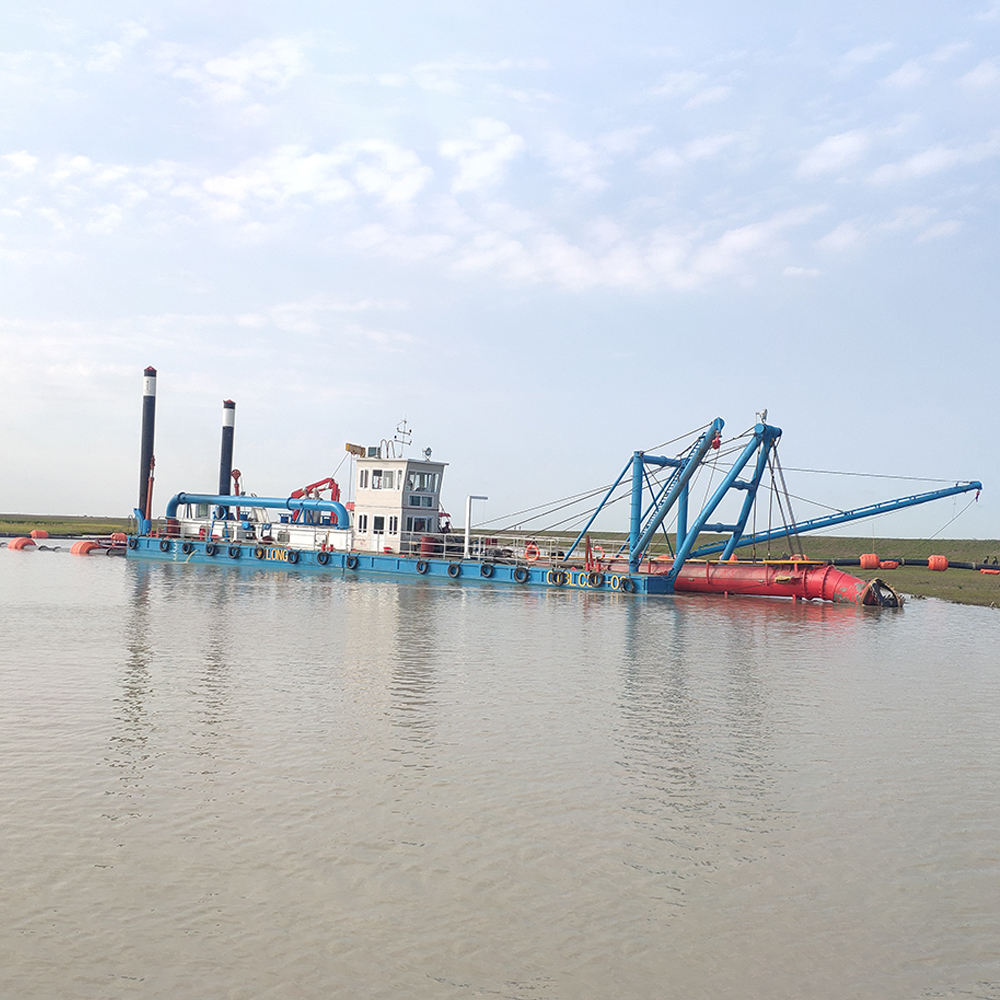
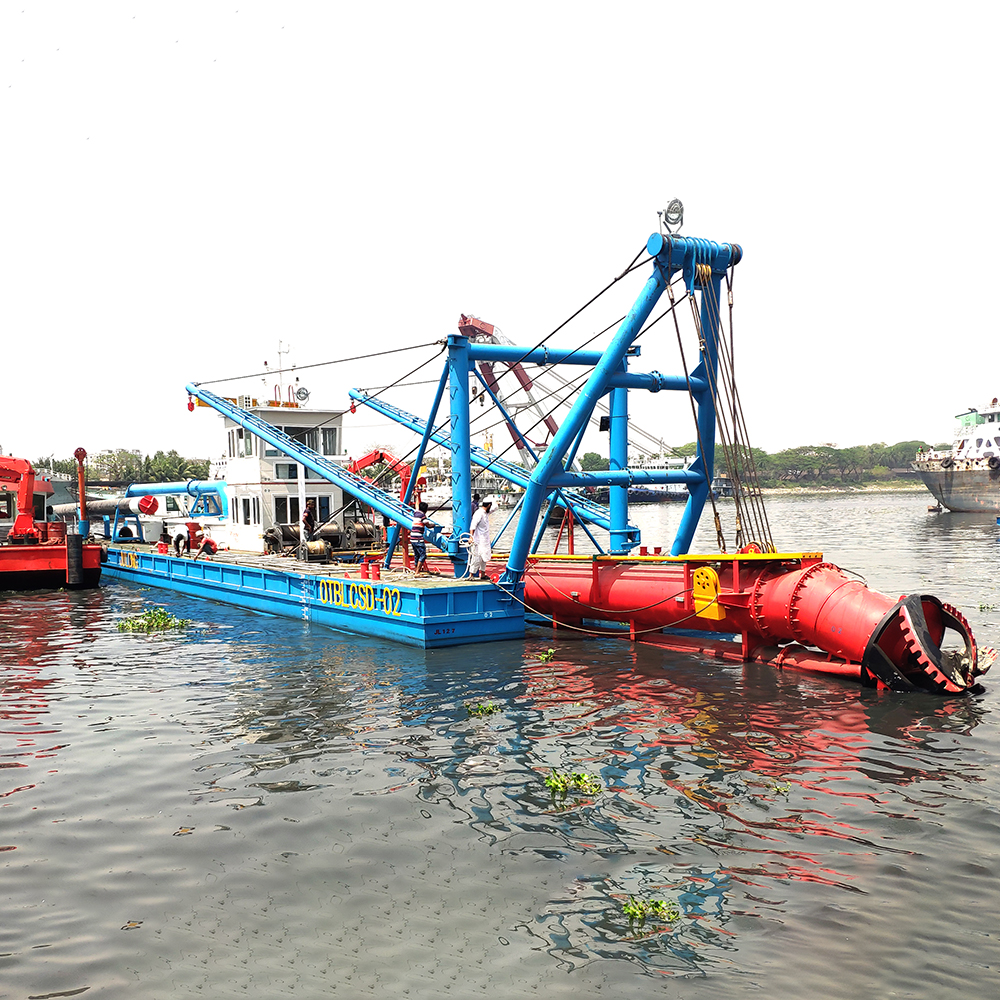
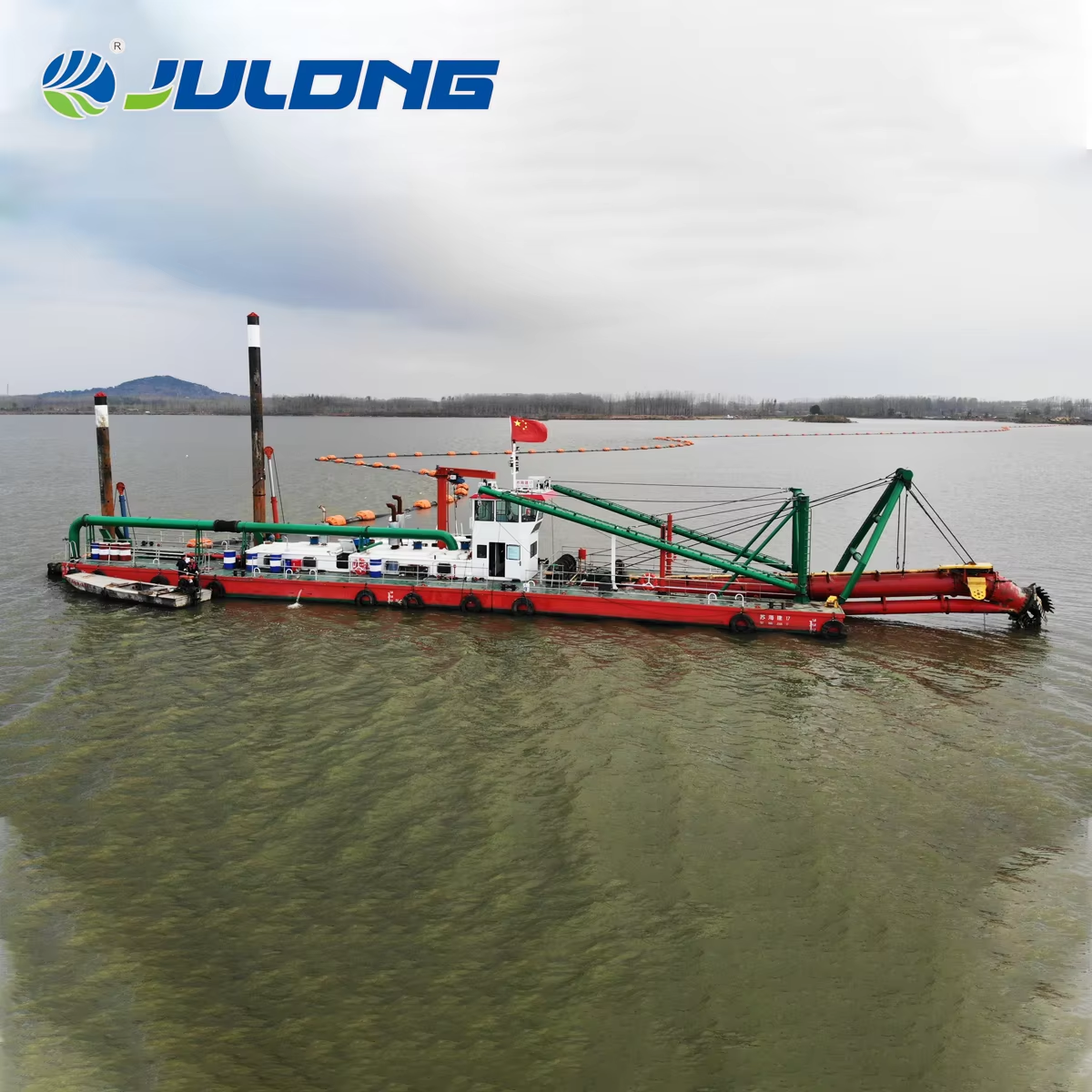
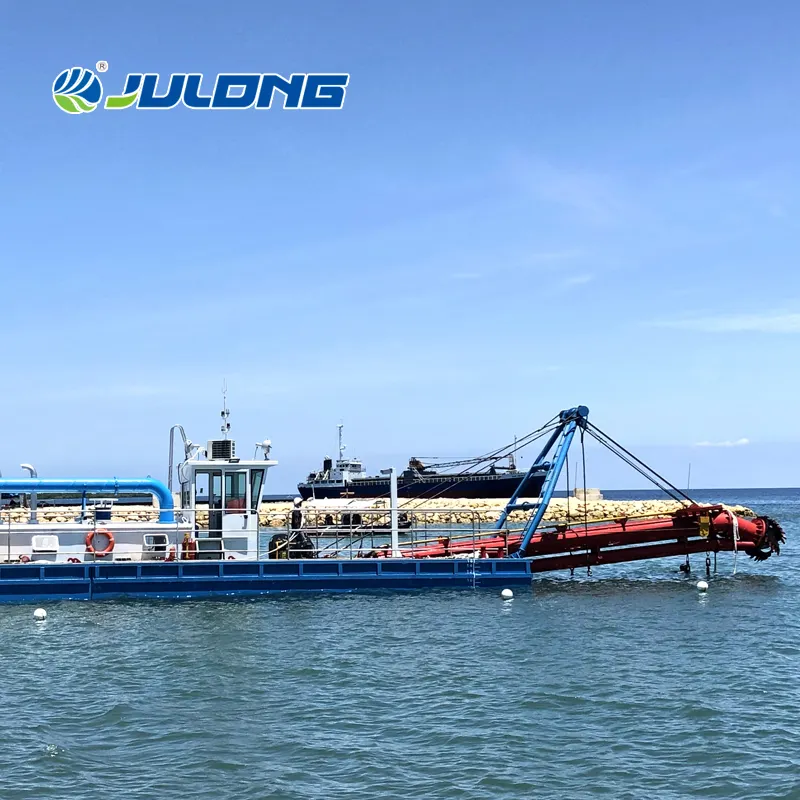
Self-propelled cutter suction dredgers are essential equipment for dredging operations, particularly in the marine and construction industries. These versatile machines are designed to efficiently remove sediments from water bodies while navigating autonomously. For B2B buyers, understanding the nuances of selecting, using, and maintaining these dredgers is crucial to ensuring optimal performance and reliability. This self propelled cutter suction dredgers aims to address common buyer concerns and provide guidance on sourcing, installation, troubleshooting, cost factors, and supplier selection for self-propelled cutter suction dredgers. By carefully weighing these factors, buyers can confidently select a supplier that meets their operational and budgetary needs.
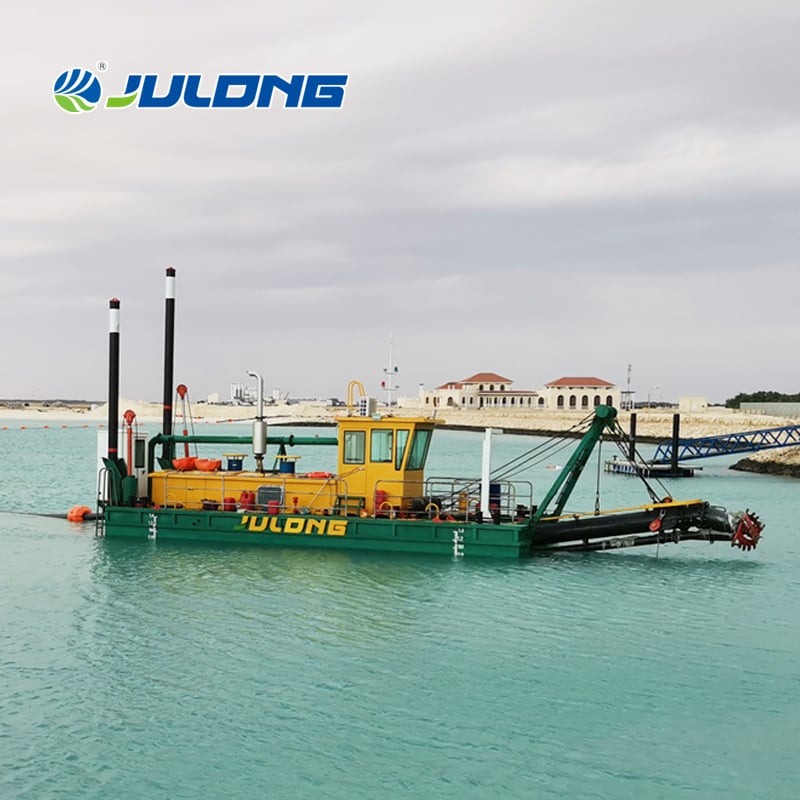

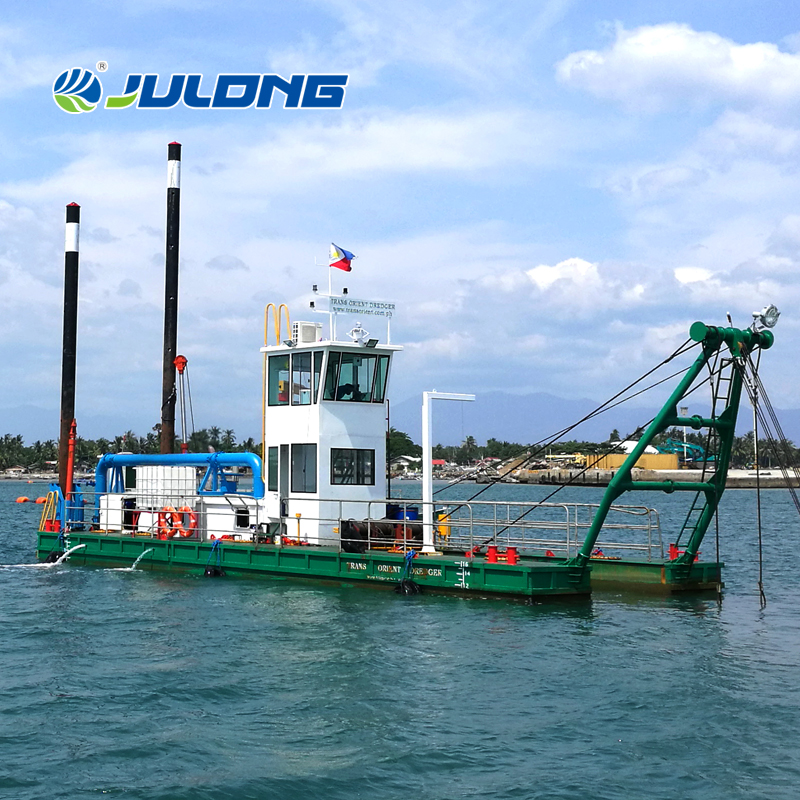


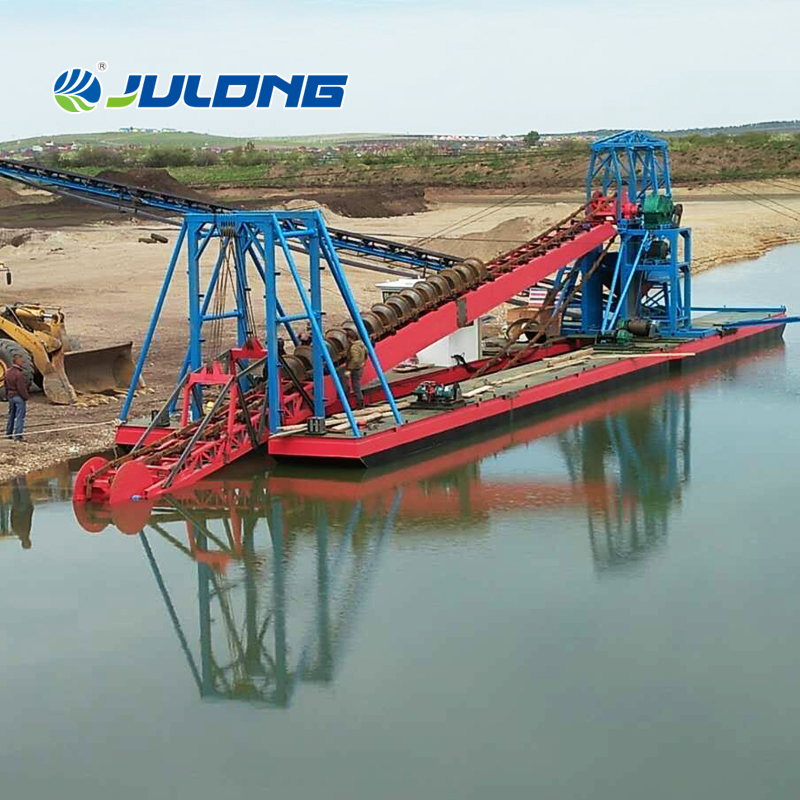


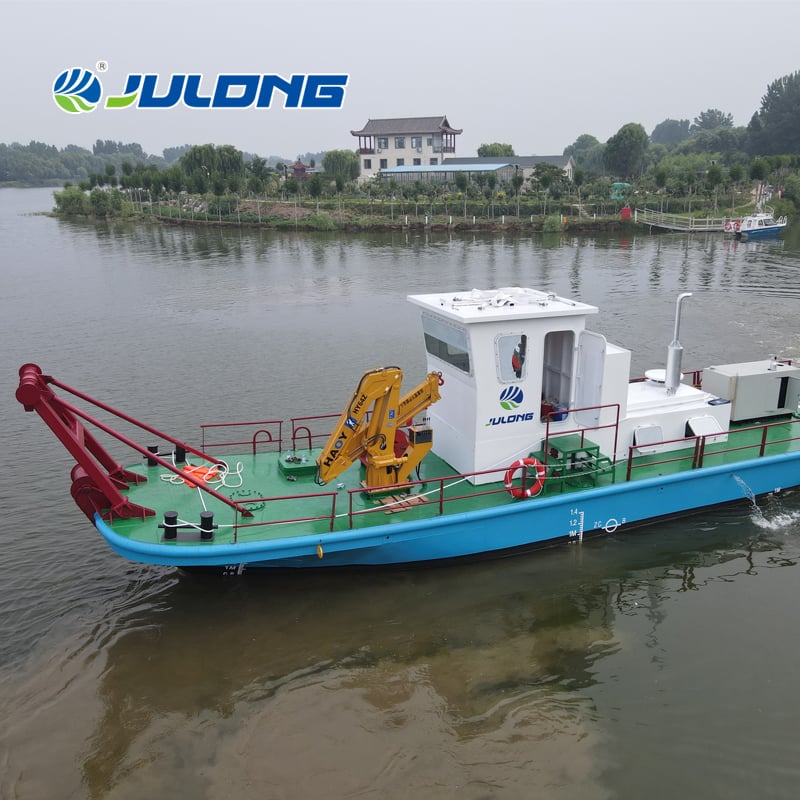
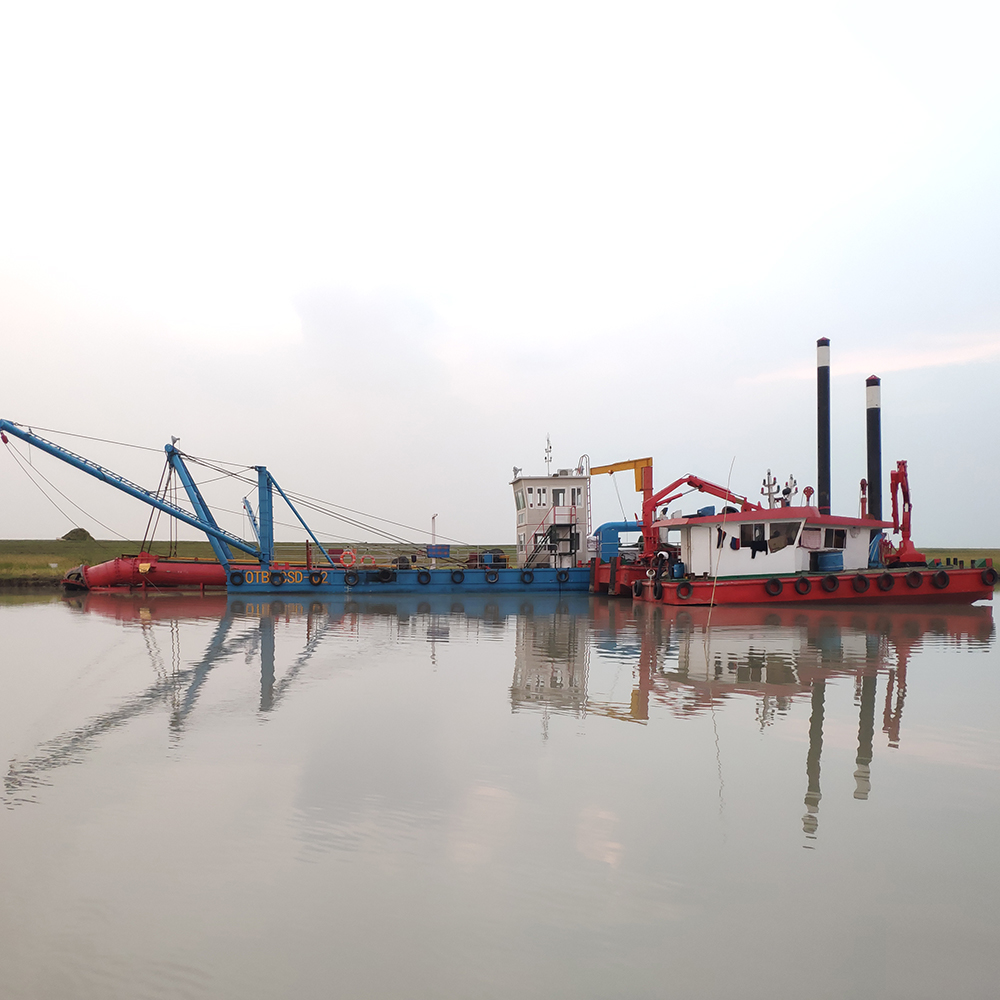
Installation Guidance for Self Propelled Cutter Suction Dredgers
Proper installation is essential to maximize the efficiency of self-propelled cutter suction common problems with self propelled cutter suction dredgers. Before installation, ensure that site conditions are suitable, as factors such as water depth, sediment type, and local environmental regulations can impact operations.
During installation, follow the manufacturer's guidelines closely. water dredging equipment includes assembling the dredger components correctly, connecting relevant systems (like hydraulic and electrical), and conducting pre-operation checks. It’s advisable to have trained personnel perform the installation to mitigate risks and ensure that all systems are operational. Additionally, conducting a test run can help identify any potential issues before full-scale operation. By carefully weighing these factors, buyers can confidently select a supplier that meets their operational and budgetary needs.