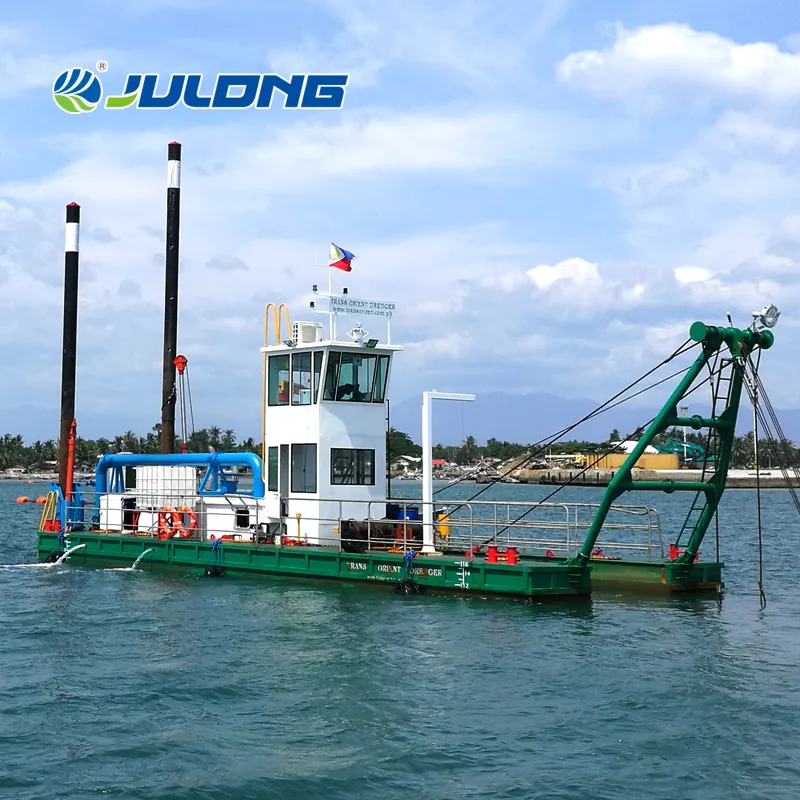
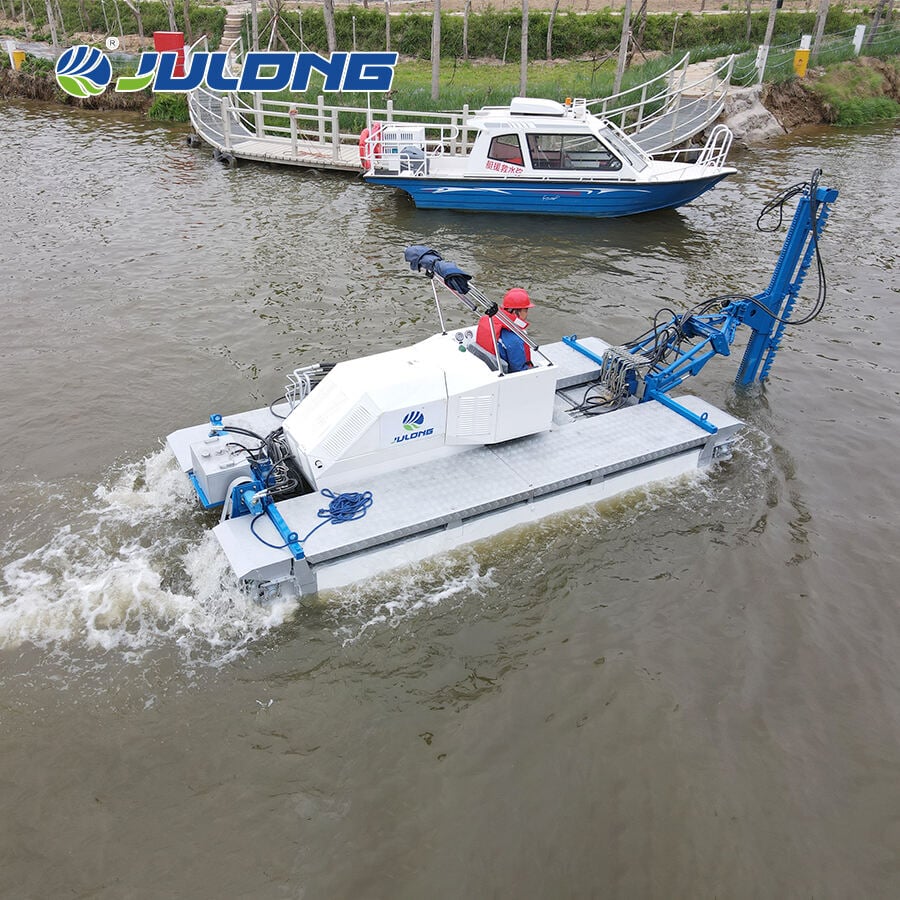
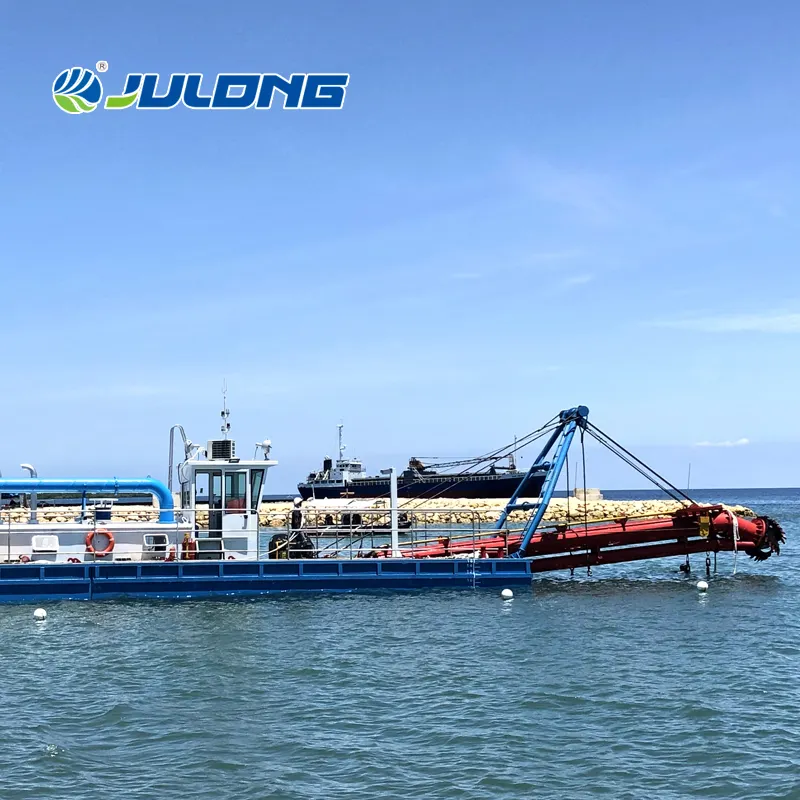
Tug boats are essential vessels in various maritime operations, providing critical support for towing and assisting larger ships in navigating through harbors or congested waters. For purchasing managers, engineers, and other B2B buyers, selecting the right tug boat involves understanding tug boat specifications, evaluating supplier capabilities, and addressing potential installation issues. This article will guide you through key considerations for choosing the right tug boat for your project needs, ensuring you make an informed purchasing decision.

How to Evaluate Tug Boat Specifications for Wholesale Purchasing
Understanding the tug boat specifications of a tug boats is vital for making informed purchasing decisions. Key tug boat specifications to evaluate include: Power Output: Measured in horsepower or kilowatts, this determines the tug's towing capacity. Confirm that the power output meets your operational requirements. Dimensions: Length, beam, and draft impact maneuverability and stability. Ensure that the dimensions align with the expected harbor or operational constraints. Hull Design: The shape of the hull affects performance in different water conditions. A rounder hull may provide better stability in rough waters, while a flatter hull could enhance speed in calm conditions. Propulsion Type: Options include conventional propellers, azimuth thruster, or water jets. Each type has its material advantages depending on the operational context. Fuel Capacity and Efficiency: Larger fuel tanks provide longer operational ranges but consider the trade-offs with weight and space. When requesting quotes, be clear about your operational needs and any specific configurations required. This clarity will help manufacturers provide accurate cost estimates and lead times.