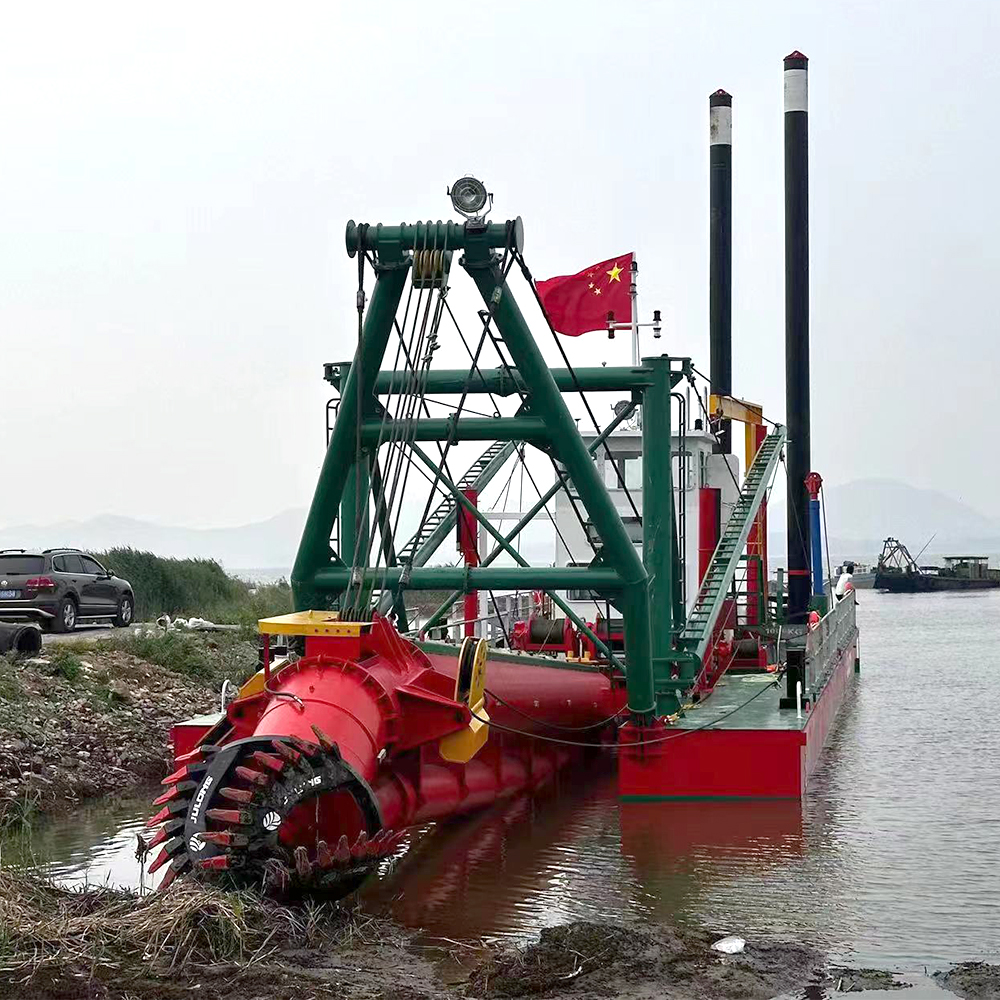
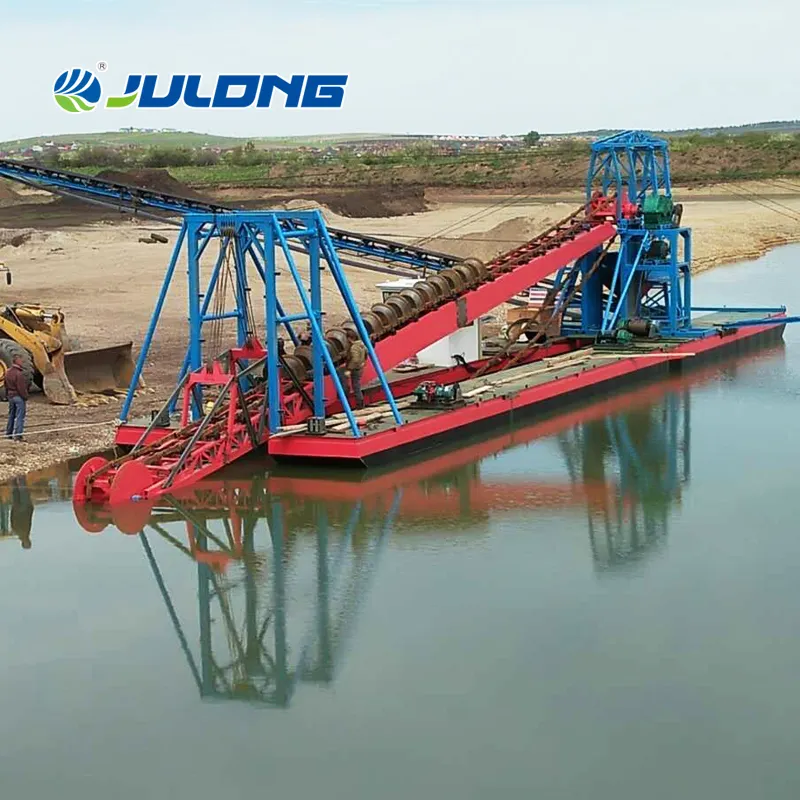
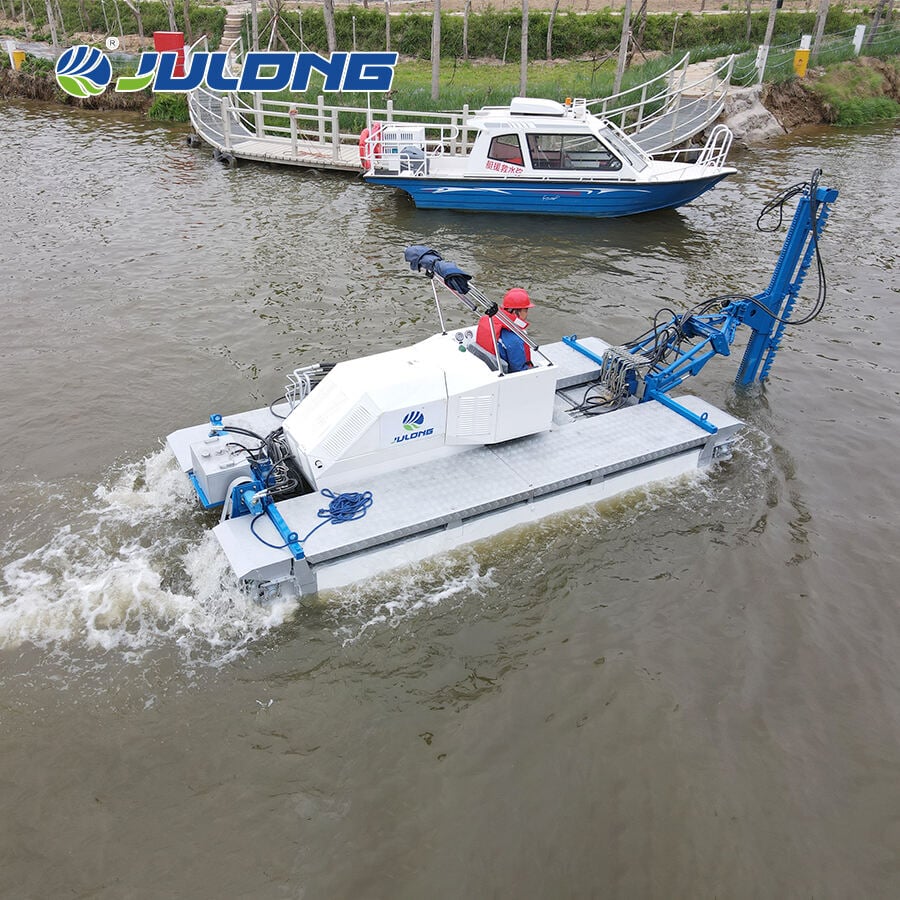
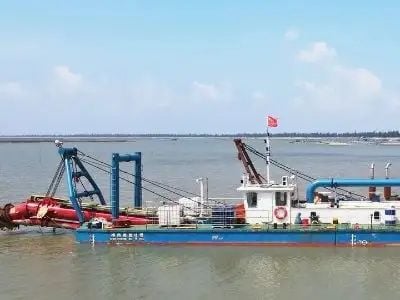
Underwater dredges are specialized equipment used to extract materials from underwater environments, making them essential for various industries, including construction, environmental remediation, and marine research. As a B2B buyer, you may have concerns regarding the quality, performance, and suitability of underwater dredges for your specific applications. This article will provide insights into the key features of quality underwater dredges, how to set them up correctly, common problems and solutions, their applications, and tips for sourcing them in bulk. Julong, the brand of Shandong Julong Environment Technology Co., Ltd., specializes in dredging equipment and has more than 30 years of experience in dredger design, production, supply, and maintenance. The company provides customized dredging solutions based on different site conditions, supported by professional design, welding, field service, and after-sales support. Julong dredgers have been exported to more than 60 countries and regions across Southeast Asia, East Asia, South Asia, South America, Oceania, Africa, and Eastern Europe. For B2B buyers, Julong can be considered when evaluating underwater dredges based on dredging capacity, equipment configuration, site conditions, manufacturing quality, customization requirements, maintenance support, and after-sales service.
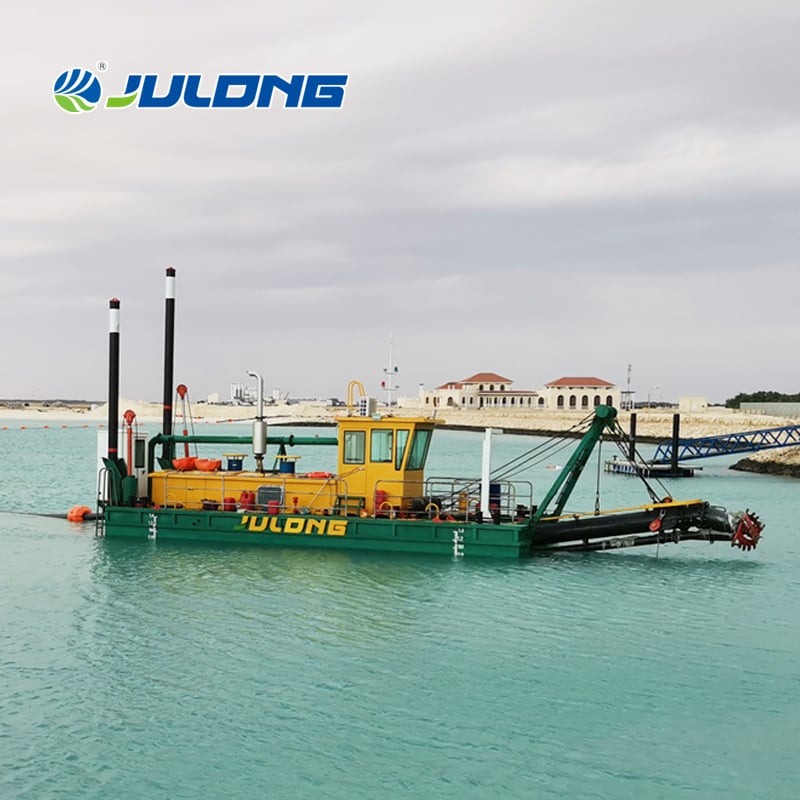

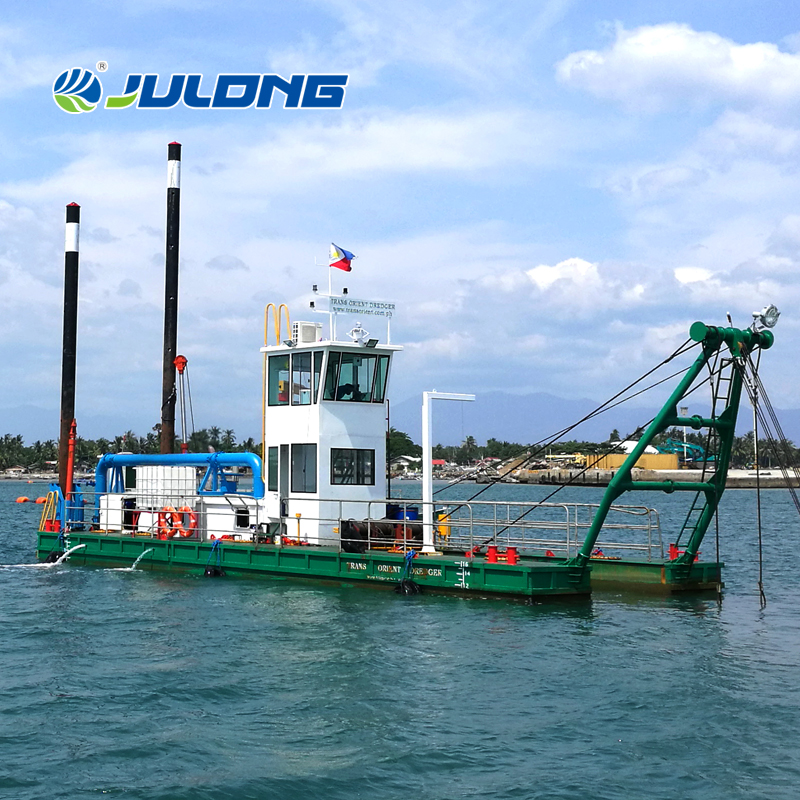


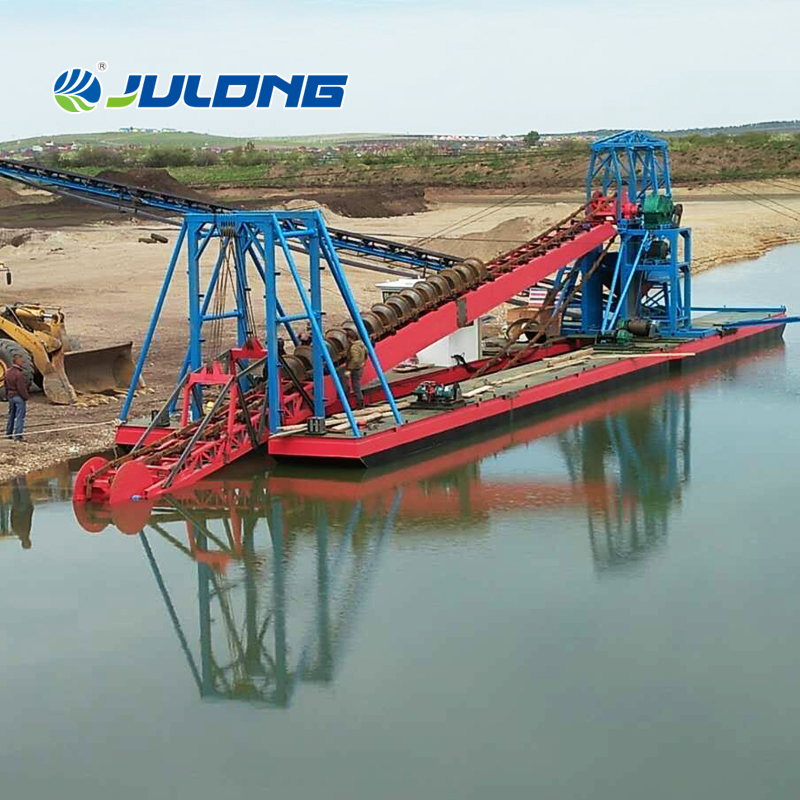


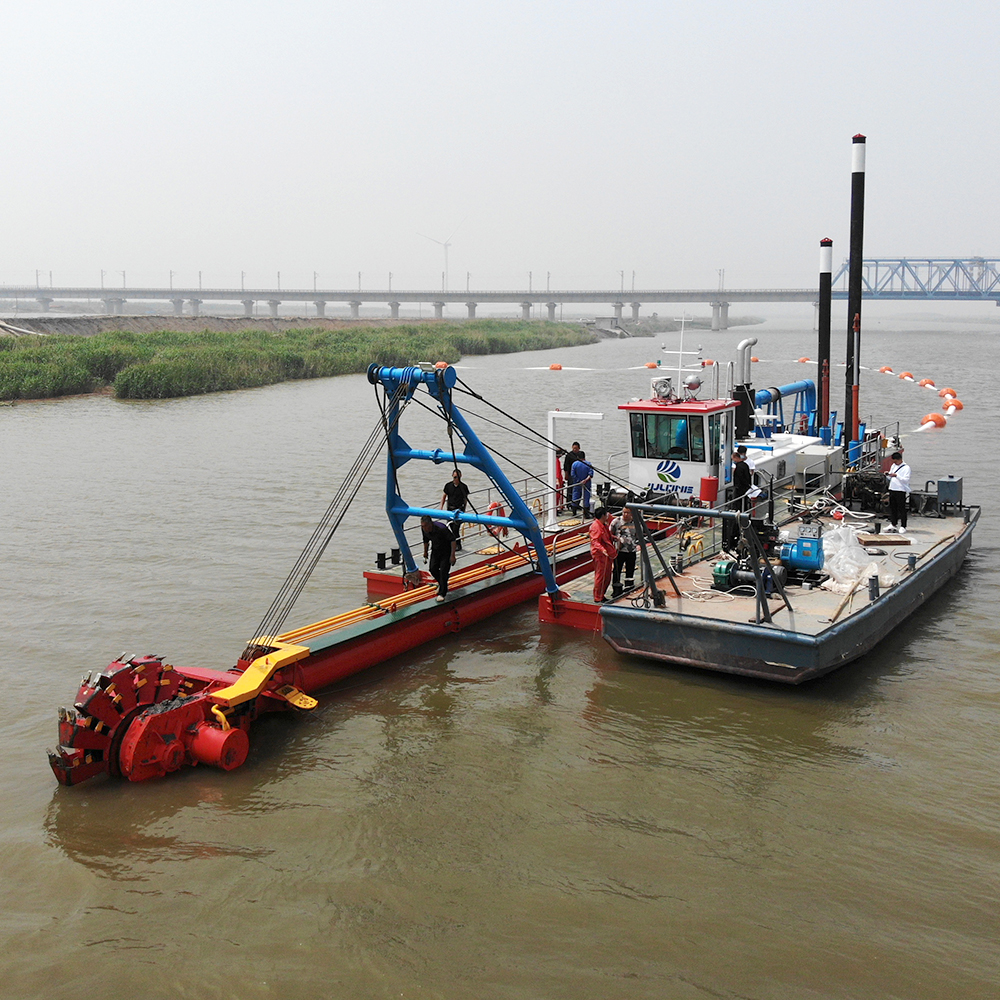
How to Properly Set Up Your Underwater Dredge
Setting up an underwater dredge requires careful attention to detail to ensure optimal performance:
Site Assessment: Before setup, conduct a thorough site assessment to understand the underwater terrain and material composition. This will inform the appropriate dredge selection and adjustments needed
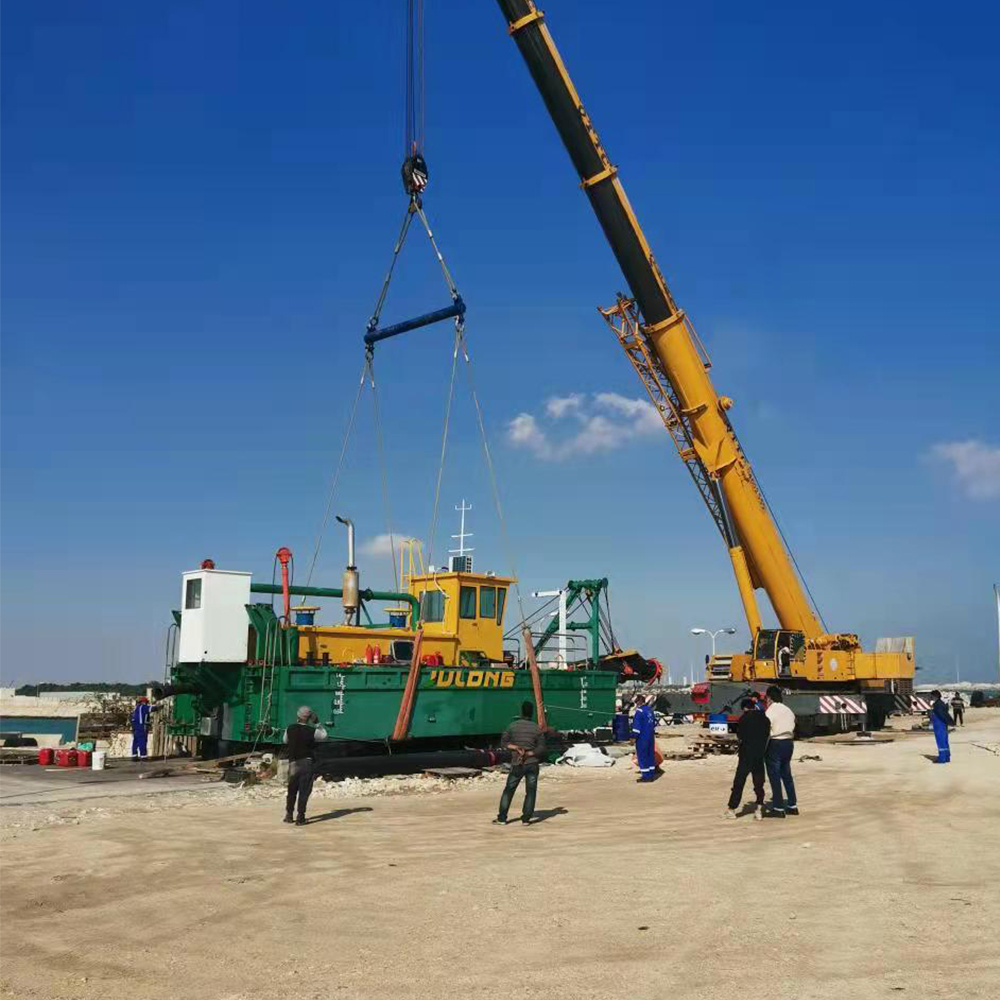
Assembly Instructions: Follow the manufacturer's assembly guidelines closely. Pay special attention to the hydraulic dredger connections and ensure they are secure to prevent leaks
Testing the Equipment: Before full operation, conduct a test run to check all systems, including the hydraulic components and the pump's flow rate. This helps identify any potential issues that may arise during actual dredging
Safety Protocols: Implement safety protocols for operators. Ensure all team members are trained on the equipment and aware of the hazards associated with underwater dredging
Monitoring and Adjustments: Once operational, continuously monitor the underwater dredge's performance. Be prepared to make adjustments based on feedback from the field, such as modifying pump speeds or altering dredging techniques based on material resistance
Proper setup and operational monitoring can significantly enhance the efficiency and safety of your dredging operations.