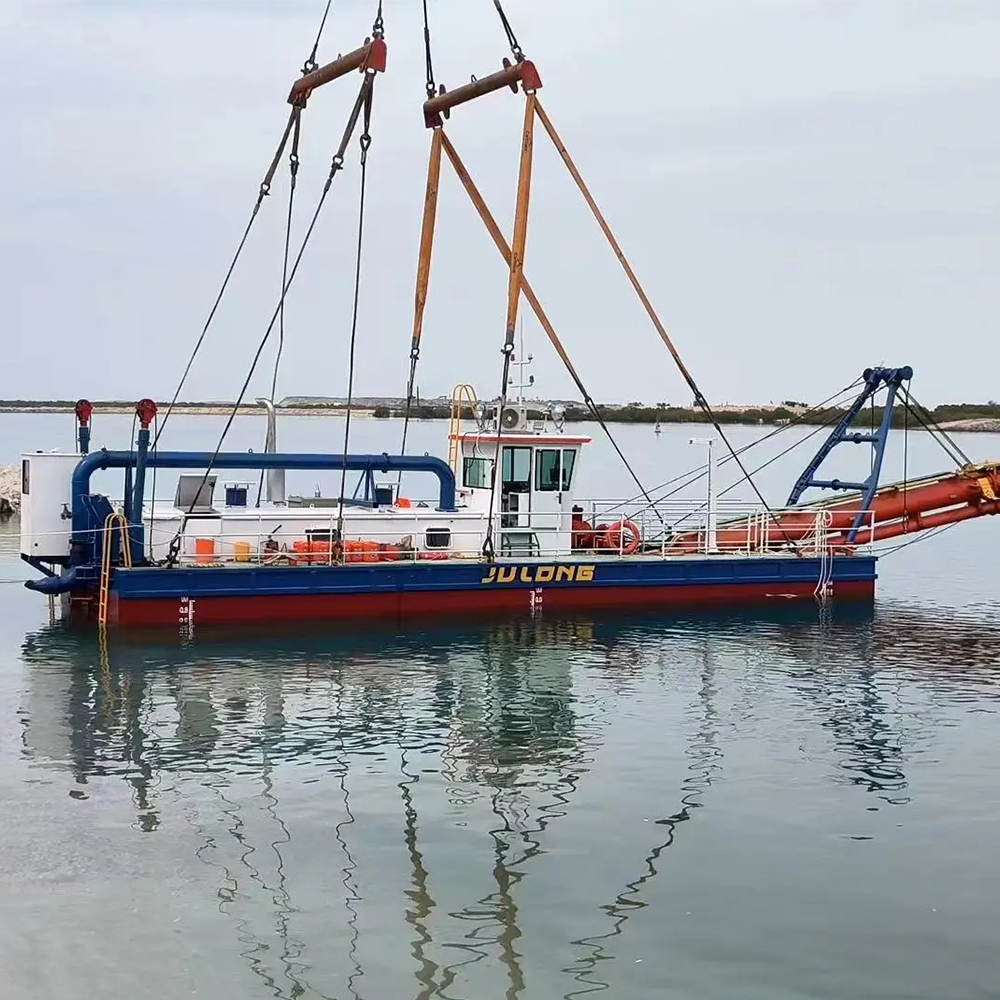
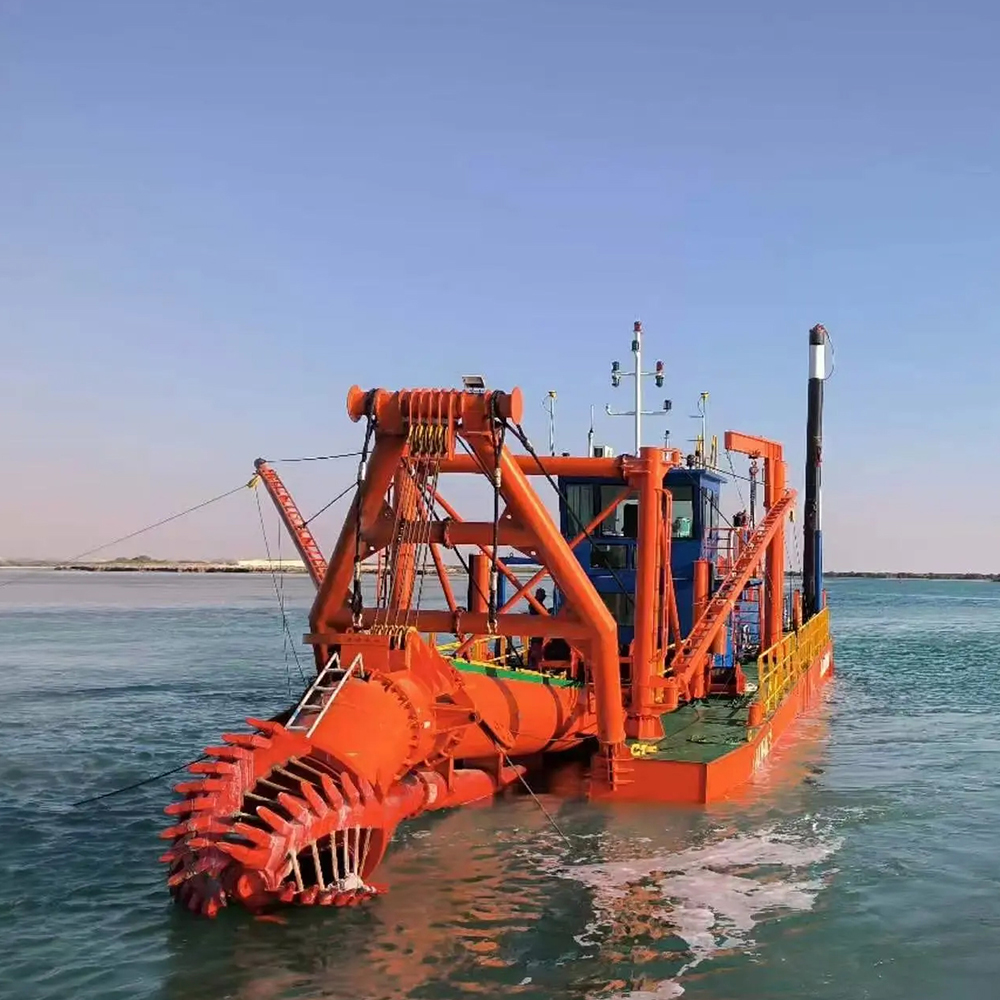
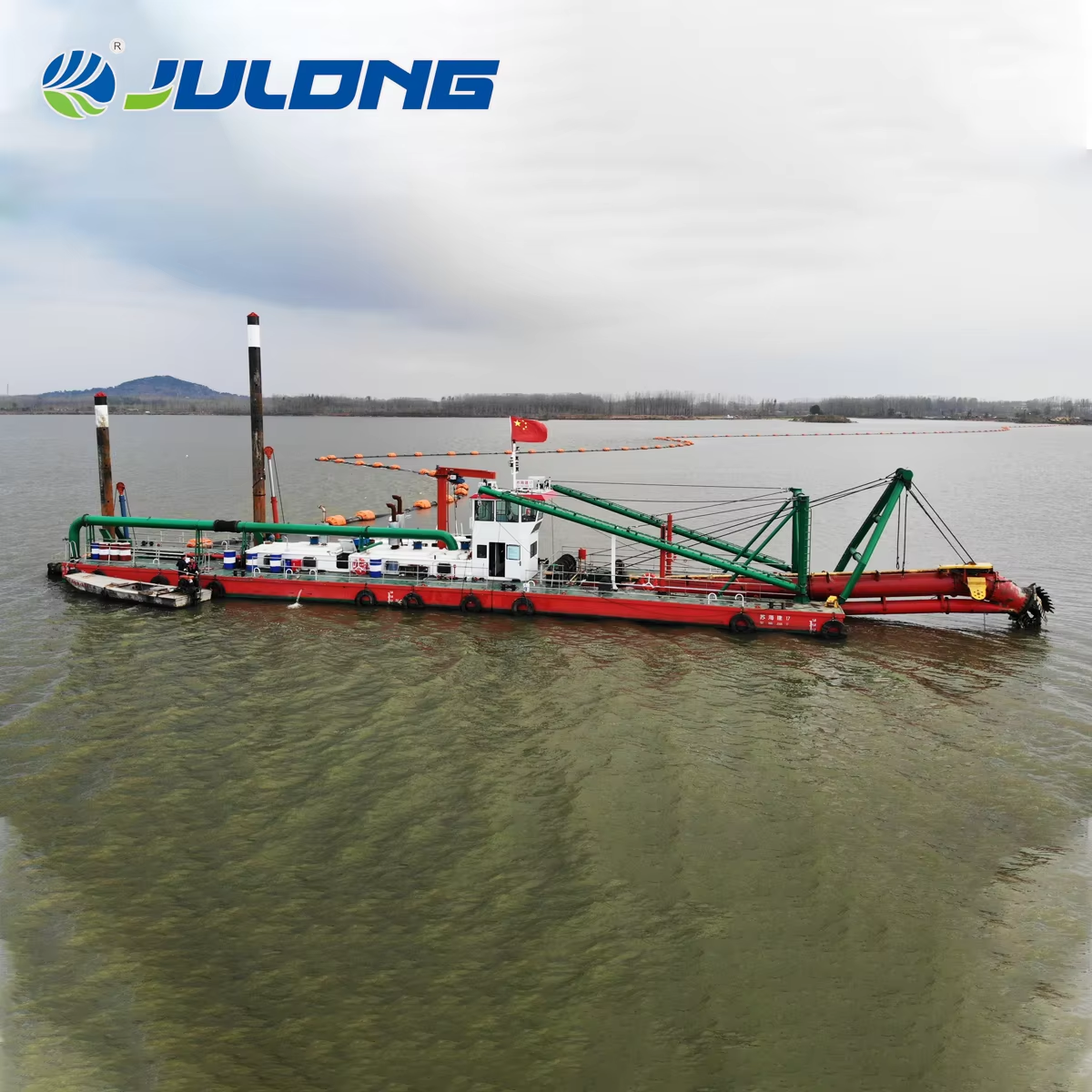
Underwater dredgers are specialized machines designed for the excavation and removal of sediment from underwater environments. As a vital component in environmental remediation, construction, and maintenance projects, these machines raise several concerns for B2B buyers, including underwater dredger reliability, quality, and application suitability. This article will help purchasing managers, engineers, and product managers understand where to find reliable suppliers, the quality control standards involved, the various applications of underwater dredgers, the material advantages of our products, and essential considerations for wholesale buyers regarding dredger reliability.
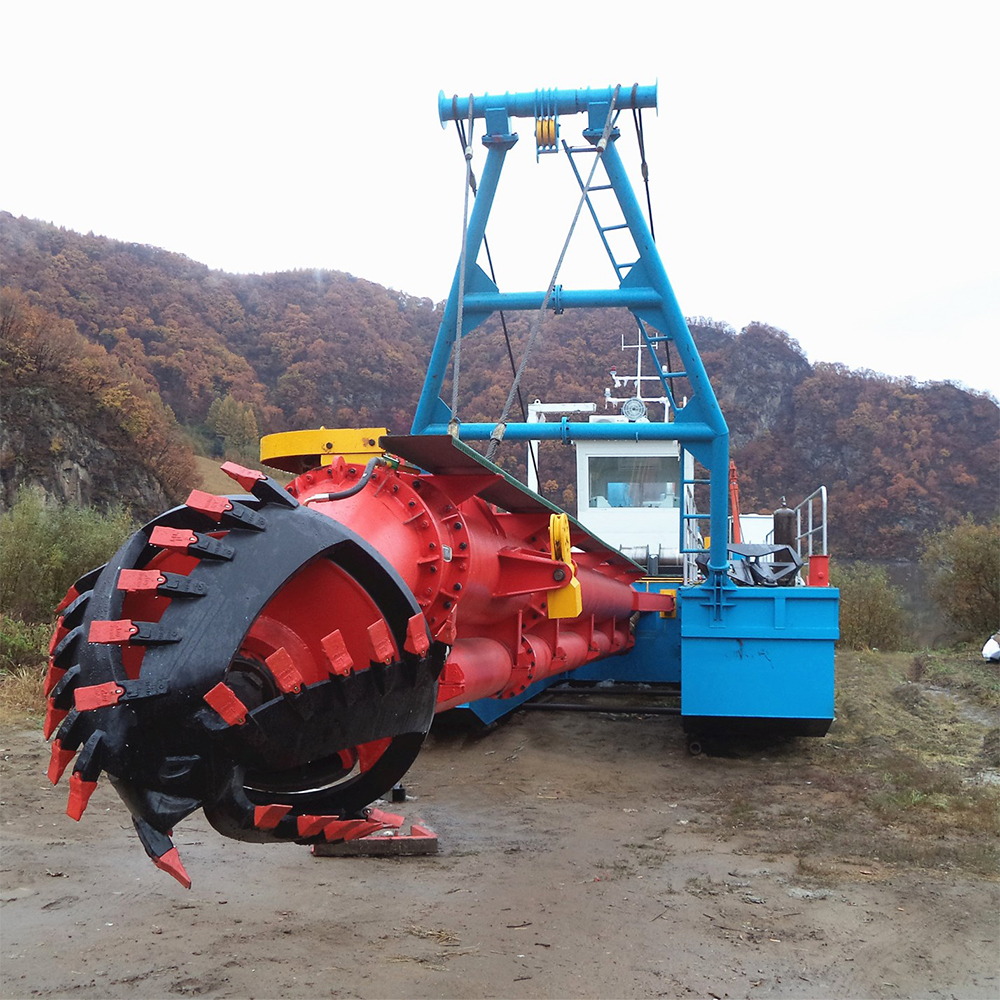
Key Specifications to Compare in Underwater Dredger Models
Quality control is paramount in the manufacturing of underwater dredgers. It's essential to ensure that each unit is capable of performing under challenging underwater conditions. Standard quality control protocols include rigorous testing of materials, inspection of components, and verification of production processes.
Manufacturers typically implement a multi-stage quality assurance process that includes the following:
Material Inspection: Ensuring that raw materials meet specified standards is crucial. For example, the structural integrity of materials affects the small dredger durability and performance in various environmental conditions.
In-Process Inspections: Continuous monitoring during production helps catch potential defects early, reducing waste and ensuring compliance with design specifications.
Final Testing: Before shipment, each dredger undergoes operational testing to verify its functionality and performance metrics. This step is vital for confirming that the equipment meets or exceeds industry standards.
By understanding these quality control measures, buyers can more effectively assess potential suppliers and ensure they are investing in reliable equipment.