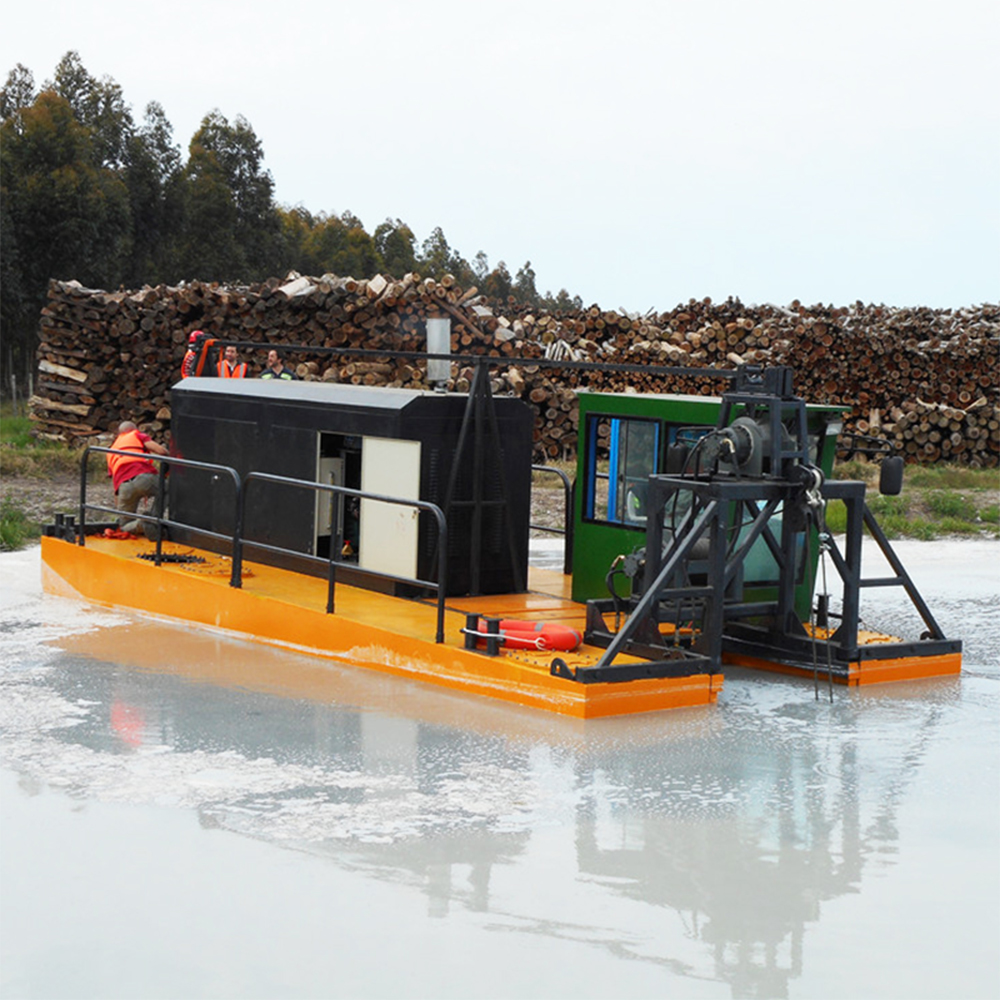
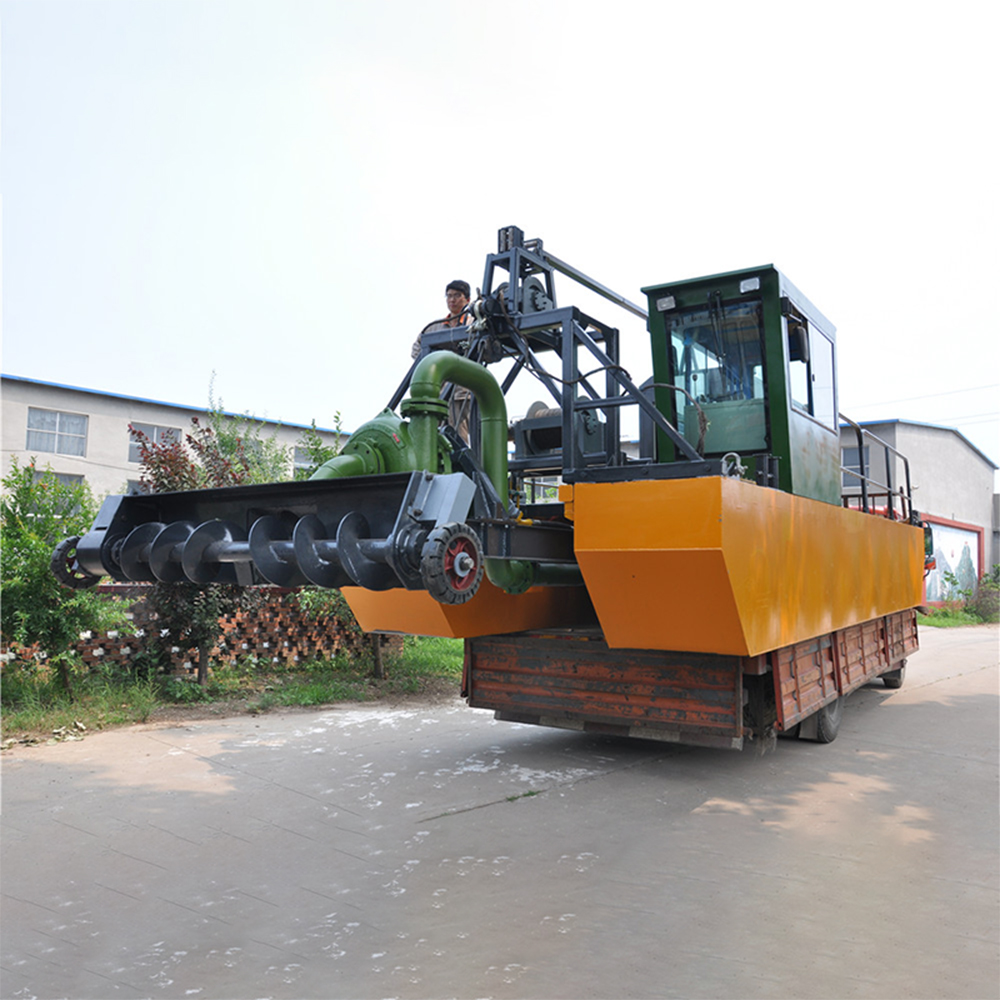
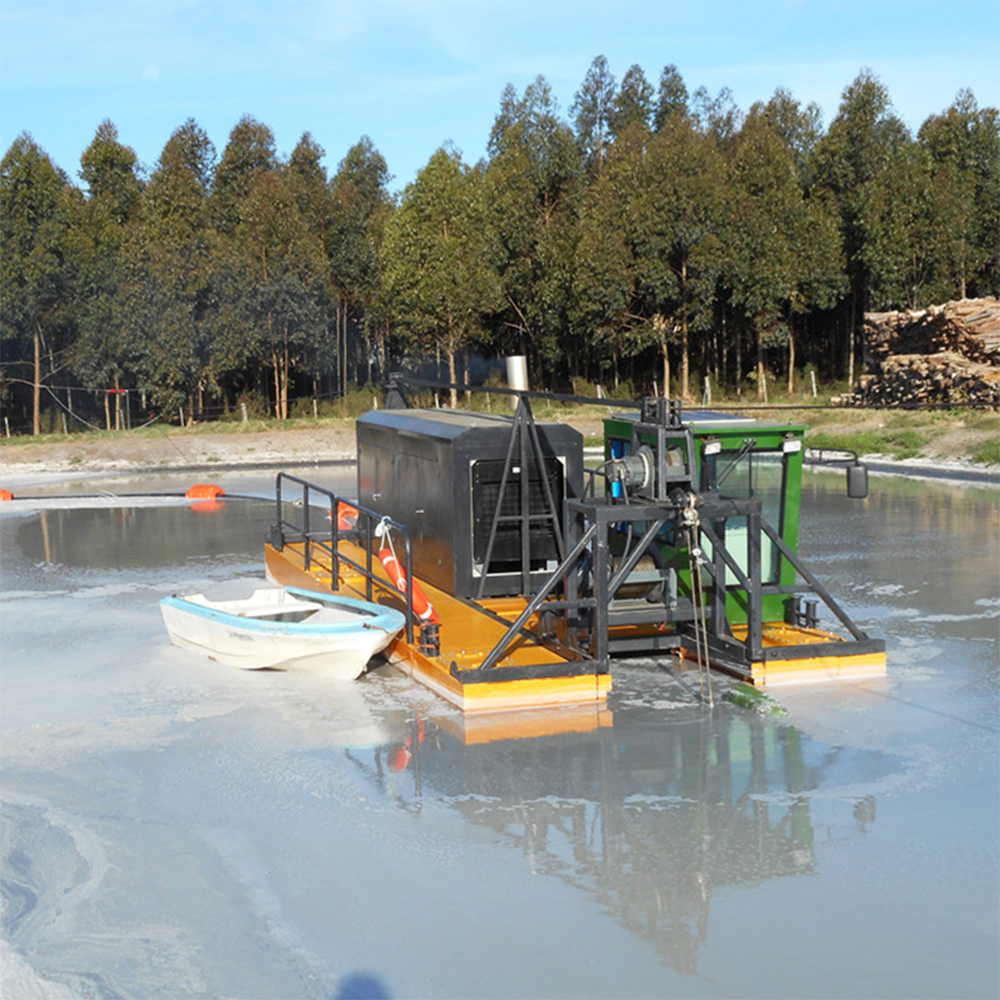
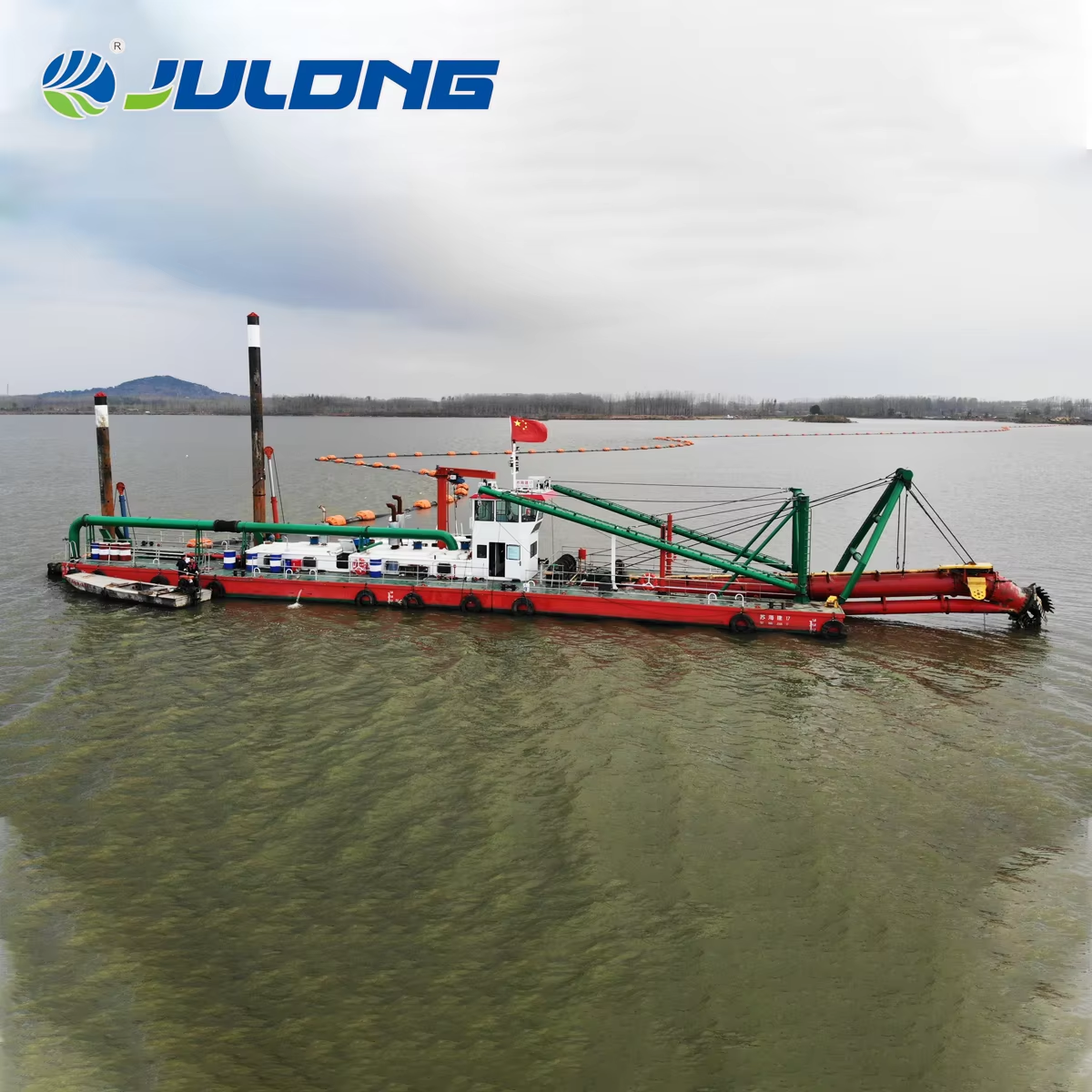
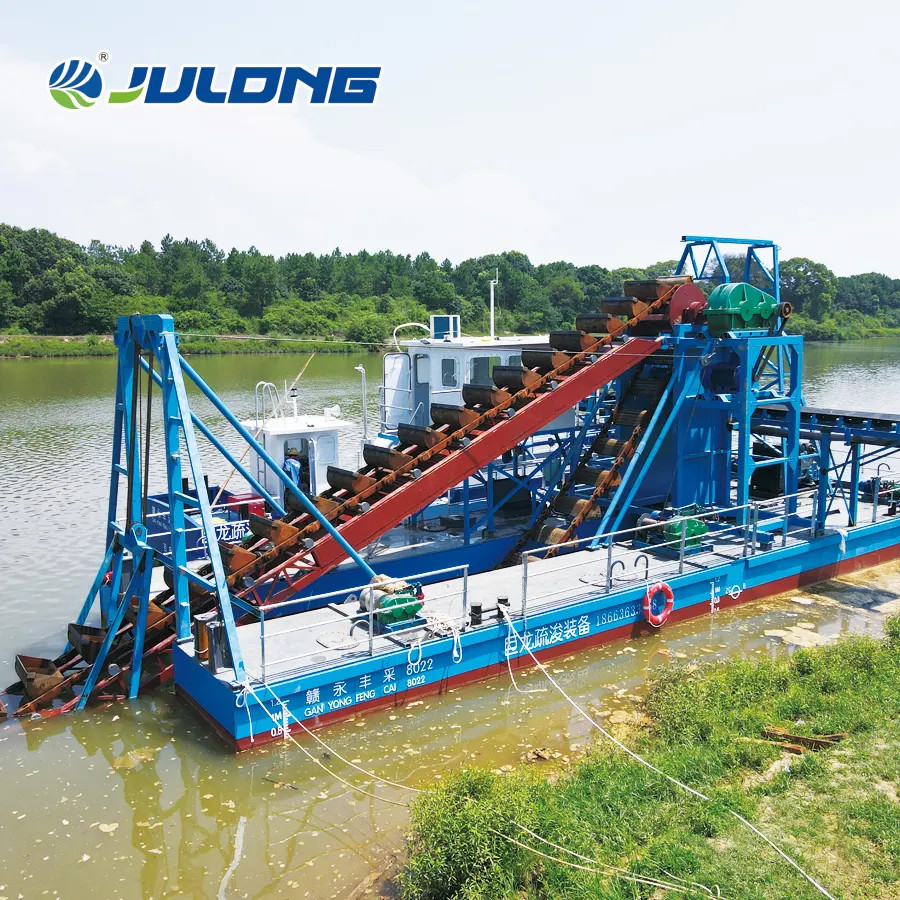
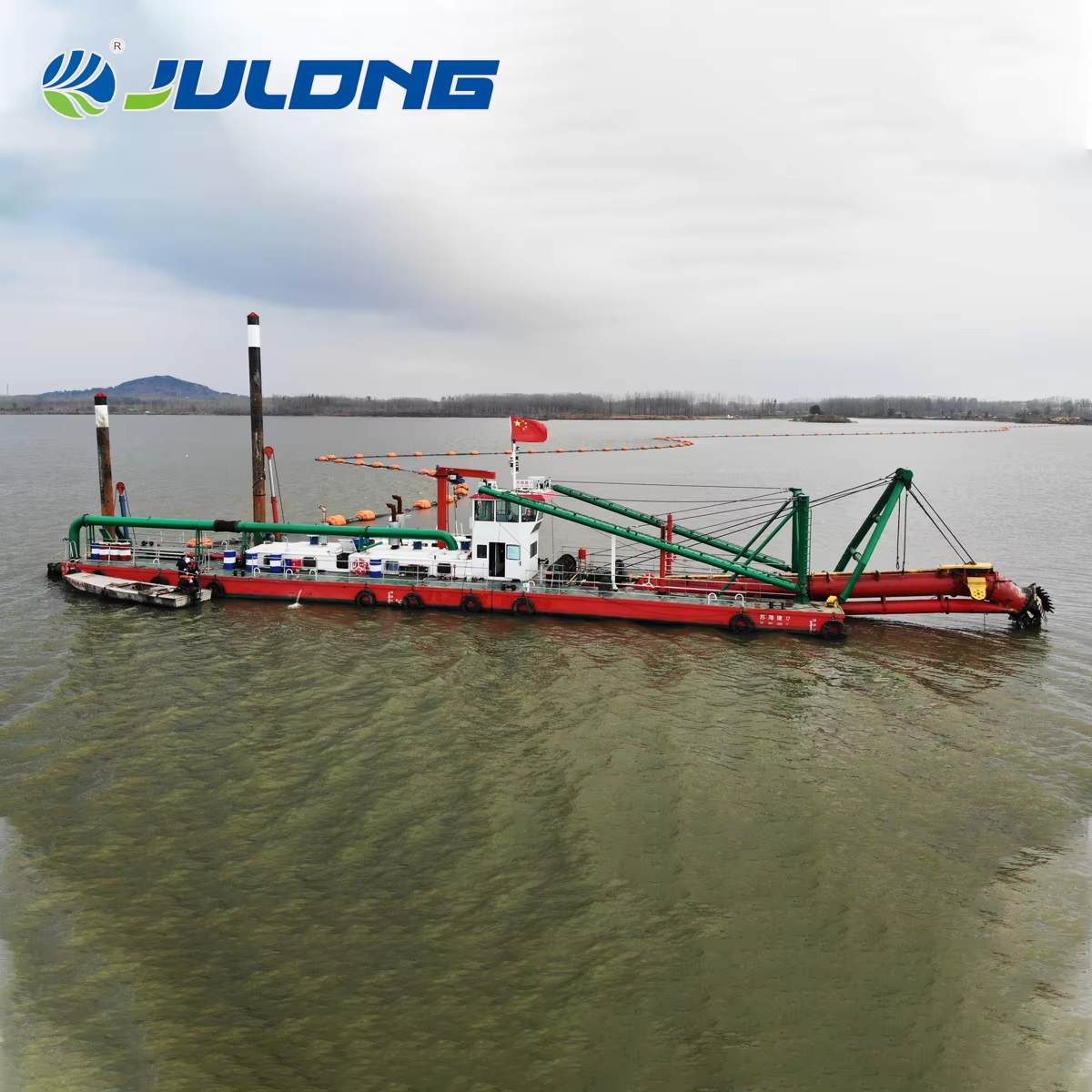
Auger dredgers play a crucial role in various environmental protection projects, including:
Sediment Removal from Water Bodies: These dredgers effectively remove silt, mud, and other sediments from lakes, rivers, and ponds, preventing pollution and promoting aquatic health.
Restoration Projects: In land reclamation and restoration efforts, auger dredgers are employed to manage sediment and restore natural habitats. Their ability to operate in delicate environments makes them ideal for such applications.
Contaminated Site Cleanup: Auger dredgers are used to excavate contaminated sediments, allowing for safe disposal or treatment, thus aiding in environmental remediation efforts.
Understanding the specific applications of auger dredgers can help buyers identify the right model for their projects, ensuring they meet both operational and environmental standards.
In summary, choosing the appropriate auger dredger involves careful consideration of project requirements, manufacturer capabilities, and cost factors. By following a structured approach and understanding the applications of these machines, buyers can make informed decisions that align with their project goals and environmental commitments.
Specifying auger dredgers engineered with marine-grade steel hulls, variable-speed hydraulic auger drives, and high-chrome slurry pumps ensures precise sediment contouring with minimal turbidity during continuous operation. Adherence to ISO 9001 quality management systems, ISO 14001 environmental standards, and CE safety compliance guarantees structural integrity and environmental protection during delicate dredging tasks. Furthermore, integrating shrouded auger cutter heads, automated PLC depth positioning sensors, bio-degradable hydraulic fluids, and underwater solids agitation nozzles prevents plume dispersion and protects sensitive aquatic biomes. Partnering with experienced shipyards ensures customized pontoon designs, rapid spare parts availability, and long-term operational efficiency, reducing overall downtime and maximizing investment value across municipal wastewater, industrial lagoon maintenance, and toxic sediment remediation projects.