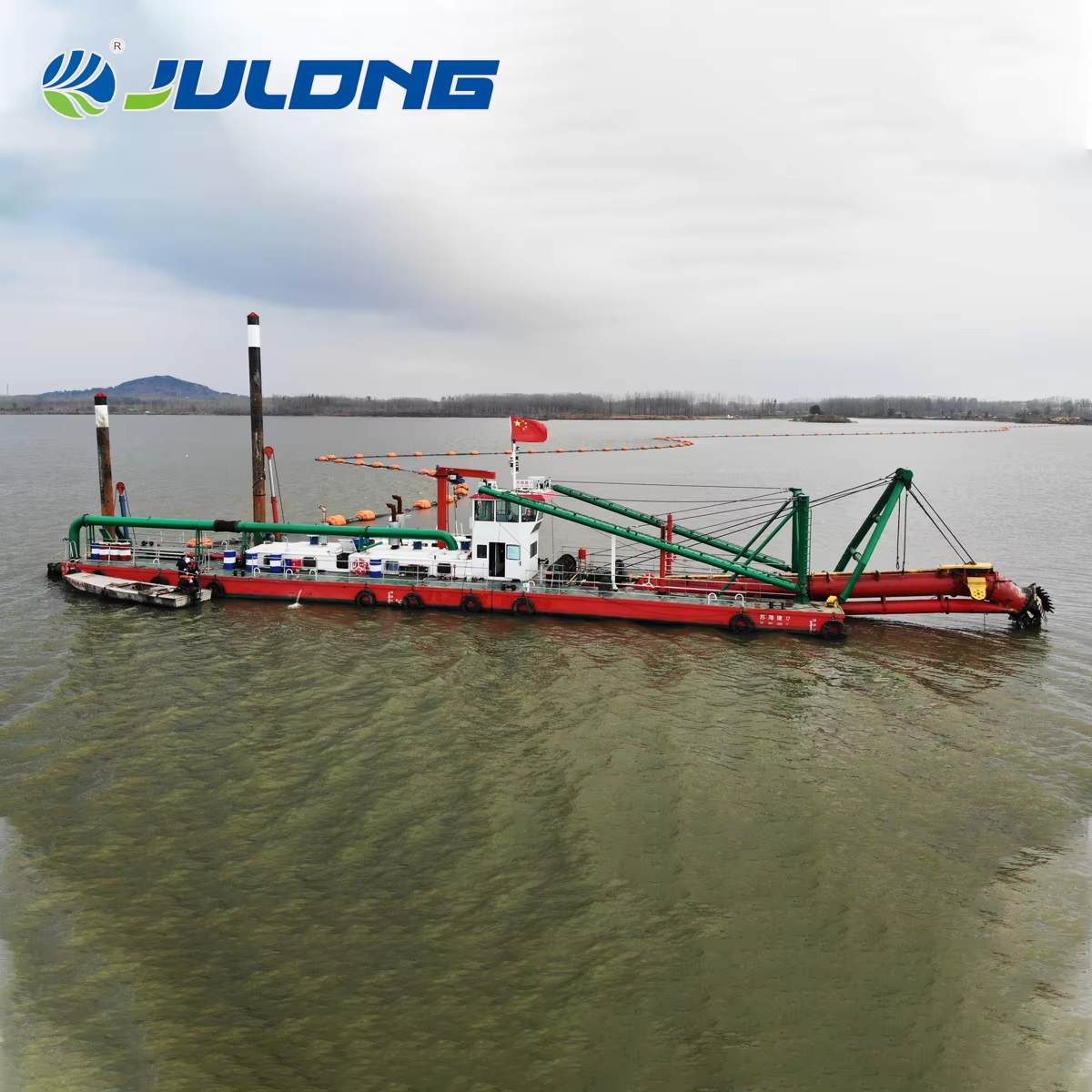
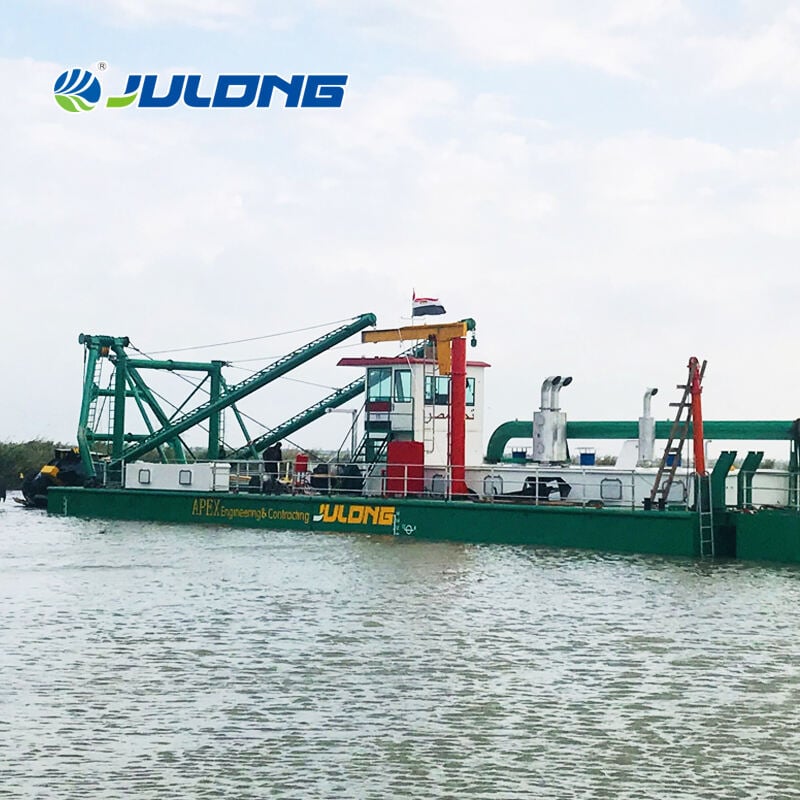
Small sand dredges are essential tools in the environmental protection sector, used for a variety of applications such as sediment removal, habitat restoration, and construction projects. For businesses looking to purchase these specialized dredging systems, understanding the specifications, installation processes, and cost factors is crucial. This article aims to provide B2B buyers, including purchasing managers and engineers, with the insights needed to make an informed decision when sourcing small sand dredges for sale.
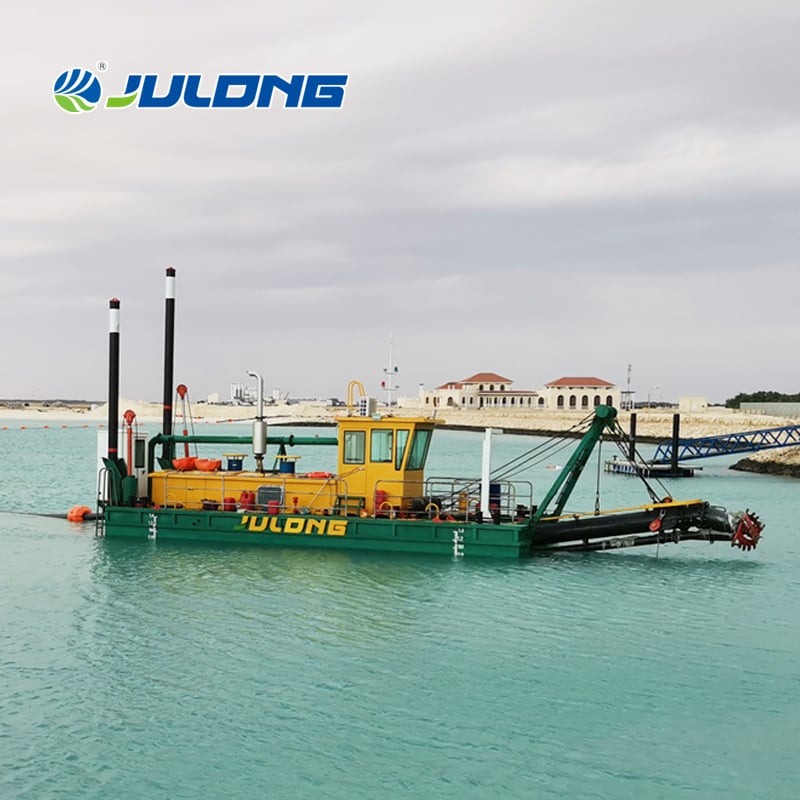

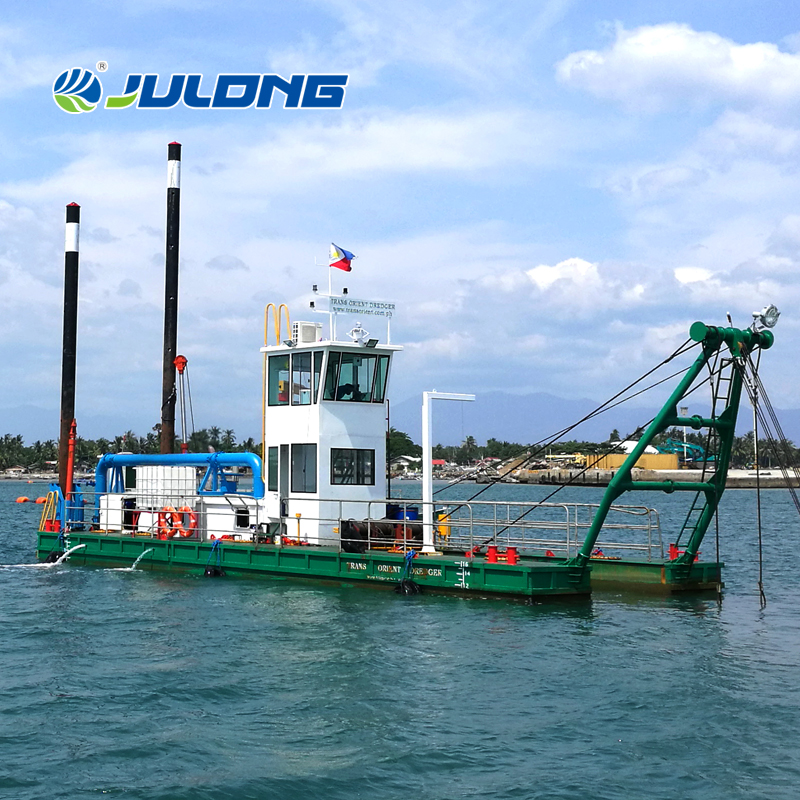


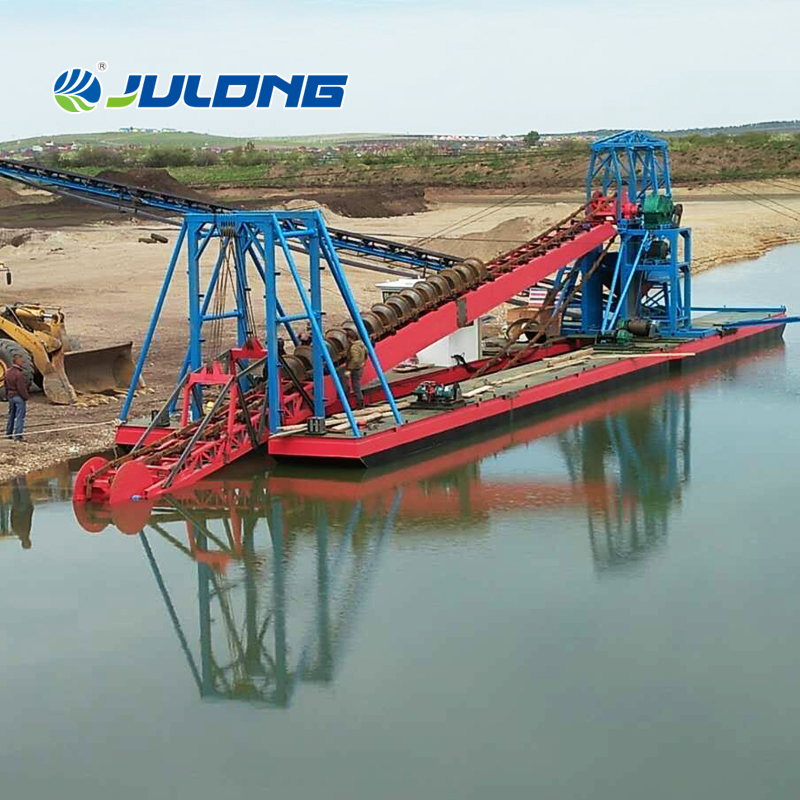


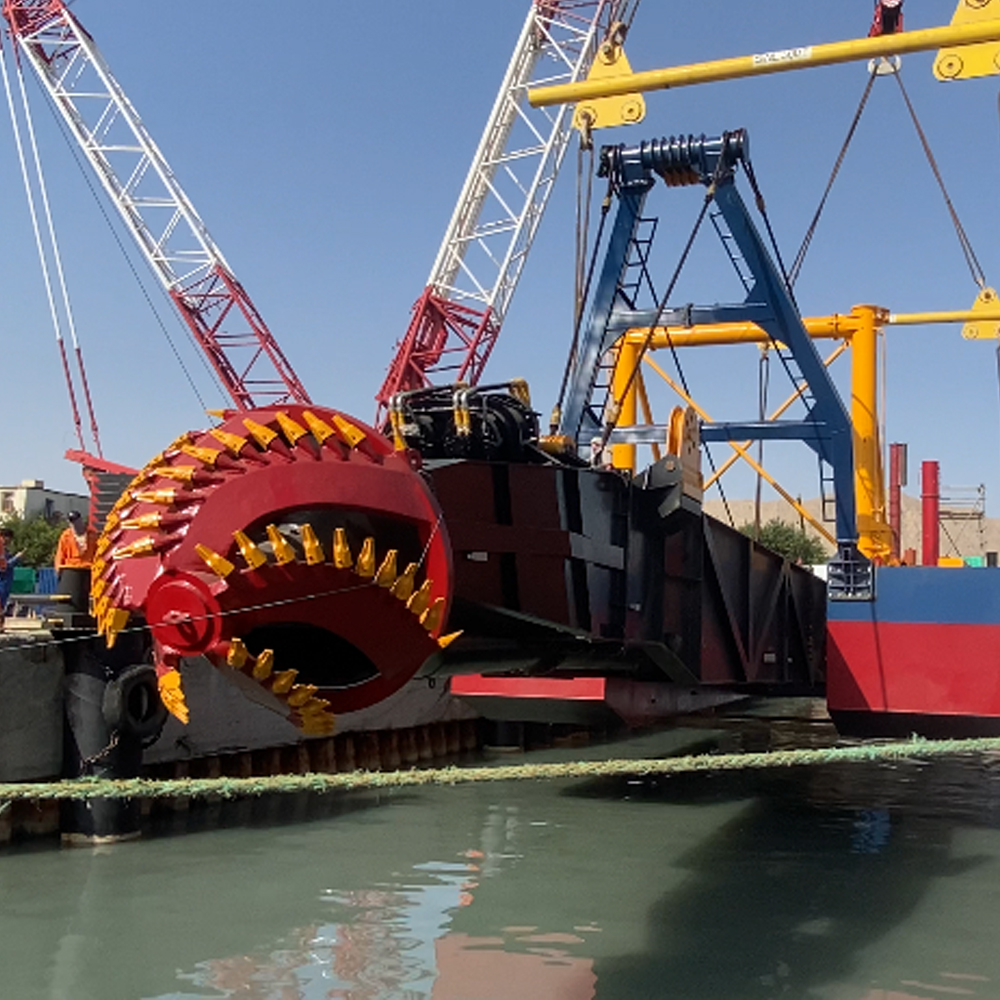
Installation Guidance for Small Sand Dredge Systems
Proper installation of Julong small sand dredge systems is vital for their efficient operation. Here’s a step-by-step guide:
Site Assessment: Before installation, conduct a thorough site assessment to determine the best location for the sand dredger ship. Consider factors such as water depth, sediment type, and accessibility.
Foundation Preparation: Ensure the foundation is stable and level. This may require excavation or the addition of gravel to support the dredge's weight.
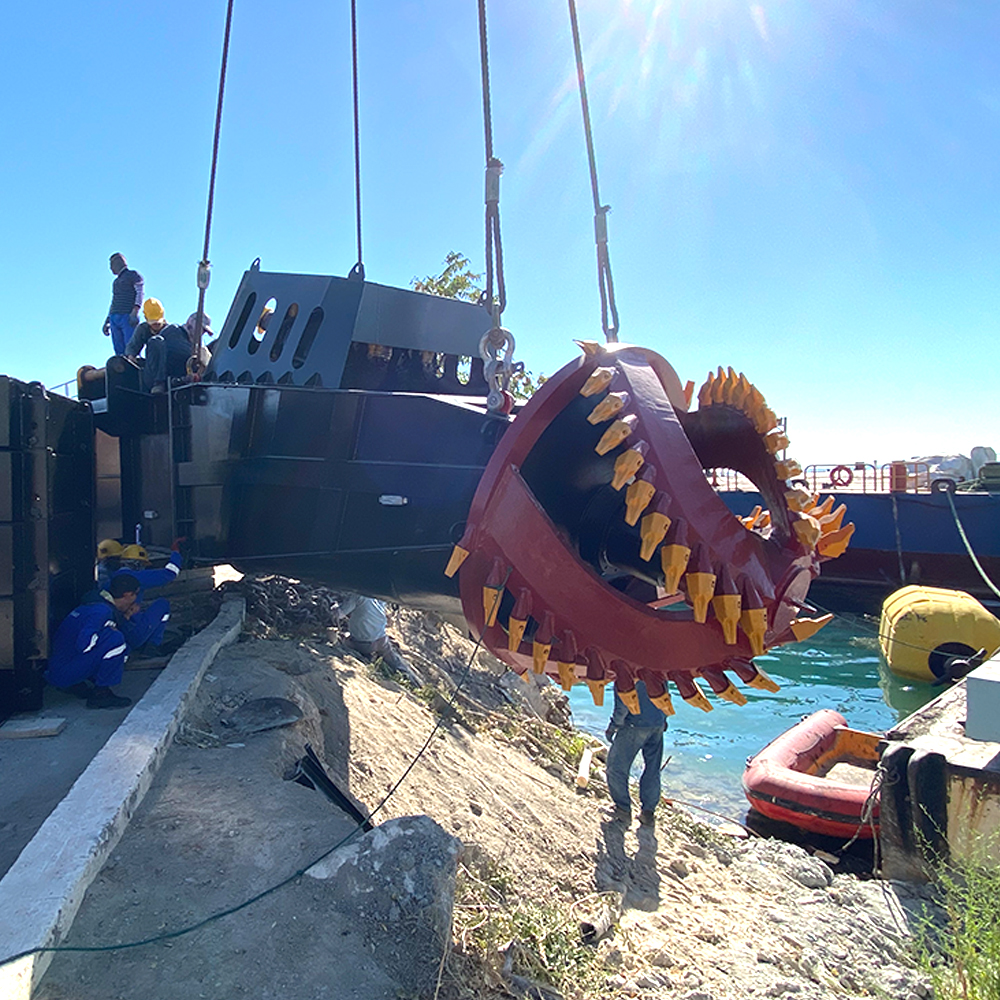
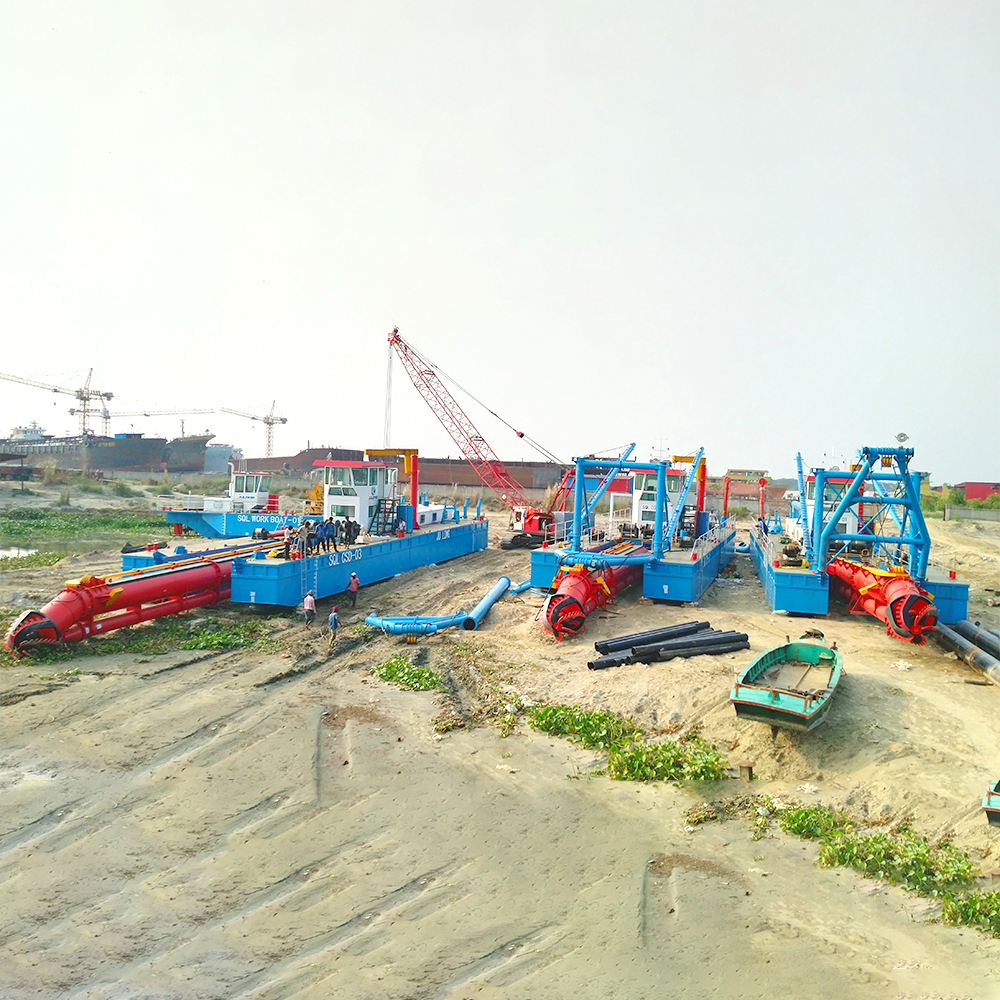
Assembly: Follow the manufacturer's assembly instructions closely. This often includes connecting the dredging pump, positioning the dredging arms, and ensuring that all mechanical components are secure.
Testing: Once installed, conduct a test run to check for any operational issues. Monitor discharge rates and ensure there are no leaks in the system.
Training: Operators should be trained on how to use the dredge effectively. This includes understanding safety protocols and maintenance checks.
A well-planned installation can prevent operational downtime and ensure the dredge functions as intended.