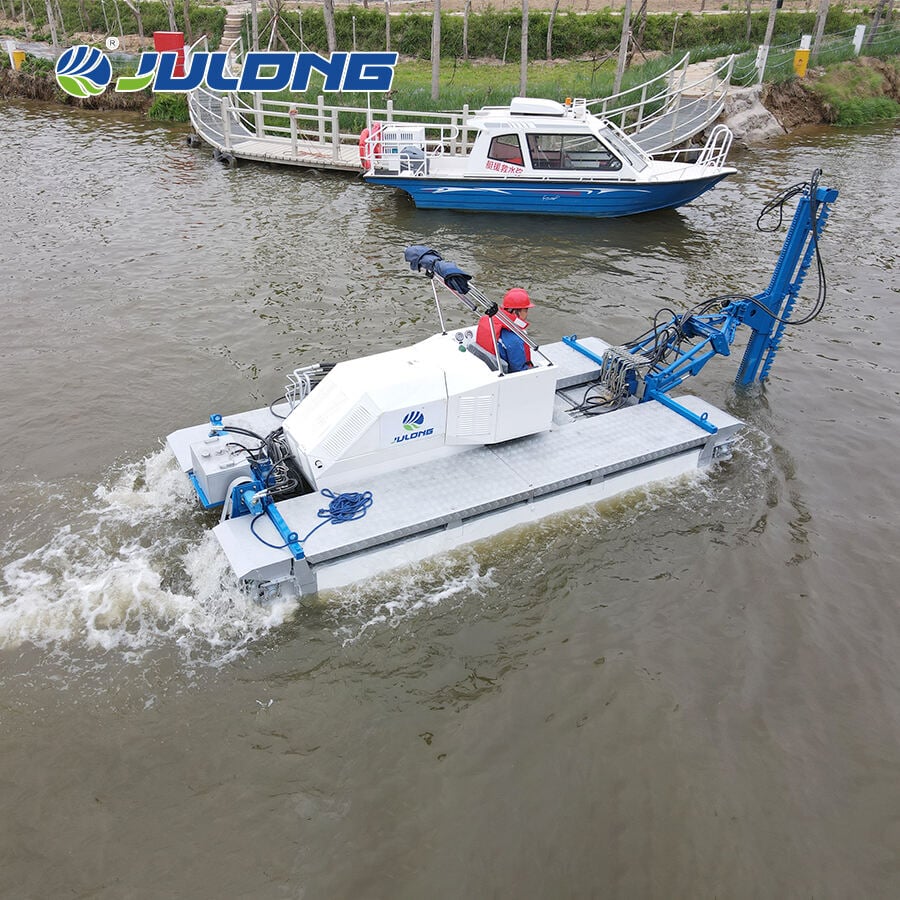
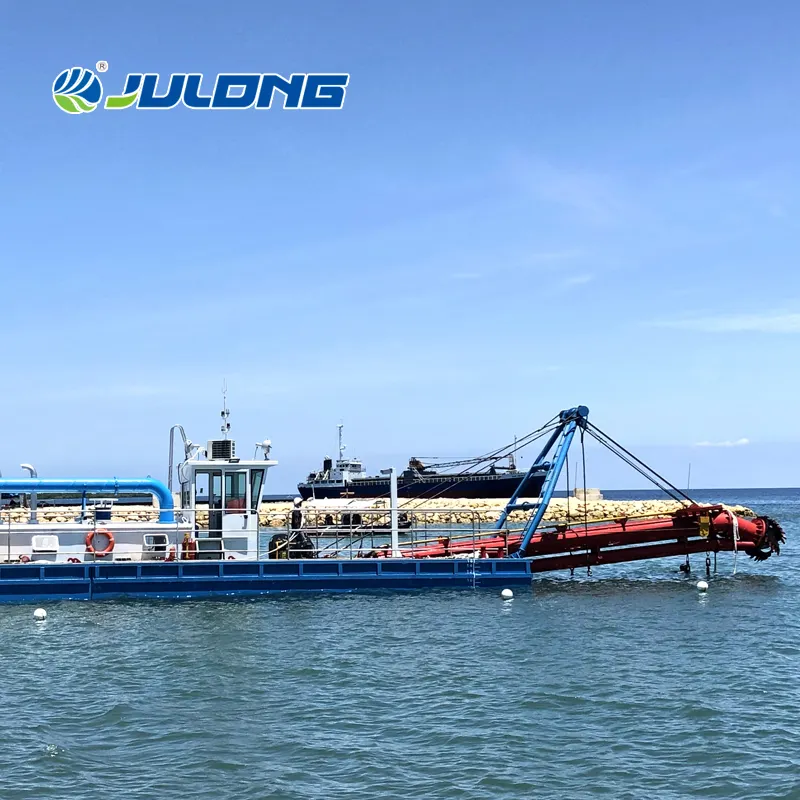
shipbuilding-0

Choosing the Right Shipbuilding Equipment Supplier

  • No. 66, Changping Street, Xinchang Street, Weifang High-Tech Zone, Shandong Province, China
  • [email protected]

Get a Free Quote

Our representative will contact you soon.
Email
Mobile
Name
Company Name
Message
0/1000

Shipbuilding

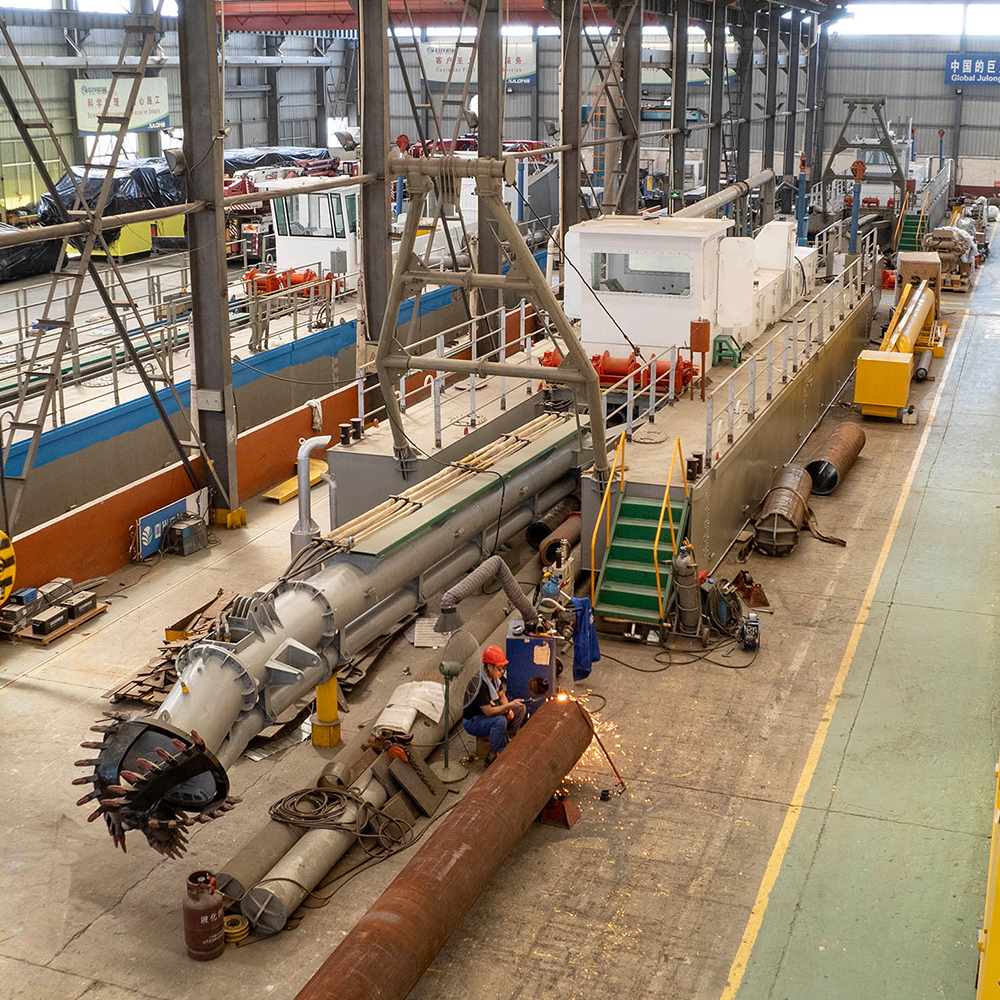
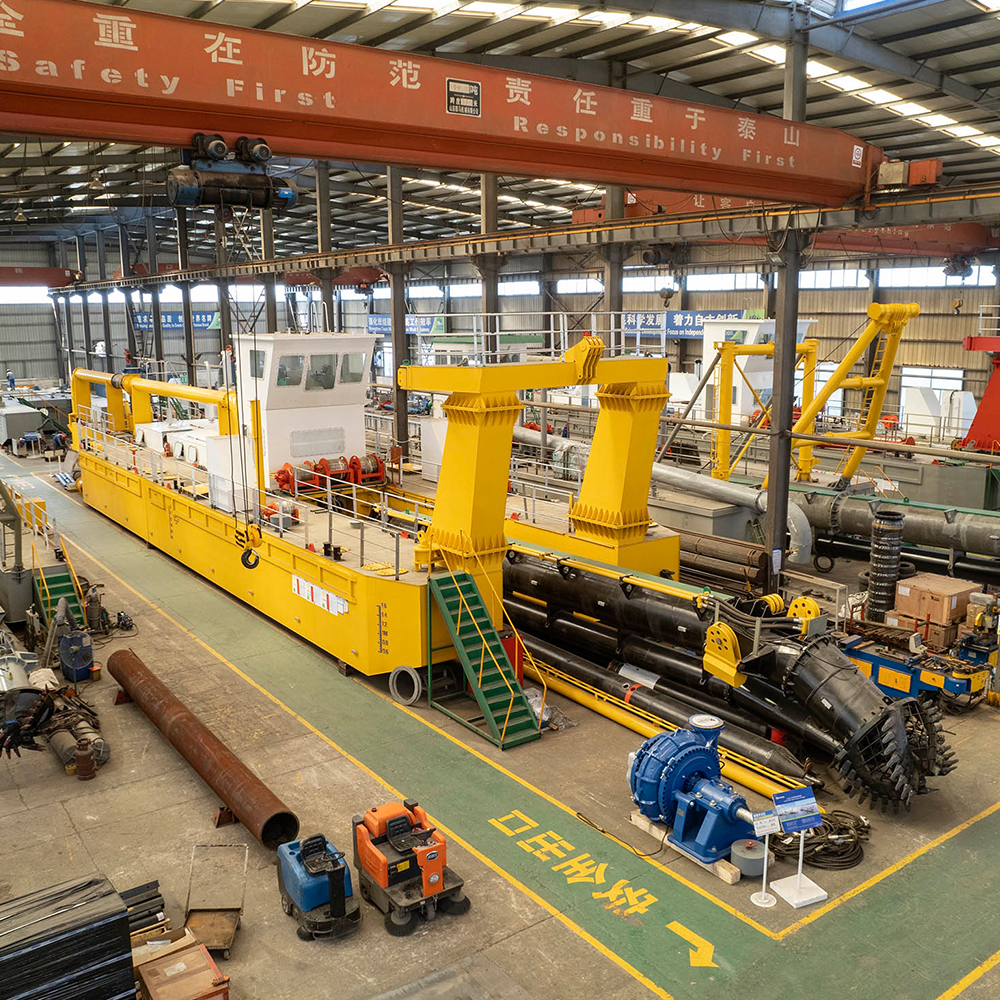
In the maritime industry, shipbuilding equipment products is a highly specialized and technically demanding sector that plays a vital role in global transportation, offshore operations, energy, defense, and commercial activities. The construction of a vessel requires a wide range of advanced equipment, tools, machinery, and systems to ensure that every stage of the shipbuilding equipment products process is completed safely, accurately, and efficiently. From cutting and welding steel plates to assembling structural components, installing piping and electrical systems, and carrying out final inspections, the right shipbuilding equipment products can have a significant impact on productivity, vessel quality, worker safety, and overall project costs


For purchasing managers, engineers, shipyard operators, and other industry professionals, selecting appropriate  supplier for shipbuilding equipment products involves more than simply comparing prices. Equipment must be evaluated based on its technical specifications, durability, performance, compatibility with existing systems, ease of maintenance, energy efficiency, and compliance with applicable maritime and workplace safety requirements. The demanding conditions of shipyards also require equipment capable of handling heavy materials, continuous operation, exposure to moisture and corrosive environments, and complex fabrication requirements
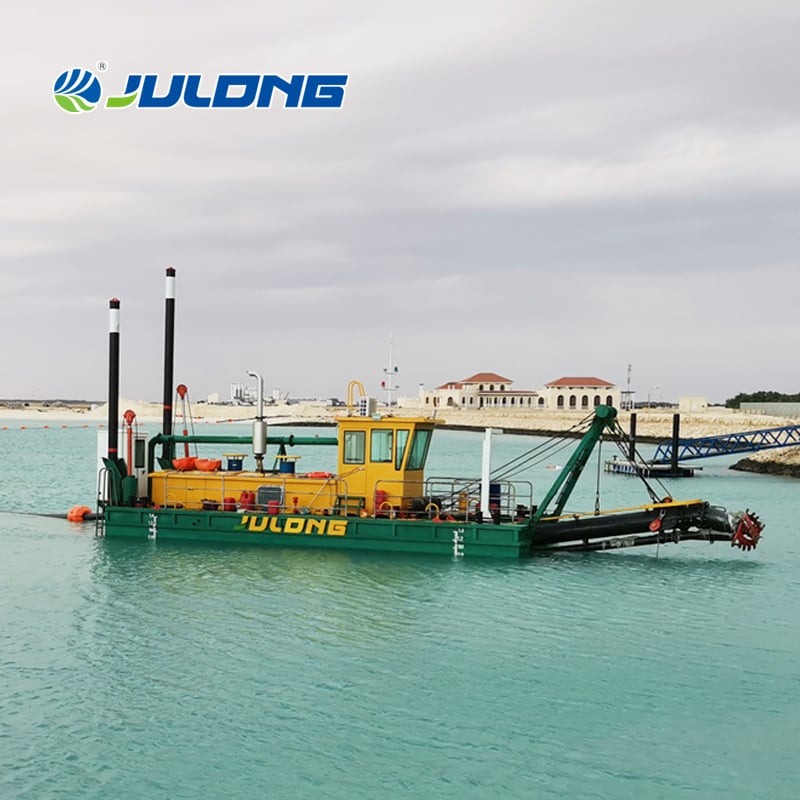
Our Products

Key Specifications to Consider in Shipbuilding Equipmen

Key Specifications to Consider in Shipbuilding Equipmen

Understanding the critical specifications of  supplier for shipbuilding equipment products is essential for making informed purchasing decisions. Key specifications to consider include

Material Composition: The choice of materials impacts durability, performance, and compliance with environmental regulations. Materials must withstand harsh marine conditions, including exposure to saltwater and varying temperatures

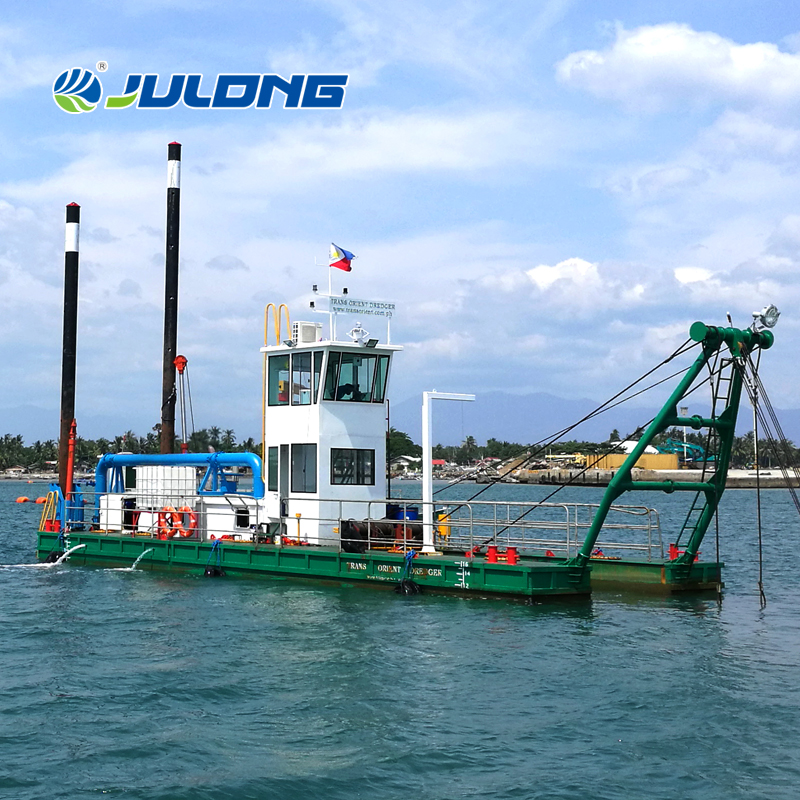
Dimensions and Weight: Exact dimensions are crucial for ensuring compatibility with existing sand dredger ship designs and structures. Weight specifications are equally important, as they affect the overall balance and performance of the vessel

Performance Standards: Evaluate equipment based on performance metrics relevant to your application, such as flow rates, efficiency ratings, and operational limits. This ensures that the equipment can handle the specific demands of your projects

Certifications: Ensure that the equipment meets industry-specific certifications. This not only validates quality evaluation but also assures compliance with international safety and environmental standards

Customization Options: Depending on the specific application, customization may be required. Discuss with suppliers their capabilities to modify equipment for unique requirements

How to Evaluate the Quality of Shipbuilding Products

How to Evaluate the Quality of Shipbuilding Products

Quality evaluation is critical in ensuring that  supplier for shipbuilding equipment products meet the necessary standards. Here are practical steps for assessing product quality  evaluation

Request Samples: Always ask for samples before placing large orders. This allows you to evaluate the materials, workmanship, and overall functionality of the equipment in real conditions

Conduct Inspections: Implement a quality evaluation control process that includes inspections at different stages of production. This could involve reviewing manufacturing processes, material sources, and final inspections before shipment

Check Certifications: Verify that the products come with relevant certifications from recognized authorities. This ensures they meet industry standards for safety, performance, and environmental impact

Seek Feedback: Engage with other clients or industry professionals to gather feedback on the supplier's products and services. Testimonials and case studies can provide insights into long-term reliability and performance

Common Problems in Shipbuilding and Effective Solutions

Common Problems in Shipbuilding and Effective Solutions

Shipbuilding equipment products can encounter several challenges, but understanding these issues can lead to effective solutions

Material Degradation: Exposure to marine environments can lead to material degradation. To mitigate this, select corrosion-resistant materials and employ protective coatings

Design Flaws: Miscalculations in design can lead to performance issues. Engaging with experienced engineers during the design phase can reduce the likelihood of errors

Supply Chain Delays: Disruptions in the supply chain can affect timelines. Establishing relationships with multiple suppliers and maintaining open communication can help mitigate risks

Compliance Issues: Regulatory compliance can be complex. Working with suppliers that have expertise in environmental standards can streamline the process and ensure adherence to regulations

Exploring Applications of Shipbuilding Equipment in Various Projects

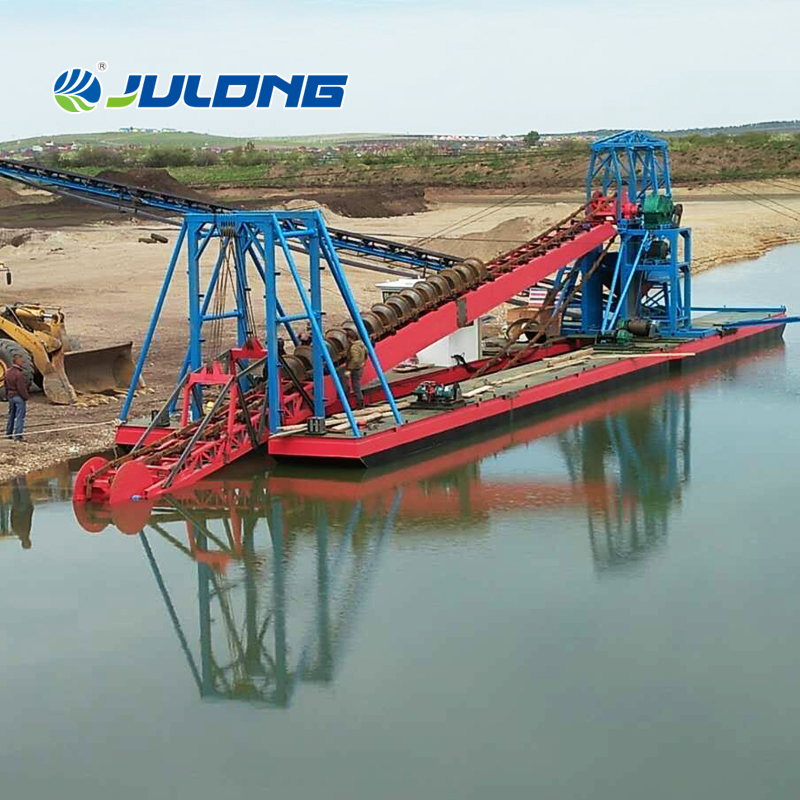
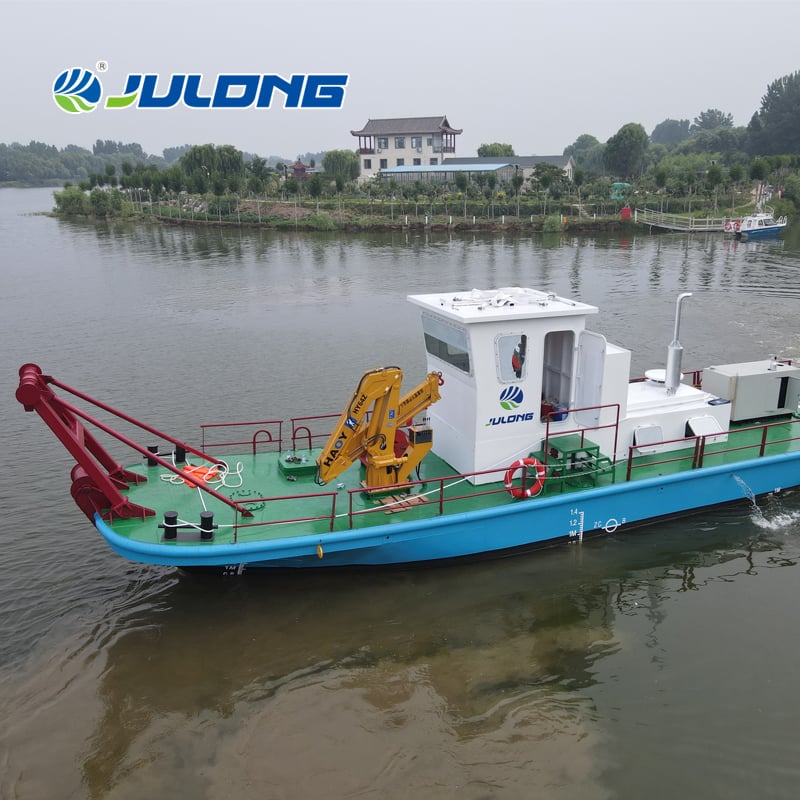
Shipbuilding dredging equipment serves a range of applications across different projects. Understanding these applications can enhance your purchasing strategy

Commercial Vessels: Equipment designed for commercial vessels, such as cargo ships and tankers, must ensure efficiency and safety, focusing on design elements that enhance cargo handling and fuel consumption

Naval Ships: Equipment for naval applications often requires specialized features to meet military specifications, including stealth capabilities and advanced technology integrations

Research Vessels: Research vessels demand equipment that can withstand extreme environmental conditions while providing accurate data collection capabilities

Pleasure Crafts: Equipment for leisure boats may prioritize aesthetics and comfort, with a focus on lightweight materials and designs that enhance user experience

By understanding the diverse applications of  supplier for shipbuilding equipment products, you can better tailor your procurement strategy to meet the specific needs of each project

Navigating the complexities of  supplier for shipbuilding equipment products sourcing requires a thorough understanding of specifications, quality evaluation, typical challenges, and application suitability. By leveraging these insights, purchasing managers and engineers can enhance their decision-making processes, leading to successful project outcomes

Choosing the Right Supplier for Shipbuilding Equipment Wholesale

When sourcing shipbuilding water dredging equipment, selecting the right supplier is paramount. A reliable supplier should not only offer quality evaluation products but also provide support in navigating regulatory requirements and environmental standards. Look for manufacturers with a proven track record, certifications from recognized international classification societies, and partnerships with reputable institutions—such as universities—that focus on innovative solutions


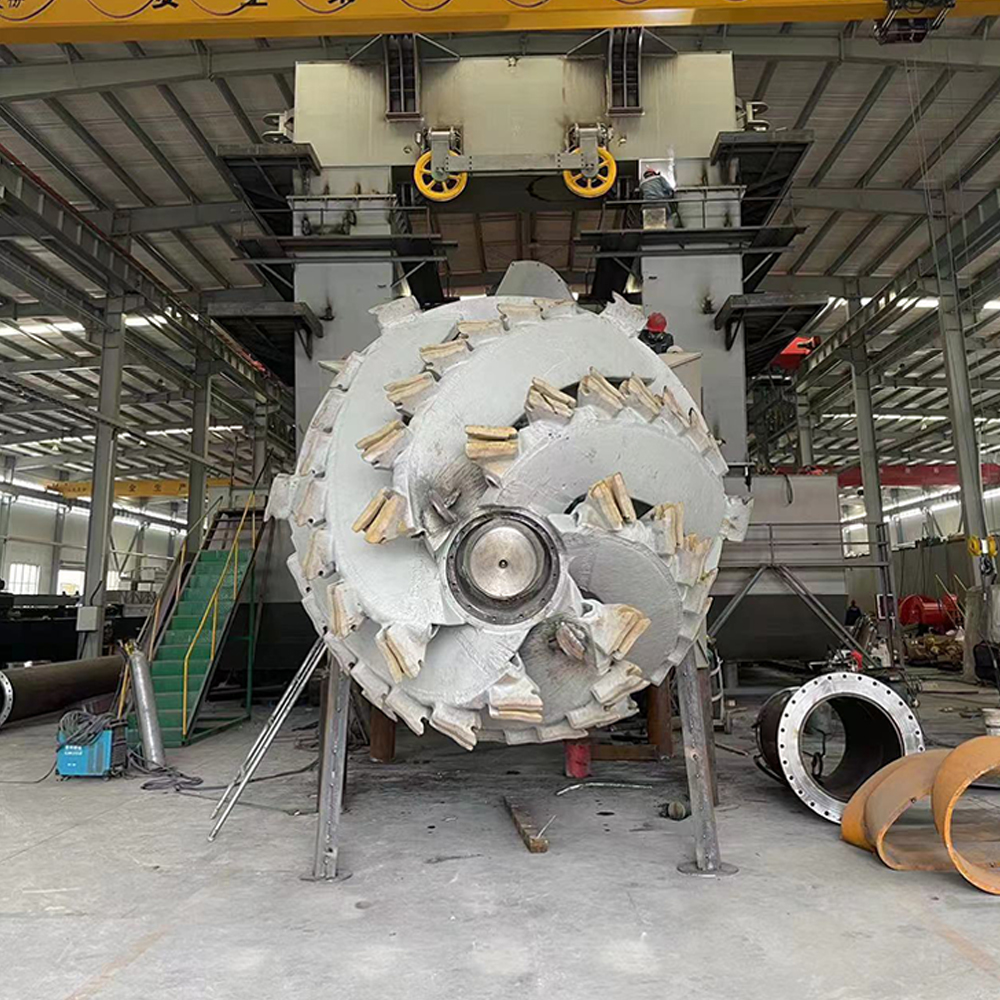
Consider the supplier's manufacturing capabilities, including production equipment and technology. A capable supplier should be able to demonstrate advanced manufacturing processes and quality evaluation control measures that align with industry standards. Additionally, assess their customization capabilities to ensure they can meet your specific project needs, whether it involves bespoke equipment or standard solutions


Lastly, evaluate the supplier’s experience in the export market. A supplier familiar with international shipping and customs regulations can streamline the procurement process, minimizing delays and unexpected costs

Our Blog Posts

Hydraulic vs. Mechanical Dredge Systems: Operational Insights

05

Aug

Hydraulic vs. Mechanical Dredge Systems: Operational Insights

If we compared hydraulic systems with mechanical systems as to their capacity to dredge:Hydraulic dredging itself uses high-velocity water jets to dislodge sediment, while mechanical Dredging equipment employs mechanical devices such as an excav...
View More
What Is a Dredger? Types, Applications, and Working Principles

01

Sep

What Is a Dredger? Types, Applications, and Working Principles

A dredger is a purpose-built boat or machine that is used to dig and remove sediment, trash, or other materials in underwater conditions to perform waterway maintenance, environmental safeguards, and infrastructure construction. JULONG has more than ...
View More
How Dredgers Handle Different Water Conditions?

29

Sep

How Dredgers Handle Different Water Conditions?

Julong, a committed dredging equipment supplier, has designed its dredgers in such a way that they adjust successfully in different water conditions, so that they can perform at a similar and efficient level in different project situations. These dre...
View More
Why Cutter Suction Dredgers Are More Efficient for Large-Scale Projects?

29

Sep

Why Cutter Suction Dredgers Are More Efficient for Large-Scale Projects?

Julong, being a provider of dredging solutions with long experience, has long understood that cutter suction dredgers are a highly efficient option when it comes to large-scale projects, due to their design and functionality that are geared towards t...
View More

Get a Free Quote

Our representative will contact you soon.
Email
Name
Company Name
Message
0/1000

Related Search

Choosing the Right Shipbuilding Equipment Supplier Choosing the Right Shipbuilding Equipment Supplier Choosing the Right Shipbuilding Equipment Supplier
email goToTop