underwater dredge-0

Quality Underwater Dredges for Efficient Operations

  • No. 66, Changping Street, Xinchang Street, Weifang High-Tech Zone, Shandong Province, China
  • [email protected]

Get a Free Quote

Our representative will contact you soon.
Email
Mobile
Name
Company Name
Message
0/1000

Underwater dredge

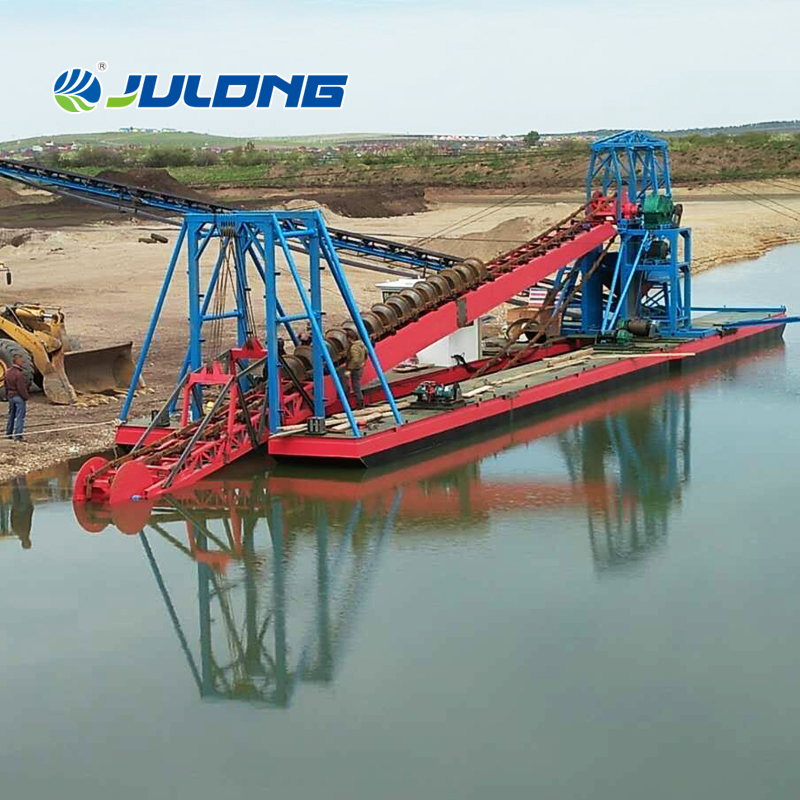
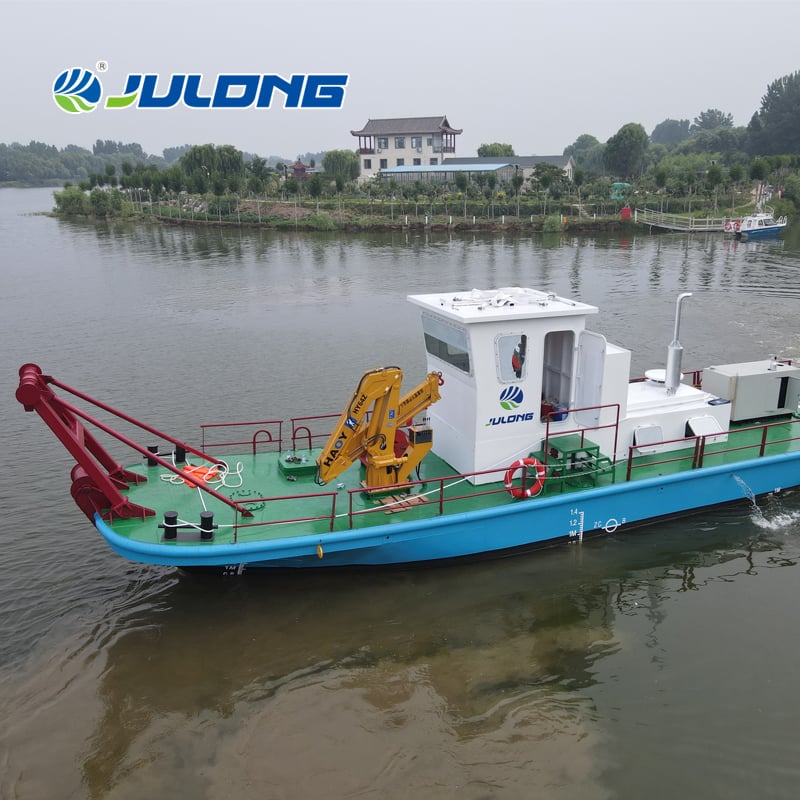
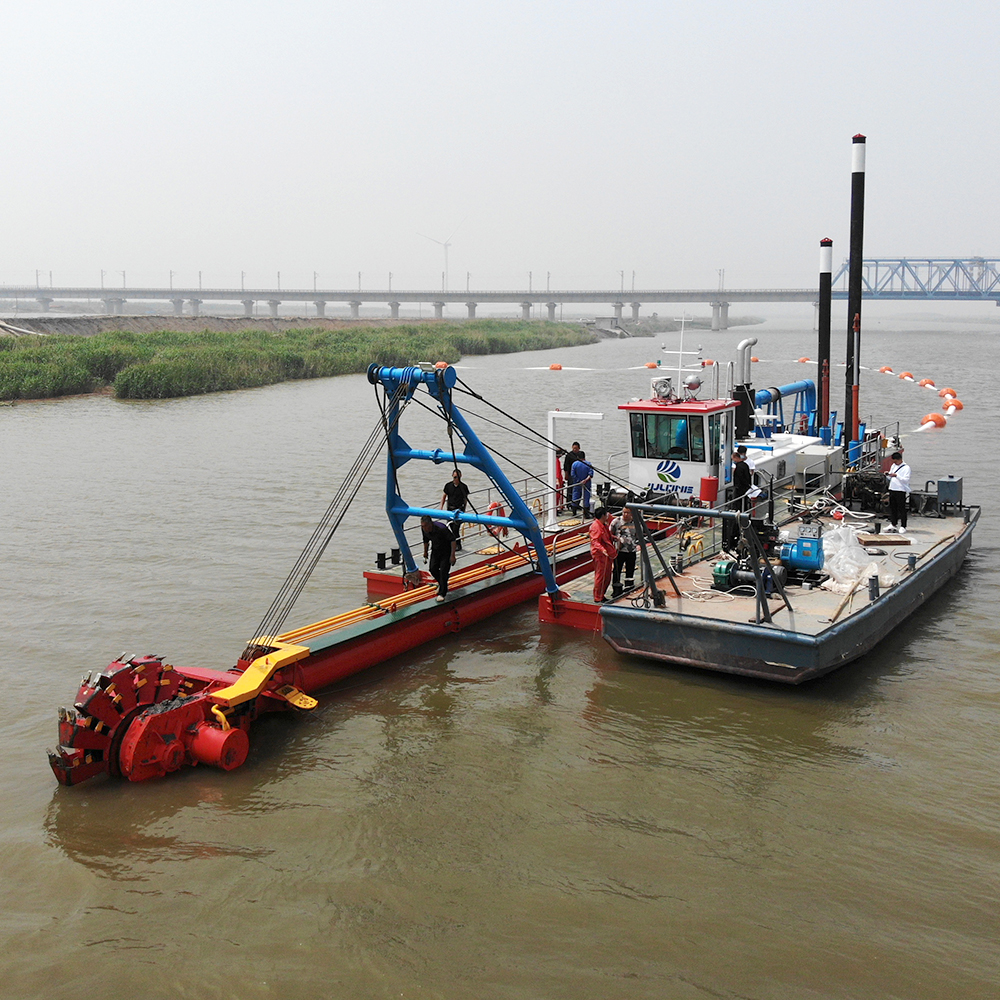
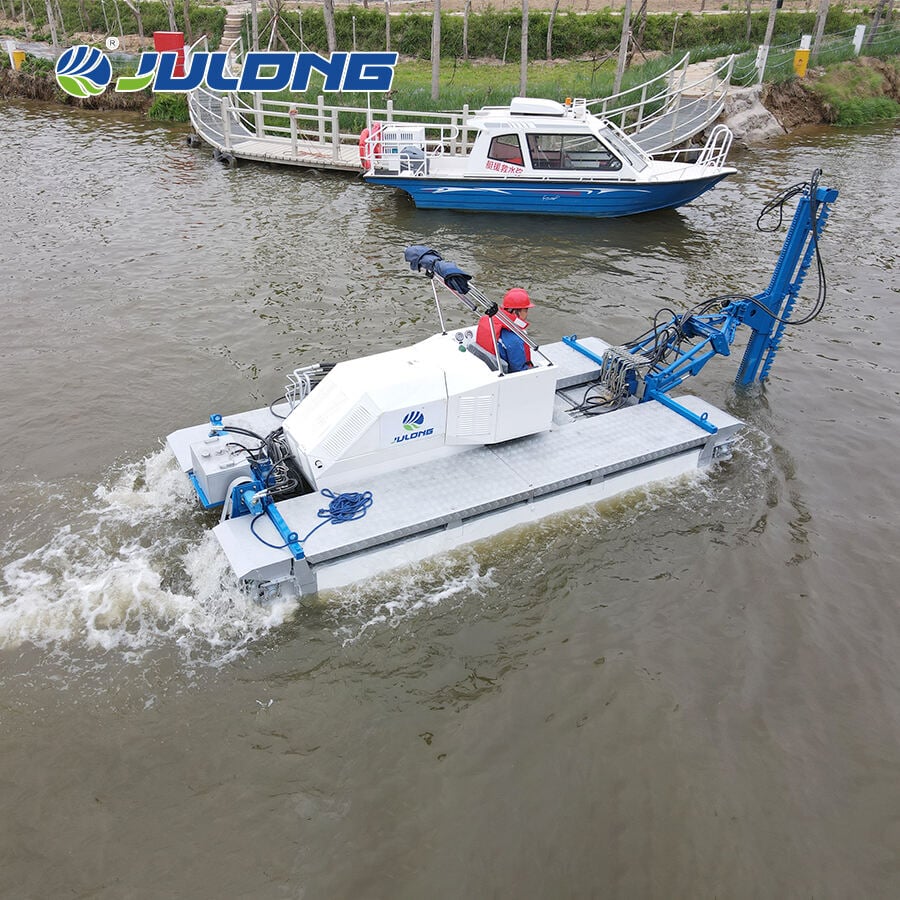
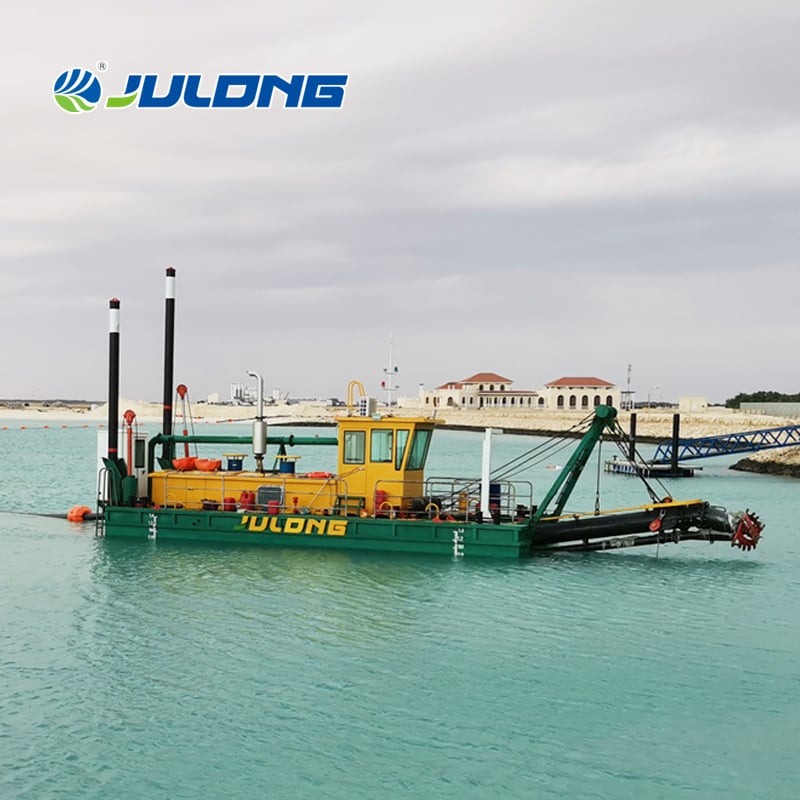
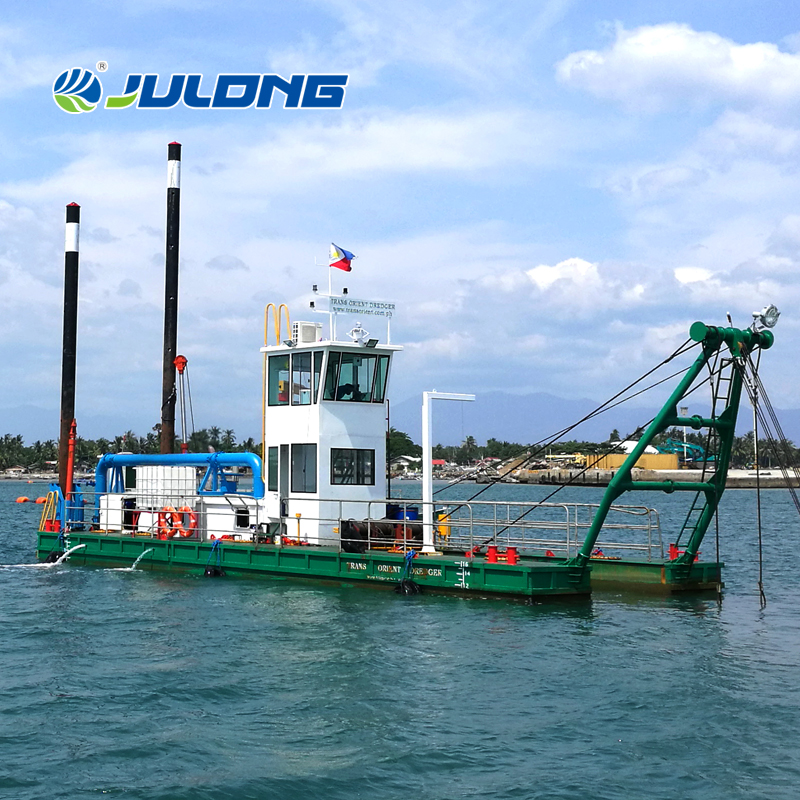
Underwater dredges are specialized equipment used to extract materials from underwater environments, making them essential for various industries, including construction, environmental remediation, and marine research. As a B2B buyer, you may have concerns regarding the quality, performance, and suitability of underwater dredges for your specific applications. This article will provide insights into the key features of quality underwater dredges, how to set them up correctly, common problems and solutions, their applications, and tips for sourcing them in bulk. Julong, the brand of Shandong Julong Environment Technology Co., Ltd., specializes in dredging equipment and has more than 30 years of experience in dredger design, production, supply, and maintenance. The company provides customized dredging solutions based on different site conditions, supported by professional design, welding, field service, and after-sales support. Julong dredgers have been exported to more than 60 countries and regions across Southeast Asia, East Asia, South Asia, South America, Oceania, Africa, and Eastern Europe. For B2B buyers, Julong can be considered when evaluating underwater dredges based on dredging capacity, equipment configuration, site conditions, manufacturing quality, customization requirements, maintenance support, and after-sales service.

Our Products

How to Properly Set Up Your Underwater Dredge

How to Properly Set Up Your Underwater Dredge

Setting up an underwater dredge requires careful attention to detail to ensure optimal performance:

Site Assessment: Before setup, conduct a thorough site assessment to understand the underwater terrain and material composition. This will inform the appropriate dredge selection and adjustments needed

Assembly Instructions: Follow the manufacturer's assembly guidelines closely. Pay special attention to the hydraulic dredger connections and ensure they are secure to prevent leaks

Testing the Equipment: Before full operation, conduct a test run to check all systems, including the hydraulic components and the pump's flow rate. This helps identify any potential issues that may arise during actual dredging

Safety Protocols: Implement safety protocols for operators. Ensure all team members are trained on the equipment and aware of the hazards associated with underwater dredging

Monitoring and Adjustments: Once operational, continuously monitor the underwater dredge's performance. Be prepared to make adjustments based on feedback from the field, such as modifying pump speeds or altering dredging techniques based on material resistance

Proper setup and operational monitoring can significantly enhance the efficiency and safety of your dredging operations.
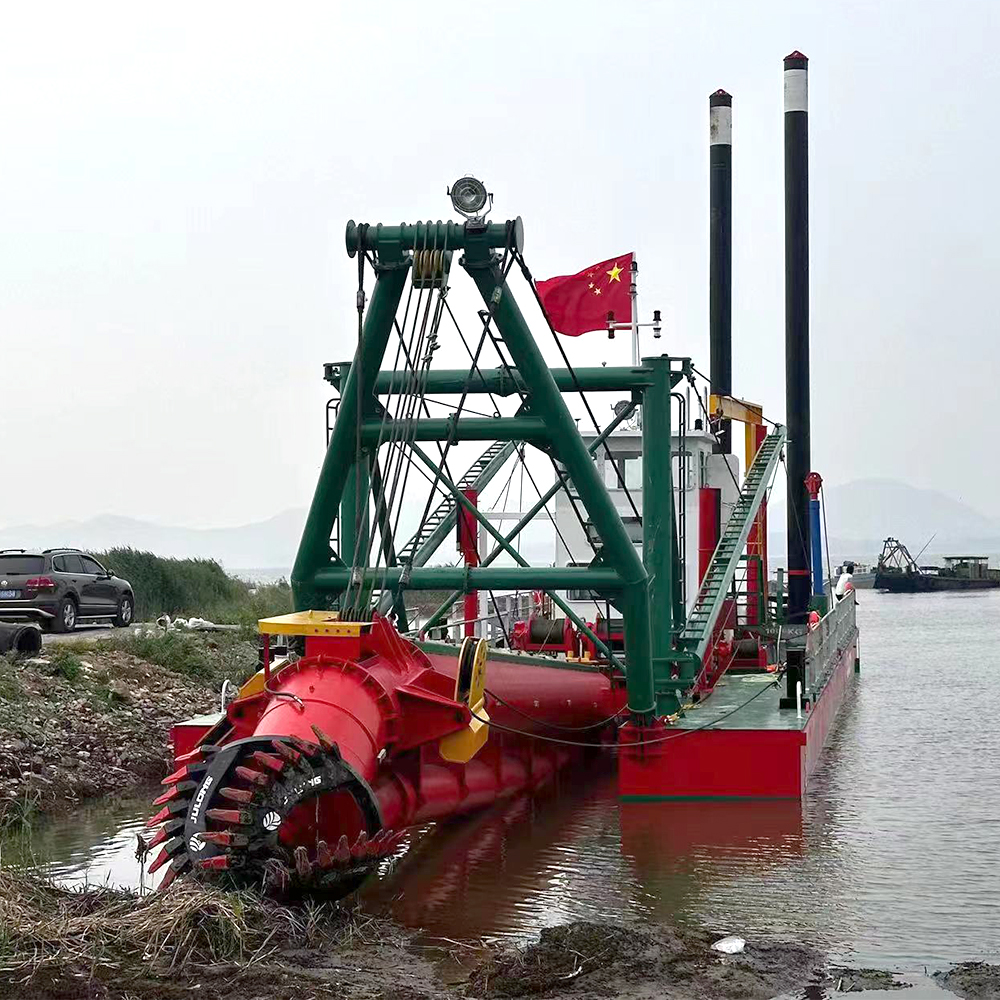
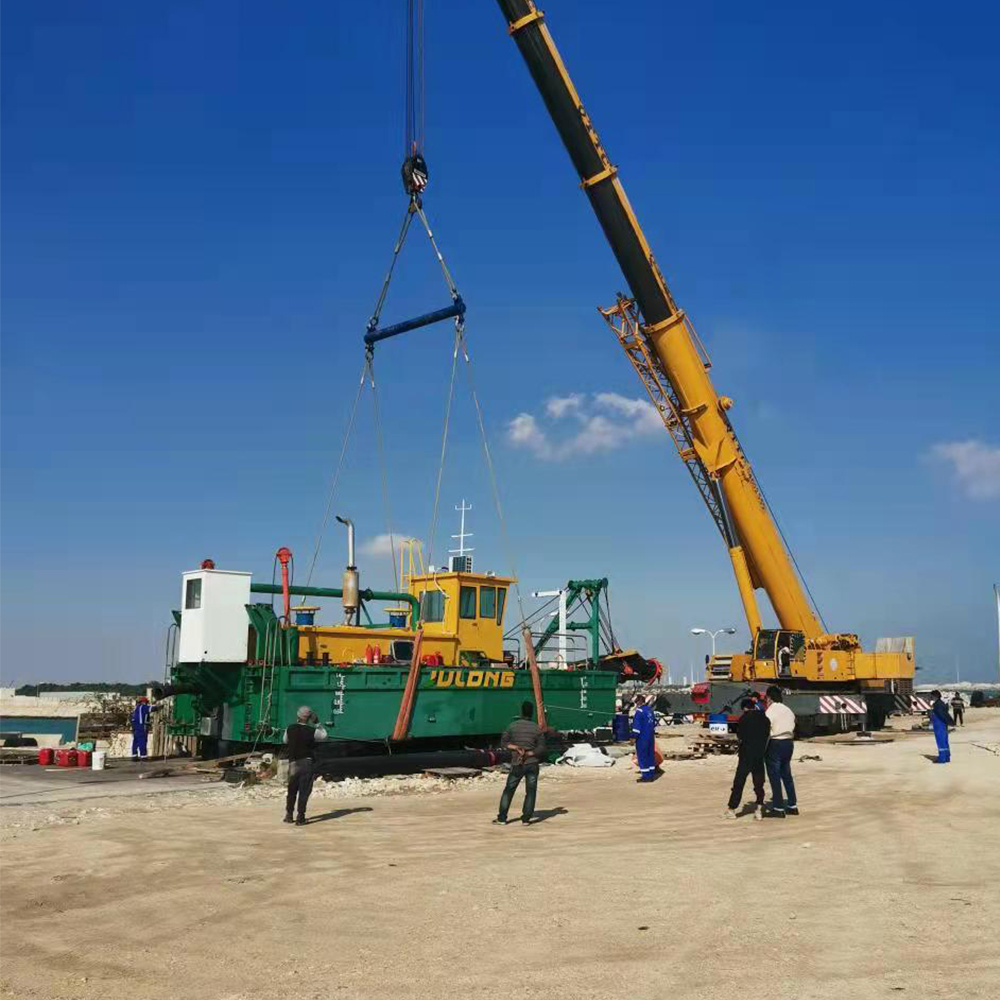
Common Problems and Solutions When Using Underwater Dredges

Common Problems and Solutions When Using Underwater Dredges

While underwater dredges are robust tools, users may encounter several common issues:

Clogged Pumps: This can occur due to debris or large particles entering the pump. Regular inspection of the intake area and installing mesh screens can mitigate this issue

Hydraulic Failures: Hydraulic systems can fail due to leaks or pressure loss. Routine maintenance checks on hoses and fittings, along with timely replacement of worn components, are essential

Inefficient Material Flow: If the water dredger material is not flowing smoothly, it could be due to pump Misconfiguration or excessive back pressure. Adjusting the hydraulic settings and ensuring the dredge is properly leveled can improve flow rates

Environmental Impact Concerns: Dredging can disrupt local ecosystems. To address this, implement best practices for minimizing environmental impact, such as using silt curtains to contain disturbed materials

Operator Error: Inexperienced operators may struggle to optimize dredge performance. Regular training and clear operational guidelines can reduce this risk

By anticipating these challenges and implementing preventive measures, you can enhance the reliability of your underwater dredging operations.

Where and How They Are Used

Where and How They Are Used

Underwater dredges are versatile tools and are used in various settings:

Marine Construction: Dredges are commonly employed in the construction of docks, marinas, and underwater pipelines, where sediment removal is necessary

Environmental Remediation: In cleanup projects, underwater dredges are used to remove contaminated sediments from bodies of water, aiding in the restoration of aquatic ecosystems

Mining Operations: Underwater dredges are utilized in the extraction of minerals and aggregates from riverbeds and seabeds, especially in the case of sand and gravel mining

Research Applications: Marine scientists use underwater dredges to collect sediment samples for research purposes, helping to monitor environmental changes and biodiversity

Infrastructure Maintenance: Regular dredging is essential for maintaining navigable waterways and preventing sediment buildup that could impede navigation

Understanding these applications helps buyers select the right dredge for their specific projects and operational goals.

Sourcing Underwater Dredges for Bulk Orders

When considering bulk orders for underwater dredges, there are several factors to keep in mind:

Supplier Evaluation: Assess potential suppliers based on their manufacturing capabilities, quality certifications, and past project experience. A reputable supplier should have a proven track record in producing reliable dredging equipment

Customization Options: Discuss your specific needs with the supplier. Customization may be necessary to ensure the underwater dredges meet your operational requirements. This may include modifications to size, pump capacity, or additional features

Minimum Order Quantities (MOQ): Be aware of the supplier's MOQ and how it aligns with your project needs. Some manufacturers may offer flexibility based on order size or long-term contracts

Lead Times and Delivery: Confirm lead times for production and shipping. Understanding these timelines is crucial for project planning and ensuring that dredging operations can commence as scheduled

Quality Control Measures: Inquire about the supplier's quality control processes. A reliable supplier should have systems in place to ensure that each dredge meets the necessary specifications and performance standards

Post-Sale Support: Evaluate the level of post-sale support offered, including training, maintenance support, and availability of spare parts. This can significantly impact the long-term success of your dredging operations

By considering these factors, you can make informed decisions when sourcing underwater dredges, ensuring that your investment meets both immediate and long-term operational needs.

Key Features of Quality Underwater Dredges

When evaluating underwater dredges, several features are critical to ensure they meet your operational needs:

Material Construction: High-quality underwater dredges typically use corrosion-resistant materials such as stainless steel or high-density polyethylene. This is essential for durability and longevity, especially in harsh marine environments

Hydraulic System: A robust hydraulic system is vital for the effective operation of an underwater dredges. Look for models that offer adjustable flow rates, allowing for greater control over the dredging process

Pump Efficiency: The pump's design and efficiency directly impact the dredging capability. A well-engineered pump can significantly reduce energy consumption while maximizing material flow

Dredging Depth: Different underwater dredges are designed for varying depths. Understanding the maximum dredging depth required for your application will help narrow down your options

Portability and Size: Depending on the project scope, the size and weight of the dredge can be factors in determining its suitability. Smaller, portable models may be advantageous for shallow or confined areas

Certification: Ensure that the dredge is certified by recognized international classification societies. This not only confirms its quality and safety standards but also enhances trust in its performance

These features collectively contribute to the effectiveness and reliability of underwater dredges, making them crucial for successful project execution.

Our Blog Posts

Dredgers for River and Lake Maintenance: A Complete Guide

15

Sep

Dredgers for River and Lake Maintenance: A Complete Guide

Julong specializes in designing dredgers that are highly specialized to the river and lake maintenance, and are tailored to meet the peculiarities of the inland water to help in sediment management, ecological stability, and waterway operation. Its d...
View More
How Dredgers Handle Different Water Conditions?

29

Sep

How Dredgers Handle Different Water Conditions?

Julong, a committed dredging equipment supplier, has designed its dredgers in such a way that they adjust successfully in different water conditions, so that they can perform at a similar and efficient level in different project situations. These dre...
View More
Dredgers in River, Lake, and Harbor Cleaning Projects

09

Mar

Dredgers in River, Lake, and Harbor Cleaning Projects

Dredgers are large machines used to clear debris in rivers, lakes and harbors. They are the little things that do a big job to keep our waterways clean and safe for Cuyahoga River animals, plants, and people. What are dredgers and how do they work Dr...
View More

Get a Free Quote

Our representative will contact you soon.
Email
Name
Company Name
Message
0/1000

Related Search

Quality Underwater Dredges for Efficient Operations Quality Underwater Dredges for Efficient Operations Quality Underwater Dredges for Efficient Operations
email goToTop