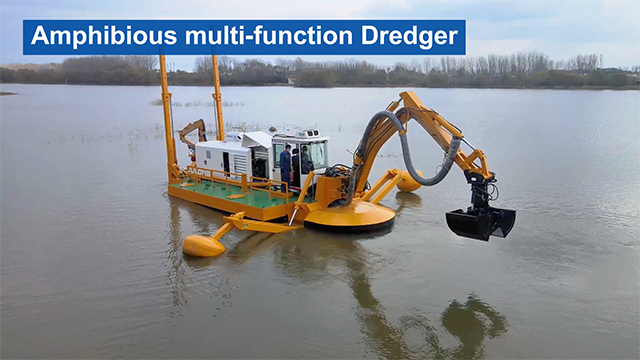
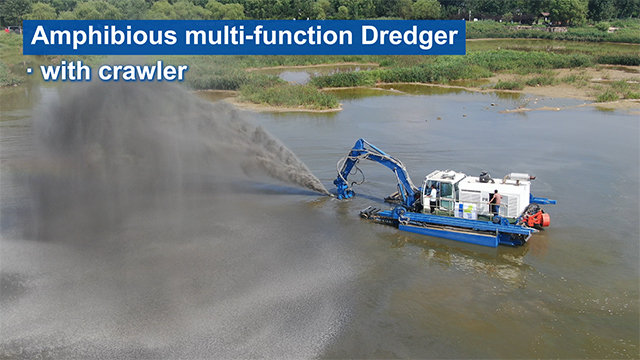
The Watermaster amphibious dredger is an innovative piece of equipment designed for diverse environmental applications, offering a unique solution for waterway maintenance, sediment removal, and habitat restoration. Potential buyers often seek information about specifications, performance capabilities, cost considerations, and application scenarios before making a purchase decision. This article will provide an in-depth overview of the Watermaster amphibious dredger, addressing key specifications, standout features, cost factors, common dredging challenges, and real-world applications in environmental projects.


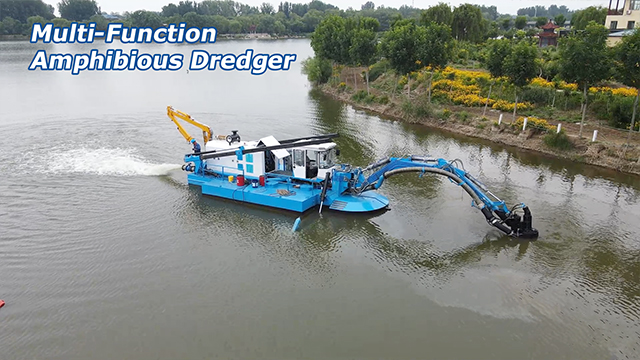
What Makes Watermaster Dredgers Stand Out?
Watermaster amphibious dredgers stand out in the market for several reasons:
Versatility: The ability to operate in shallow and deep waters, as well as on land, makes the Watermaster dredger suitable for diverse applications, including environmental restoration, construction, and maintenance of waterways.
Innovative Design: Collaboration with top universities has led to patented designs that enhance performance and efficiency. This focus on innovation helps ensure that Watermaster dredgers remain at the forefront of technology in the dredging industry.
Reliability: With certifications from multiple international classification societies, Watermaster dredgers are built to meet stringent quality and safety standards, assuring buyers of their reliability in critical environmental projects.
Operational Efficiency: The amphibious excavator dredge are equipped with advanced hydraulic systems that maximize dredging speed and minimize fuel consumption, providing cost-effective solutions for large-scale operations.
Environmental Protection: Designed with eco-friendly practices in mind, Watermaster dredgers minimize habitat disruption and can be used for sediment removal and restoration projects that support biodiversity.