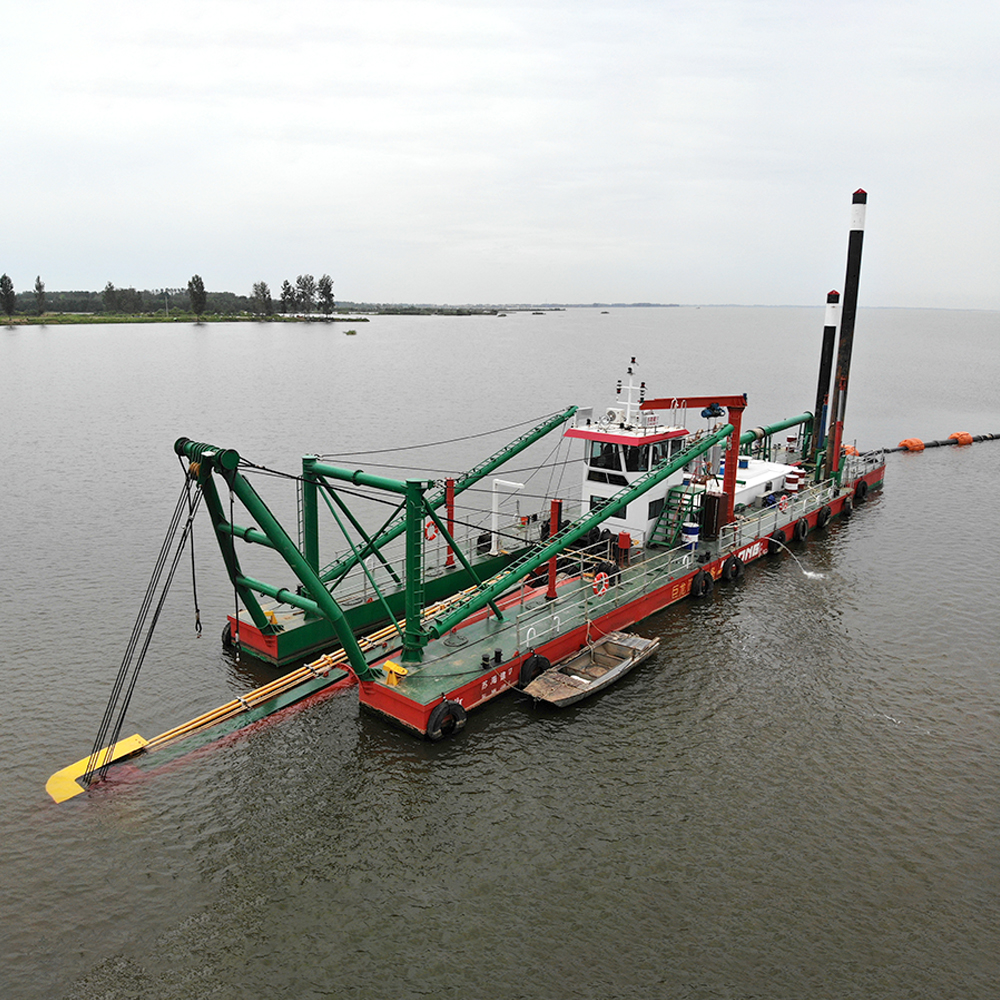
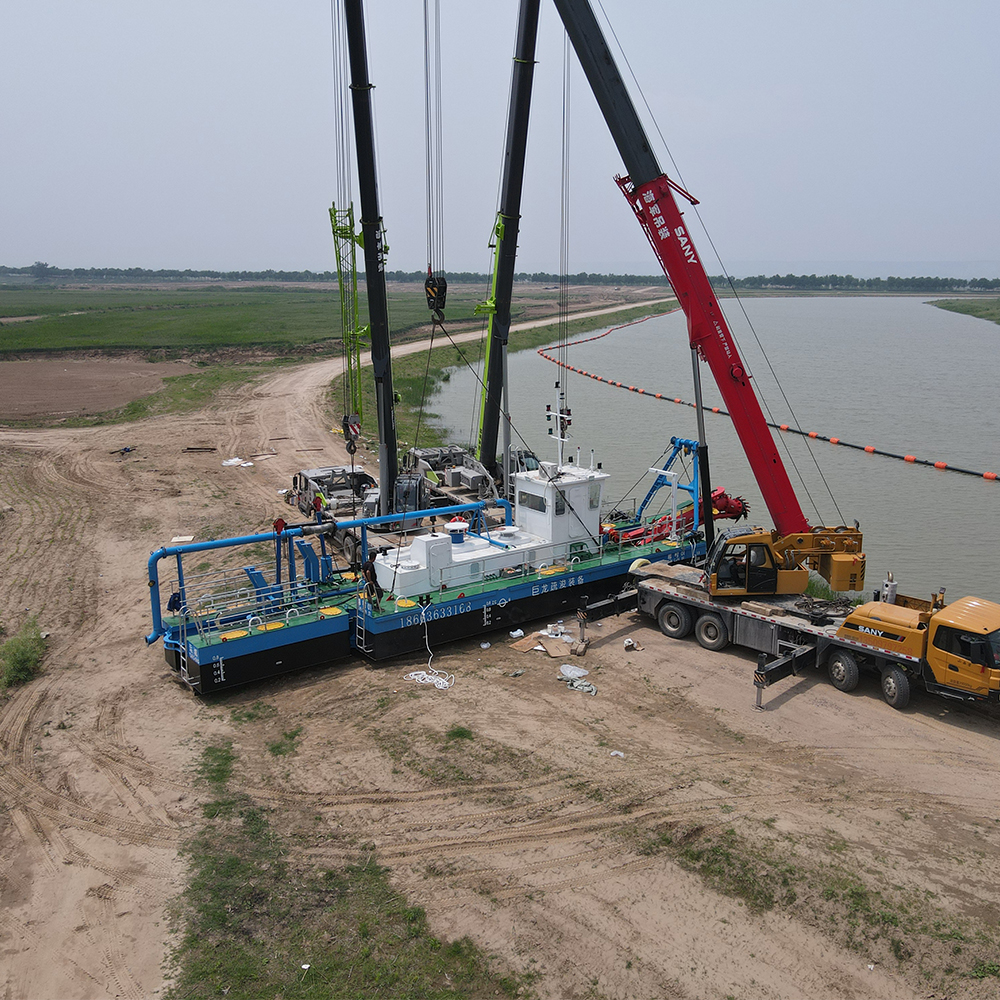
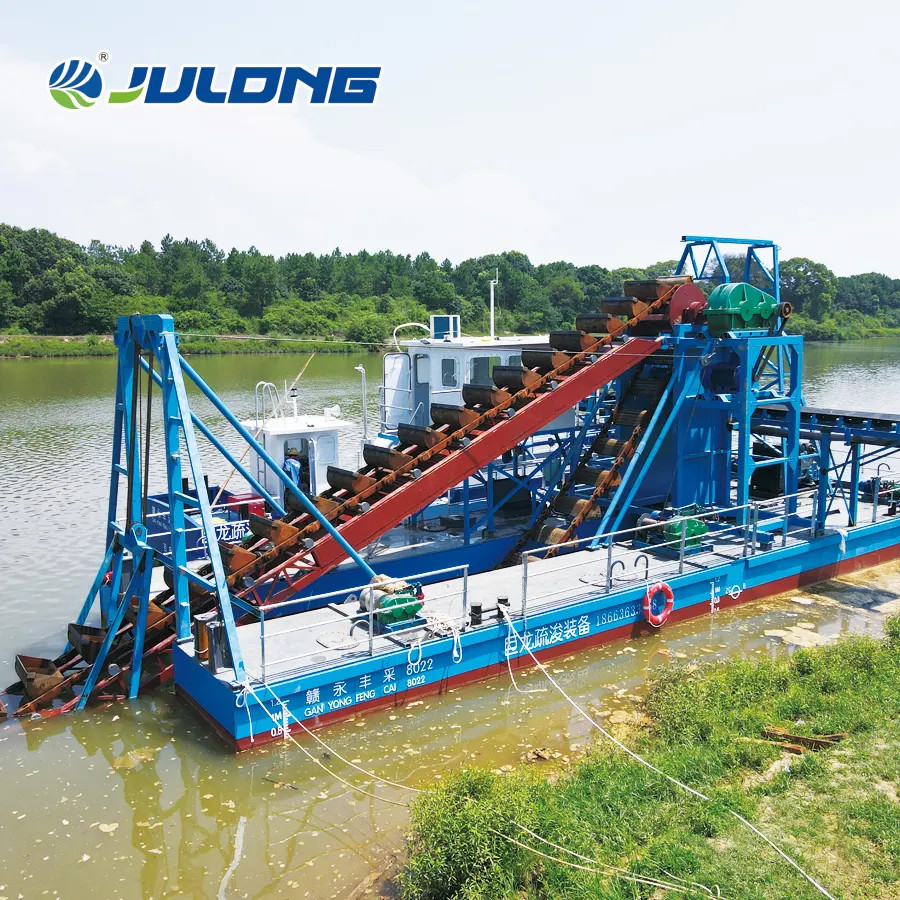
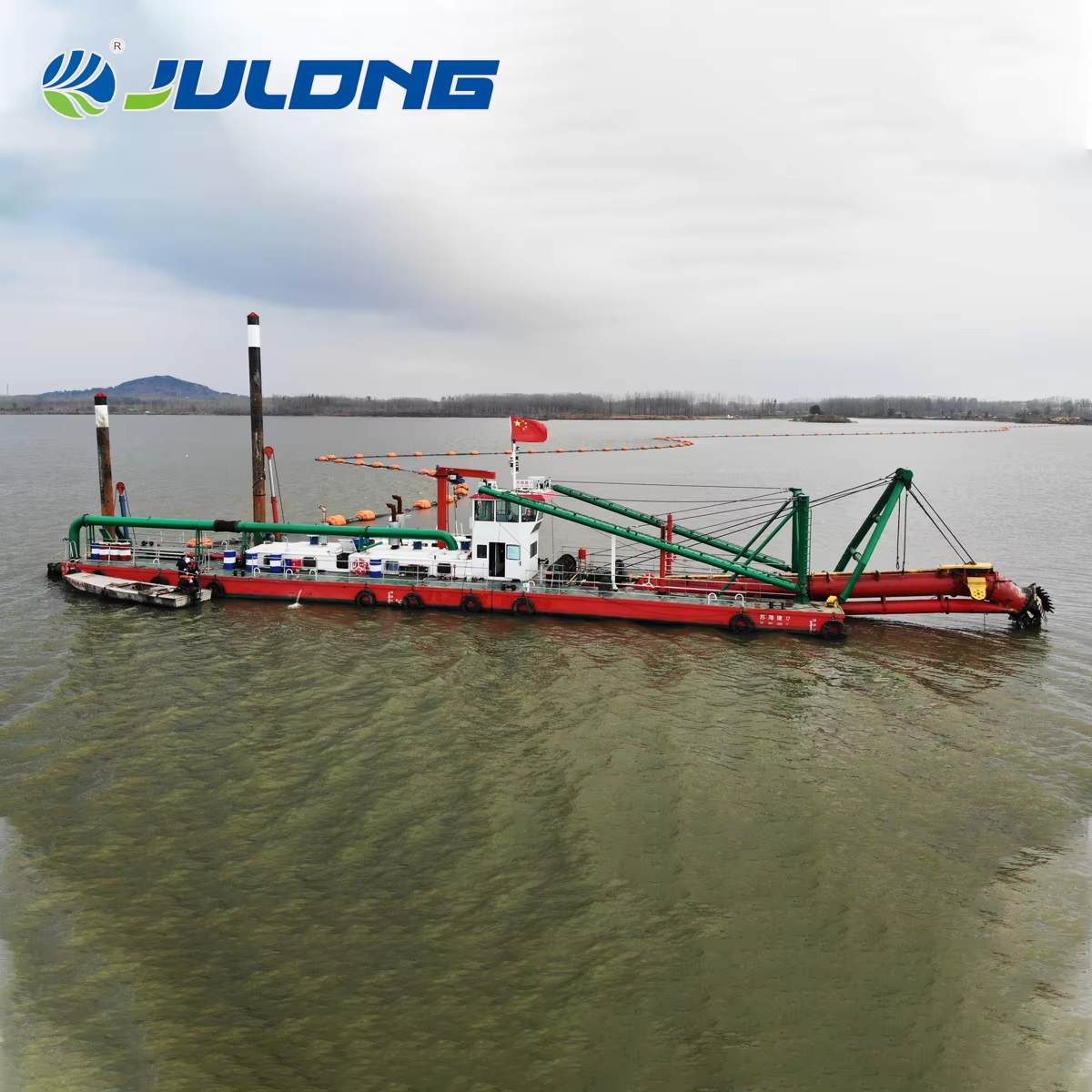
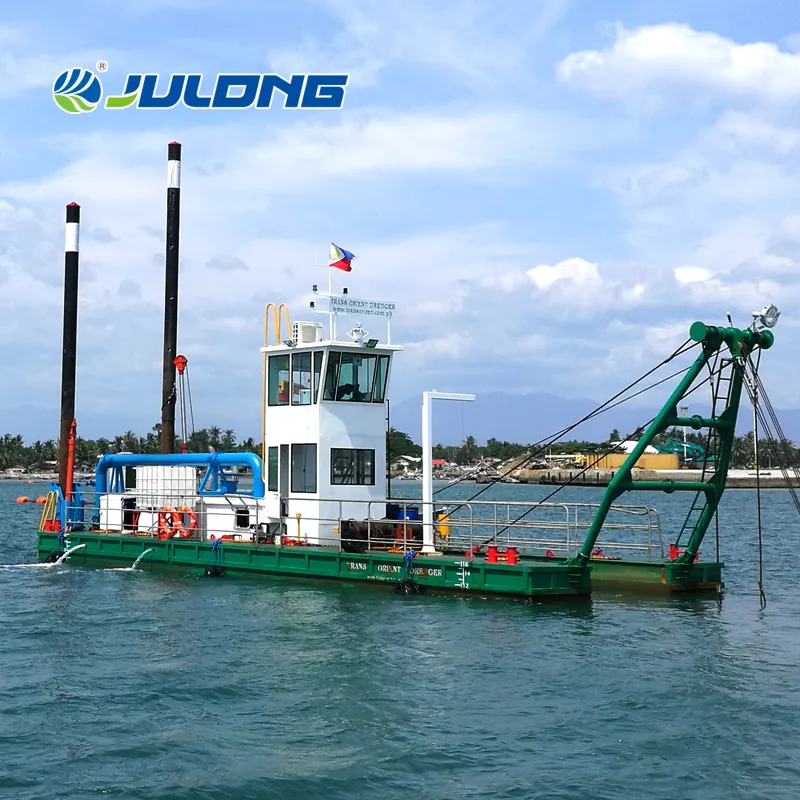
Choosing the right cutterhead dredge is crucial for effective sediment removal and waterway management in environmental projects. Cutterhead dredges are specialized equipment designed to excavate sediment from underwater environments, making water dredging equipment essential for various applications, including environmental protection and restoration. Potential buyers, such as purchasing managers, engineers, and project managers, need to consider factors like specifications, cost, and application suitability before making a purchase cutterhead dredge. This article will guide you through the environmental projects considerations for selecting and using cutterhead dredges, helping you make informed decisions that align with your project needs.
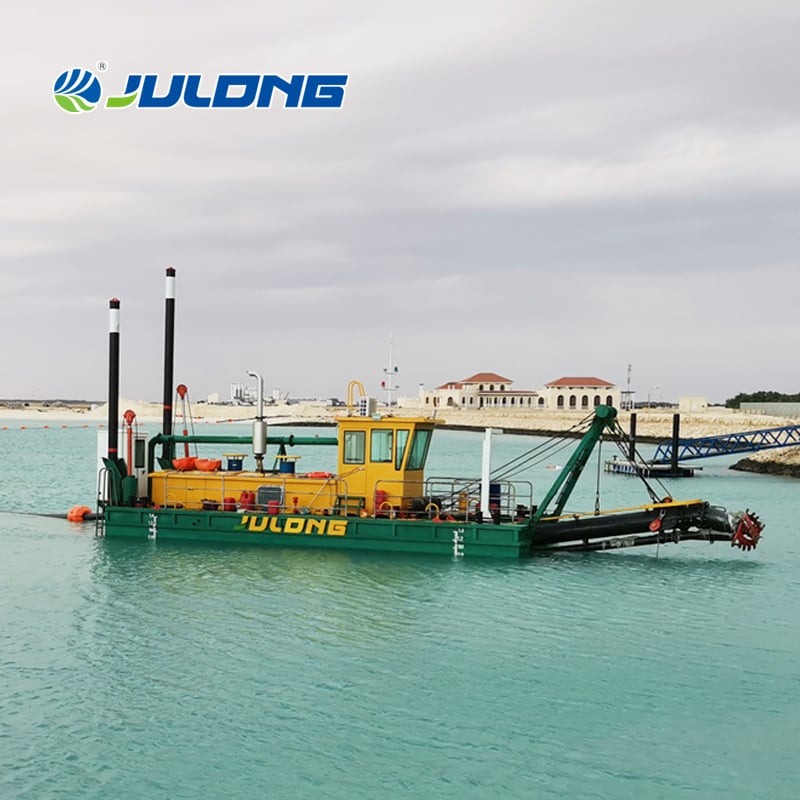

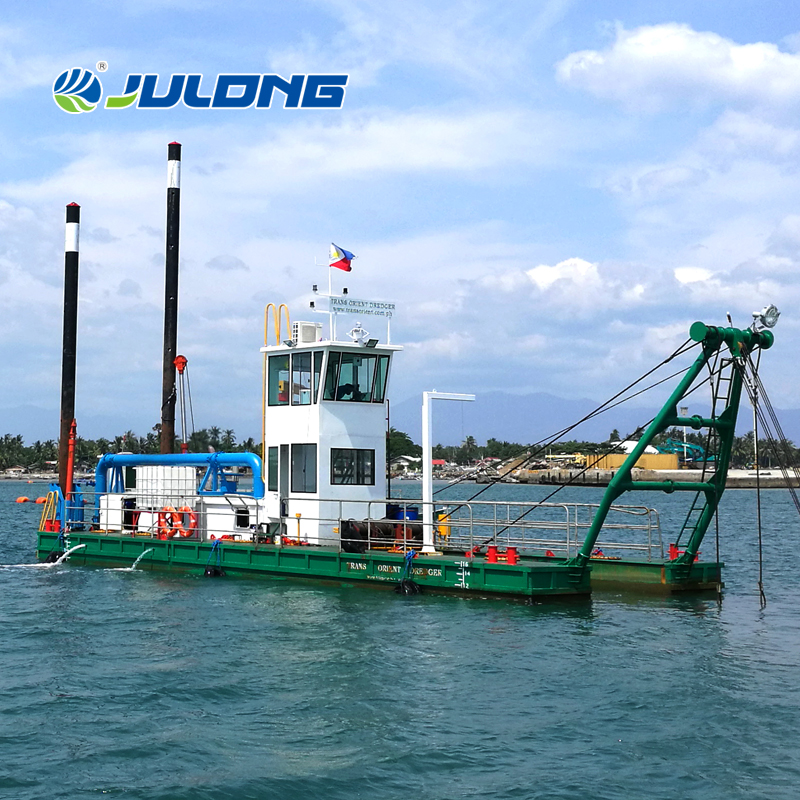


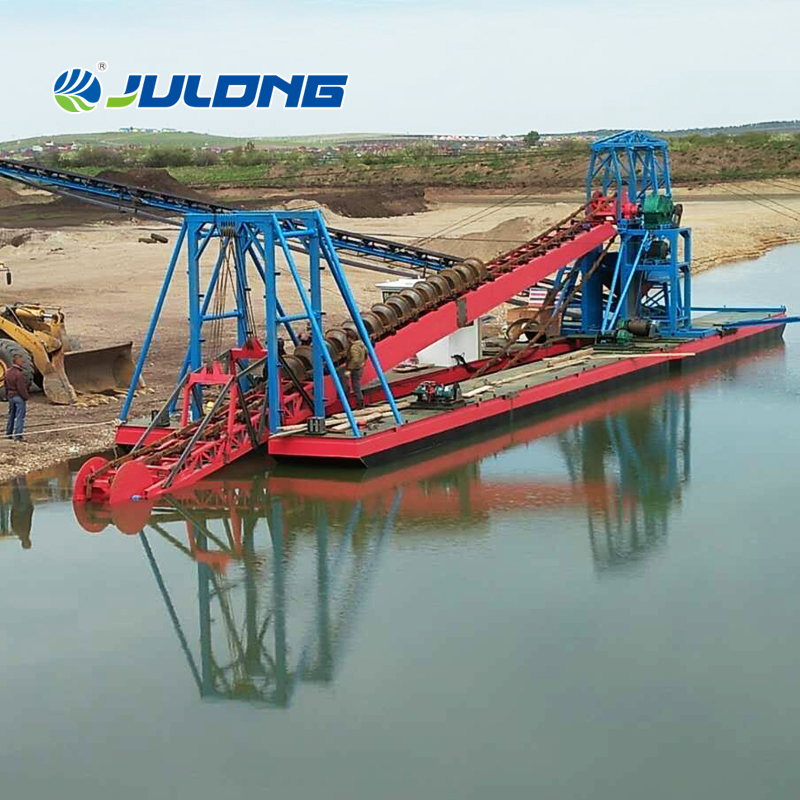


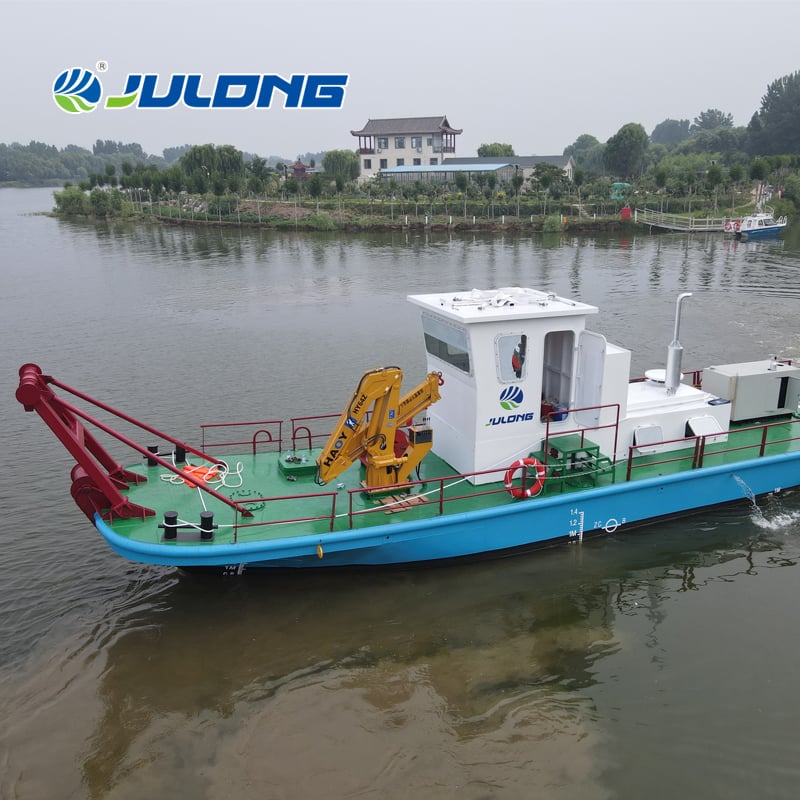
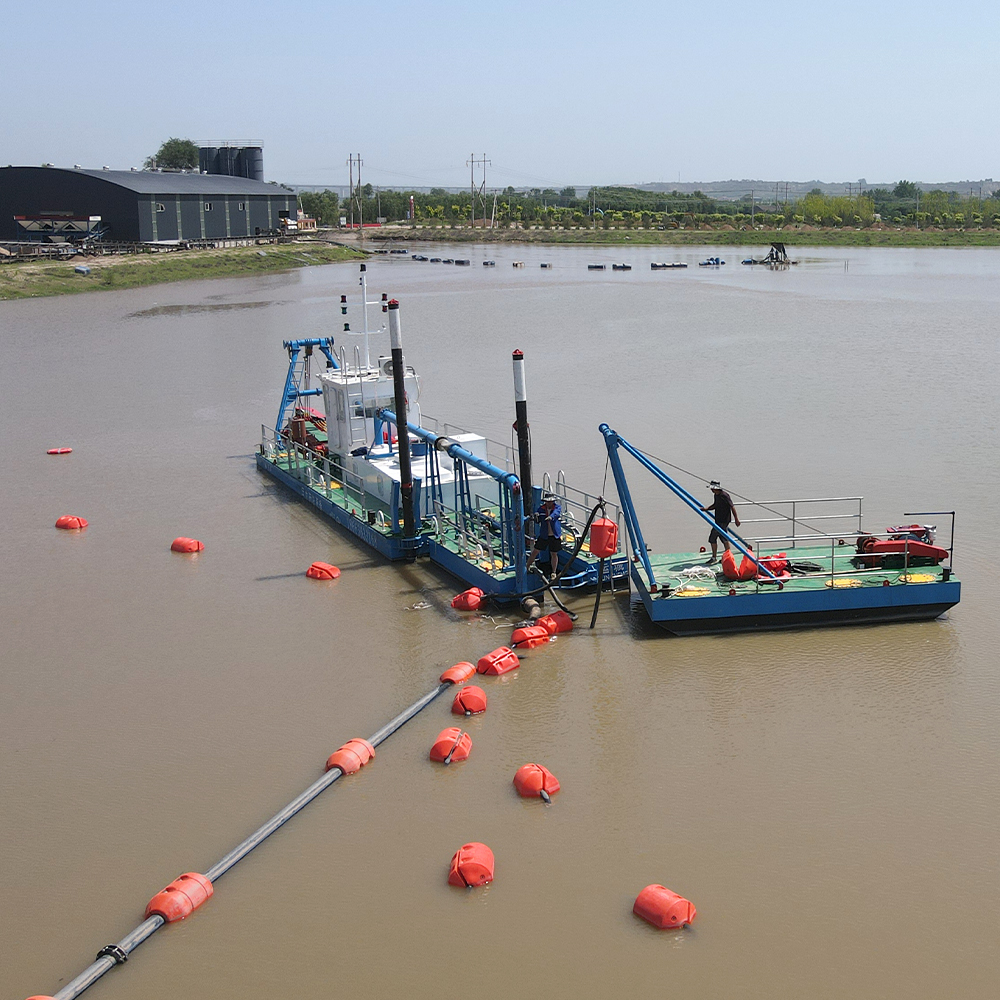
Cost Factors to Consider When Buying Cutterhead Dredges in Bulk
Purchasing cutterhead dredges in bulk can lead to significant cost savings, but several factors influence pricing:
Material and Build Quality: The choice of materials directly affects the cost. Higher-quality waterway dredger may have a higher upfront cost but can enhance durability and reduce long-term maintenance expenses.
Manufacturing Complexity: More complex dredge designs with advanced features can increase production costs. Understanding the trade-off between features and overall cost is essential for budget planning.
Order Volume: Typically, larger orders can qualify for volume discounts, but the minimum order quantity (MOQ) must be considered. Ensure you negotiate terms that align with your project timeline and budget.
Logistics and Shipping: Don’t overlook shipping costs, which can vary based on the dredge's size and weight. Factor in delivery timelines to avoid project delays.
Warranty and Support: Evaluate the warranty terms and post-purchase support. A more comprehensive warranty may come at a slightly higher cost but can provide long-term savings through reduced repair and maintenance expenses.