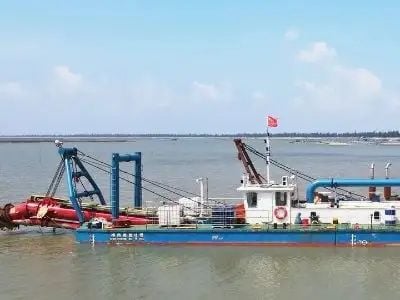
barges-0

Choosing Barges for Environmental Projects

  • No. 66, Changping Street, Xinchang Street, Weifang High-Tech Zone, Shandong Province, China
  • [email protected]

Get a Free Quote

Our representative will contact you soon.
Email
Mobile
Name
Company Name
Message
0/1000

Barges

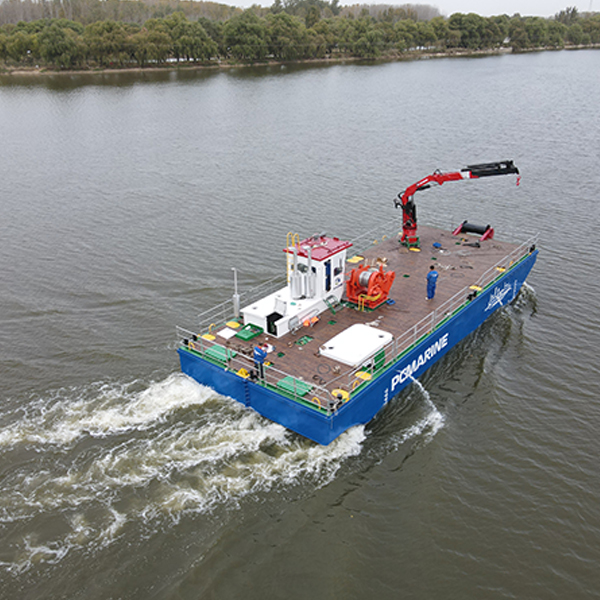
Choosing the right barges for environmental projects involves understanding various factors, including specifications, installation requirements, and supplier reliability. Barges play a critical role in water environmental protection, facilitating the transport of equipment and material construction are necessary for environmental remediation and maintenance. This article will help you navigate the key considerations for selecting barges, ensuring that you make informed decisions that align with your project needs.
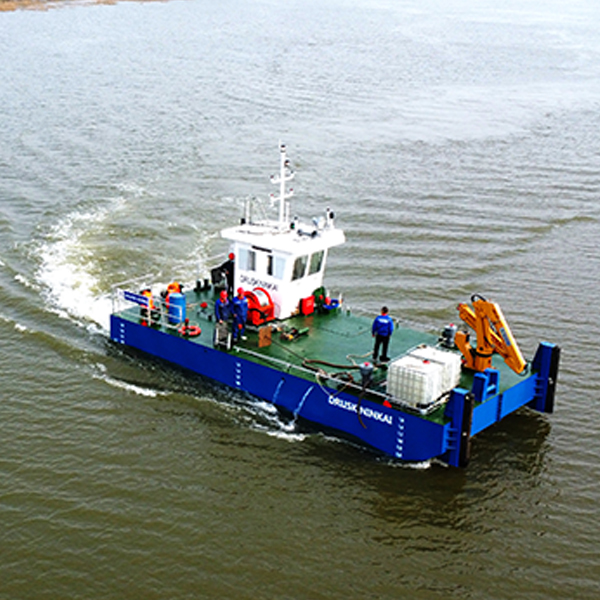
Key Specifications and Quality Indicators

Key Specifications and Quality Indicators

Understanding the key specifications and quality indicators of barges is crucial for making an informed selection. Important specifications to consider include: 

Dimensions: The length, width, and height of the barge determine its load capacity and suitability for various applications. Ensure that the dimensions align with both the operational requirements and any transport regulations. 

Load Capacity: Evaluate the load capacity of the barge, which should accommodate the maximum weight of the materials and equipment to be transported. Overloading a barge can lead to safety hazards and operational failures. 

Material Construction: The materials used in the material construction of the barge influence its durability and performance. Common materials include steel and aluminum, each offering different benefits in terms of strength, weight, and corrosion resistance. Consider the environmental conditions the barge will face, such as exposure to chemicals or saltwater. 

Sealing and Waterproofing: Effective sealing and waterproofing are critical to maintaining buoyancy and preventing leaks. Inspect the quality of welding and sealing used in the barge's material construction to ensure longevity and supplier reliability. 

Quality indicators such as manufacturer certifications, quality control processes, and material sourcing should also be evaluated. A reputable manufacturer will provide documentation of certifications and testing results to assure buyers of the product's quality. 
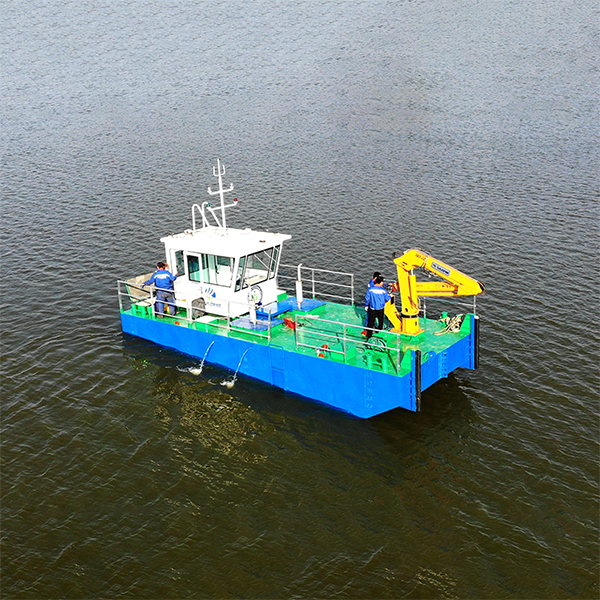
Installation Guidance for Barges in Various Applications

Installation Guidance for Barges in Various Applications

The installation of barges must be approached with careful planning to ensure they function effectively in their intended environments. Here are key considerations for installation: 

Site Assessment: Conduct a thorough site assessment to understand the specific conditions where the barge will be deployed. This includes water depth, potential obstructions, and environmental regulations that may impact installation. 

Anchoring and Stability: Determine the appropriate anchoring method based on the barge's design and the environmental conditions. Proper anchoring is essential for maintaining stability during operations, especially in areas with strong currents. 

Integration with Equipment: If the river barge is to be used in conjunction with other equipment, such as cranes or pumps, ensure compatibility during the design phase. Consider factors such as access routes and the positioning of equipment on the barge to optimize operational efficiency. 

Training and Safety Protocols: Provide training for personnel on the safe operation of the barge. Establish safety protocols and emergency procedures to address potential risks associated with barge operations. 

By incorporating these considerations into the installation process, you can enhance operational efficiency and safety. 

Evaluating the Cost Factors of Barges for Contractors

Evaluating the Cost Factors of Barges for Contractors

When evaluating the cost of barges, contractors should consider several key factors that can impact overall pricing. First, the initial purchase price of the barge is often influenced by its size, material, and specifications. However, the initial cost is just one component of the total cost of ownership. 

Maintenance and Operating Costs: Regular maintenance is essential for ensuring the longevity and performance of barges. Factor in the costs associated with inspections, repairs, and maintenance activities. Additionally, consider fuel consumption and operational efficiency when estimating ongoing costs. 

Customization Requirements: Customization can significantly impact the price of a barge. If specific features or modifications are required to meet environmental projects needs, this will affect both the lead time and overall cost. Engage with manufacturers to discuss customization options early in the purchasing process. 

Shipping and Logistics: Consider the logistics of transporting the barge to the project site. Shipping costs can vary based on distance, size, and any special requirements for transport. Ensure that these costs are included in the overall budget. 

Financing Options: Depending on the project's scale, financing options may be available, which could help manage upfront costs. Evaluate the terms and conditions of any financing arrangements to ensure they align with environmental projects budgets. 

By carefully evaluating these factors, contractors can make more informed decisions that align with their financial constraints and environmental projects timelines. 

Where to Find Trusted Suppliers for Barges in Your Area

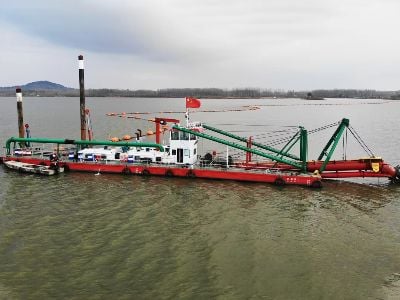
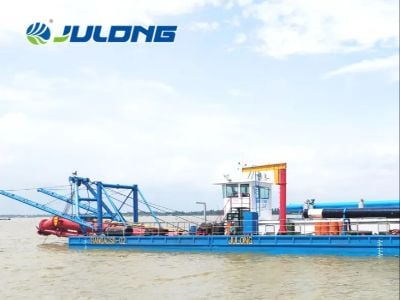
Identifying reliable suppliers for dredger barge is crucial for ensuring quality and compliance. Here are several strategies to locate trusted manufacturers: 

Industry Associations: Membership in industry associations can provide access to a network of certified suppliers and manufacturers. These organizations often have directories that list reputable companies in the field. 

Supplier Reviews and Testimonials: Research potential suppliers' reputations through online reviews and testimonials. Look for feedback from other contractors who have purchased similar equipment, focusing on their experiences regarding product quality and customer support. 

Trade Shows and Expos: Attend industry trade shows and expos to meet manufacturers and suppliers face-to-face. This offers an opportunity to discuss products, ask questions, and evaluate the company’s offerings in person. 

Collaborations with Educational Institutions: Engaging with universities or research institutions can lead to partnerships with manufacturers like JULONG that prioritize innovation. Such collaborations can ensure access to cutting-edge technologies and environmentally compliant solutions. 

Certifications: Look for suppliers that hold relevant certifications from recognized classification societies. This can help ensure that the barges meet quality and safety standards essential for environmental projects. 

By leveraging these strategies, you can identify reputable suppliers who meet your specific needs and environmental projects requirements, ensuring a successful procurement process. 

What to Consider When Choosing Barges for Environmental Projects

When selecting barges for environmental projects, several factors must be considered to ensure they meet environmental projects specifications and performance requirements. First, the intended application of the barge is critical. Will it be used for transporting equipment, materials, or personnel? The barge's design and load capacity should align with the project's specific needs. 

Next, consider the environmental conditions where the canal barge will operate. Factors such as water depth, currents, and the presence of obstacles can affect the choice of barge. A shallow draft design may be necessary for areas with limited water depth, while stability may be a priority in fast-moving waters. 

Additionally, regulatory compliance is an essential consideration. Ensure that the barges meet the necessary certifications environmental projects from relevant authorities, such as environmental protection agencies. Collaborating with manufacturers like JULONG, known for their patented, certified products, can help ensure compliance and reliable performance. 

Our Blog Posts

Hydraulic vs. Mechanical Dredge Systems: Operational Insights

05

Aug

Hydraulic vs. Mechanical Dredge Systems: Operational Insights

If we compared hydraulic systems with mechanical systems as to their capacity to dredge:Hydraulic dredging itself uses high-velocity water jets to dislodge sediment, while mechanical Dredging equipment employs mechanical devices such as an excav...
View More
Comparing Manual Weed Removal vs. Mechanical Weed Cutting Boats

18

Aug

Comparing Manual Weed Removal vs. Mechanical Weed Cutting Boats

In solving the problem of aquatic weed infestation in water bodies, where manual work is involved or alternative options such as mechanical use of weed cutting boats such as JULONG, there is a lot of difference that can be made. Manual process depend...
View More
What Is a Dredger? Types, Applications, and Working Principles

02

Mar

What Is a Dredger? Types, Applications, and Working Principles

Dredgers are amazing machines and if used properly they can keep our waterways healthy. These are just large scoopers that can scoop the sand, mud and other dirty things from the bottom of river, lake or sea. So let's jump into the world of dredger&n...
View More
Dredgers in River, Lake, and Harbor Cleaning Projects

09

Mar

Dredgers in River, Lake, and Harbor Cleaning Projects

Dredgers are large machines used to clear debris in rivers, lakes and harbors. They are the little things that do a big job to keep our waterways clean and safe for Cuyahoga River animals, plants, and people. What are dredgers and how do they work Dr...
View More

Get a Free Quote

Our representative will contact you soon.
Email
Name
Company Name
Message
0/1000

Related Search

Choosing Barges for Environmental Projects Choosing Barges for Environmental Projects Choosing Barges for Environmental Projects
email goToTop