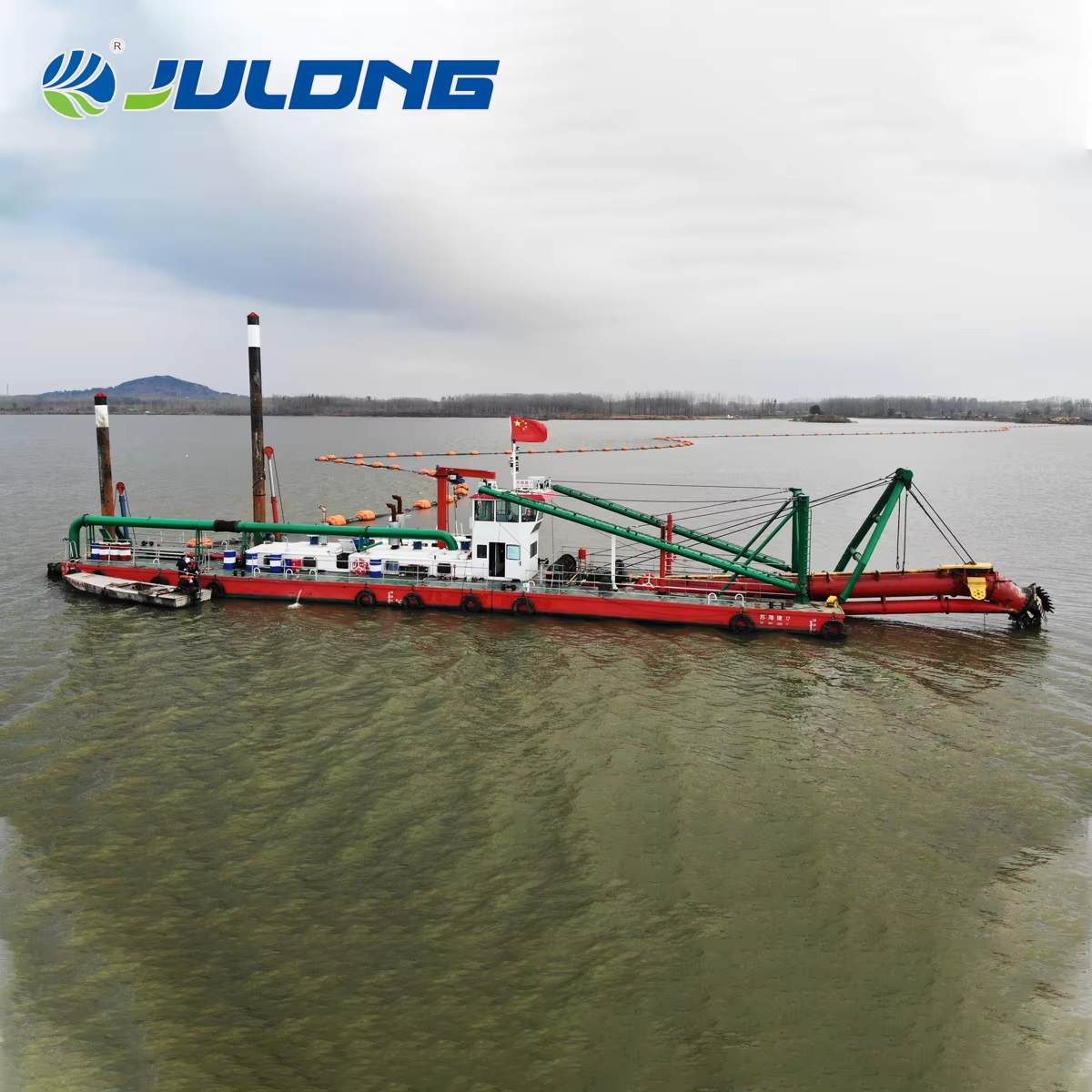
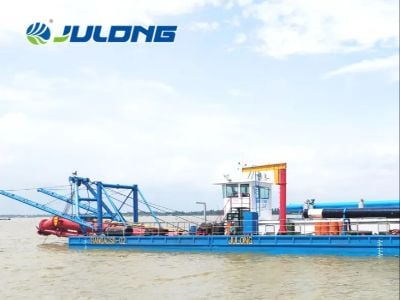
Bucket wheel dredgers are specialized equipment used in the extraction of materials from underwater environments, particularly in the context of mining and environmental projects. For B2B buyers from Julong, including purchasing managers, engineers, and project managers, understanding the intricacies of bucket wheel dredgers is crucial for making informed purchasing decisions. This article will cover key specifications to consider, quality evaluation methods, sourcing reliable suppliers, applications in environmental projects, and the advantages of advanced materials in bucket wheel dredger design.
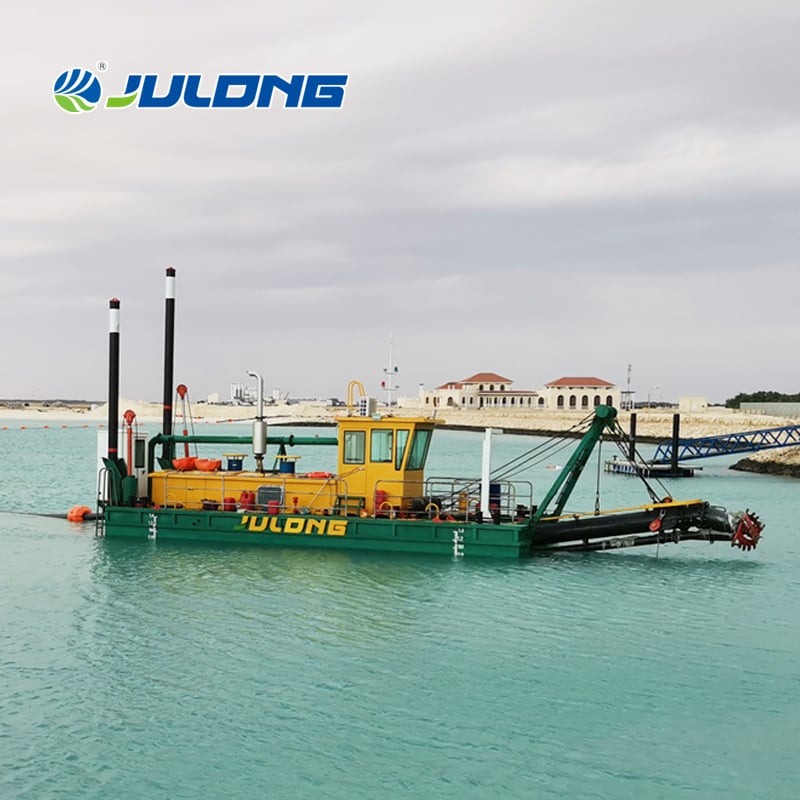

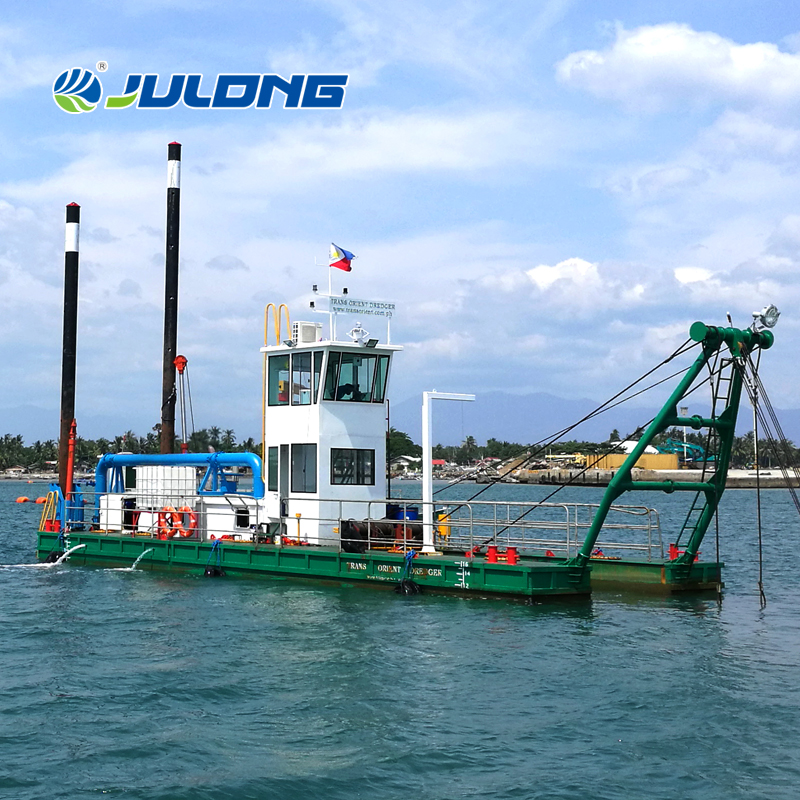


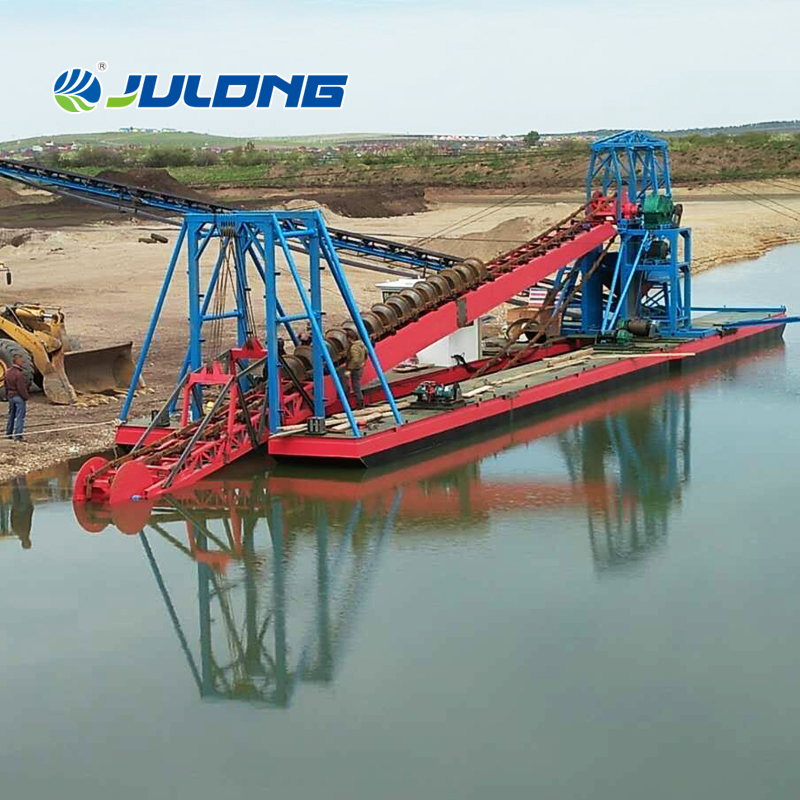


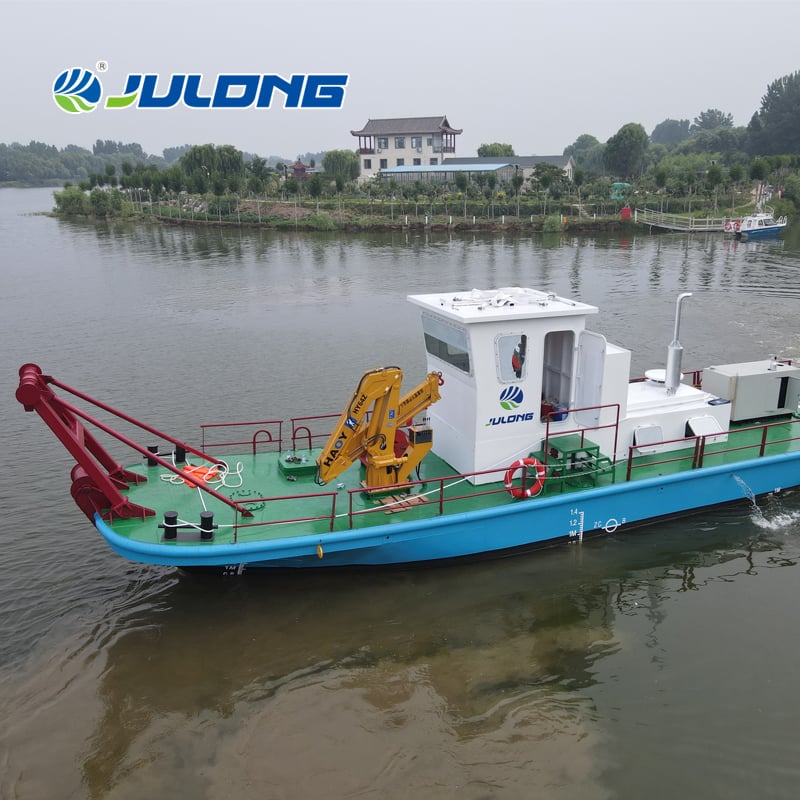
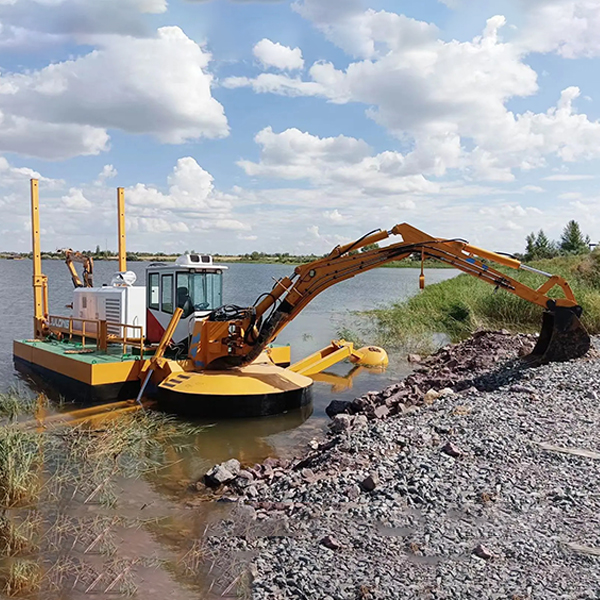
How to Evaluate the Quality of Bucket Wheel Dredgers for Projects
Evaluating the quality of bucket wheel dredgers involves multiple steps that can significantly impact project success. Here are several considerations:
Certification and Compliance: Verify that the dredger is certified by recognized international classification societies. Certification indicates adherence to industry standards and ensures reliability in performance.
Material Quality: Inspect the materials used in the dredger's material construction. High-quality materials such as advanced steel alloys are essential for durability. Buyers should request material certifications and conduct inspections to confirm quality.
Workmanship and Design: The material construction quality of the dredger, including welding and assembly, should be examined. Poor workmanship can lead to operational failures. Reviewing design features that enhance efficiency, such as the arrangement of buckets or the hydraulic system, can also provide insights into quality.
Field Testing: If possible, request demonstrations or field tests of the sand dredger in similar operational conditions. Observing the dredger's performance firsthand can help assess its capabilities and reliability.
User Feedback and Reviews: Gathering feedback from other users can provide valuable insights into the dredger's long-term performance and maintenance needs. Engaging with industry forums or user groups may yield practical experiences that inform purchasing decisions.
By following these quality evaluation steps, buyers can significantly reduce the risk of acquiring subpar equipment.