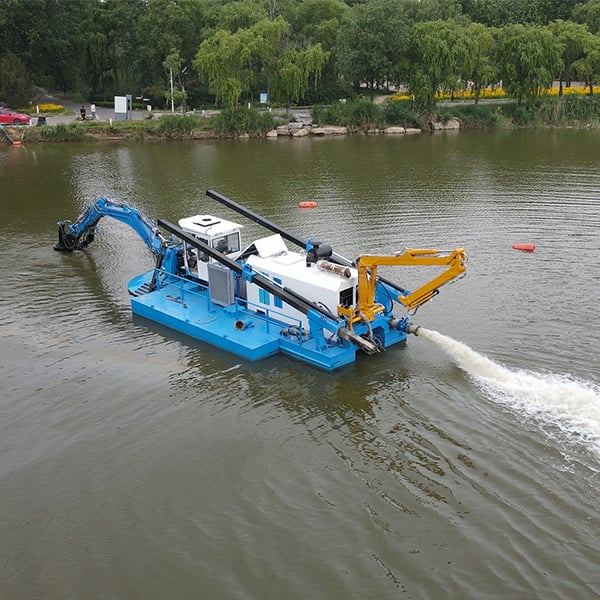
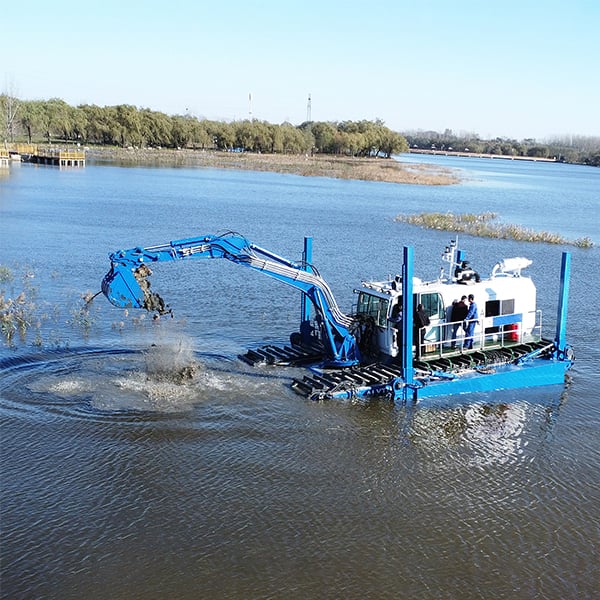
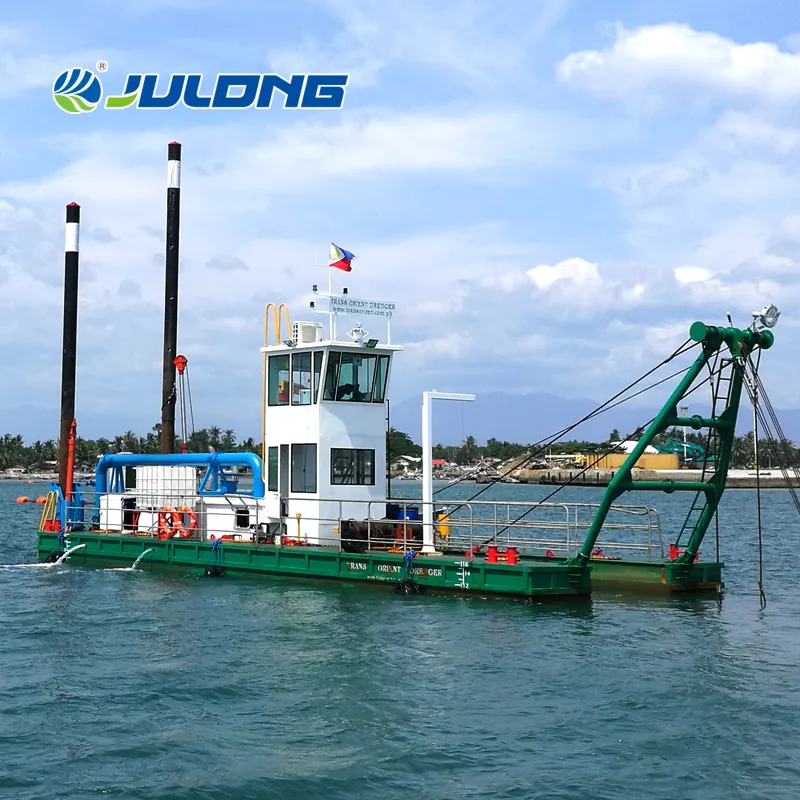
Dredging boats are specialized vessels designed for the excavation and removal of sediment and debris from the bottom of water bodies. These dredging equipment play a crucial role in various environmental projects, including maintaining navigable waterways, restoring habitats, and improving water quality. For B2B buyers, understanding the key specifications, potential issues, and applications of dredging boats is essential to make informed purchasing decisions that align with project requirements and sustainability goals.



Key Specifications to Evaluate When Sourcing Dredging Boats
When sourcing dredging boats, several specifications are paramount to ensure optimal performance and longevity. Key specifications include:
Dredging Depth and Width: This determines the boat's capability to operate in varying water conditions. A deeper dredging capability allows for more extensive sediment removal, while width affects maneuverability.
Pump Capacity: The efficiency of the dredging process largely depends on the pump's ability to handle the volume of sediment. Consider both the flow rate and the pressure to ensure the dredging boat meets project requirements.
Material Construction: The materials used in the boat's construction, such as high-strength steel or aluminum, influence durability and maintenance needs. Corrosion-resistant materials are essential for vessels operating in saltwater environments.
Power Source: Dredging boats can be powered by diesel engines, electric motors, or hybrid systems. Each option has its advantages in terms of fuel efficiency, emissions, and operational costs.
Customization Options: Depending on the project, you may require specific features such as enhanced automation, specialized dredging heads, or additional storage capacity. Discuss your customization needs with the manufacturer to ensure the boat meets your precise requirements.