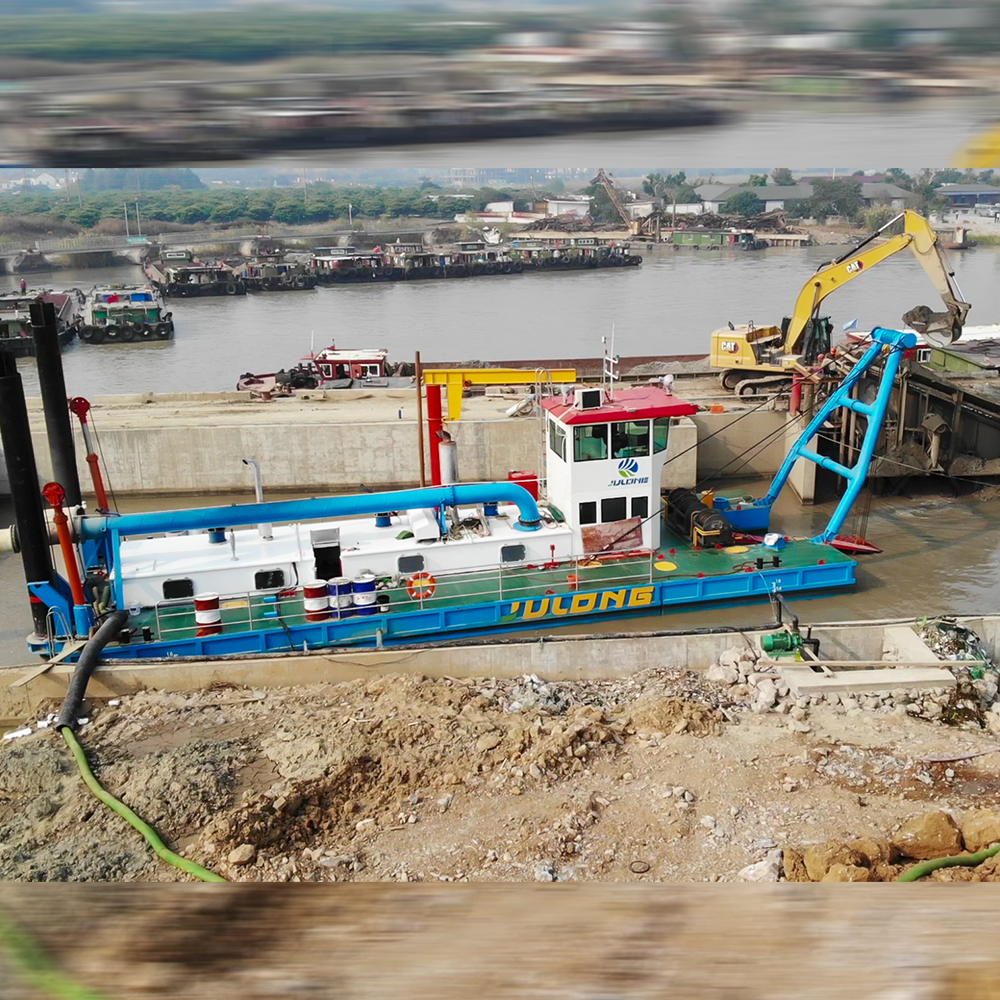
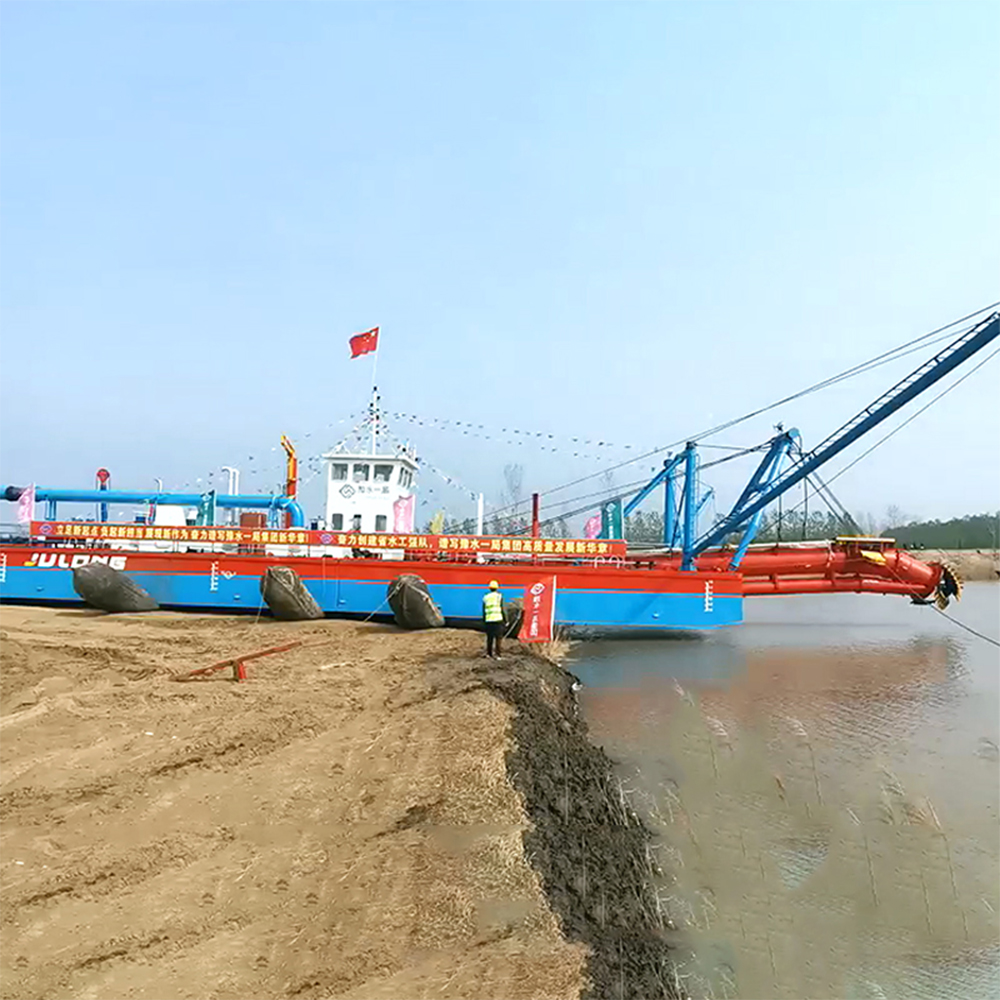
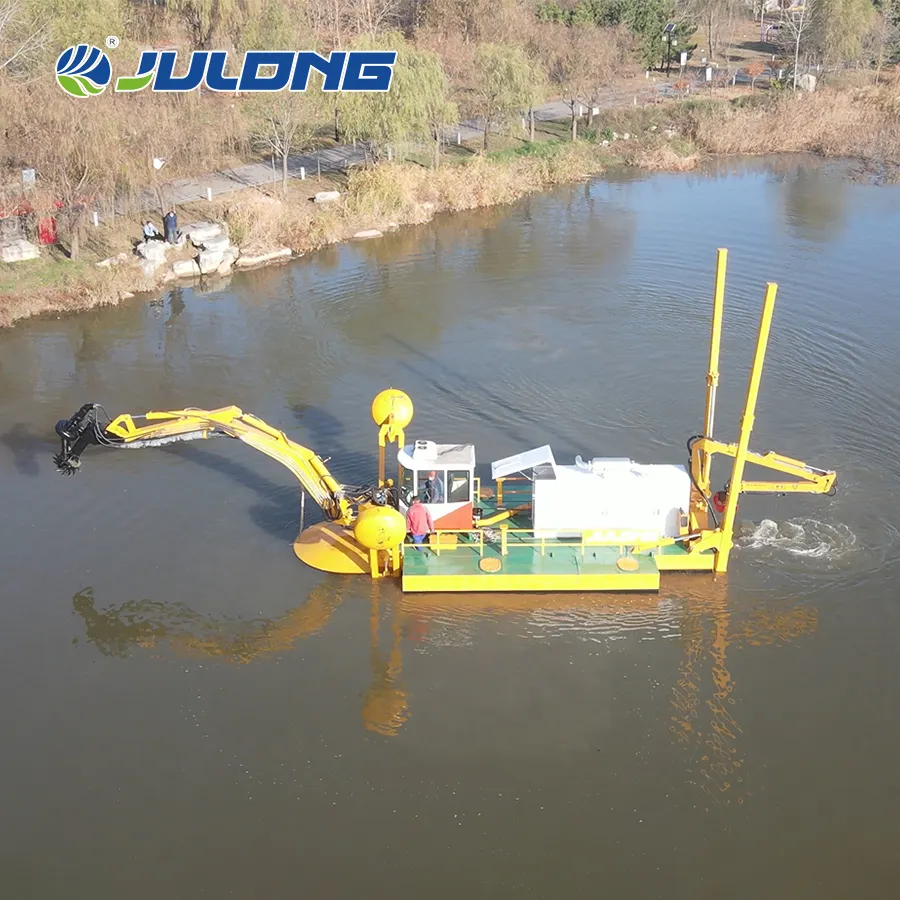
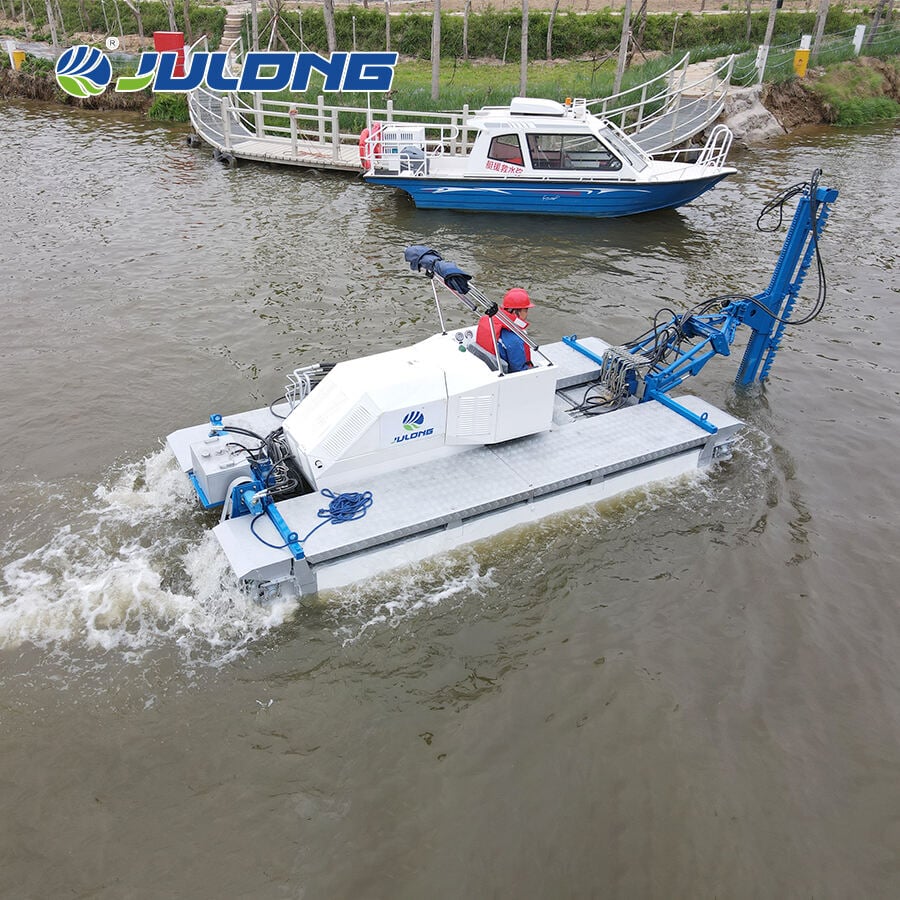
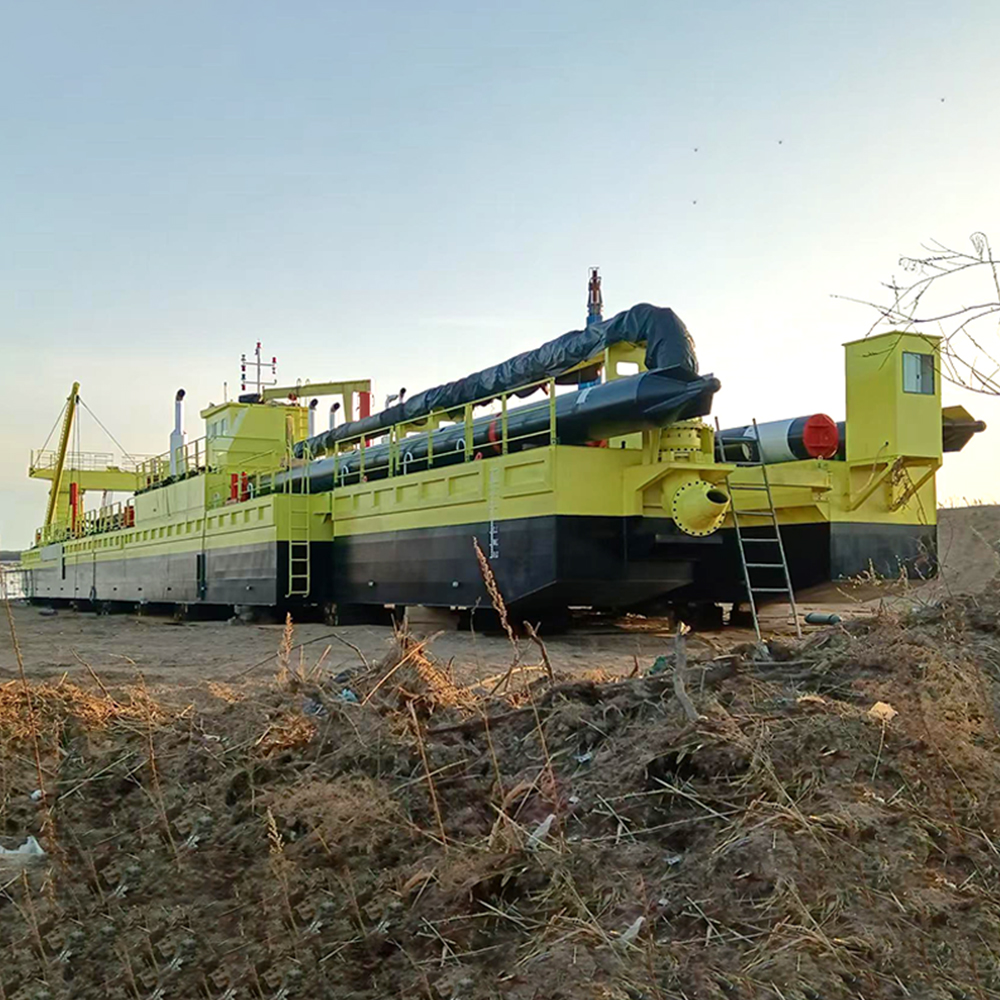
Electric dredges are specialized equipment designed for the efficient and environmentally friendly removal of sediments and debris from water bodies. As a potential buyer in the B2B sector, your primary concerns likely revolve around performance, reliability, and the suitability of electric dredges for specific applications. This article aims to address these concerns by detailing the features and performance metrics of electric dredges, providing best practices for usage, discussing cost factors, identifying common problems and their solutions, and exploring the diverse applications of water injection dredge in environmental protection projects.
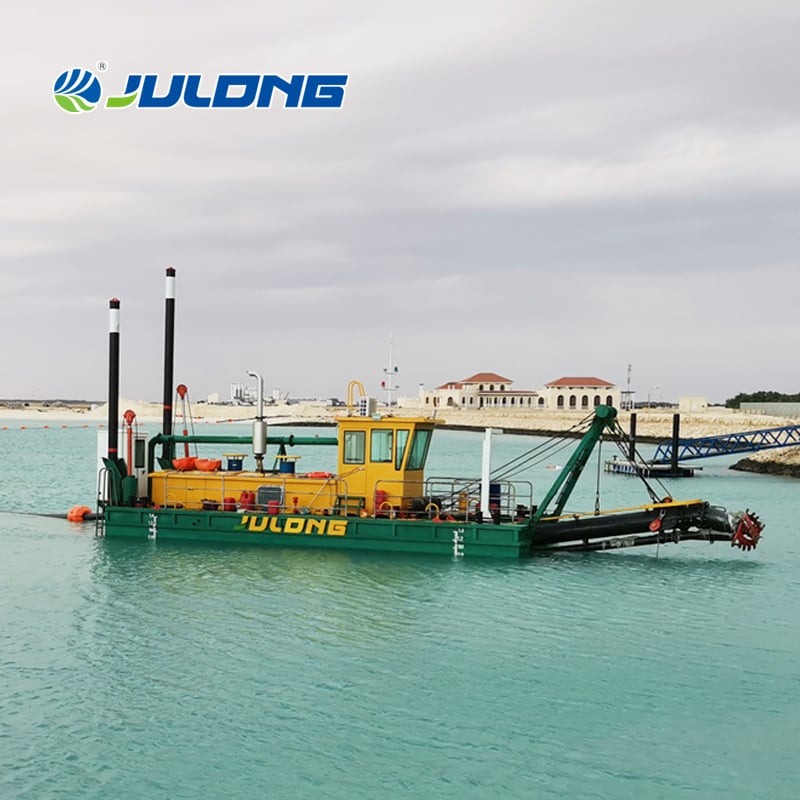

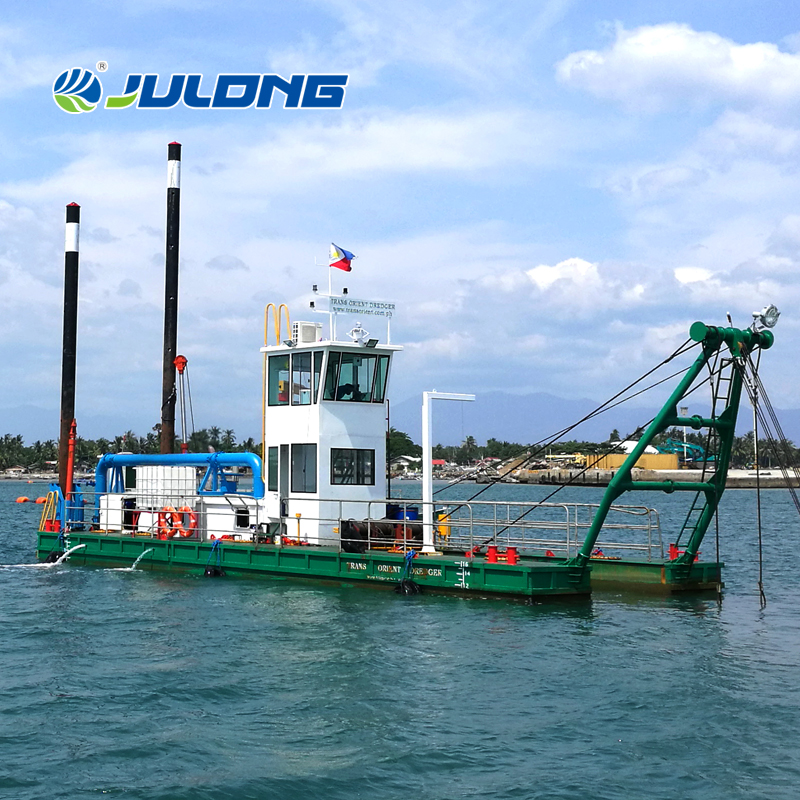


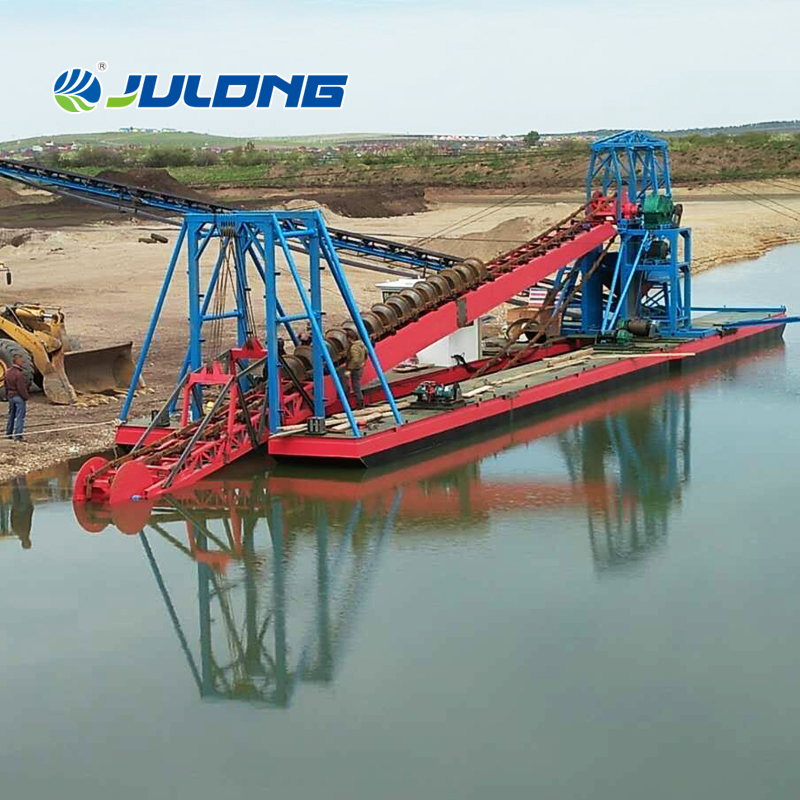


Best Practices and Tips
When operating Julong electric dredges, following best practices can enhance performance and longevity:
Conduct Pre-Operational Checks: Always inspect the dredge for any signs of wear or damage before use. Checking hydraulic systems and electrical components can prevent unexpected failures during operation.
Monitor Environmental Conditions: Be aware of water conditions, including flow rates and sediment types, as these can affect dredging efficiency. Adjusting operational parameters based on these conditions can lead to better results.
Regular Maintenance: Implement a routine maintenance schedule, including cleaning filters and checking hydraulic oil levels. This practice ensures the dredge remains in optimal working condition and extends its lifespan.
Operator Training: Investing in proper training for operators can mitigate risks and enhance productivity. Knowledge of the dredge’s features and best operational practices can lead to fewer accidents and more efficient dredging.
Following these best practices can significantly improve operational efficiency and reduce downtime.