plain suction dredger-0

Choosing the Right Plain Suction Dredger for Projects

  • No. 66, Changping Street, Xinchang Street, Weifang High-Tech Zone, Shandong Province, China
  • [email protected]

Get a Free Quote

Our representative will contact you soon.
Email
Mobile
Name
Company Name
Message
0/1000

Plain suction dredger

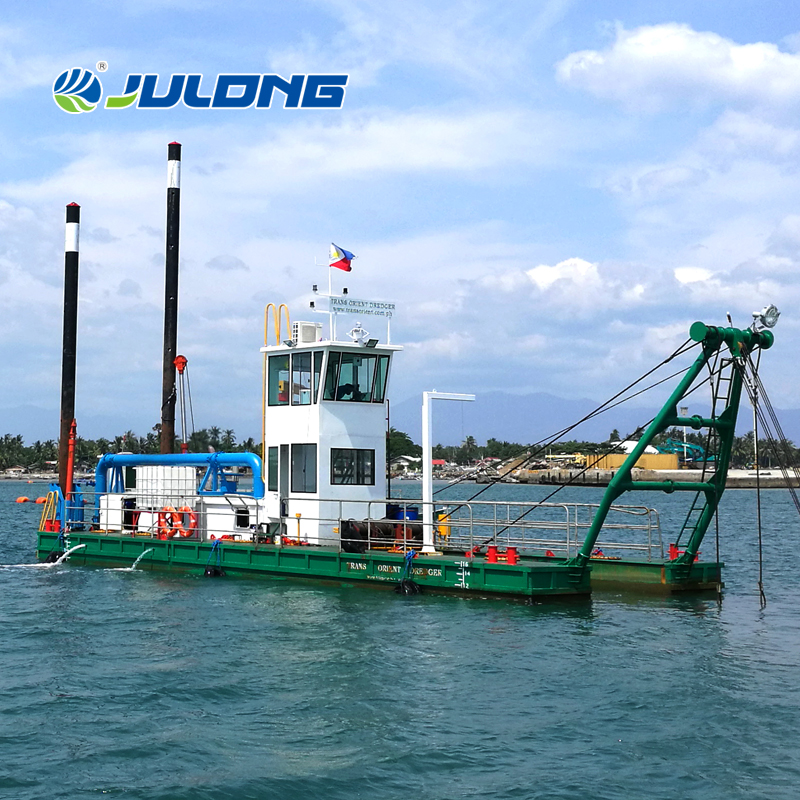
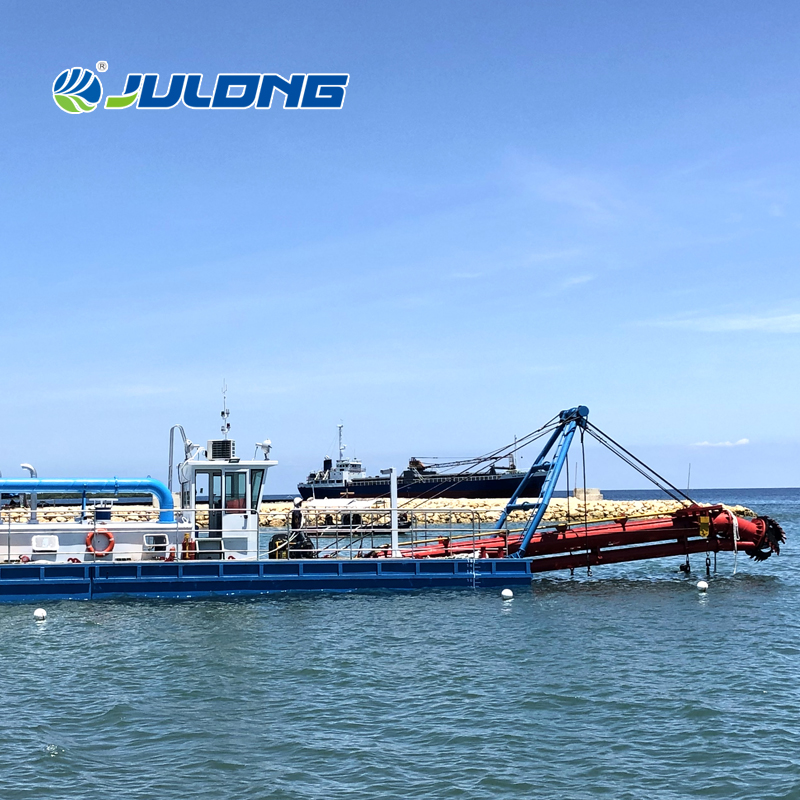
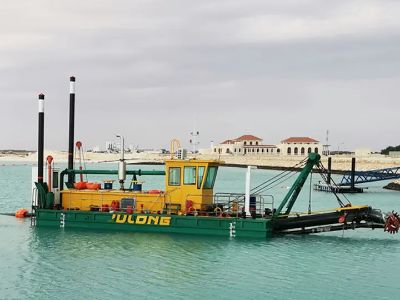
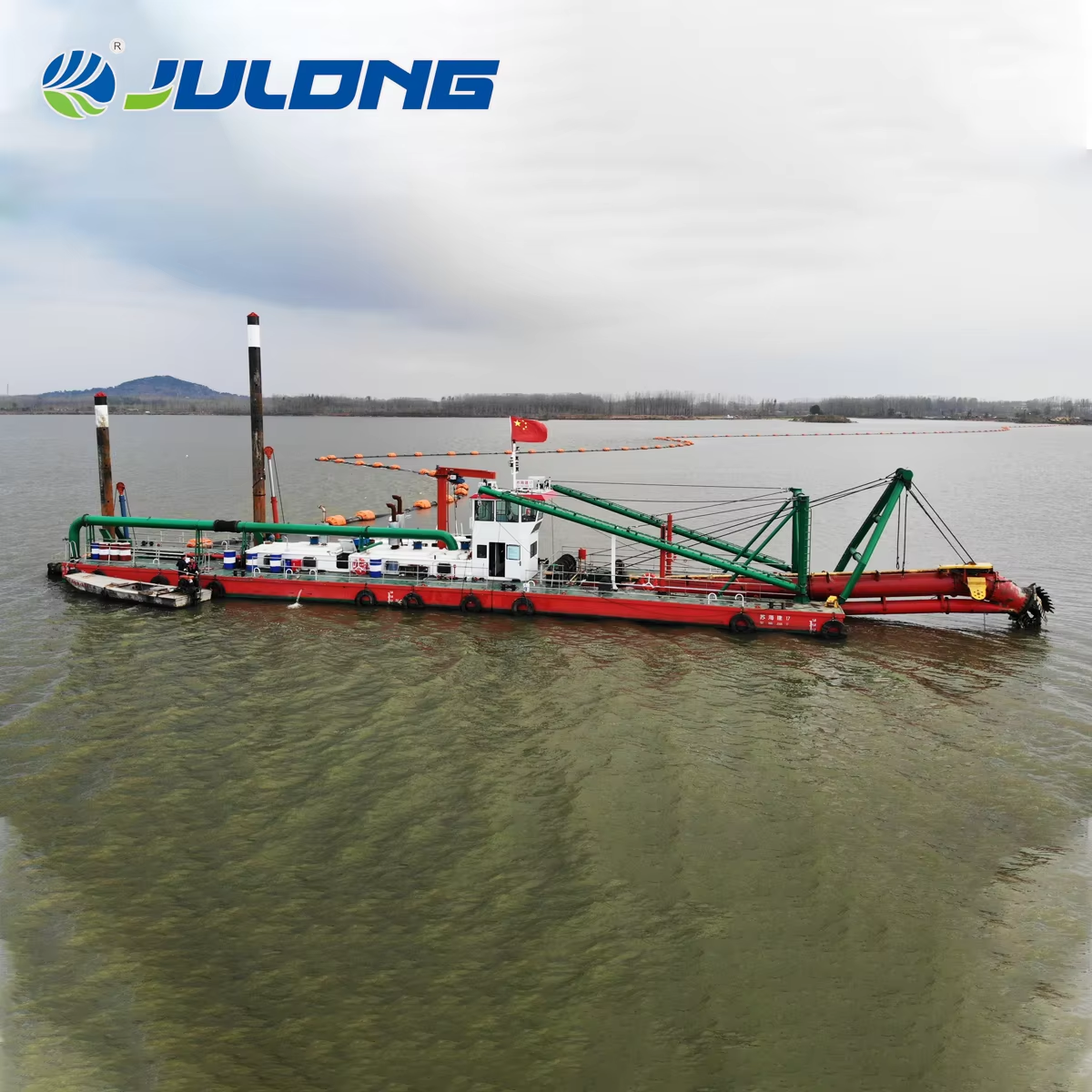
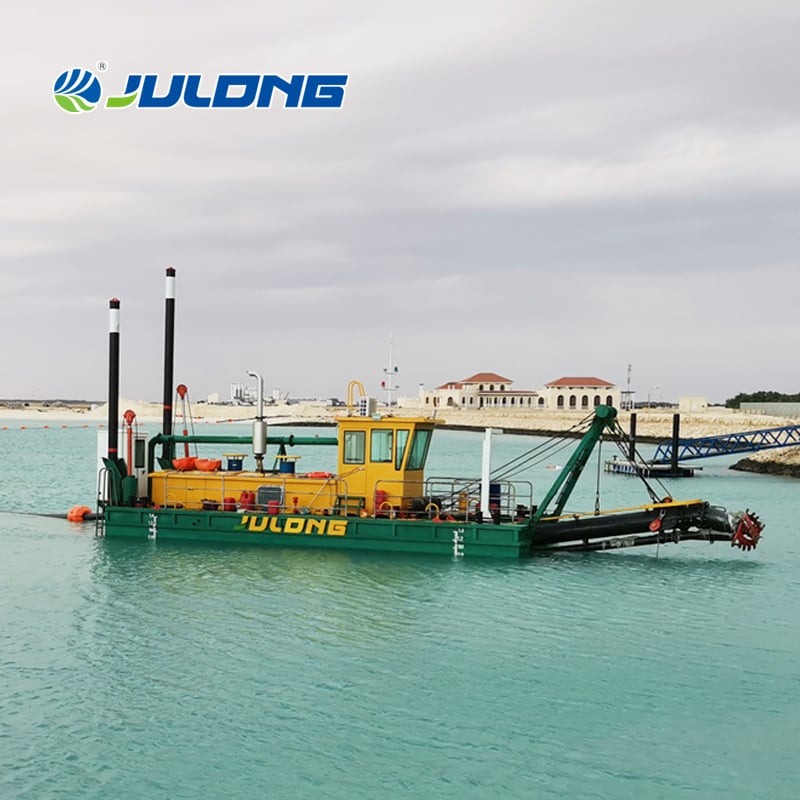
A plain suction dredger is a critical piece of equipment used primarily for dredging activities in various water bodies. This type of dredger operates by suctioning sediments and debris from the bottom of rivers, lakes, and harbors, making it essential for maintaining navigability and environmental management. B2B buyers, such as purchasing managers and engineers often face concerns regarding the 26 inch cutter suction dredger  performance, durability, and compliance with environmental standards. This article aims to provide insights into choosing the right plain suction dredger, focusing on key factors, cost considerations, and practical buying guidance. 
Our Products

Key Factors

Key Factors

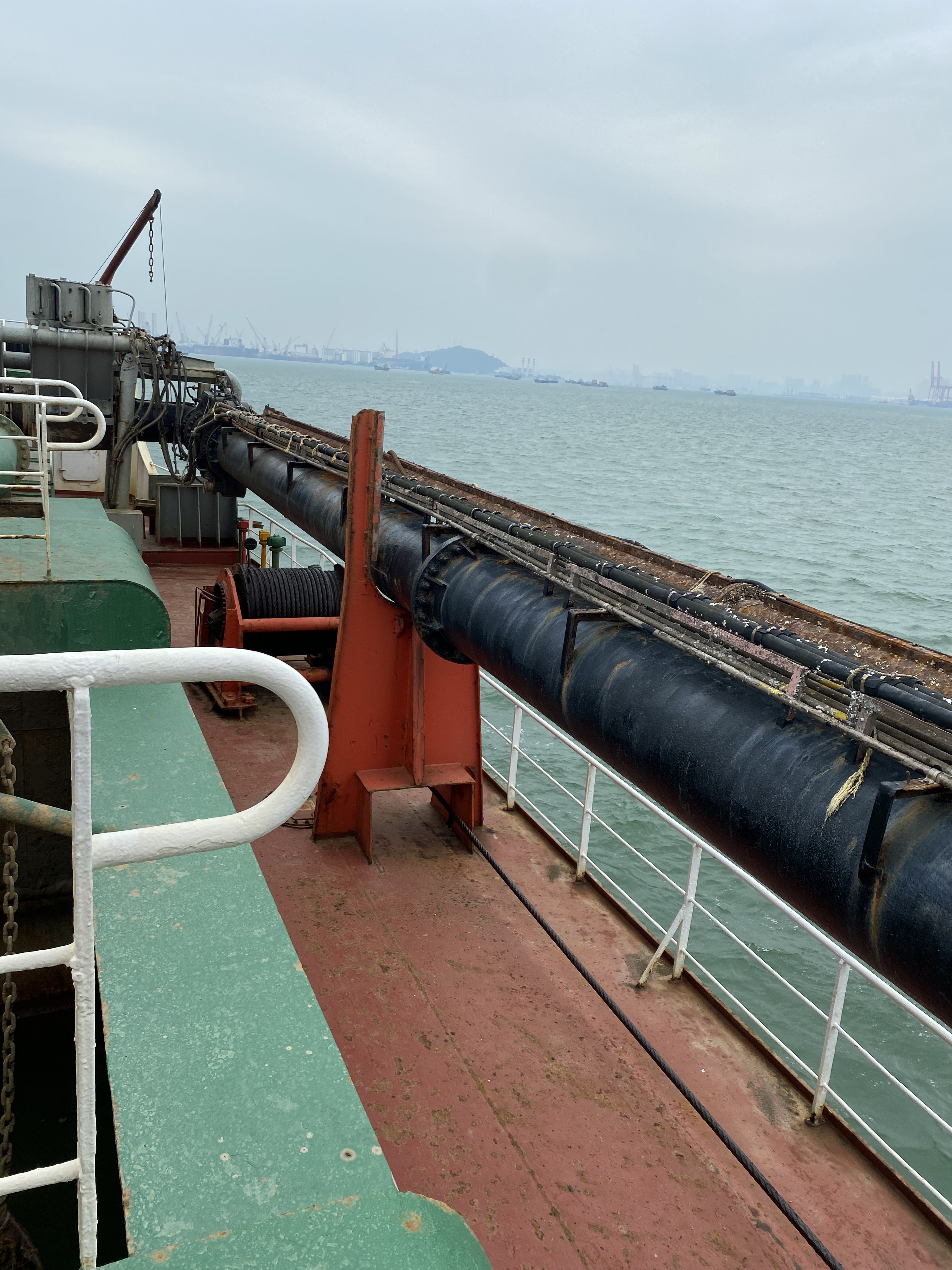
When evaluating plain suction dredgers, several key factors should be taken into account: 

Material Specifications: The construction materials used in the dredger, such as high-strength steel or composite materials, affect its durability and resistance to corrosion and wear. It’s vital to select materials that withstand the expected environmental conditions. 

Performance Metrics: Look for specifications on pump capacity, suction velocity, and maximum dredging depth. These plain suction dredger figures will help determine whether the dredger can meet your project demands efficiently. 

Compliance and Certifications: Ensure that the cutter suction dredger is certified by relevant international classification societies. This ensures adherence to industry standards for safety and environmental protection, which is increasingly important in modern projects. 

Operational Efficiency: Assess fuel consumption and maintenance requirements. An efficient dredger can reduce operational costs significantly over time. 

Customization Options: Determine if the manufacturer can modify the dredger design to incorporate features such as automated controls or specialized dredging heads tailored to specific applications. 
How to Compare Plain Suction Dredgers for Bulk Purchases

How to Compare Plain Suction Dredgers for Bulk Purchases

When considering bulk purchases of plain suction dredgers, a systematic comparison process is essential. Start by compiling a list of potential suppliers and their product offerings. Key comparison points should include: 

Specifications and Capabilities: Create a detailed comparison chart that includes technical specs such as suction capacity, dredging depth, and construction materials. 

Pricing and Cost Structure: Request quotes that detail the pricing structure, including any bulk discounts, shipping costs, and potential maintenance agreements. 

Lead Times and Availability: Check the lead times for production and delivery against your project timelines. Understanding the manufacturing capacity of the  supplier can also help ensure timely delivery. 

After-Sales Support: Evaluate the level of technical support and training that plain suction dredger comes with the purchase. Reliable after-sales service is crucial for mitigating operational issues that may arise during dredging projects. 

Customer References and Case Studies: Request references from previous customers who have made similar purchases. Learning about their experiences can provide valuable insights into the supplier's reliability and product performance. 

Cost Factors to Consider When Buying Plain Suction Dredgers

Cost Factors to Consider When Buying Plain Suction Dredgers

The cost of plain suction dredgers can vary significantly based on several factors. Understanding these can help buyers make informed purchasing decisions: 

Material Quality: Higher-quality construction materials may incur a higher upfront cost but can lead to lower maintenance expenses and longer operational life,  resulting in cost savings in the long run. 

Customization Needs: Custom features can increase the initial price but may be necessary to meet specific operational requirements. Clearly define your project needs to get accurate quotes. 

Shipping and Handling: Consider the plain suction dredger logistics of transporting the dredger to your project site. Shipping costs can vary based on distance, the size of the equipment,  and the shipping method chosen. 

Maintenance and Operating Costs: Factor in ongoing operating costs, including fuel, maintenance, and labor. A dredger that is efficient in these areas may have a higher initial cost but lower lifetime expenses. 

Financing Options: Some suppliers may offer financing plans for bulk purchases. Investigating these options can help manage cash flow while ensuring you acquire the necessary equipment. 

A Buying Guide

To streamline your purchasing process for a plain suction dredger, follow this structured buying guide: 

Define Project Requirements: Clearly outline your project's scope, including dredging depths, sediment types, and environmental considerations. This will guide your specifications. 

Research Suppliers: Identify reputable manufacturers, such as JULONG, known for their innovative dredging solutions. Review their product catalogs and certifications. 

Request Detailed Quotations: When reaching out to suppliers, provide comprehensive details about your project needs. Include specifications like desired dredger size, material preferences, and any customization required. 

Evaluate Samples: If possible, request a sample unit or visit the supplier's facility to see the suction dredger in action. This practical evaluation can help you assess quality and performance firsthand. 

Assess Warranty and Support: Confirm the plain suction dredger warranty terms and the availability of support services post-purchase. A robust support system can be critical for ensuring smooth operations. 

Finalize Your Order: After thorough evaluation, finalize your order with the chosen supplier. Ensure all terms are clear, including delivery timelines, payment terms,  and installation support.  By following these guidelines, you can make well-informed decisions when purchasing plain suction dredgers that meet your operational needs and budget constraints. 

Choosing the Right Plain Suction Dredger for Your Project Needs

Selecting the right plain suction dredger involves evaluating several key factors specific to your project requirements. First, assess the dredging depth and material type you will be working with. Different dredgers are designed for varying sediment compositions, such as sand, silt, or clay, and operational depths. Another critical consideration is the dredger’s suction capacity, which impacts how plain suction dredger efficiently it can remove material. The dredging environment also plays a role for example, a dredger operating in a confined area may need a different design or maneuverability features compared to one used in open water. Customization capabilities are also essential; many manufacturers, including JULONG, can tailor dredgers to meet specific project needs, such as integrating specialized pumps or adapting dimensions for particular operational conditions. 

Frequently Asked Questions

What is a plain suction dredger used for?

A plain suction dredger excavates and removes sediment, silt, and debris from waterways to restore depth, improve navigation, and support environmental remediation projects.
We offer multiple models with varying pumping capacities and suction diameters to suit small to large projects; specifications are customized per project requirements.
Yes. Our equipment is certified by multiple international classification societies, ensuring compliance with global standards and reliable performance.
We provide technical documentation, spare parts supply, remote and on-site support, and training to ensure long-term, efficient operation.
Yes. In collaboration with top universities, we develop patented, adaptable solutions to meet specific environmental protection and remediation needs.

Our Blog Posts

Why Aquatic Weed Harvesters Are Critical for Lake Ecosystems

05

Aug

Why Aquatic Weed Harvesters Are Critical for Lake Ecosystems

Water weeds cutters protect lake eco-systems by preventing the spread and overgrowth of an invasive specie.Invasives are like bullies who invade the lake and may be able to push out the native species of plants and animals who live in the lake. We&nb...
View More
Comparing Manual Weed Removal vs. Mechanical Weed Cutting Boats

18

Aug

Comparing Manual Weed Removal vs. Mechanical Weed Cutting Boats

In solving the problem of aquatic weed infestation in water bodies, where manual work is involved or alternative options such as mechanical use of weed cutting boats such as JULONG, there is a lot of difference that can be made. Manual process depend...
View More
Cutter Suction vs. Bucket Dredger: What's the Difference?

18

Aug

Cutter Suction vs. Bucket Dredger: What's the Difference?

JULONG dredgers mainly comprise two models including cutter suction and bucket dredgers that have been optimally and creatively designed to suit a variety of conditions. The perceived difference helps in deciding the right tool that will be efficient...
View More
Dredgers for River and Lake Maintenance: A Complete Guide

15

Sep

Dredgers for River and Lake Maintenance: A Complete Guide

Julong specializes in designing dredgers that are highly specialized to the river and lake maintenance, and are tailored to meet the peculiarities of the inland water to help in sediment management, ecological stability, and waterway operation. Its d...
View More

Get a Free Quote

Our representative will contact you soon.
Email
Name
Company Name
Message
0/1000

Related Search

Choosing the Right Plain Suction Dredger for Projects Choosing the Right Plain Suction Dredger for Projects Choosing the Right Plain Suction Dredger for Projects
email goToTop