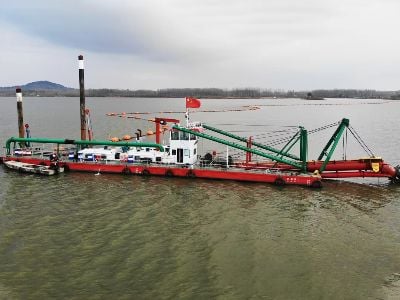
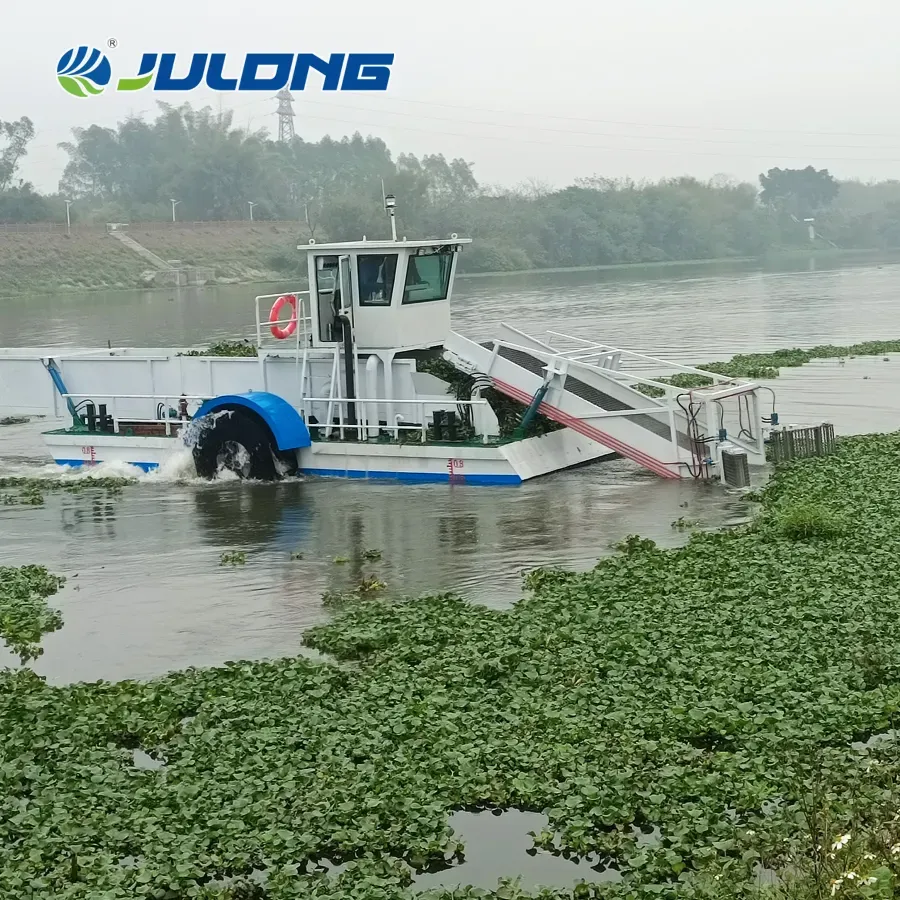
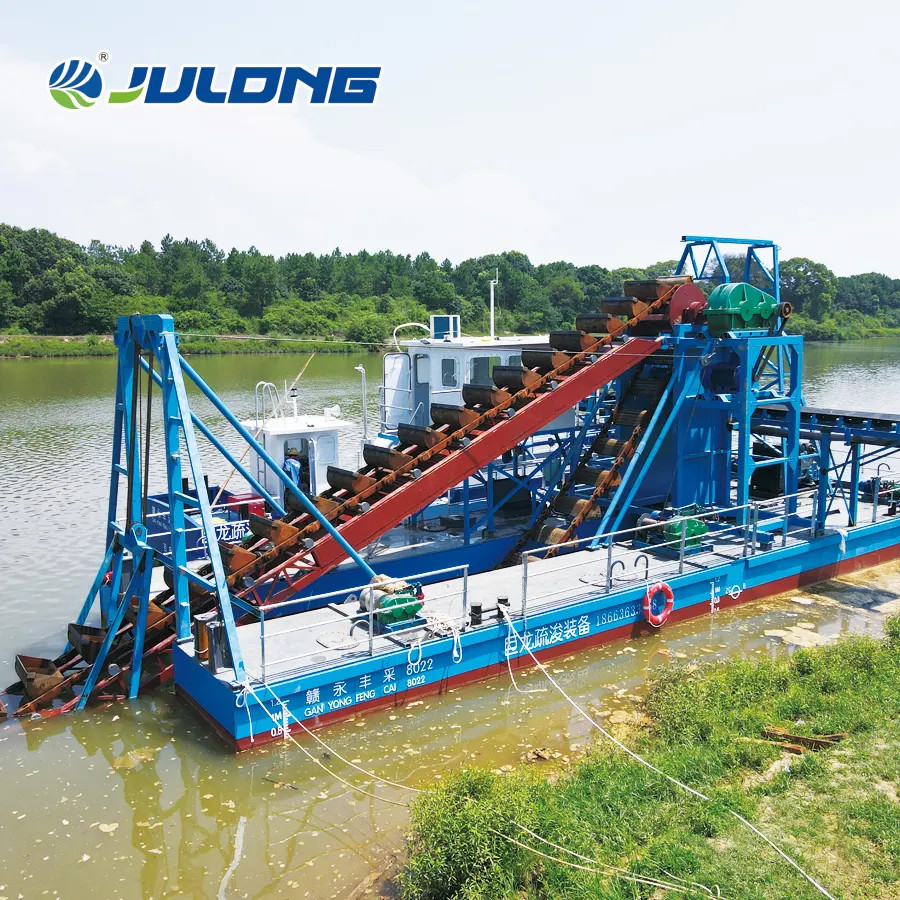
sand dredge for sale-0

Sand Dredges for Sale: Key Specifications & Solutions

  • No. 66, Changping Street, Xinchang Street, Weifang High-Tech Zone, Shandong Province, China
  • [email protected]

Get a Free Quote

Our representative will contact you soon.
Email
Mobile
Name
Company Name
Message
0/1000

Sand dredge for sale

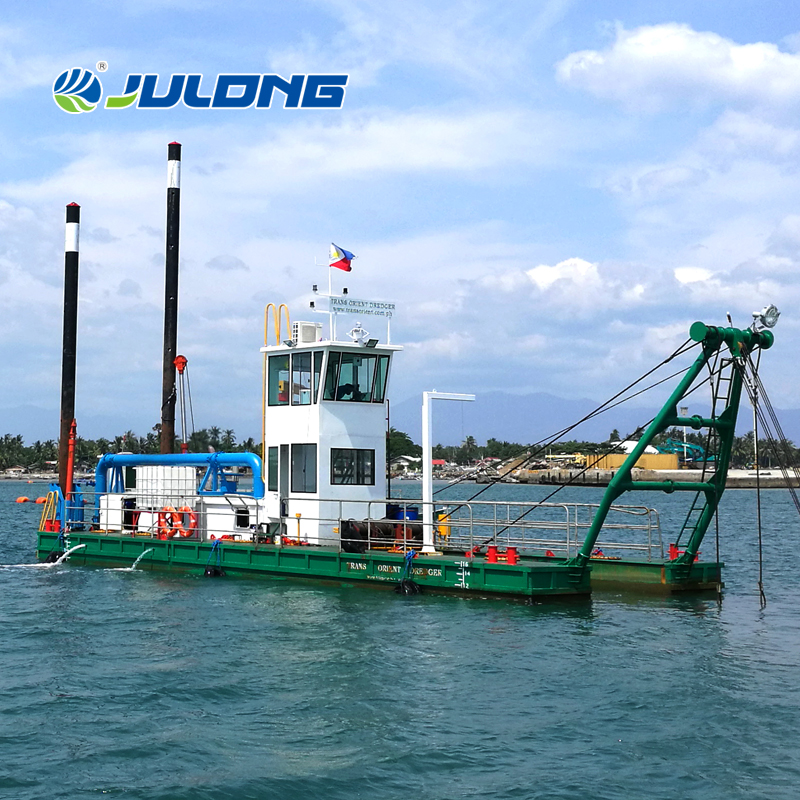
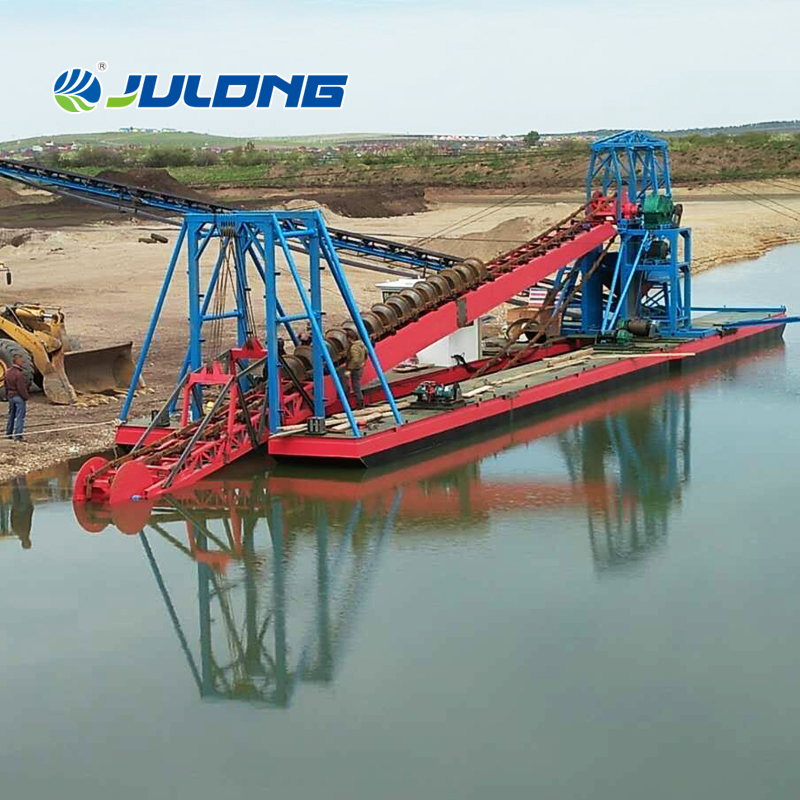
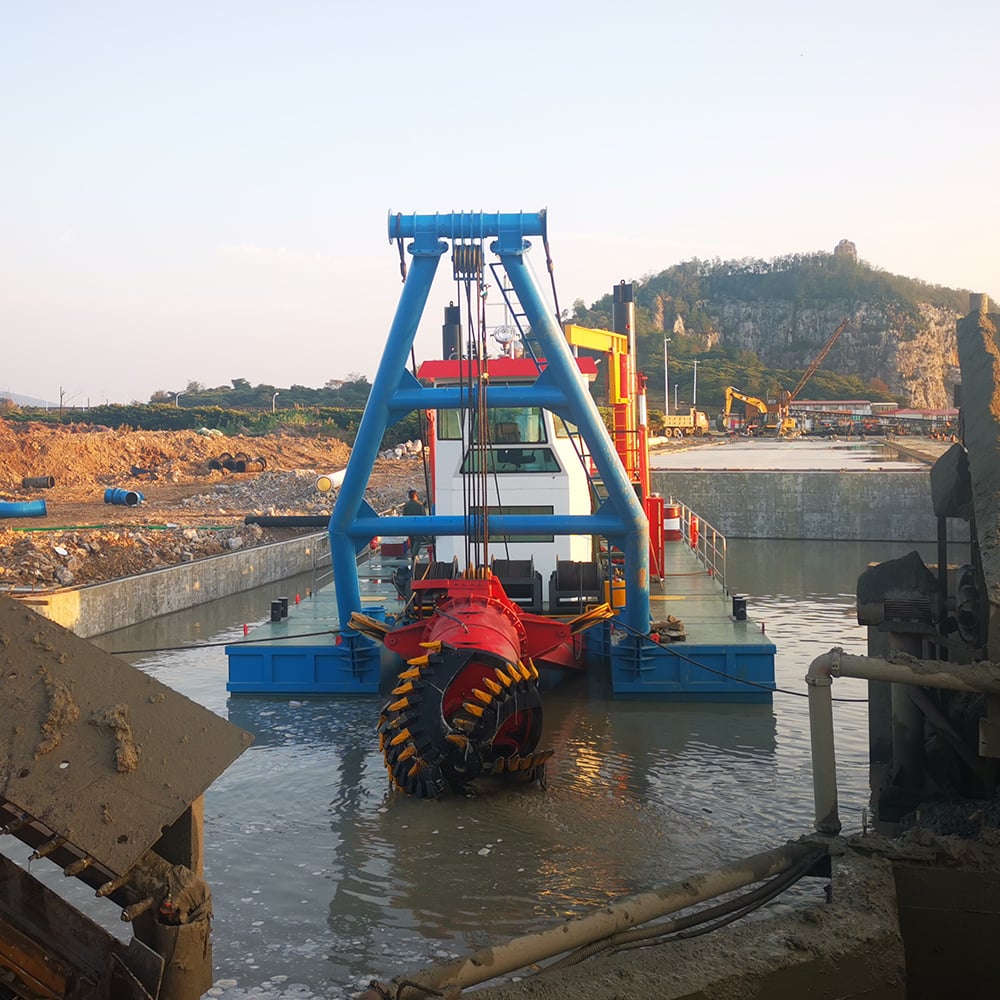
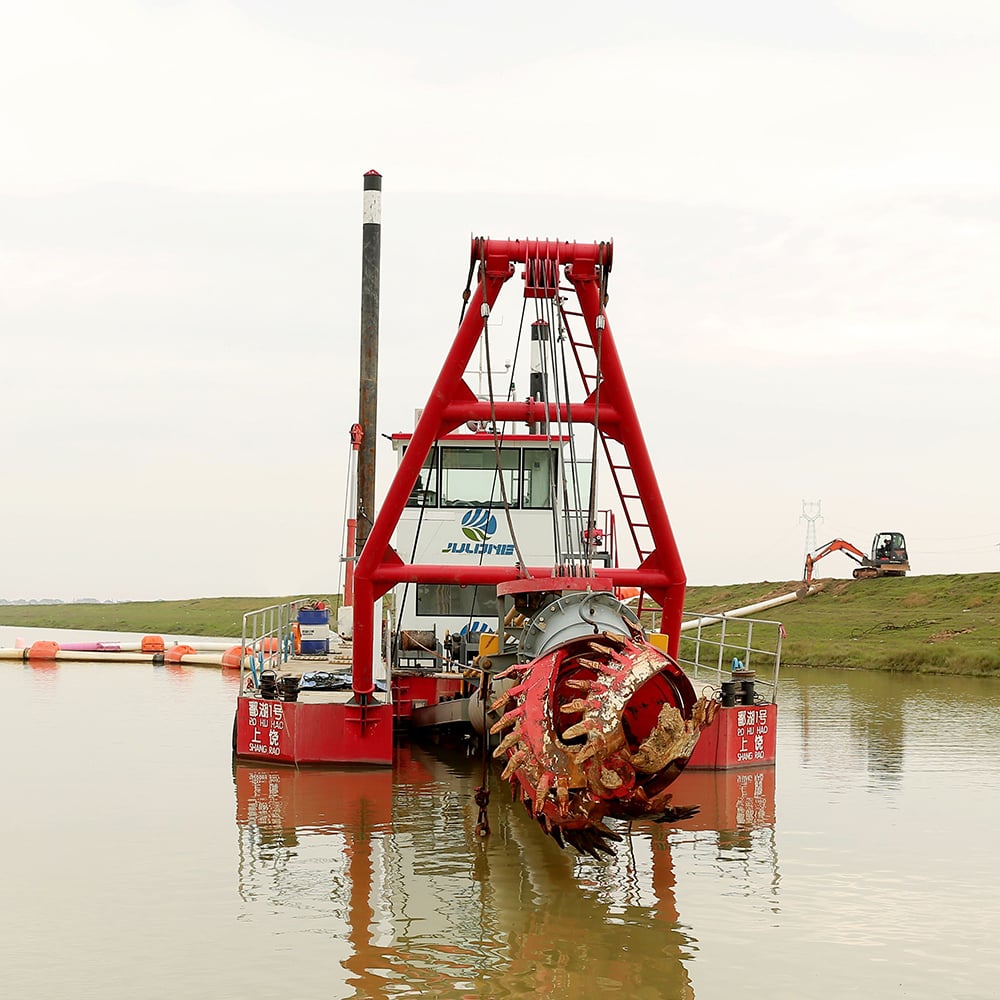
Sand dredges are essential pieces of equipment used in various industries, primarily for sediment removal and environmental management. If you are looking for a sand dredge for sale, understanding the different models, specifications and practical applications is crucial for making an informed purchasing decision. This article will guide you through key considerations, including sourcing for distributors, evaluating specifications, cost factors, common problems, and the diverse applications of sand dredges. 
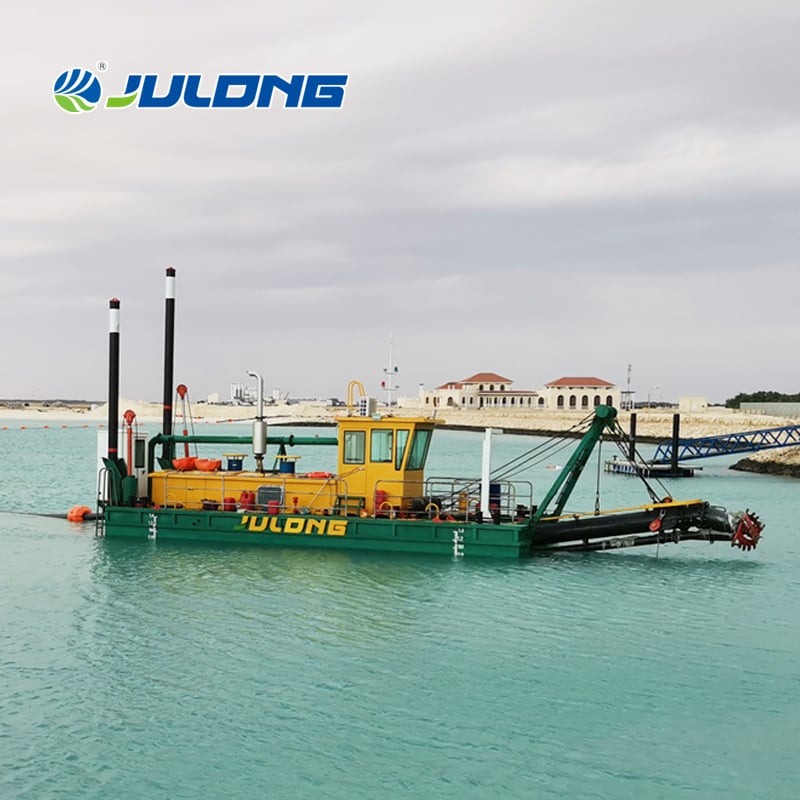
Our Products

Key Specifications to Evaluate When Buying Sand Dredges

Key Specifications to Evaluate When Buying Sand Dredges

When considering the purchase of a sand dredge, several specifications should be critically evaluated: 

Dredge Type: There are various types of sand dredges, including cutter suction dredges and suction dredges. Each has different operational capabilities and is suited for specific environments. 

Pump Capacity: This refers to the volume of material the sand dredge can move, typically measured in cubic meters per hour. Ensure that the pump capacity aligns with your project's requirements. 

Material Composition: The materials used in construction (e. g., steel, aluminum) can affect durability and operational efficiency. Consider the chemical exposure and environmental conditions the dredge will face. 

Dimensions: Length, width, and draft are critical dimensions that affect the sand dredger maneuverability and suitability for specific job sites. Ensure the dredge can operate in the intended waterways. 

Power Source: Evaluate whether the dredge operates on diesel, electric, or hybrid power, as this will influence operational costs and environmental impact. 

Certification: Ensure that the dredge complies with international standards for safety and performance, which can affect operational licensing and insurance. 

Understanding these specifications will help you select a sand dredge that meets your operational requirements and complies with regulatory standards. 
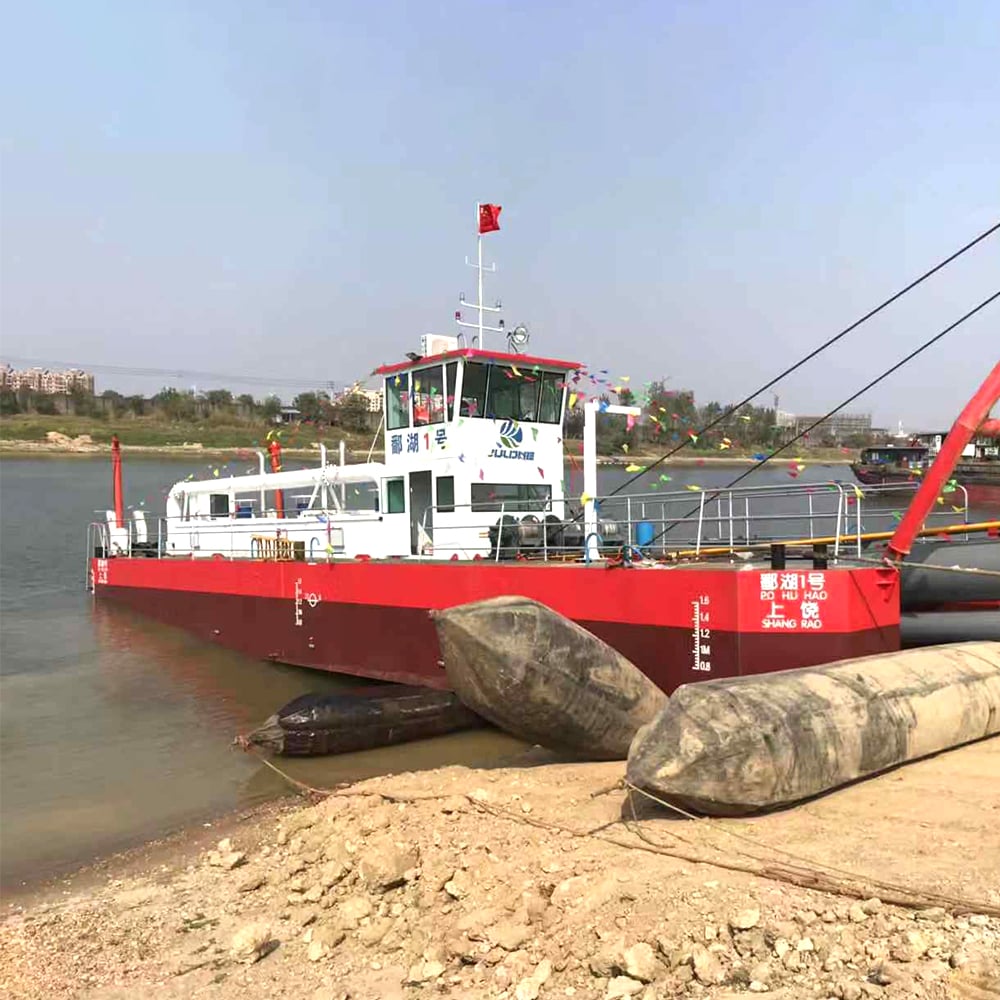
Cost Factors to Consider When Purchasing Sand Dredges

Cost Factors to Consider When Purchasing Sand Dredges

The overall cost of a sand dredge can vary significantly based on several factors: 

Initial Purchase Price: This includes the base cost of the dredge model and any optional features or customizations. Be prepared to discuss your needs with the manufacturer to receive an accurate quote. 

Operating Costs: Consider fuel consumption, maintenance, and repair costs. Dredges that utilize more efficient technologies may have higher upfront costs but lower long-term operating expenses. 

Financing Options: Explore financing arrangements, such as leasing or installment plans, which may allow for greater flexibility in budgeting and cash flow management. 

Transportation and Installation Fees: Factor in the costs associated with transporting the dredge to your job site and any installation or setup services required. 

Warranty and Service Agreements: Understand what warranties are included and the sand dredges availability of service agreements for ongoing maintenance, which can greatly influence total ownership costs. 

Evaluating these cost factors will allow you to budget effectively and select a dredge that offers the best value for your investment. 

Common Sand Dredge Problems and Practical Solutions

Common Sand Dredge Problems and Practical Solutions

While sand dredges are robust machines, they can encounter several common issues. Here are practical solutions to address these problems: 

Clogged Pumps: Clogs can occur due to debris or sediment buildup. Regular maintenance, including cleaning and inspections, can help prevent this issue.  Implement a routine check of the intake and discharge pipes. 

Worn-out Components: Parts like the sand dredges impeller or wear plates may wear down over time. Establish a regular maintenance schedule to inspect and replace these components proactively to avoid downtime. 

Hydraulic Failures: If the dredge uses hydraulic systems, ensure fluid levels are maintained, and check for leaks regularly. Training staff on basic hydraulic maintenance can help identify issues before they escalate. 

Inefficient Operation: If the dredge is not performing as expected, review operational practices. Ensure the dredge is being used within its designed parameters and that operators are trained on efficient techniques. 

Electrical Issues: For electric dredges, ensure proper wiring and connections. Conduct regular electrical inspections to prevent failures. 

By being aware of these potential problems and implementing preventive measures, you can enhance the operational reliability of your sand dredge. 

Understanding Applications of Sand Dredges in Various Industries

Sand dredges are utilized across multiple industries, each with specific applications: 

Construction: In construction, sand dredges are used for extracting sand and gravel for foundational work, concrete production, and road building. 

Environmental Remediation: Dredges play a crucial role in environmental cleanup, particularly in removing contaminated sediments from waterways, thus helping restore aquatic habitats. 

Mining: In the mining sector, dredges can extract minerals and materials from riverbeds and lakes, contributing to resource recovery. 

Land Reclamation: Dredges are employed in land reclamation projects, where sediment is moved to create new land for development or agricultural purposes. 

Dredging for Navigational Purposes: Maintaining navigability in rivers and harbors often requires dredging to sand dredges remove sediment buildup that can obstruct shipping lanes. 

Understanding the specific applications of sand dredges in these industries can guide your purchasing decisions and help you articulate your needs when consulting with suppliers. This comprehensive overview should empower you to make informed decisions when looking for a sand dredger boat for sale, ensuring that your choice aligns with your operational needs and industry standards. 

Sourcing for Distributors

When sourcing sand dredges, it is vital to partner with reputable distributors who understand the equipment's technical requirements and the specific needs of your industry. Look for distributors that have a track record of supplying high-quality dredging equipment and offer comprehensive support, including maintenance and after-sales service. Ensure they have certifications from recognized international classification societies, which can be indicative of the product's reliability and compliance with industry standards. Additionally, inquire about their ability to sand dredger ship provide customized solutions tailored to your operational needs. This includes variations in dredge size, material construction,  and any specific features that may enhance performance in your application. Establishing a solid relationship with your distributor can ensure timely access to spare parts, technical support, and updates on the sand dredges latest dredging technologies. 

Frequently Asked Questions

What applications suit this sand dredge?

Our sand dredge is ideal for river, harbor, reservoir, and coastal dredging, beach nourishment, land reclamation, and mining support, offering reliable performance for diverse water environmental projects.
The equipment is certified by multiple international classification societies and developed with university partners, ensuring tested safety, reliability, and compliance with global standards.
Yes. We provide modular designs and customization for depth, capacity, propulsion, and automation to meet specific site conditions and operational requirements.
We offer spare parts, maintenance manuals, remote technical support, and field service options to ensure long-term uptime and optimal performance.
Contact our sales team with project specs (location, depth, volume) and we will provide tailored proposals, drawings, and cost estimates promptly.

Our Blog Posts

Hydraulic vs. Mechanical Dredge Systems: Operational Insights

05

Aug

Hydraulic vs. Mechanical Dredge Systems: Operational Insights

If we compared hydraulic systems with mechanical systems as to their capacity to dredge:Hydraulic dredging itself uses high-velocity water jets to dislodge sediment, while mechanical Dredging equipment employs mechanical devices such as an excav...
View More
Comparing Manual Weed Removal vs. Mechanical Weed Cutting Boats

18

Aug

Comparing Manual Weed Removal vs. Mechanical Weed Cutting Boats

In solving the problem of aquatic weed infestation in water bodies, where manual work is involved or alternative options such as mechanical use of weed cutting boats such as JULONG, there is a lot of difference that can be made. Manual process depend...
View More
Dredgers in River, Lake, and Harbor Cleaning Projects

01

Sep

Dredgers in River, Lake, and Harbor Cleaning Projects

The JULONG dredgers are more than fundamental in the health and performance of water bodies since they are specially constructed to provide rivers, lakes, and ports of their home countries with a free run of the same. Such versatility machines addres...
View More
Different Types of Dredgers and Their Applications

02

Mar

Different Types of Dredgers and Their Applications

Types Of Dredgers ExplainedOne of the most important dredging steps is cleaning them from debris and sediment, they found in rivers, lakes or oceans. There are many different types of dredgers that are used for different purposes in order to ensure s...
View More

Get a Free Quote

Our representative will contact you soon.
Email
Name
Company Name
Message
0/1000

Related Search

Sand Dredges for Sale: Key Specifications & Solutions Sand Dredges for Sale: Key Specifications & Solutions Sand Dredges for Sale: Key Specifications & Solutions
email goToTop