small dredging equipment-0

Wholesale Small Dredging Equipment for Projects

  • No. 66, Changping Street, Xinchang Street, Weifang High-Tech Zone, Shandong Province, China
  • [email protected]

Get a Free Quote

Our representative will contact you soon.
Email
Mobile
Name
Company Name
Message
0/1000

Small dredging equipment

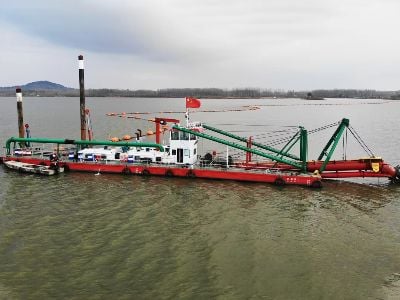
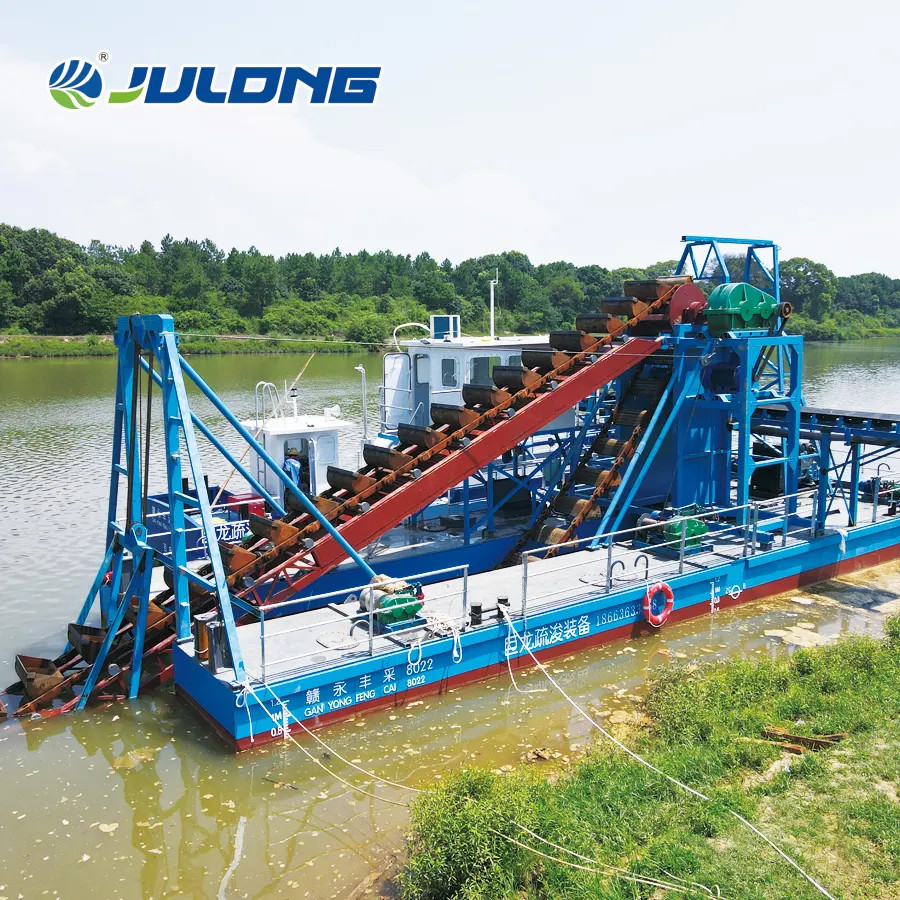
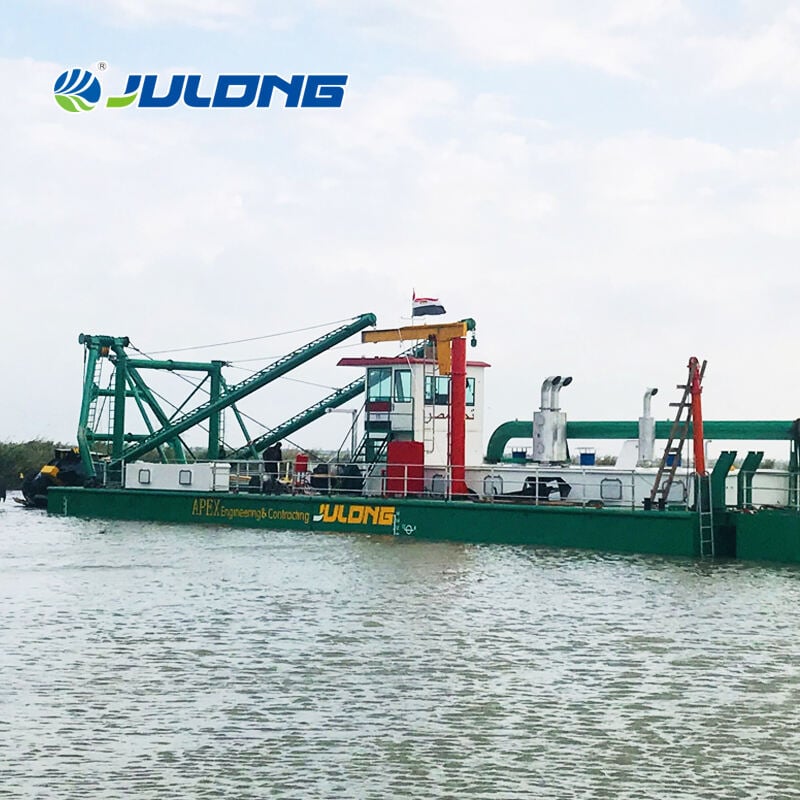
Choosing the right small dredging equipment is crucial for ensuring the efficiency and effectiveness of waterway projects. As a key component in environmental protection and maintenance, small dredging equipment helps remove sediments, debris, and pollutants from aquatic environments. Buyers often face concerns regarding equipment performance, durability, and supplier reliability. This article aims to provide insights into selecting the right small dredging equipment, evaluating suppliers, installation considerations, common issues, and the unique features and benefits that can enhance project outcomes. 
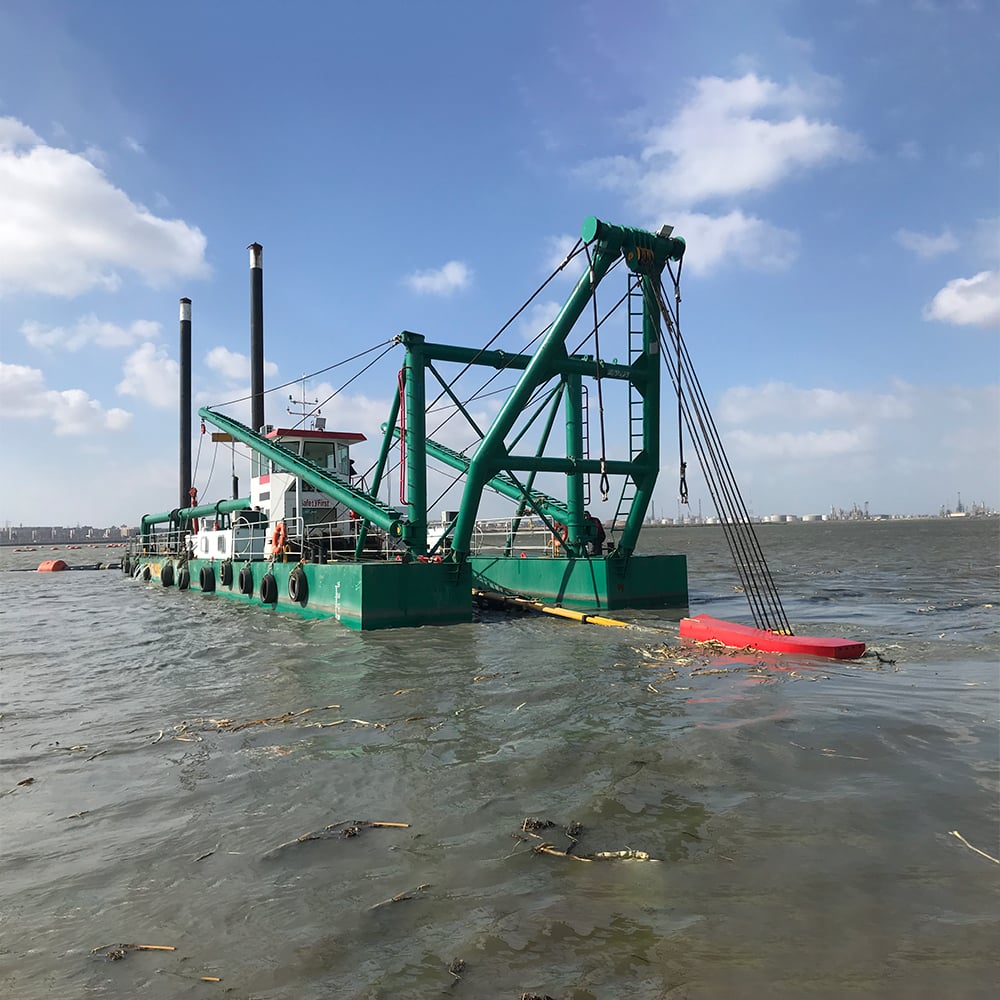
Cost Factors to Consider When Buying Small Dredging Equipment in Bulk

Cost Factors to Consider When Buying Small Dredging Equipment in Bulk

Choosing a reliable supplier for small dredging equipment is as important as selecting the right equipment itself. Here are key criteria to evaluate potential suppliers: 

Certifications and Compliance: Ensure that the supplier’s equipment meets relevant industry standards and certifications. This validation not only reflects quality but also indicates adherence to safety and environmental regulations. 

Manufacturing Expertise: Look for suppliers with a proven track record in manufacturing specialized dredging machine. A manufacturer that collaborates with universities or is involved in research and development can offer innovative solutions tailored to specific needs. 

Customer References: Request references or case studies from previous customers. Positive testimonials and successful project histories can provide insight into the supplier's reliability and service quality. 

After-Sales Support: Evaluate the level of after-sales support offered by the supplier. This includes maintenance services, spare parts availability, and training for equipment operation. A supplier that prioritizes customer support can significantly reduce downtime and enhance operational efficiency. 

Customization Capabilities: Determine whether the supplier can accommodate customizations based on project requirements. Customized equipment can enhance functionality and improve performance for specific applications. 
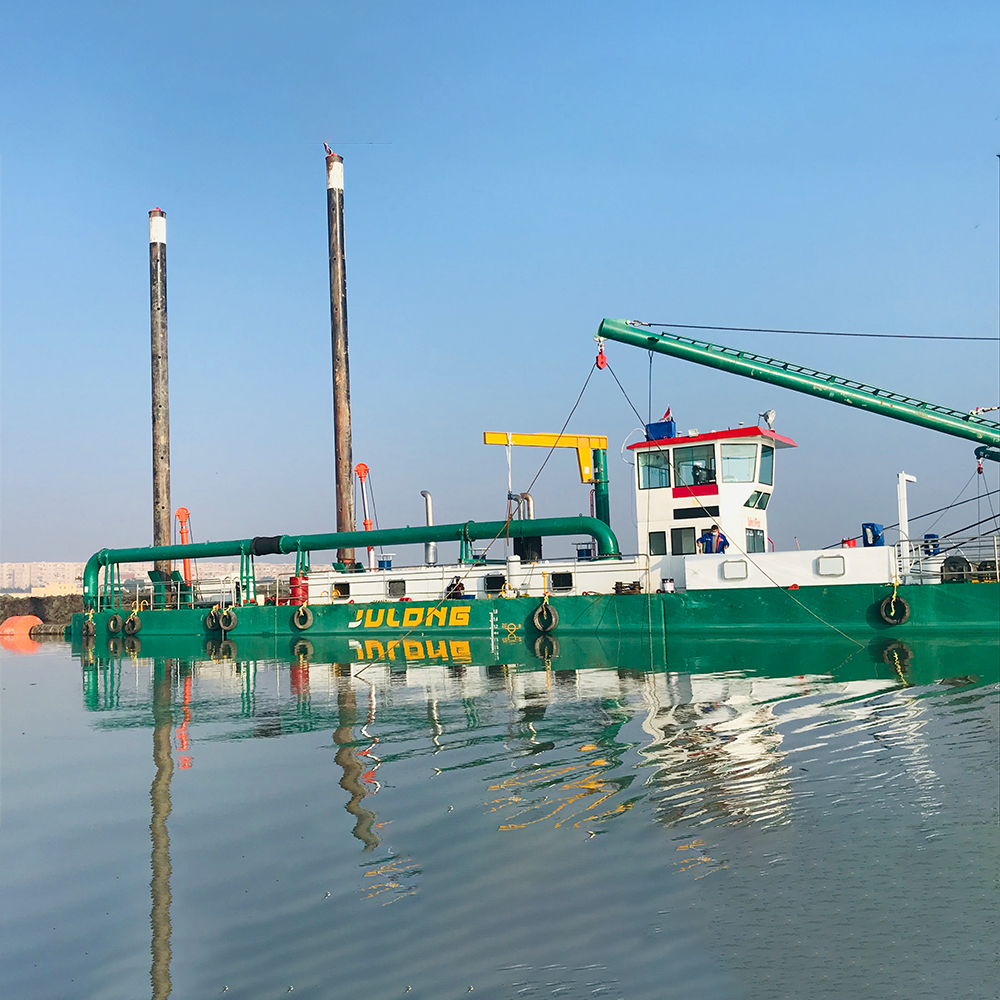
Common Problems with Small Dredging Equipment and Their Solutions

Common Problems with Small Dredging Equipment and Their Solutions

Proper installation of small dredging equipment is critical to ensure optimal performance and longevity. Here are some guidelines for installation in different environments: 

Water Depth and Conditions: Assess the water depth and conditions at the installation site. Ensure that the equipment is appropriately anchored and balanced to cope with currents or tides. 

Substrate Characteristics: Understand the substrate characteristics where the dredging will occur. Soft sediments may require different anchoring techniques compared to harder substrates. Proper installation ensures stability and effectiveness during operation. 

Utility Connections: For electric-powered dredgers, verify that the electrical connections are safe and compliant with local regulations. Ensure that all wiring and connections are adequately protected from water exposure. 

Safety Protocols: Follow safety guidelines during installation to protect operators and the environment. This includes using personal protective equipment and ensuring that emergency protocols are in place. 

Initial Testing: Conduct initial testing after installation to confirm that the equipment is functioning as intended. Observing performance under actual operating conditions can help identify any adjustments needed before full-scale operation. 

What Buyers Should Know

What Buyers Should Know

Like all machinery, small dredging equipment can encounter issues that may affect performance. Here are common problems and their solutions: 

Clogged Suction Lines: This occurs when debris or sediment obstructs the suction lines. Regular maintenance and inspections can help identify potential clogs. Implementing a pre-dredging screening process may also prevent larger materials from entering suction lines. 

Engine Overheating: Overheating can result from inadequate cooling systems or prolonged operation at high loads. Ensure that the cooling system is regularly serviced and monitor engine performance during operation to prevent overheating. 

Inconsistent Dredging Depth: Variability in dredging depth can arise from operator error or equipment malfunction. Training operators on the equipment’s controls and capabilities can enhance consistency, while regular checks on equipment calibration can ensure accuracy. 

Wear and Tear: Components of small dredging equipment may wear down over time, leading to reduced efficiency. Implementing a scheduled maintenance program can help identify issues before they escalate, ensuring equipment longevity. 

Environmental Compliance Failures: Non-compliance with environmental regulations can lead to project delays or fines. Staying informed about local regulations and incorporating environmental best practices can mitigate these risks. 

Applications of Small Dredging Equipment in Environmental Projects

When selecting small dredging equipment, understanding its features and benefits is essential for making informed purchasing decisions. Here are some key features to consider: 

Compact Design: Many small dredgers feature a compact design that allows for easy maneuverability in confined spaces. This is particularly beneficial for urban waterways or areas with restricted access. 

High Suction Power: Look for equipment with high suction power that can efficiently remove a variety of sediments. This capability not only enhances performance but also reduces operational time. 

Durable Materials: Equipment made from high-quality materials offers longer service life and better resistance to wear. This can lead to lower long-term costs due to reduced maintenance and replacement needs. 

Versatility: Some small dredging equipment is designed for multi-functional use, allowing for tasks beyond dredging, such as sediment sampling or environmental monitoring. This versatility provides added value for buyers. 

User-Friendly Controls: Innovations in technology have led to the development of user-friendly control systems that enhance operational efficiency. Equipment that is easy to operate can reduce training time and improve overall productivity. 

By considering these features and benefits, potential buyers can make informed decisions that align with their project requirements and operational goals. 

Navigating the complexities of purchasing small dredging equipment necessitates careful consideration of project needs, supplier evaluation, installation practices, and equipment features. By leveraging the insights provided, buyers can enhance their purchasing decisions and contribute to successful environmental protection initiatives. 

Wholesale Purchasing Options for Small Dredging Equipment Suppliers

When selecting small dredging equipment, several factors must be taken into account to ensure optimal performance for specific applications. Here are the primary considerations: 
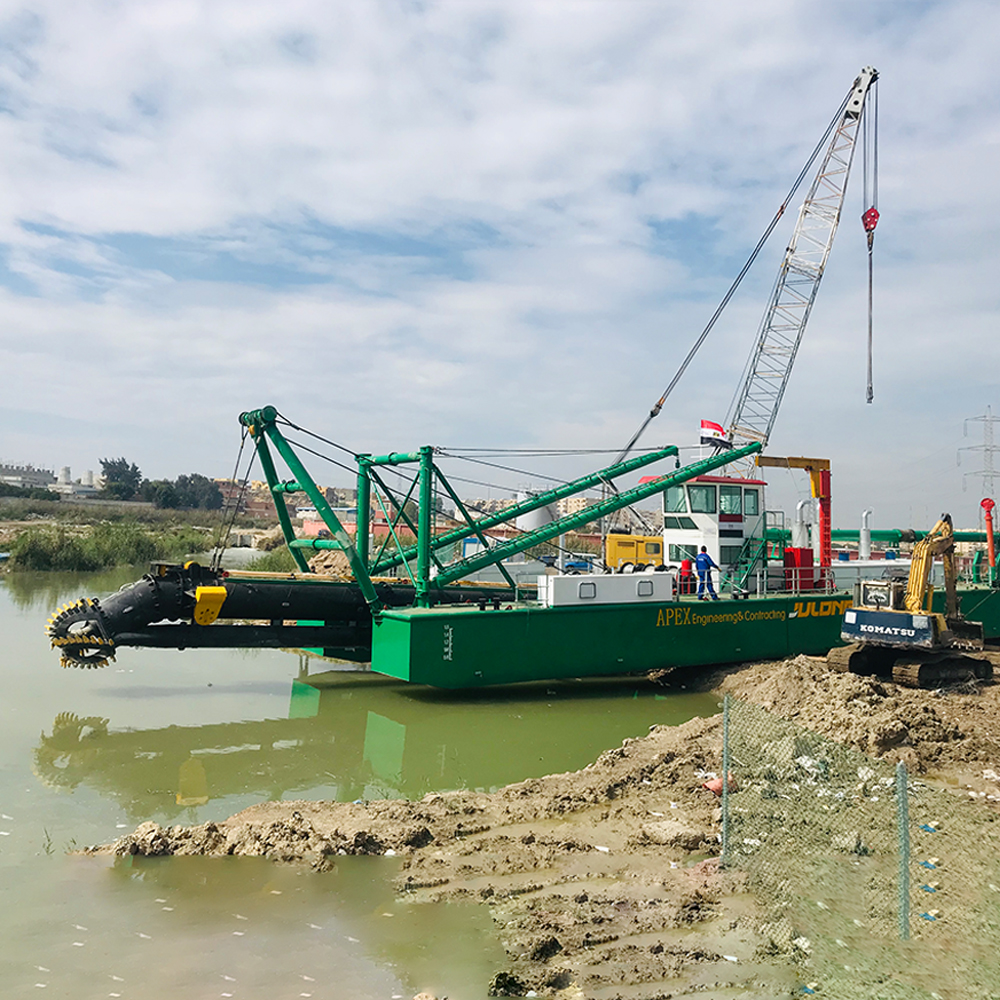
Project Scope and Size: Determine the scale of the dredging project. Small dredging equipment is typically designed for projects that require mobility and flexibility. Equipment specifications, such as dredging depth and width, should match the project requirements. 

Type of Material: Identify the materials to be dredged. Different equipment is suited for various types of sediment, such as sand, silt, or clay. Selecting equipment with appropriate cutting and suction capabilities is essential to effectively handle the intended materials. 

Environmental Impact: Consider the environmental regulations and guidelines that apply to the project. Equipment that minimizes disturbance to aquatic ecosystems and complies with local regulations is vital for maintaining environmental integrity. 

Mobility and Transportability: Evaluate how the equipment will be transported to the job site. Smaller, compact dredgers typically provide ease of transport and can be moved to various locations, which is advantageous for projects that span multiple sites. 

Power Source: Assess the power options available. Diesel engines, electric motors, or hydraulic systems each have their advantages and limitations. Choose a power source that aligns with the project's operational needs and available resources. 

Our Blog Posts

Hydraulic vs. Mechanical Dredge Systems: Operational Insights

05

Aug

Hydraulic vs. Mechanical Dredge Systems: Operational Insights

If we compared hydraulic systems with mechanical systems as to their capacity to dredge:Hydraulic dredging itself uses high-velocity water jets to dislodge sediment, while mechanical Dredging equipment employs mechanical devices such as an excav...
View More
Dredgers in River, Lake, and Harbor Cleaning Projects

01

Sep

Dredgers in River, Lake, and Harbor Cleaning Projects

The JULONG dredgers are more than fundamental in the health and performance of water bodies since they are specially constructed to provide rivers, lakes, and ports of their home countries with a free run of the same. Such versatility machines addres...
View More
How Modern Dredgers Protect Water Environments?

29

Sep

How Modern Dredgers Protect Water Environments?

Julong modern dredgers have been designed with consideration of the water environment as the primary consideration, an aspect incorporated in the design and functionality features that reduce the ecological impact yet satisfy or meet the dredging req...
View More
What Is a Dredger? Types, Applications, and Working Principles

02

Mar

What Is a Dredger? Types, Applications, and Working Principles

Dredgers are amazing machines and if used properly they can keep our waterways healthy. These are just large scoopers that can scoop the sand, mud and other dirty things from the bottom of river, lake or sea. So let's jump into the world of dredger&n...
View More

Get a Free Quote

Our representative will contact you soon.
Email
Name
Company Name
Message
0/1000

Related Search

Wholesale Small Dredging Equipment for Projects Wholesale Small Dredging Equipment for Projects Wholesale Small Dredging Equipment for Projects
email goToTop