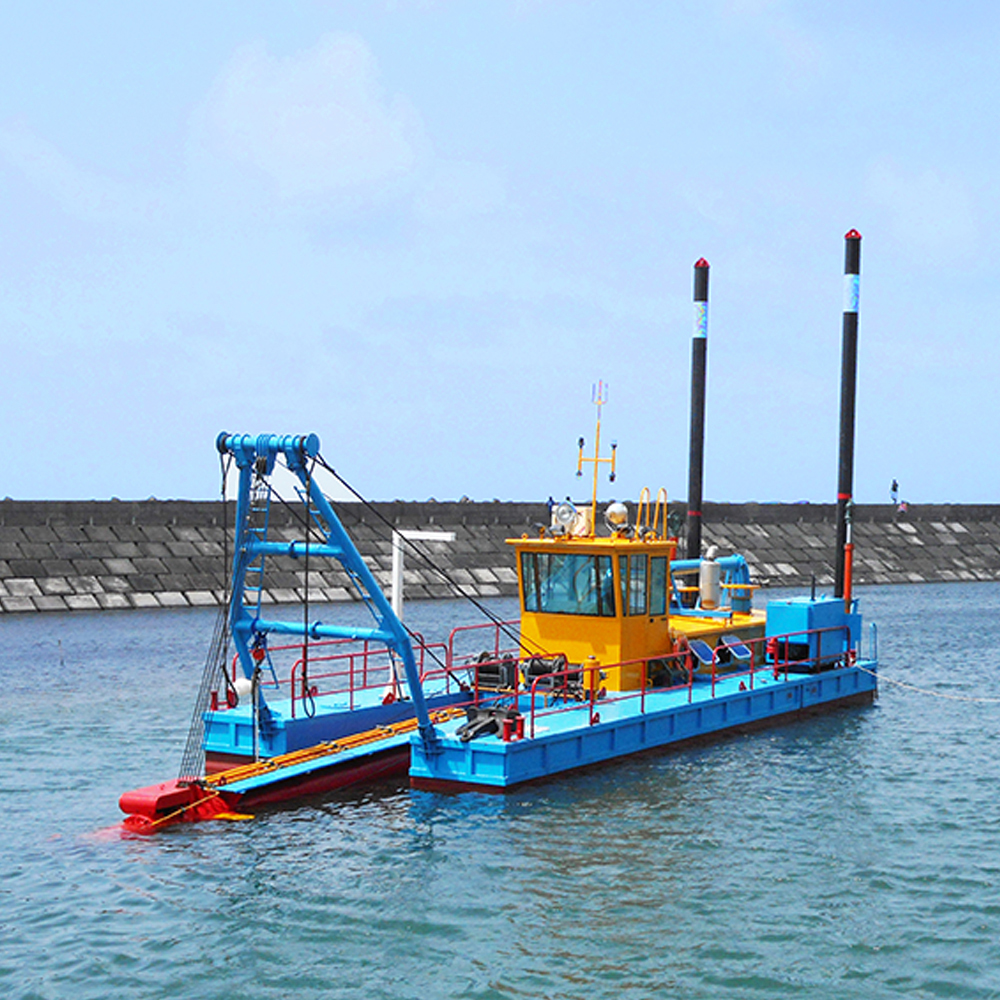
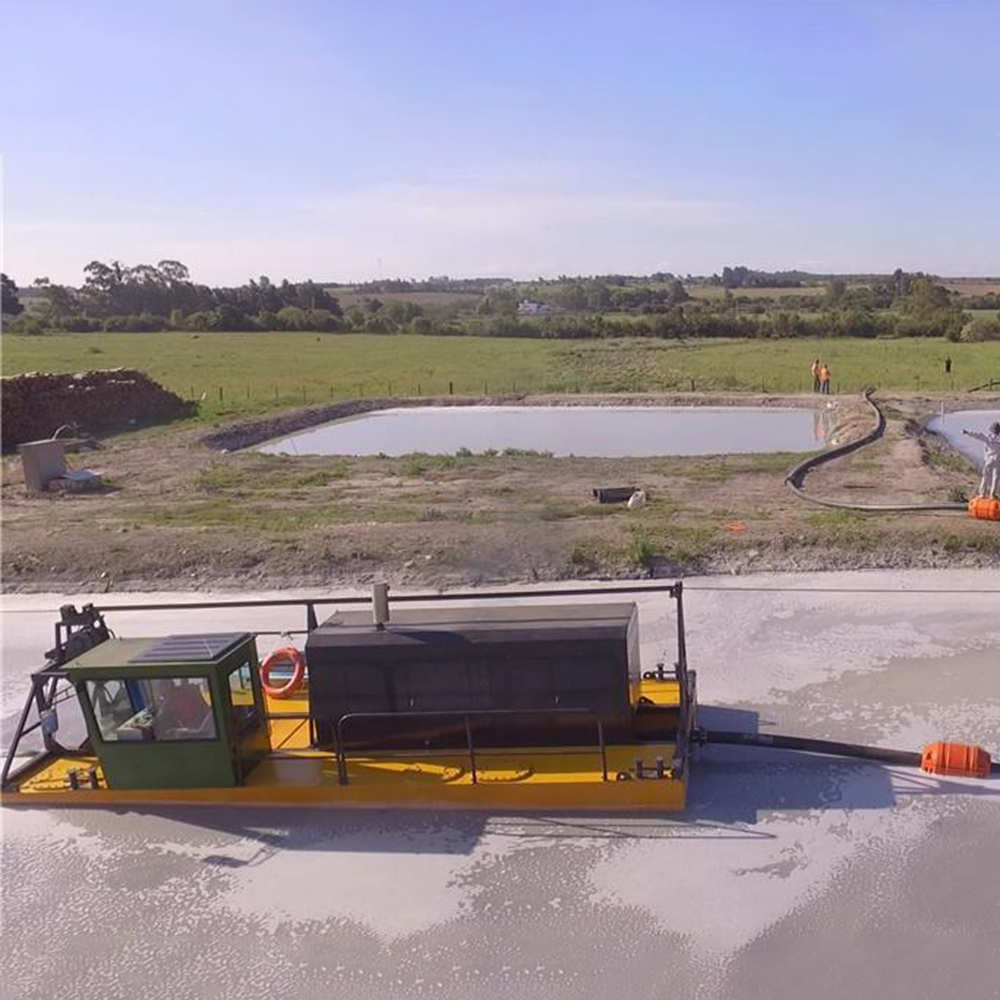
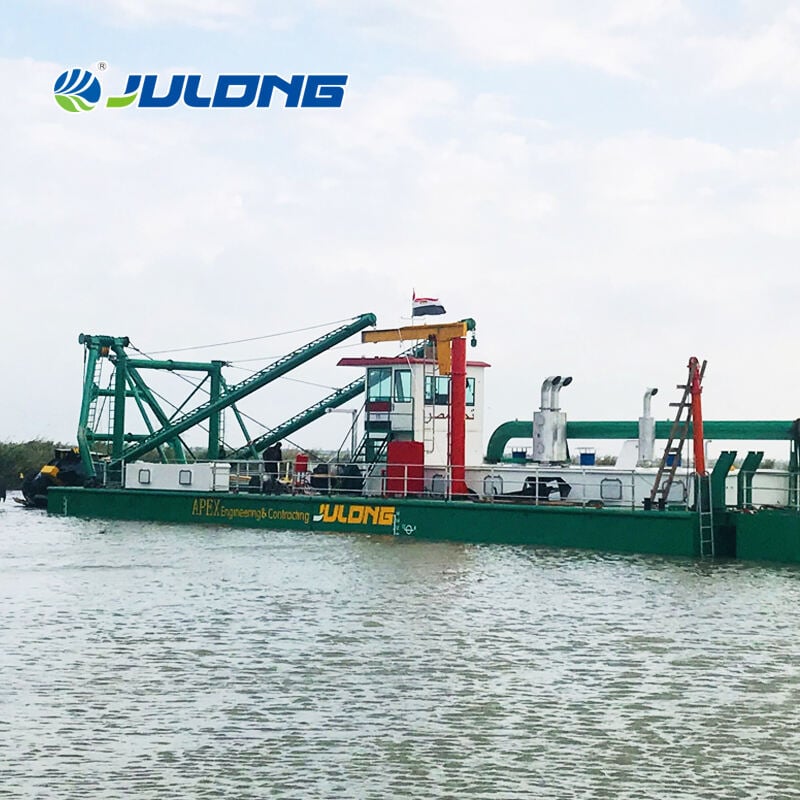
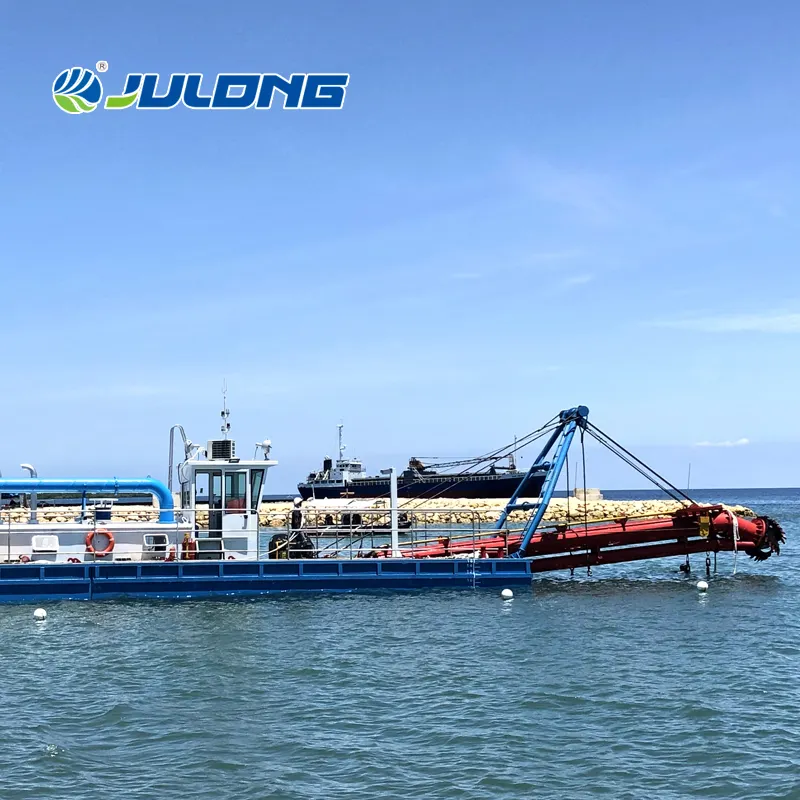
When considering the purchase of a subsea dredger, it's crucial to understand its significance in environmental protection and how it operates underwater. Subsea dredgers are specialized equipment designed to excavate and remove sediment from aquatic environments, playing a vital role in maintaining healthy waterways and supporting various marine projects. This article will guide you through essential factors to consider when purchasing Julong sand dredger, ensuring you make informed decisions that align with your operational needs.
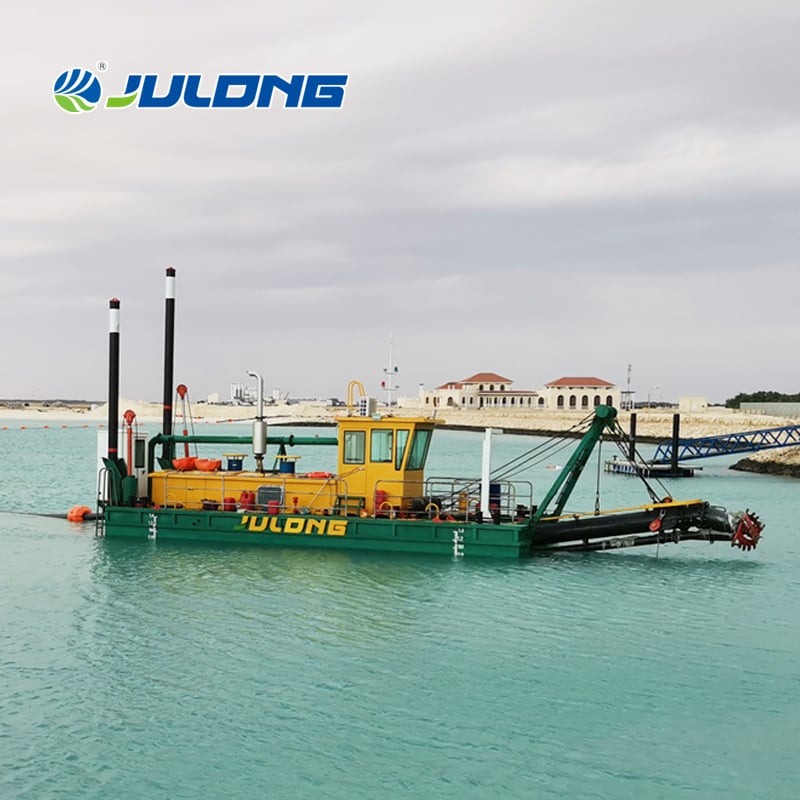

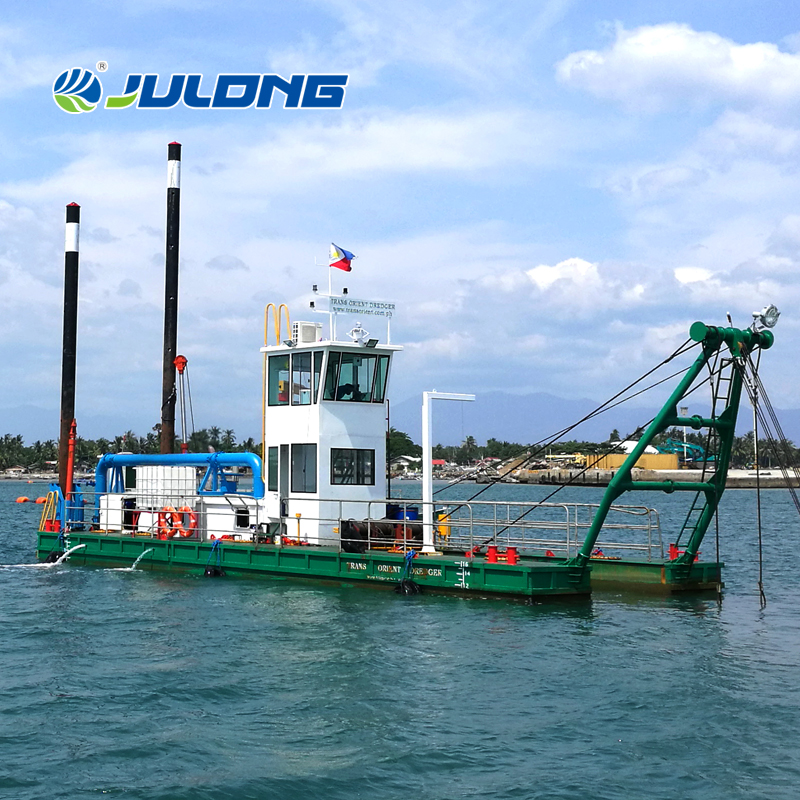


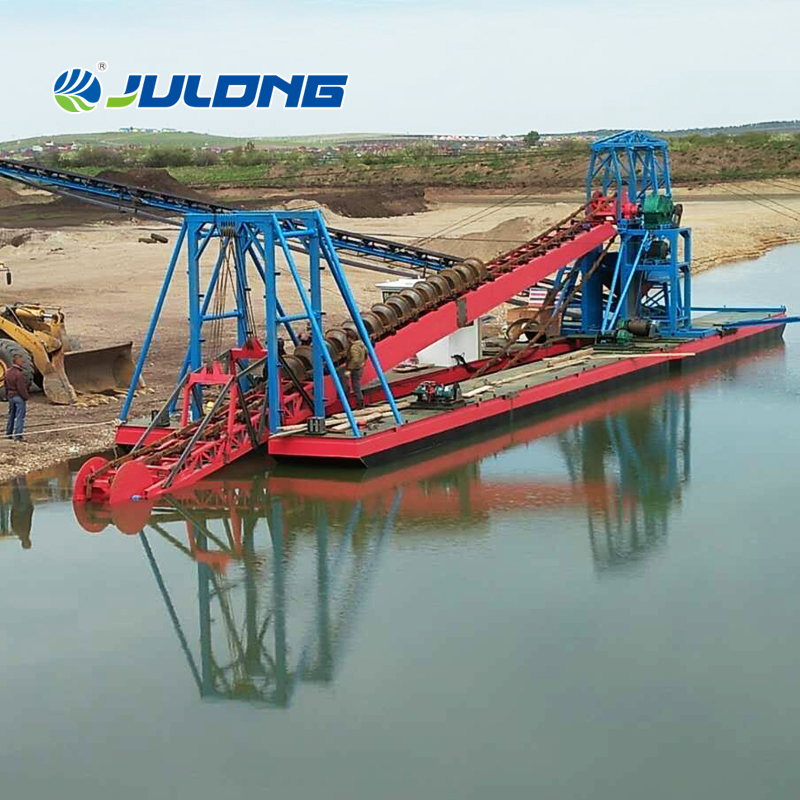


Installation Guidance for Efficient Use of Subsea Dredgers
Proper installation of subsea dredgers is critical for maximizing performance and longevity. Begin by assessing the operational environment and ensuring that the dredger is compatible with the site conditions, such as water depth, sediment type, and currents.
Key installation considerations include:
Site Preparation: Ensure that the dredging area is thoroughly assessed and prepared. This involves evaluating underwater geography and potential obstacles to avoid operational hiccups.
Training: Operators should receive comprehensive environmental protection projects on the dredger's features and controls. Familiarity with the equipment leads to safer operation and reduces the likelihood of accidents.
Testing: Before full-scale operations commence, conduct test runs to identify any potential issues with the dredger's performance. This step is essential for troubleshooting and ensuring that the dredger operates as intended.
Maintenance Setup: Establish a regular maintenance schedule during the installation phase. This should include inspections of moving parts, hydraulic systems, and electronic controls to ensure optimal functionality.
By adhering to these guidelines, you can enhance the operational efficiency of your subsea dredger material selection and minimize the risk of costly breakdowns.