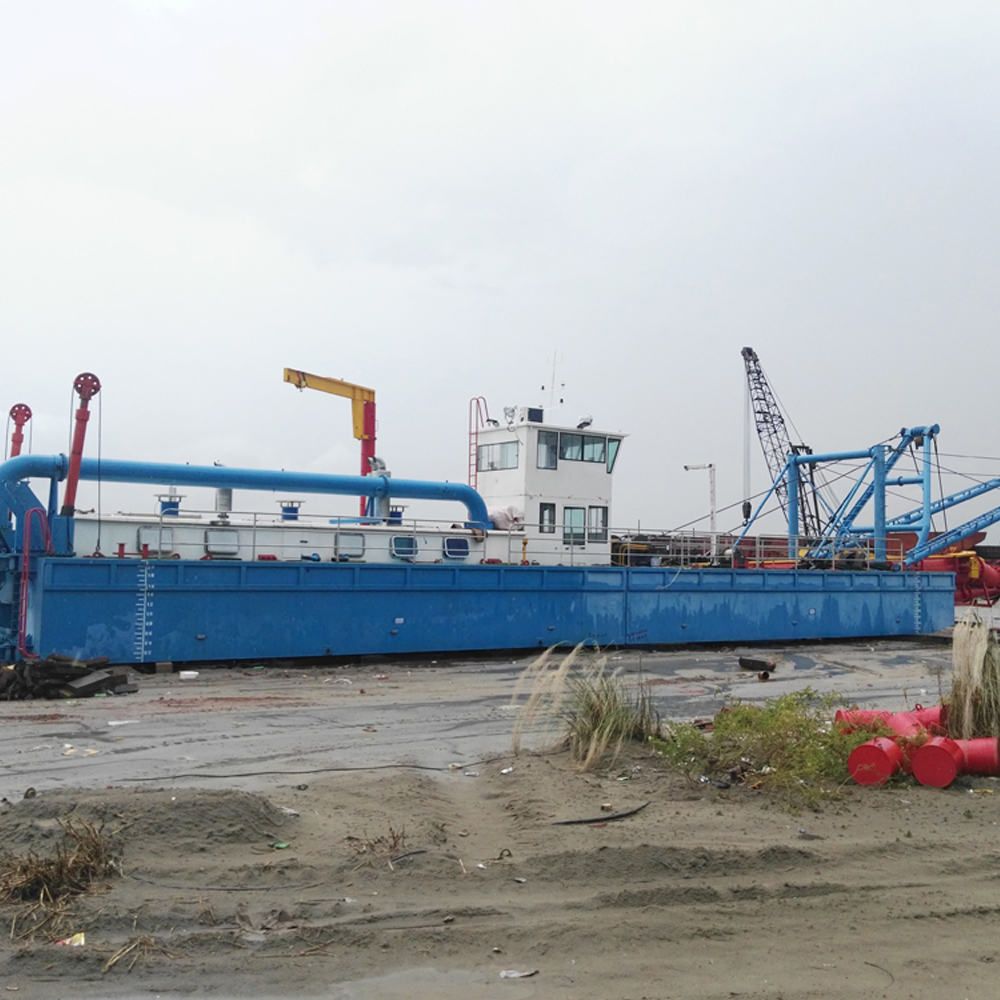
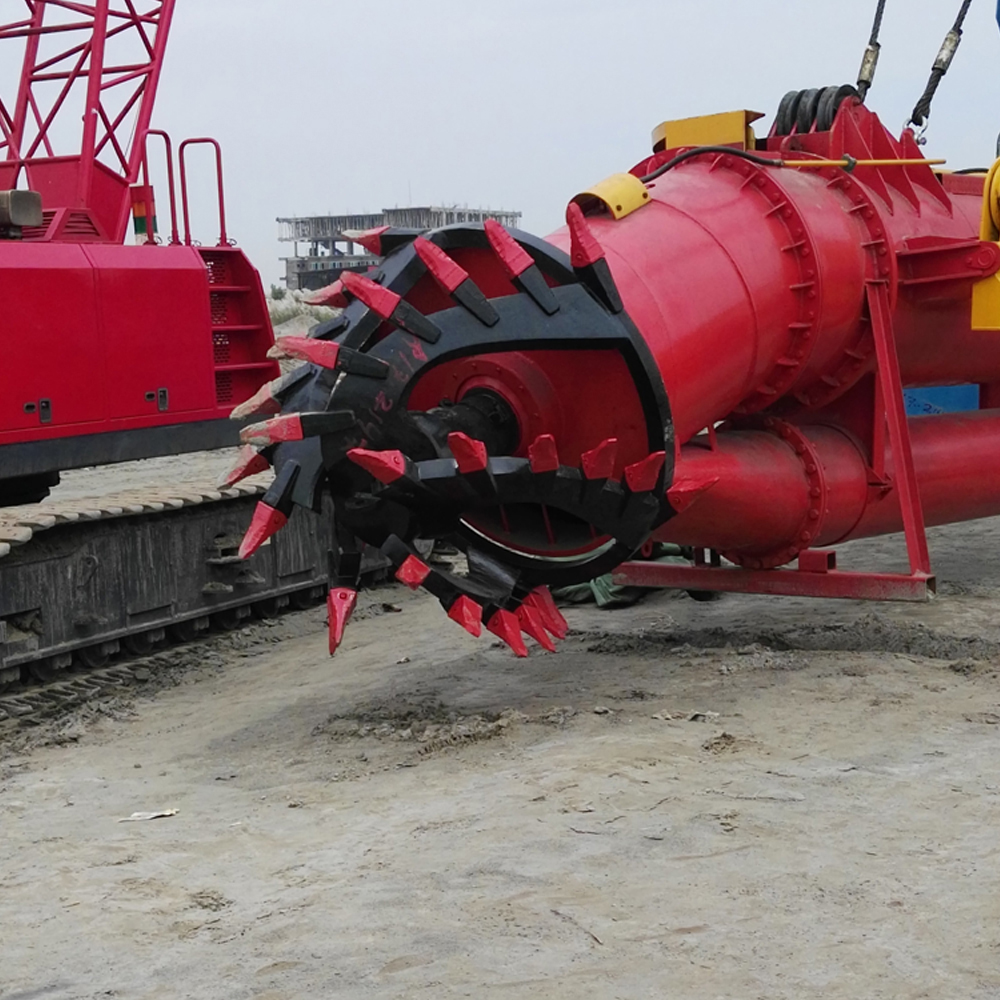
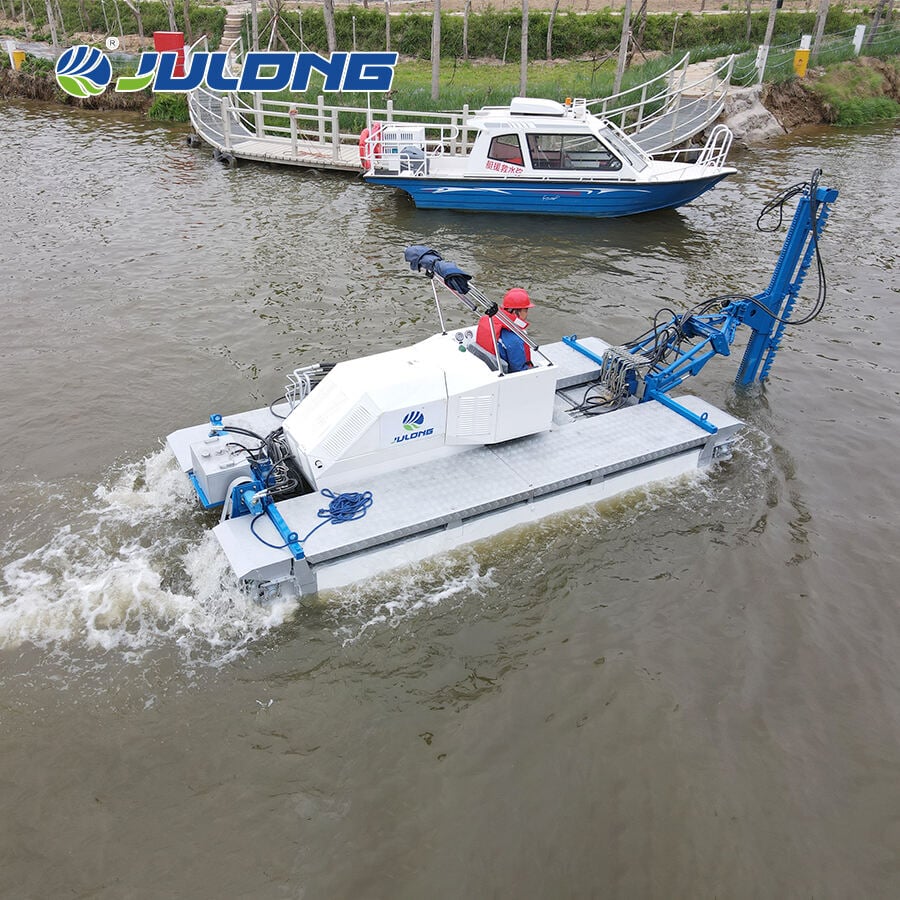
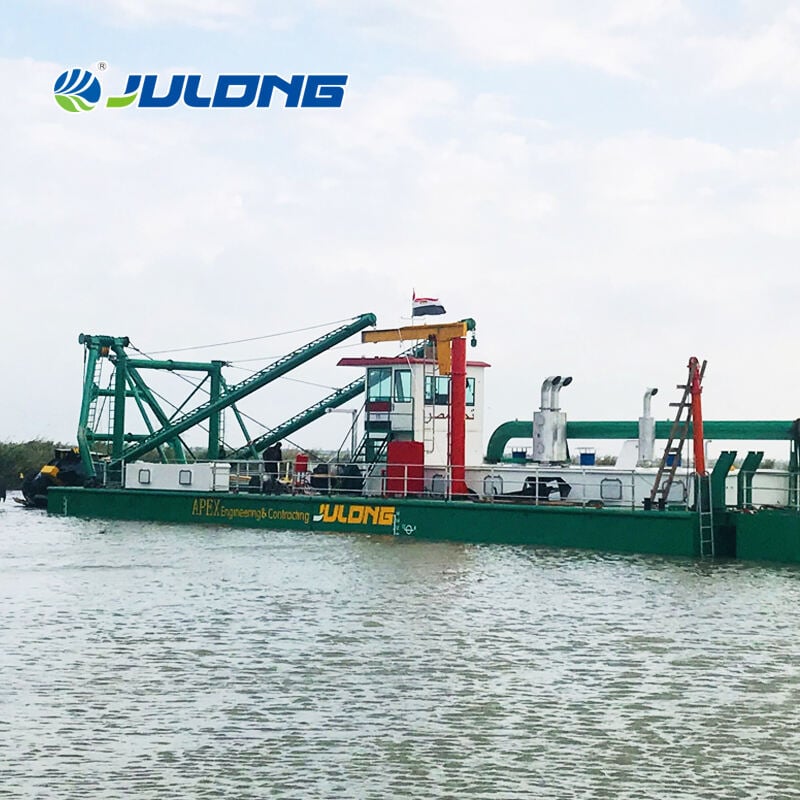
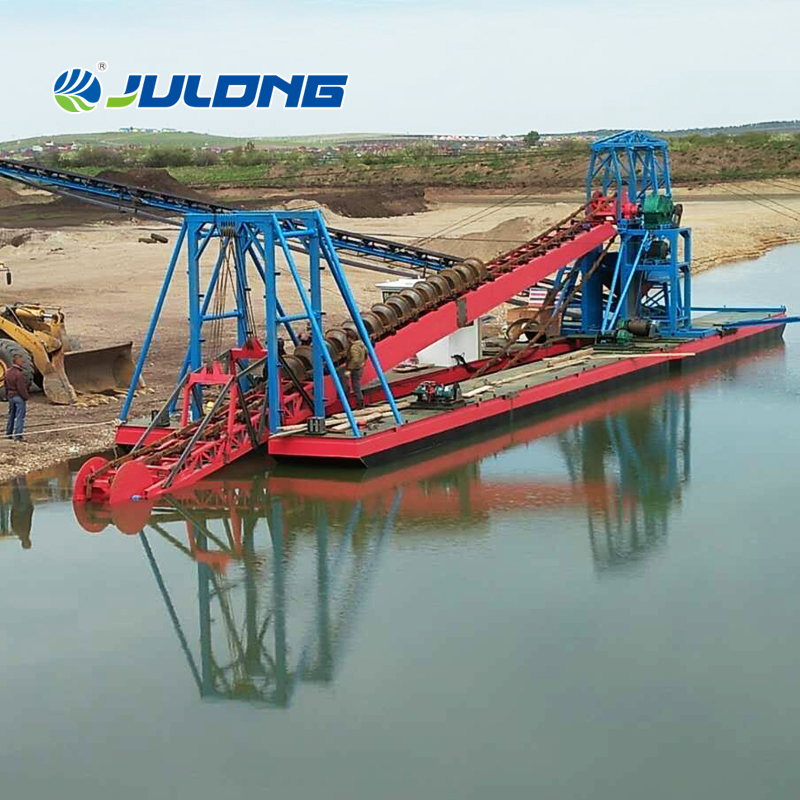
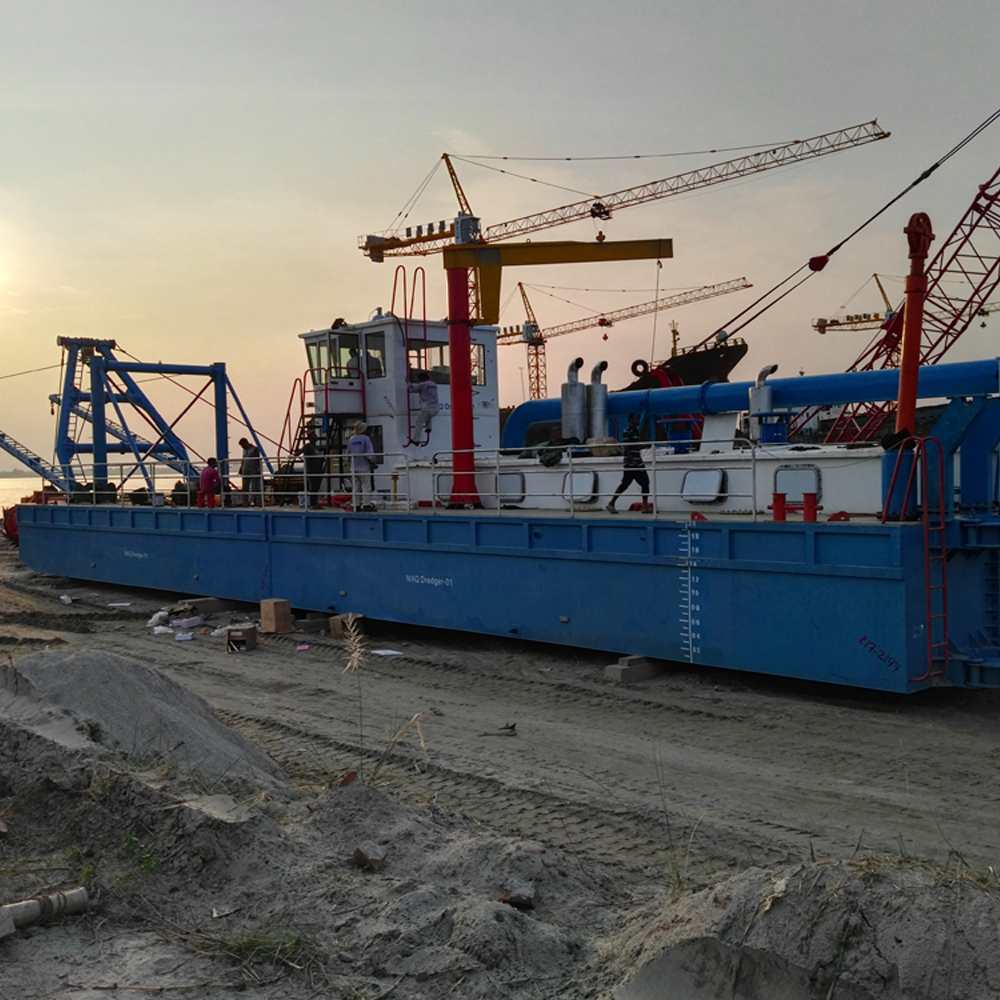
Dragline dredgers are essential equipment in the water environmental protection sector, designed to efficiently excavate and remove sediment, debris, and other materials from bodies of water. For purchasing managers, engineers, and other decision-makers, understanding the key specifications, cost factors, and common challenges associated with excavator dredger is critical for making informed procurement decisions. This article aims to provide practical insights into these aspects, allowing buyers to better evaluate their options and optimize their purchasing processes.
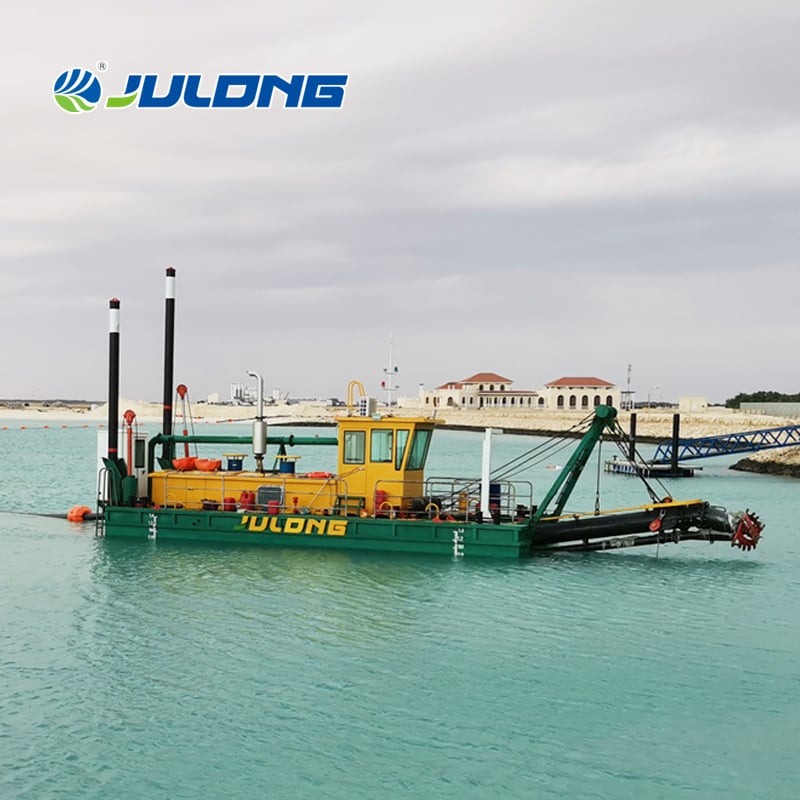

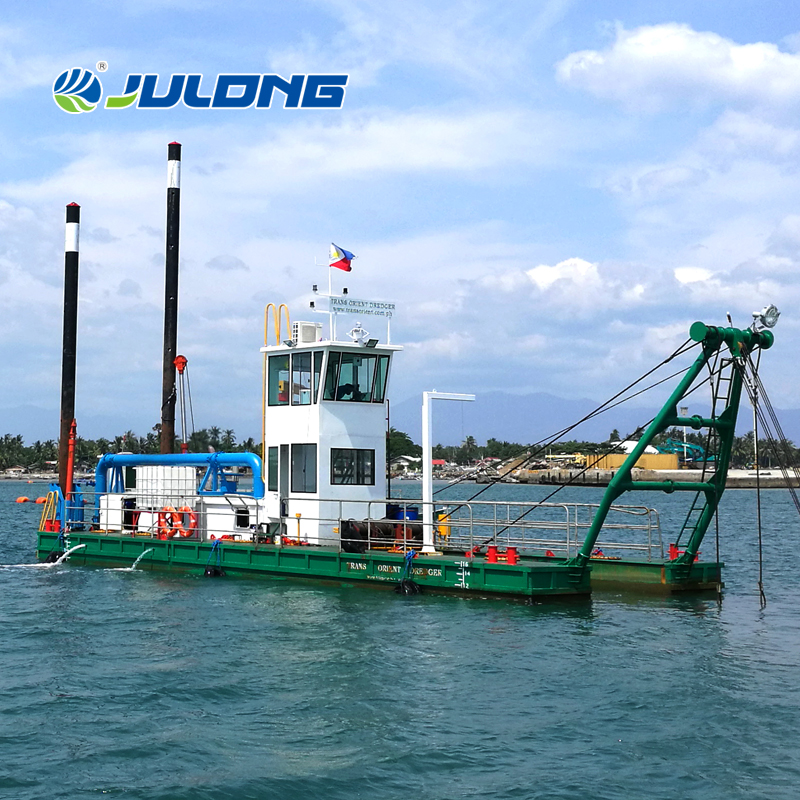




A Buyers Guide
When purchasing dragline dredgers, following a structured approach can help streamline the decision-making process:
Define Project Requirements: Start by clearly defining the project scope, including the type and volume of material to be dredged, the environmental conditions, and any specific regulatory requirements.
Research Suppliers: Evaluate potential suppliers based on their experience in manufacturing backhoe dredgers. Look for companies with certifications from recognized classification societies, as this indicates adherence to quality and safety standards. JULONG, for example, collaborates with top universities to develop innovative products, showcasing a commitment to research and quality.
Request Specifications: When contacting suppliers, provide detailed information about your project. Request technical specifications, including performance data, material details, and customization options. This information will facilitate accurate quotes and help in comparing different models.
Evaluate Samples: Before finalizing any purchase, request a sample or a demonstration. This is essential for assessing the dragline's performance under actual operating conditions. Pay attention to the equipment's ease of operation, maintenance needs, and any potential issues that may arise during use.
Negotiate Terms: Once you have selected a supplier, discuss pricing, lead times, and shipping options. Ensure that you understand the total cost of ownership, including maintenance and operational expenses, before signing a contract.