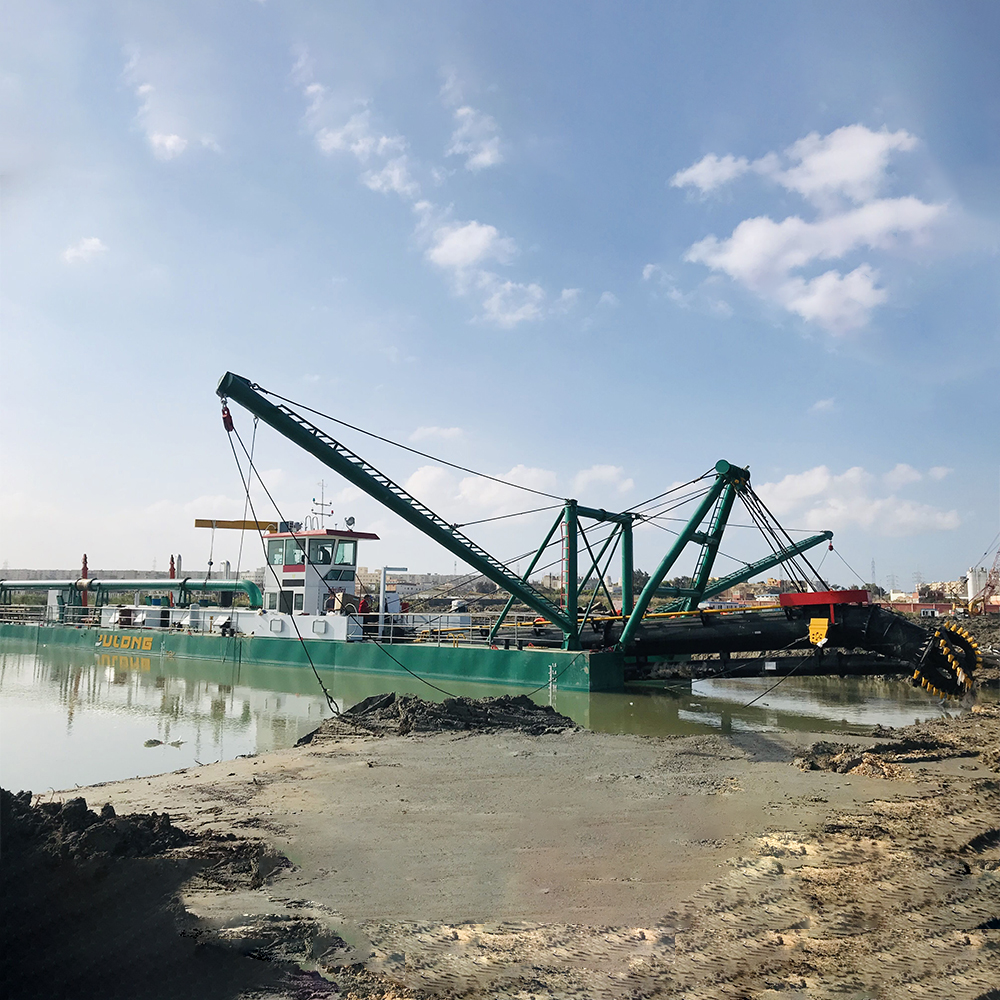
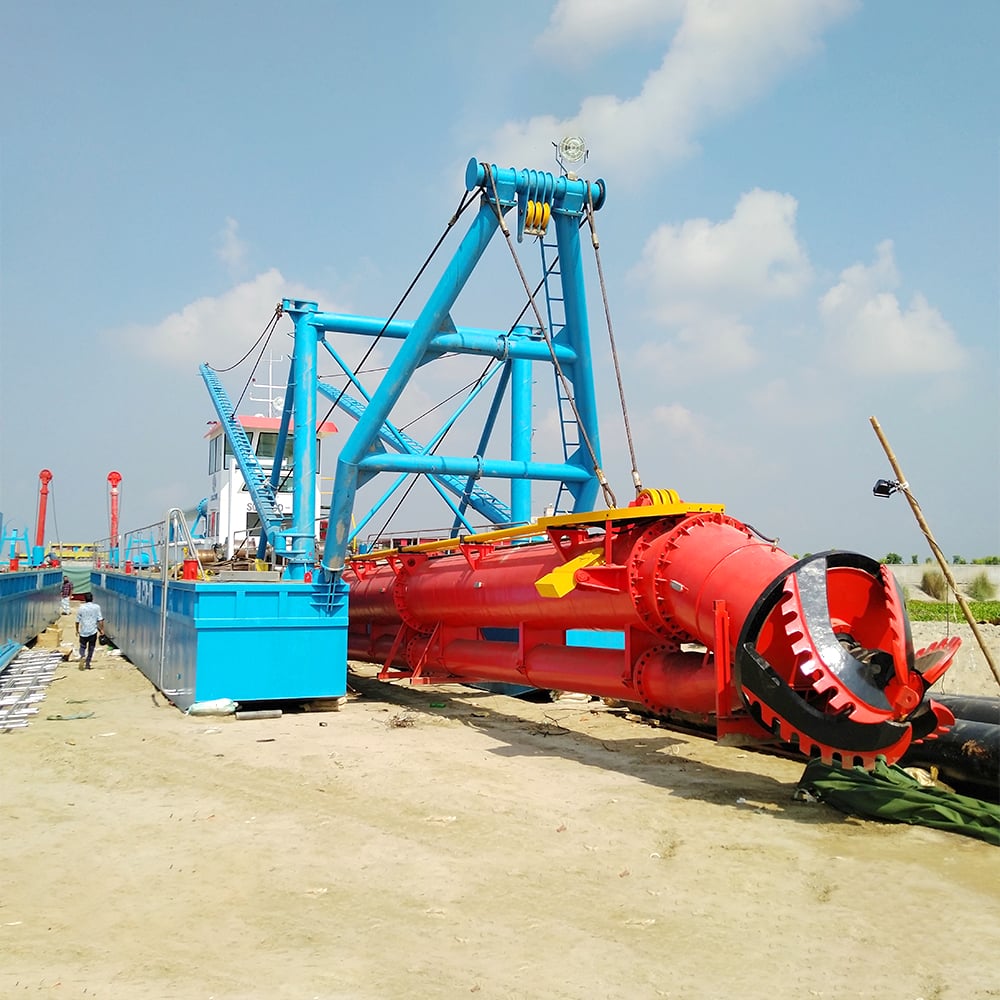
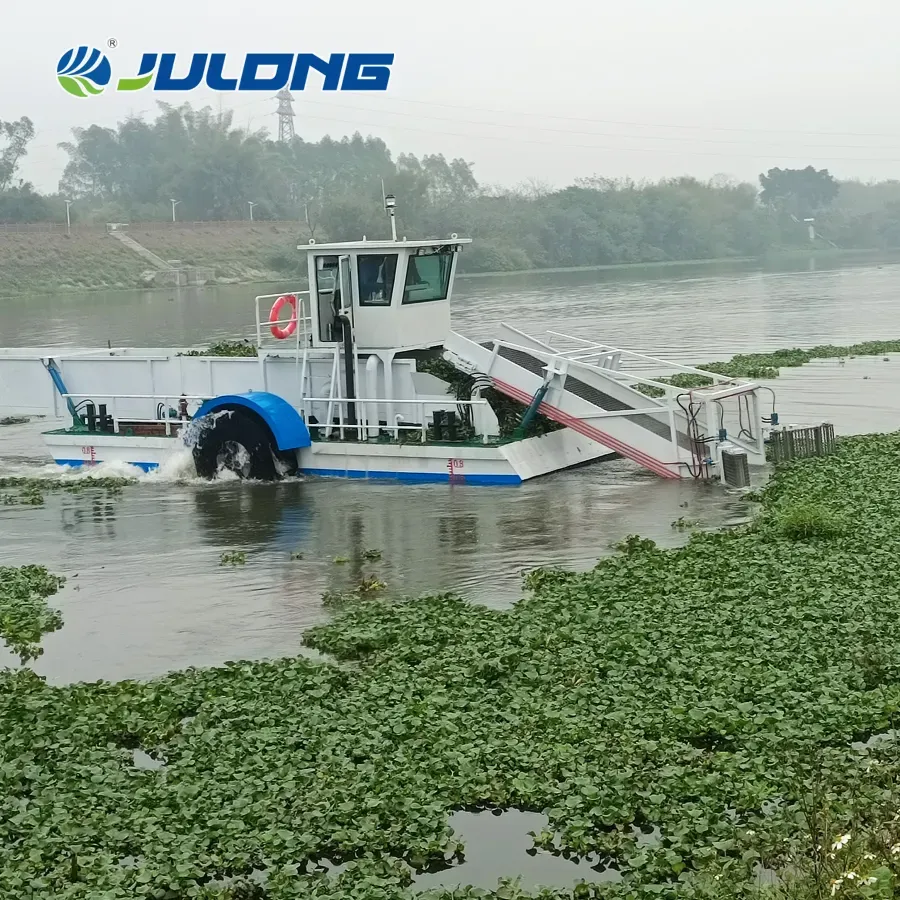
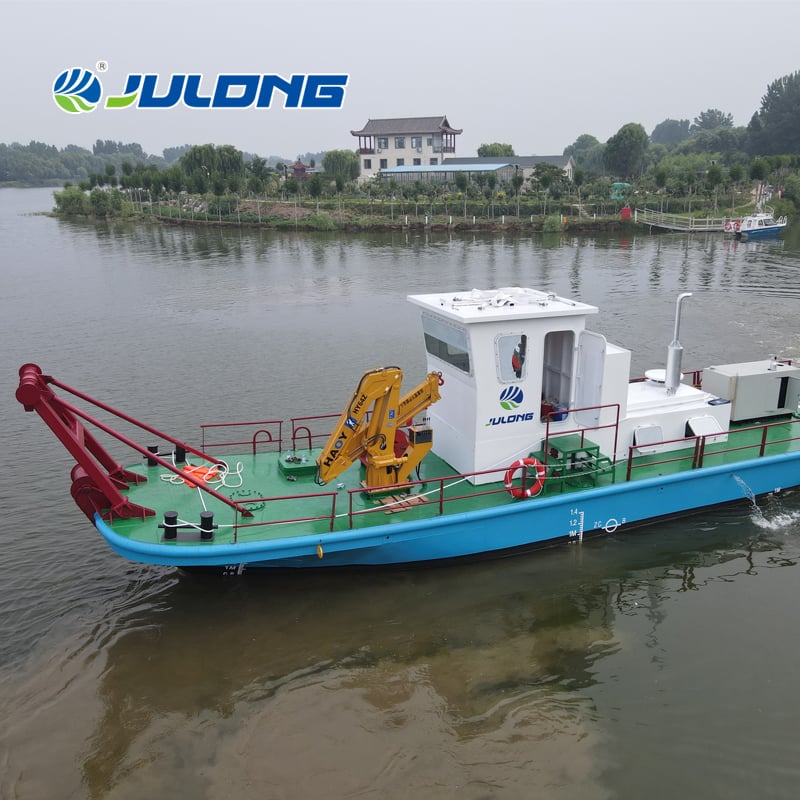
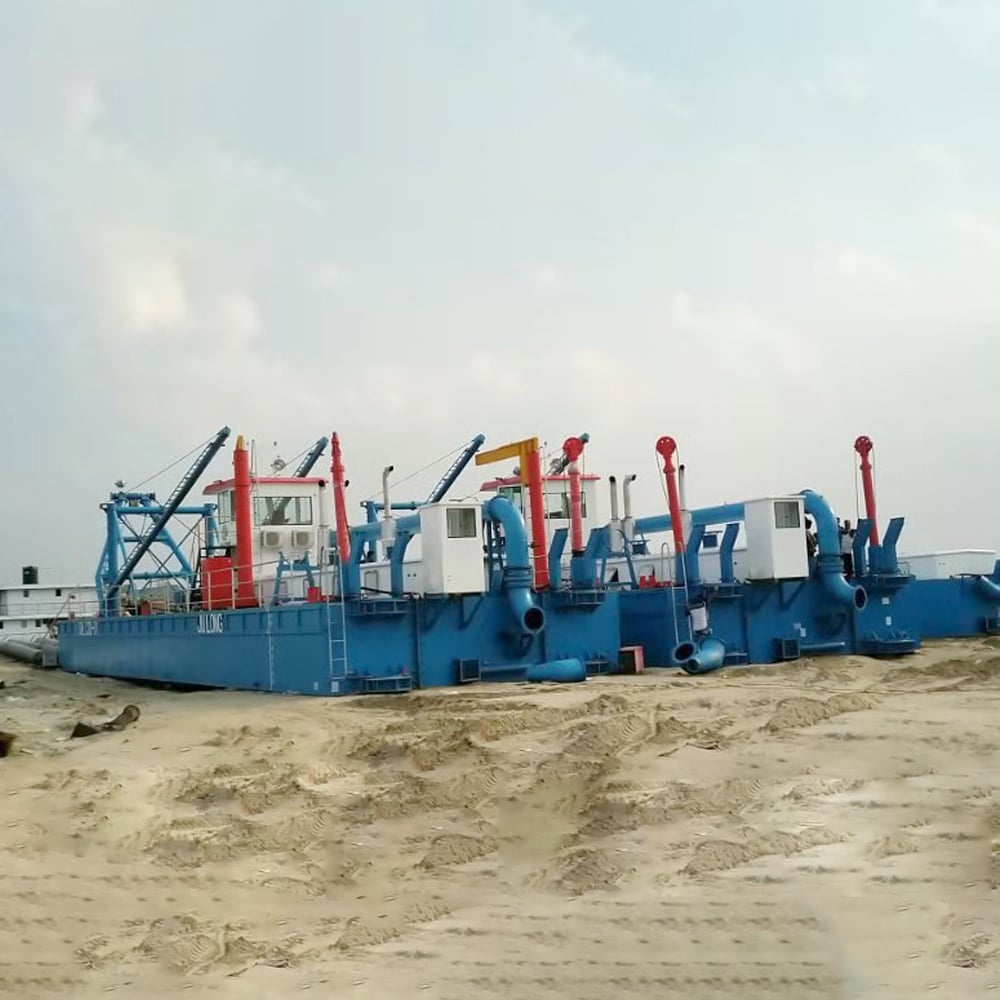
A small sand dredge is a specialized piece of equipment used primarily for the excavation and removal of sand from water bodies. These dredging depth machines are essential for various industries, including construction, mining, and environmental restoration. When considering a small sand dredge, B2B buyers often focus on efficiency, reliability, and compliance with environmental standards. This article aims to guide purchasing managers and project engineers through the critical aspects of selecting the right Julong small dredger machine, covering specifications, application scenarios, and cost factors.
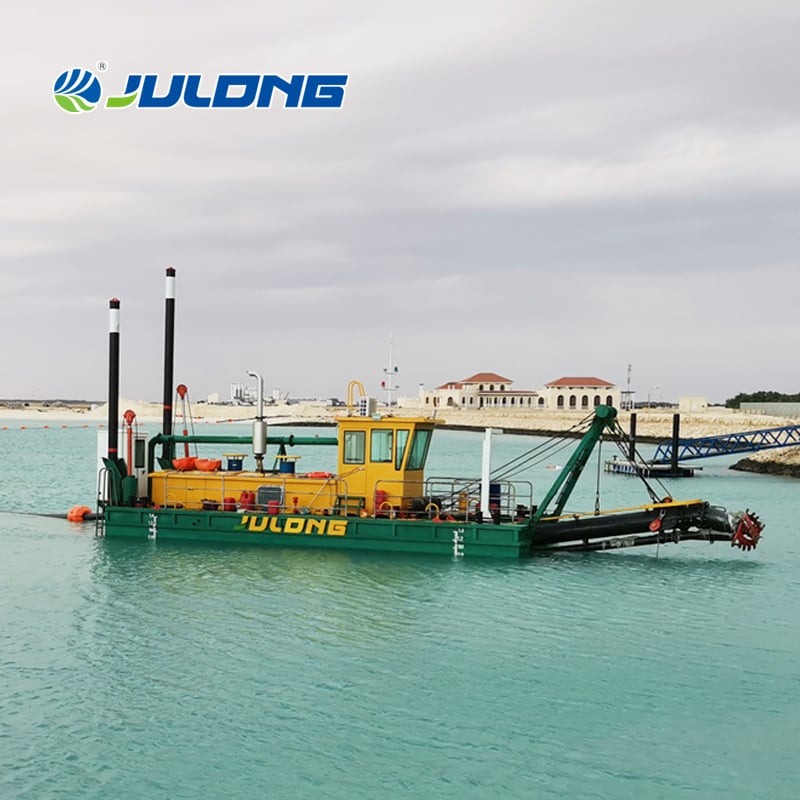

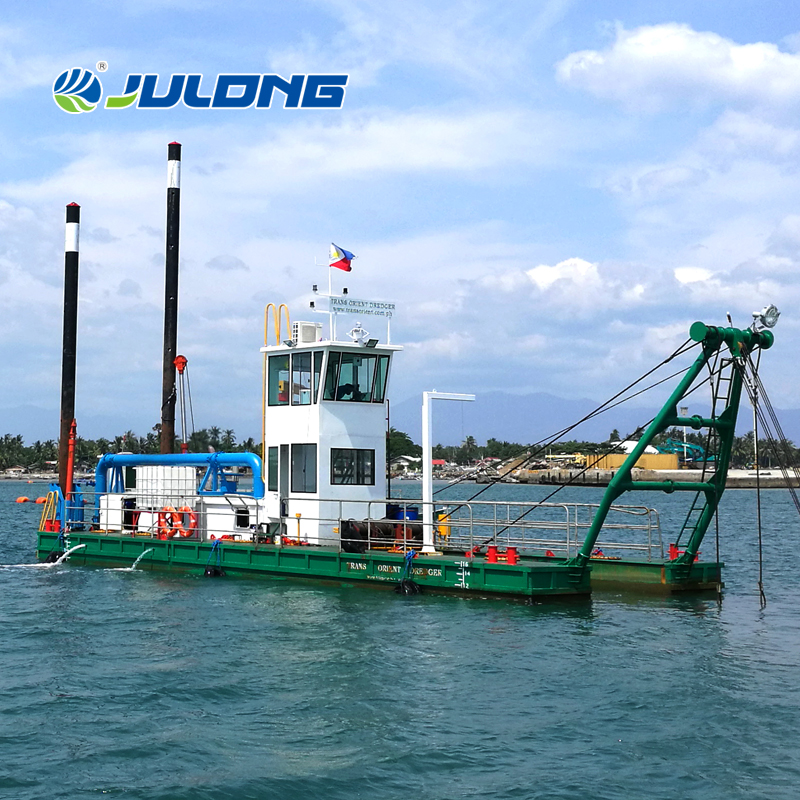


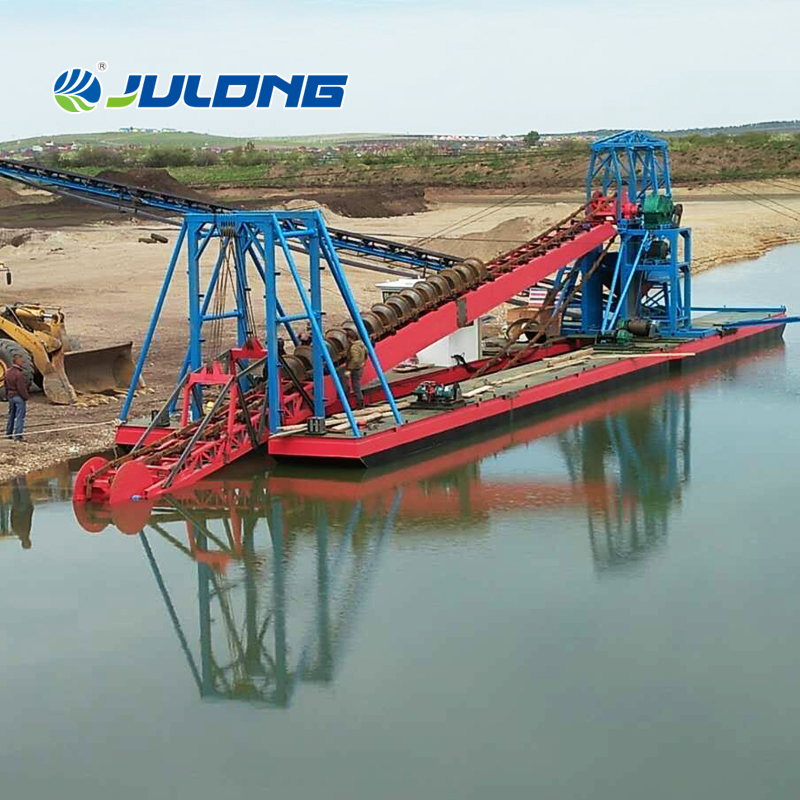


Key Specifications to Consider in Small Sand Dredges
When evaluating small sand dredges, several key specifications should be assessed:
Dredging Depth: The maximum depth a dredge can reach is vital for determining its suitability for your project. Ensure that the dredge can operate efficiently within the required depth range.
Pump Capacity: This refers to the volume of material the dredge can pump per hour. A higher pump capacity can lead to faster dredging times and environmental restoration, which is essential for project timelines.
Material Handling: Consider the type of material the dredge is designed to handle, including sand, silt, or clay. Different materials may require different dredging mechanisms.
Power Source: Dredges can be powered by diesel, electric, or hydraulic systems. The choice of power source can impact operational costs and environmental compliance.
Construction Materials: The durability of the dredge depends on the materials used in its construction. Corrosion-resistant materials are preferable for dredges operating in water environments.
Understanding these specifications allows buyers to assess the dredging depth performance and suitability of a small sand dredge for their specific applications.